


On December 1st, step into the quiet beauty of "December's Solitude." Explore the rich history of ancient festivals like Saturnalia and Yule, and discover how these traditions still echo in our modern celebrations. Experience the serene stillness of December, where short days and cold nights bring a sense of reflection and mystery.
Join us for an insightful journey through the final month of the year, where the landscape may seem bare, but hidden wonders await. Whether you're fascinated by history, nature, or the subtle shifts of the seasons, this article will captivate and inspire you.
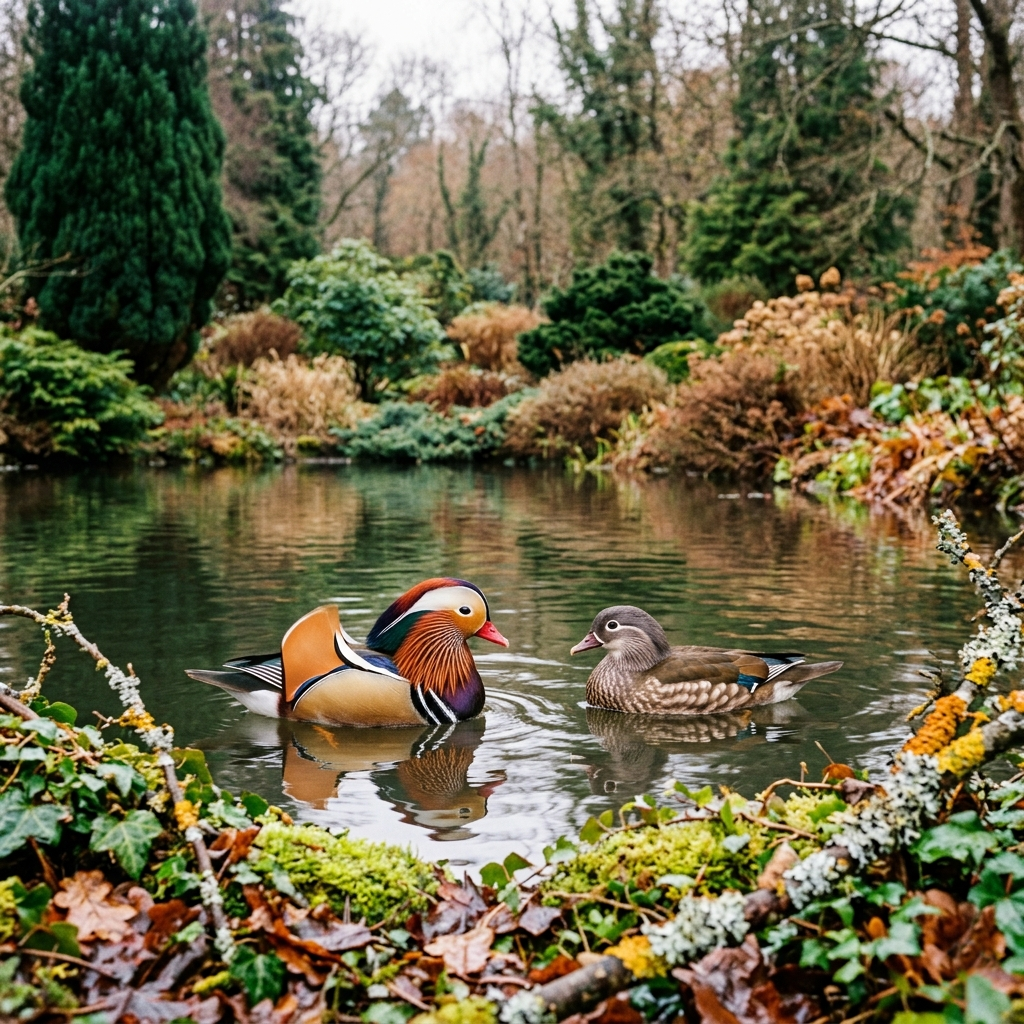
December might sound like a dull, colourless month, but look a little closer and a surprising palette emerges. Across London, dark green cypress domes stand out against gardens painted in rich browns—snuff, tobacco, fawn, umber, and sienna—punctuated by stubborn bursts of colour from pot marigolds, kaffir lilies, and red hot pokers. In woodlands, beech and chestnut leaves linger in warm tones, while bramble purples, glossy ivy, and the luminous greens of mosses and algae brighten damp paths and tree trunks. Even lichens glow more intensely on winter branches. And then there are the mandarin ducks, turning quiet waters into floating pageants of chestnut manes, iridescent crests, and bright orange ‘sails’. Return on 02-Dec for the full story!
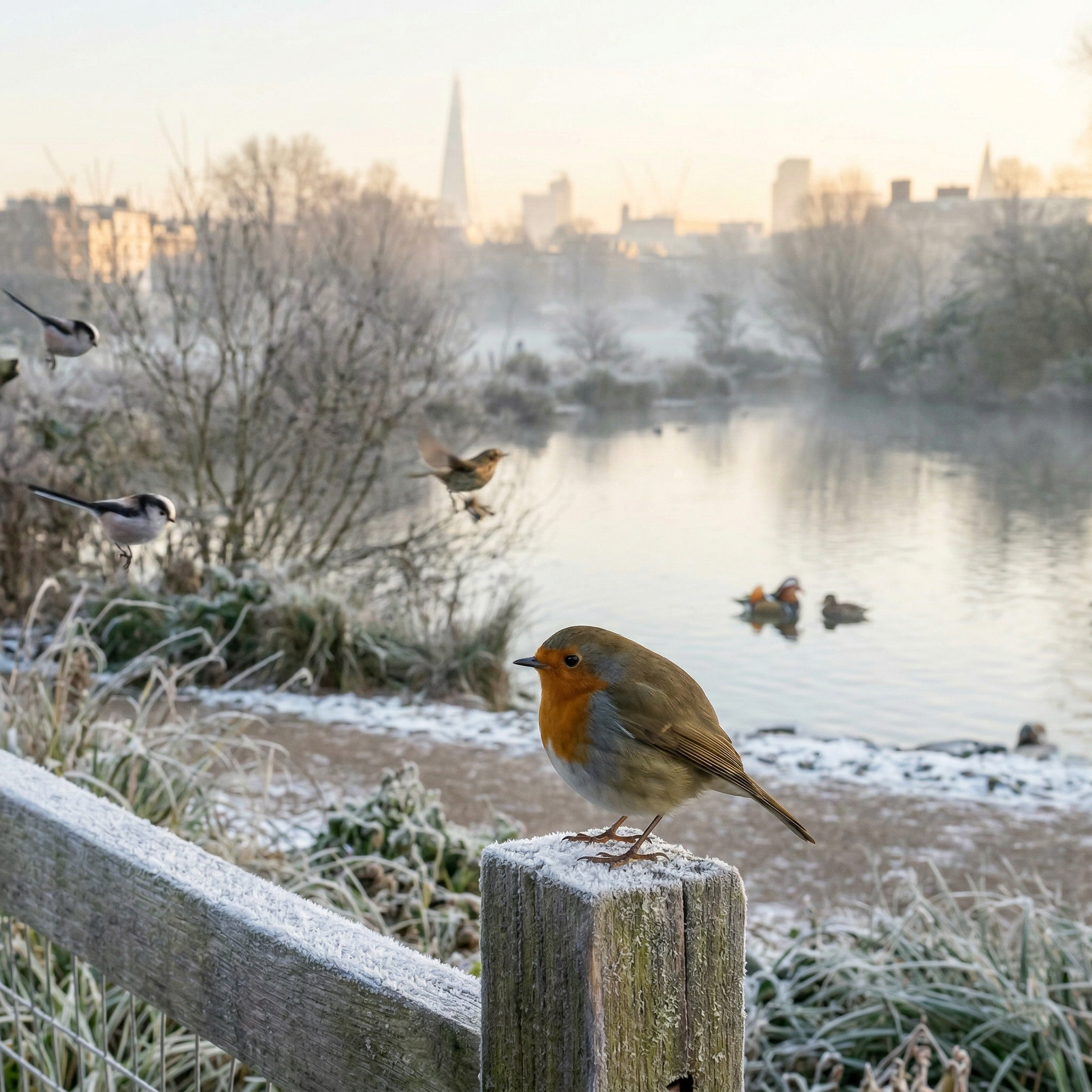
As autumn migration fades, London transforms into a winter refuge for countless birds. Strong north‑east winds and storms push thrushes from Scandinavia and eastern Europe into the city’s parks, gardens, and even the Thames embankment, where hungry skylarks sometimes forage when conditions are harsh. Londoners notice surging numbers of gulls and surprise guests in their gardens: blackcaps, whitethroats, Cetti’s and garden warblers that once all departed now occasionally stay. Escaped ornamental waterfowl like Canada and Egyptian geese, Mandarin and Ruddy ducks add splashes of colour to grey days, their freshly moulted plumage sleek and bright. Meanwhile, robins tame enough to feed from your hand, goldcrests probing brambles, and song thrushes smashing snails all reveal how diets shift to survive the cold. Return on 03-Dec for the full story!
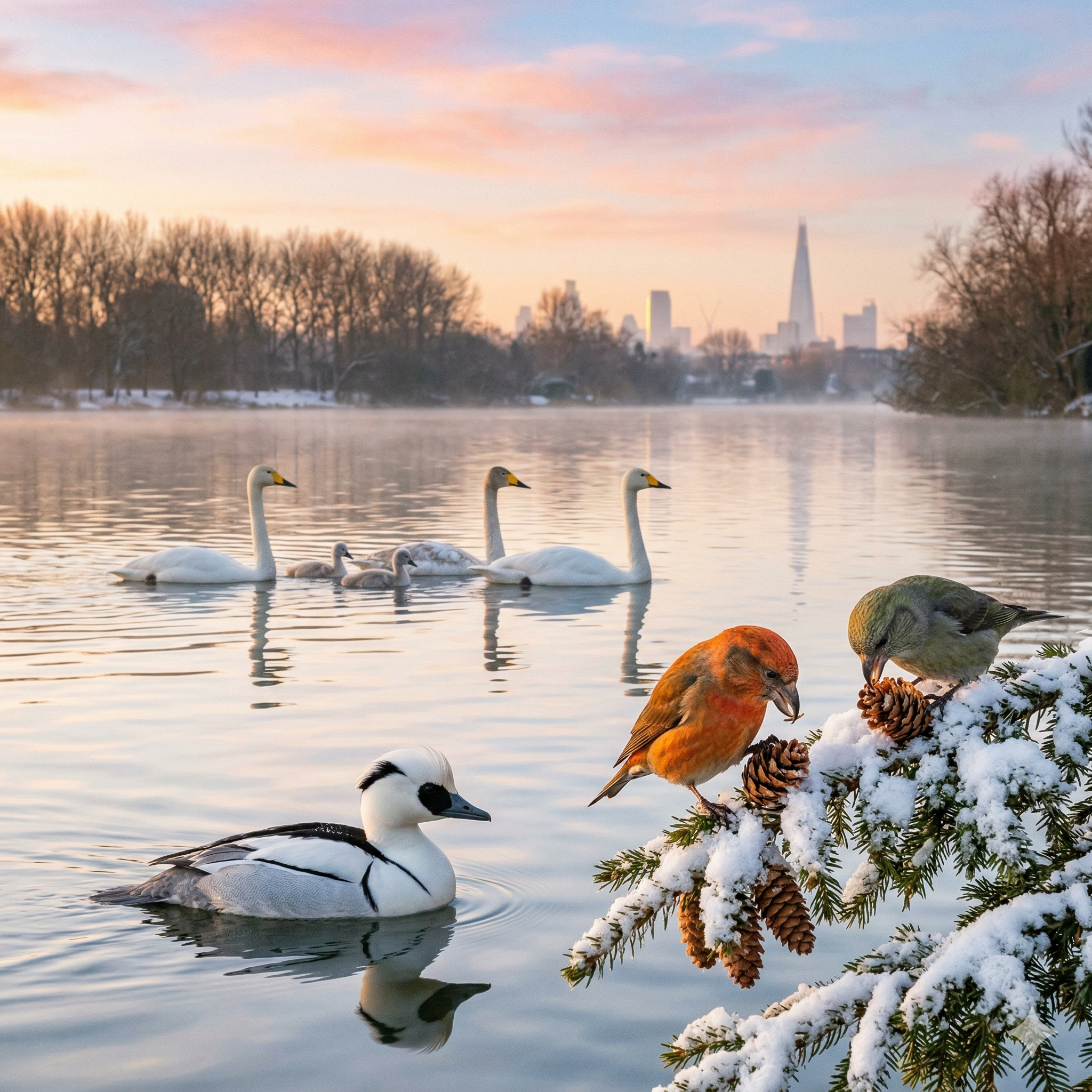
By early December, London’s skies and waterways are part of an immense, invisible highway stretching to Africa and the Arctic. While summer swifts may already be over Zimbabwe and wood warblers deep in rainforest, the capital hosts its own cast of winter visitors: elegant smew diving briefly on reservoirs, rare goosanders and mergansers dropping in, and crossbills in pinewoods, their extraordinary crossed bills prising open spruce cones. Overhead, red kites, ospreys, buzzards and even merlins patrol the cold air, while owls haunt the edges of dusk. And occasionally, the most majestic travellers of all sweep past: Bewick’s and Whooper swans, fresh from Arctic breeding grounds, pausing only briefly on London’s waters before pressing on. Return on 04-Dec for the full story!
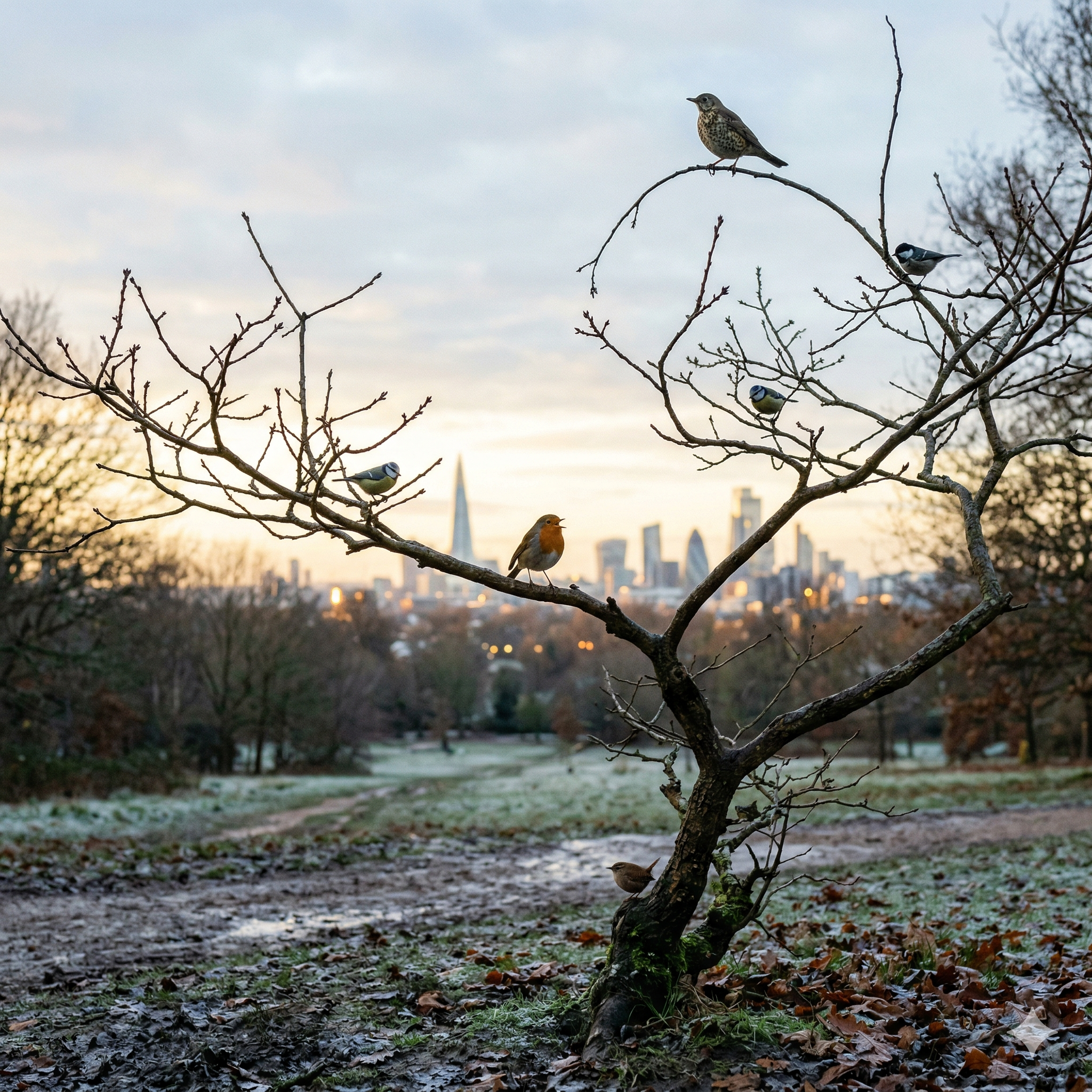
Step outside on a December day and the first thing you may notice isn’t the cold, but the birdsong that keeps winter from falling completely silent. Robins pour out full-throated melodies from bare branches, while mistle thrushes sing boldly from the highest swaying treetops. Wrens, hedge sparrows, finches, tits, nuthatches and owls each add their own distinctive notes, from sewing-machine rattles to haunting hoots in the dark. As many birds fall quiet, subtle sounds take over: wind combing through pine and birch, hissing in ash, whispering round tower blocks like distant surf. This is a month when careful listening reveals a secret orchestra in parks, woods, marshes and city estates alike. Return on 05-Dec for the full story!
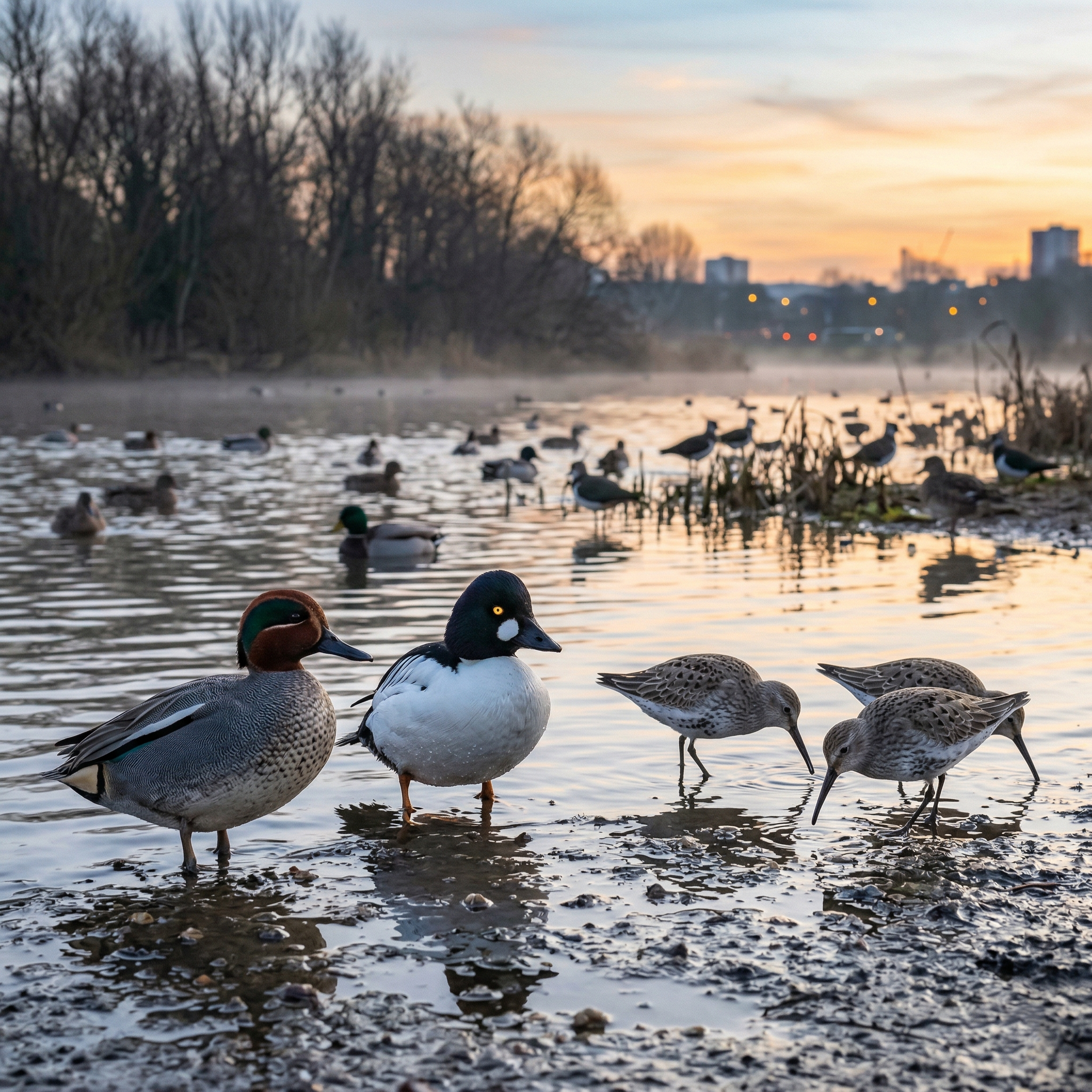
As December deepens, London’s wetlands and rivers come alive with winter wildfowl and waders seeking the capital’s relatively mild microclimate. From Barnes Wetland Centre’s coots, moorhens, tufted ducks, pochards and teal to Rainham’s gatherings of wigeon, lapwing and redshank, the cold weather concentrates birds in spectacular numbers. Along the Thames and its tributaries, shifting ice drives elegant, long-billed waders toward unfrozen, brackish inlets where food is still accessible. Learn how to distinguish lookalike species by bill shape, subtle plumage, flight patterns and even the haunting dark eye of a grey plover. Discover which estuary fields pull in curlew, golden plover, snipe and woodcock when the tide is high and the mud is out of reach. Return on 06-Dec for the full story!
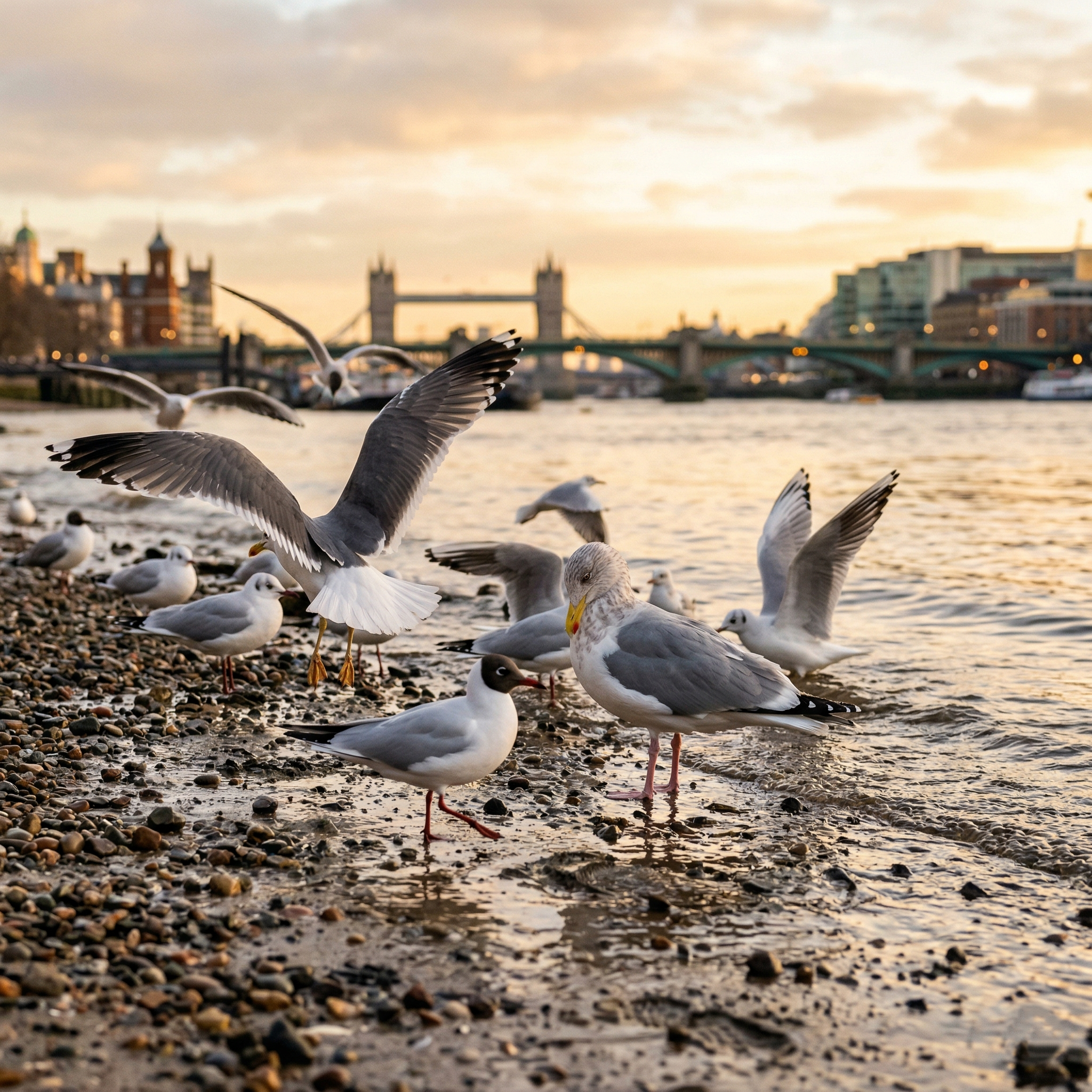
On a blustery December day, London’s skies fill with acrobatic shapes: gulls twisting and gliding above rivers, playgrounds, rooftops and fields. Yet behind the familiar raucous calls lies a surprisingly complex cast of characters. From the abundant Black-headed gull, with its tumbling flight and chocolate summer hood, to the fierce, piratical Herring gull now nesting on city rooftops, each species has its own story and subtle clues to identity. Size, leg colour, eye expression and mottled juvenile plumage all help distinguish Lesser and Greater Black-backed, genuinely uncommon Common gulls, and a host of rarer visitors like Kittiwakes, Mediterranean and Iceland gulls. Even vagrants blown in on wild weather can be picked out—if you know what to look for. Return on 07-Dec for the full story!
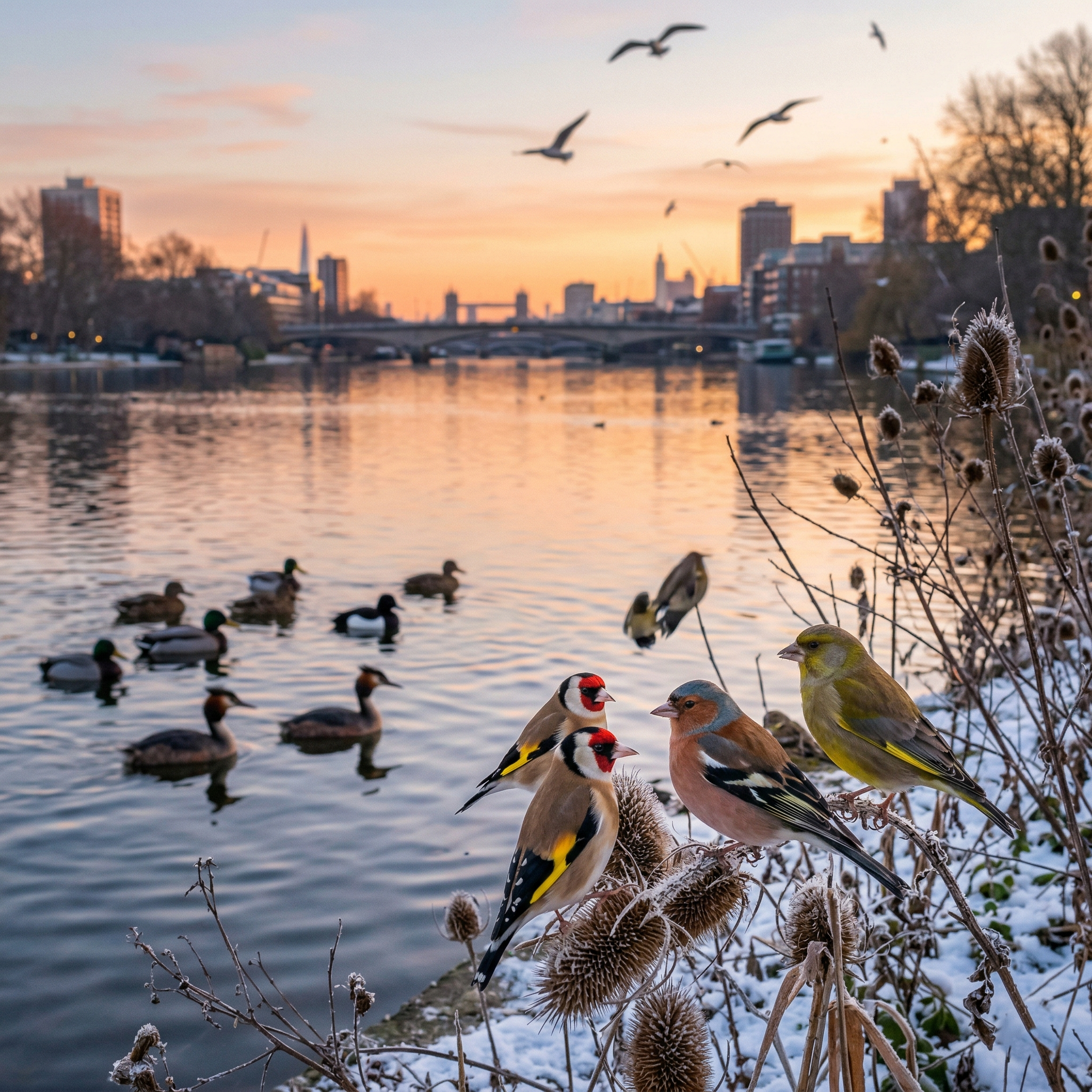
December in London is alive with wings if you know where to look. From gulls patrolling city streets and feral pigeons crowding rooftops, to starlings swirling near bridges and rafts of ducks on open water, the capital becomes a tapestry of winter flocks. Venture to Epping Forest for chaffinches, wander city parks for greenfinches, or scan gardens for bright goldfinches. Wetland gems like Barnes and the Queen Mary reservoir host siskins, great crested grebes, and cormorants, while Chingford Plain can surprise you with corn buntings and lesser redpolls. Along the estuary, linnets, dunlin, avocets and more gather in arresting numbers, and even car parks come alive with pied wagtails. Hidden among them all are unexpected visitors and subtle stories of migration, youth, and survival. Return on 08‑Dec for the full story!
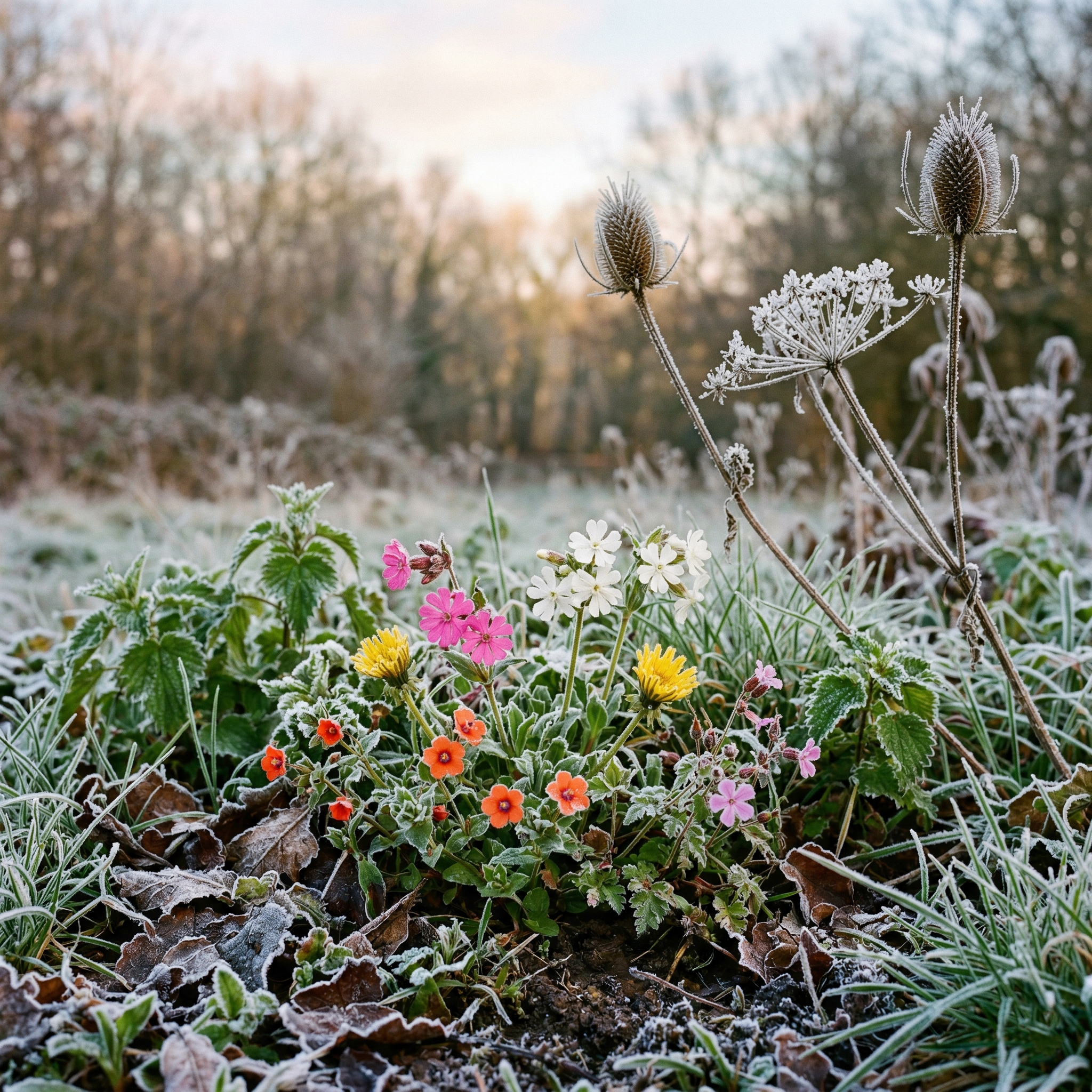
December may seem like a quiet, colourless month for wildflower lovers, but look more closely and a surprisingly rich cast of plants is still performing. From cheerful shaggy soldier, red valerian and scarlet pimpernel to the lingering blooms of toadflax, feverfew and herb Robert, as many as thirty to a hundred species can be discovered with a bit of effort. Escapees from imaginative gardens—pot marigolds, bellflowers, evening primroses and periwinkles—add extra splashes of brightness. Hoar frost transforms teasels and hogweed into glittering sculptures, while fresh green leaves of nettles, cow parsley and chickweed hint at the year to come. Even elusive plants like Persian speedwell, Oxford ragwort and the strange spikes of Great horsetail have their moment. Return on 09-Dec for the full story!
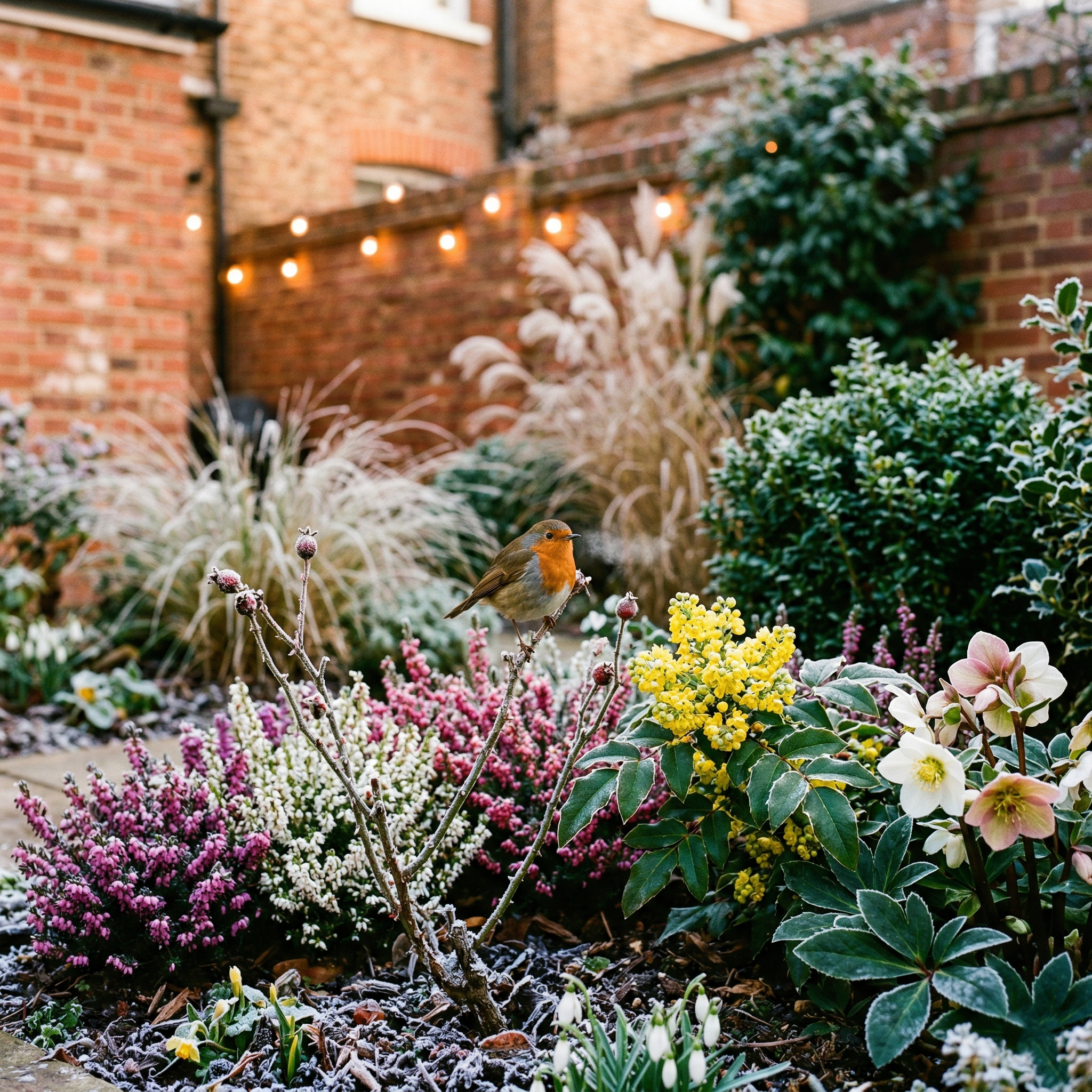
December might look like the end of the show for many garden flowers, but look closer and a quieter, more intricate performance is underway. As Cosmos, Asters, Dahlias and Chrysanthemums fade, London’s microclimates—warm brick walls, sheltered basements and central courtyards—keep Mahonia, Cyclamen, Hellebores and winter Irises going against the odds. Repeat-flowering roses like Ballerina and Mme. Alfred Carriere still surprise with delicate blooms, while rare treasures from around the temperate world reappear if the weather is kind. Frosted seedheads, coloured foliage and steadfast ornamental grasses add sculptural drama, and often-overlooked winter heathers paint whole beds in purple, pink and white. This is a guide to seeing December gardens not as bleak, but as richly textural, global and alive. Return on 10-Dec for the full story!
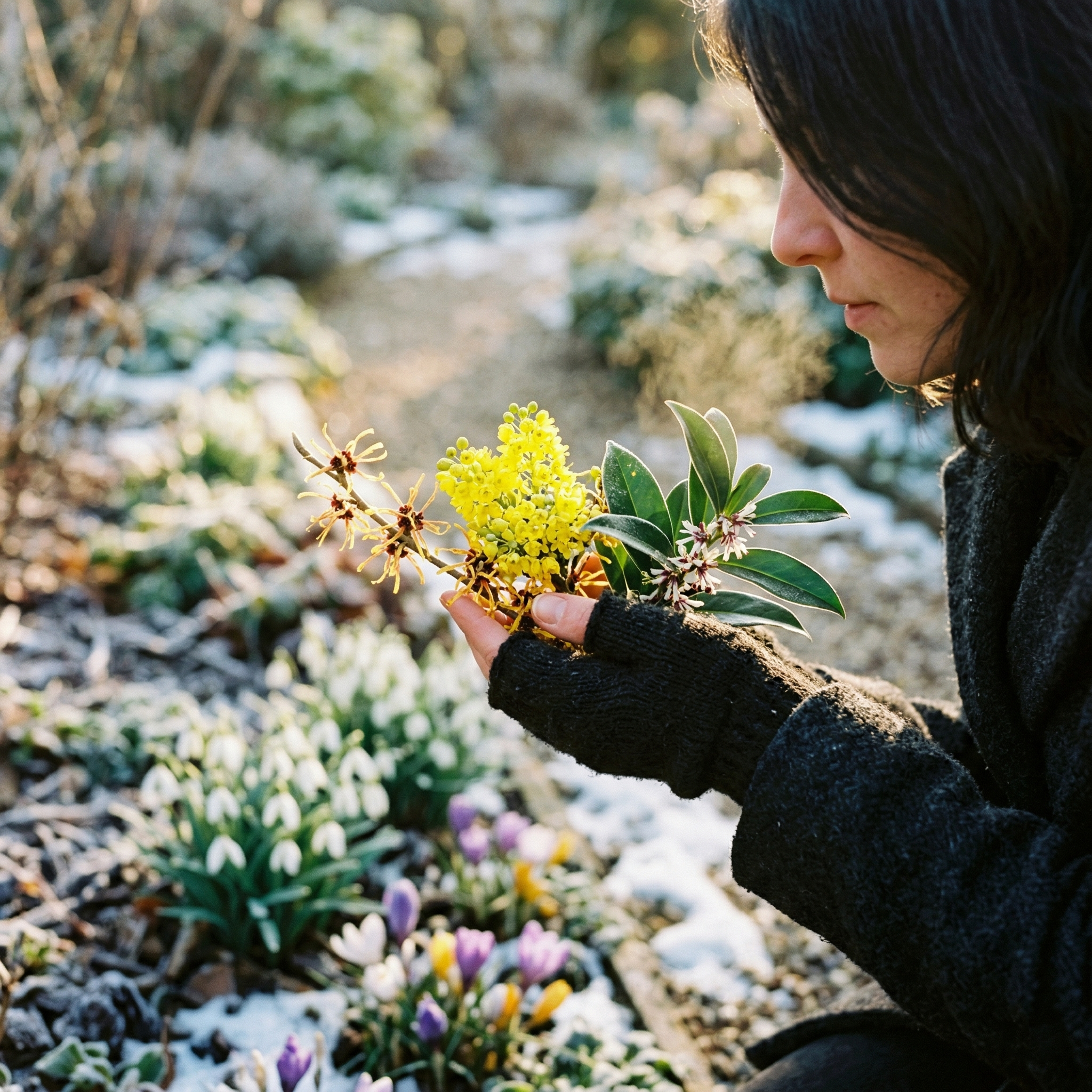
December might seem like the dullest month for fragrance hunters, but look a little closer and an unexpected world of scent emerges. With fungi fading and most summer and autumn blooms gone, it’s easy to think the air has turned silent. Cold weather even mutes the usual stars like gorse, whose pineapple-and-coconut sweetness can be hard to coax out. Yet winter specialists quietly take the stage: mahonias with their orange and lily-of-the-valley notes, honeysuckles and Abelias whispering honey, vanilla, and spice, and the powerful violet scent of wintersweet. Daphnes surprise with everything from heavenly sweetness to downright unpleasantness, while Sarcococca and witch hazels flood paths with perfume from metres away. Even shy wallflowers, Coronilla, and early bulbs reward the curious nose. Return on 11-Dec for the full story!
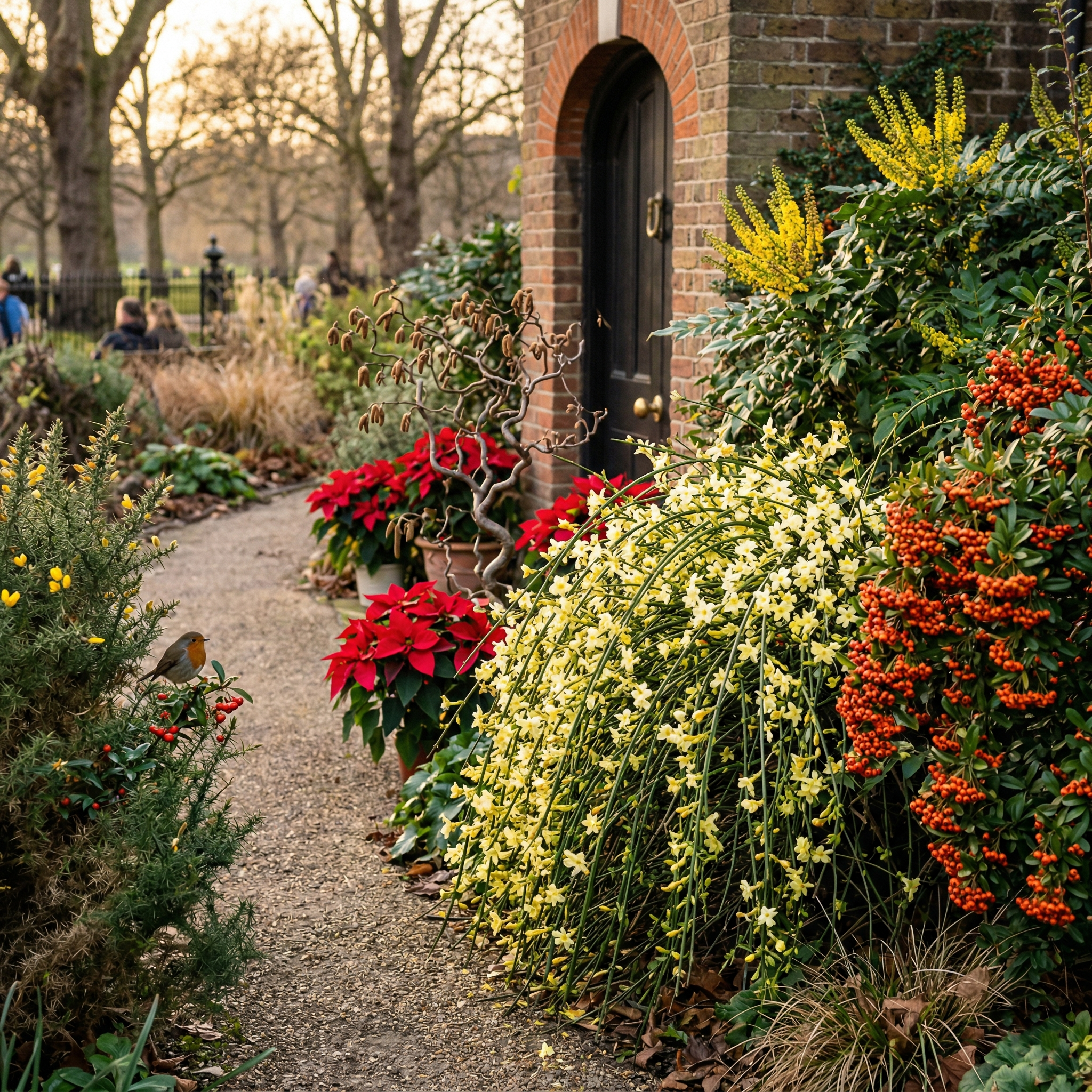
December might look bare at first glance, but a closer look reveals a quiet spectacle of shrubs defying the cold. While summer’s flamboyant flowers have faded and autumn foliage from Berberis and Enkianthus is slipping away, resilient winter performers step into the spotlight. Mahonias, viburnums, and berried Pyracanthas light up grey streets, while roses and Argyranthemums stubbornly keep blooming. Winter jasmine, one of plant hunter Robert Fortune’s finest discoveries, dazzles with pale egg‑yellow stars long before its leaves appear. In coppiced hazel stands, catkins swell and stems surge skyward, while spiny gorse shelters wildlife on frosty days. Rare treasures like Chinese fig hazel, Grevillea, waxflowers, and poinsettias add exotic touches—and unexpected stories of poison, tradition, and Christmas magic. Return on December 12th for the full story!
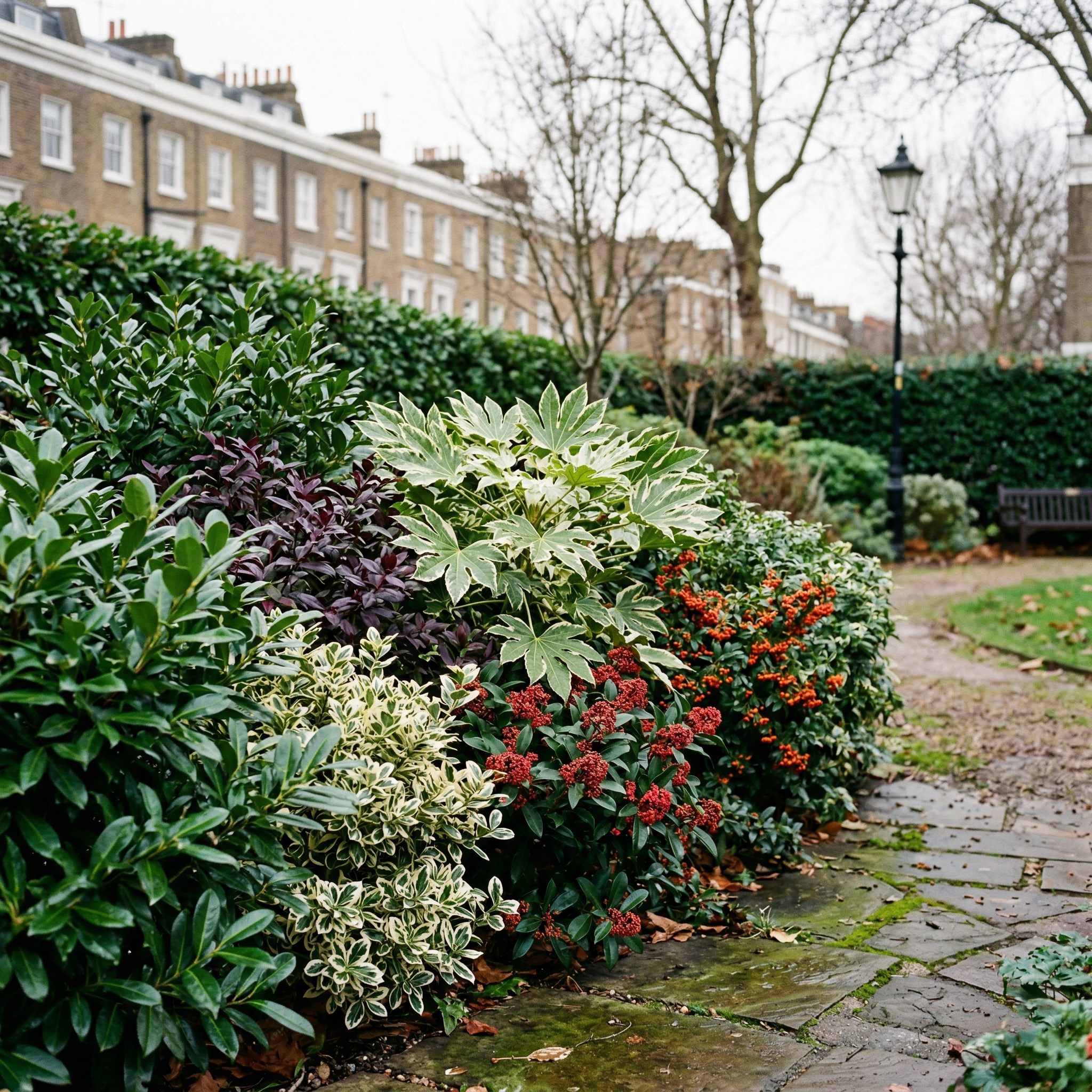
A photorealistic London garden square in mid-winter, enclosed by dense broad-leaved evergreen hedges. In the foreground, a close-up of lush shrubs: glossy cherry laurel, bay laurel, and variegated Euonymus and Fatsia with cream and yellow-edged leaves, contrasted with deep purple Pittosporum. Red berries of Skimmia and Pyracantha add bright accents. Soft, diffuse winter daylight filters through a pale sky, creating gentle highlights on the waxy leaves and subtle shadows on a damp stone path. The overall mood is peaceful and inviting, showing how colorful and alive winter evergreens can be. No text, no borders, clear focus on the shrubs, vibrant natural colors, shallow depth of field.
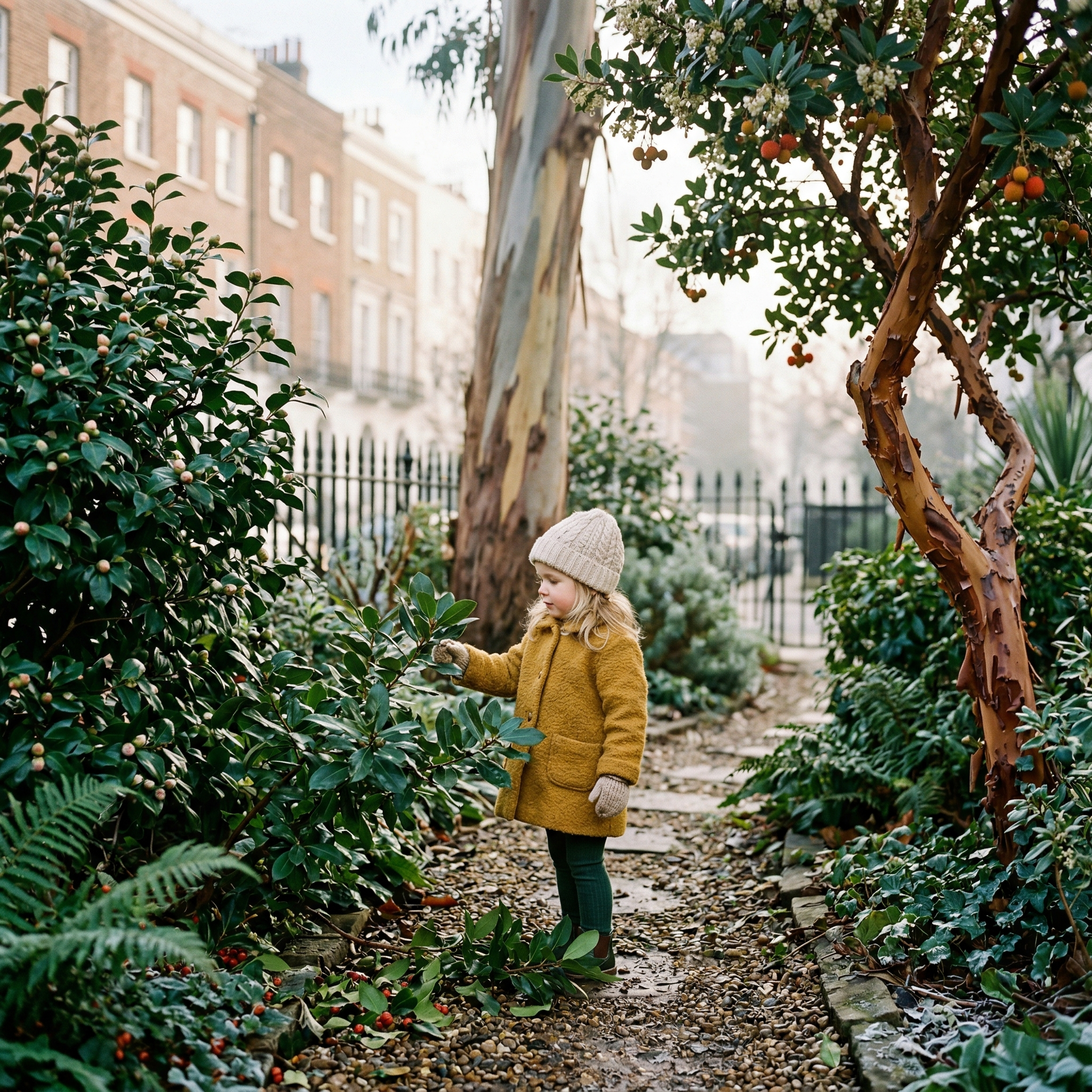
Hidden behind railings and key-only gates, London’s private squares hold a surprising treasure: a living collection of rare broad-leaved evergreens from around the temperate world. Once, British winters were dominated by bare branches and the occasional Scots pine or yew. Now, magnolias, camellias, Mexican orange blossom, mahonias, daphnes and glossy hollies provide year-round colour, shelter and a sense of seclusion for city dwellers. Ancient evergreen oaks with storied histories, towering eucalyptus that hint at a warming climate, and sculptural strawberry trees with cinnamon bark all quietly reshape the capital’s skyline and character. From Fulham Palace to Syon Park, Ruskin Park to Cannizaro, each specimen has a tale to tell about exploration, fashion and survival through winter. Return on 14-Dec for the full story!
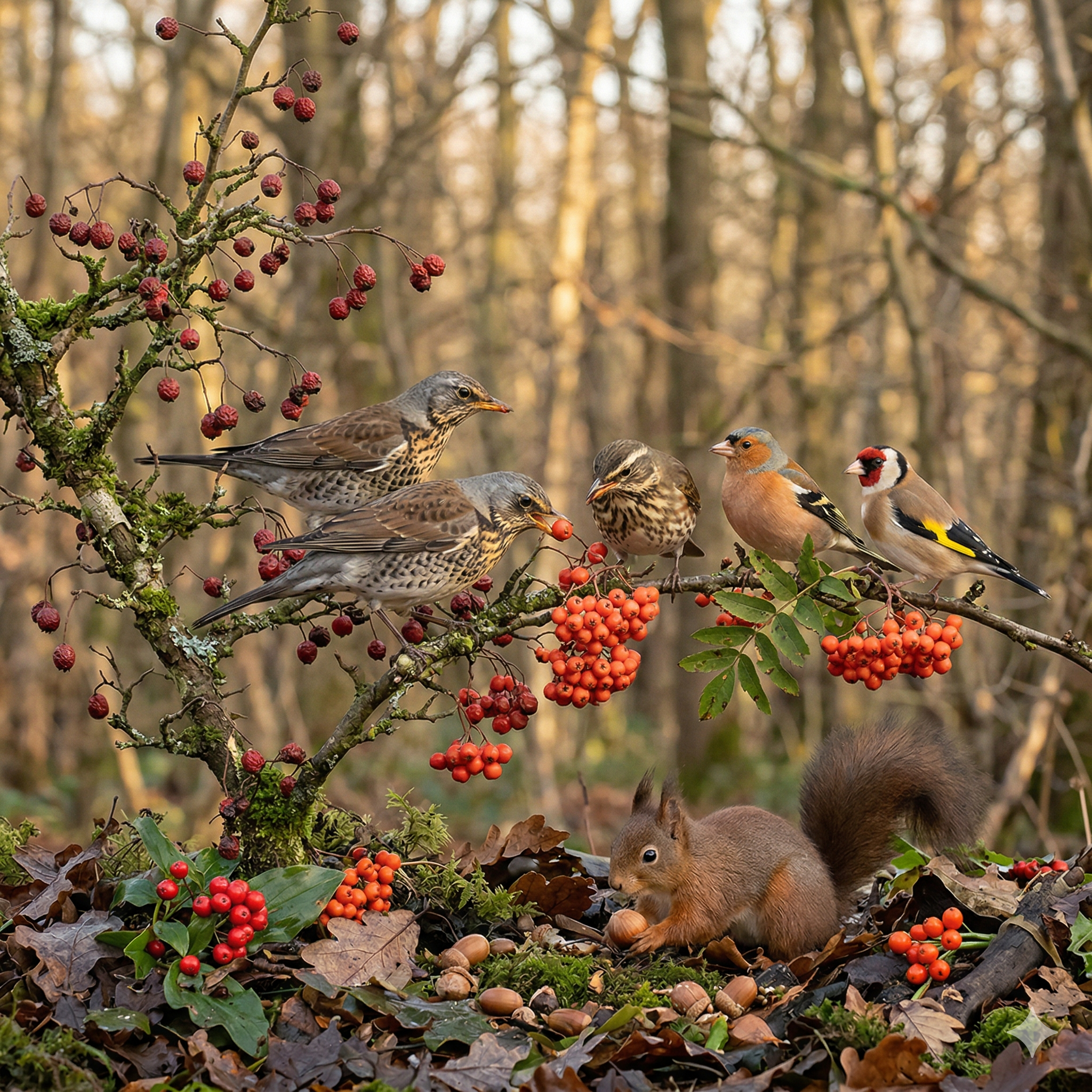
By mid-December, the woods turn into a vast seasonal larder, alive with colour and quiet drama. Hawthorn berries shrivel just as fieldfares and redwings arrive to feast, while waxwings target rowan trees with uncanny precision. Finches, tits and goldfinches each specialise in their own favourite seeds and nuts, from beechmast to hazel and thistles. Jays secretly cache acorns, reshaping forests over centuries, as wild pigs, mice and squirrels pursue their own preferred harvests. Among the bright gladdon lilies and wild arums, ancient woods reveal their age through curious plants like butcher’s broom, bearing a single red berry on a leaf-like stem. Yet, amid this abundance lie hidden dangers: poisonous bryonies, privet and snowberry lurk beside the feast. Return on 15-Dec for the full story!
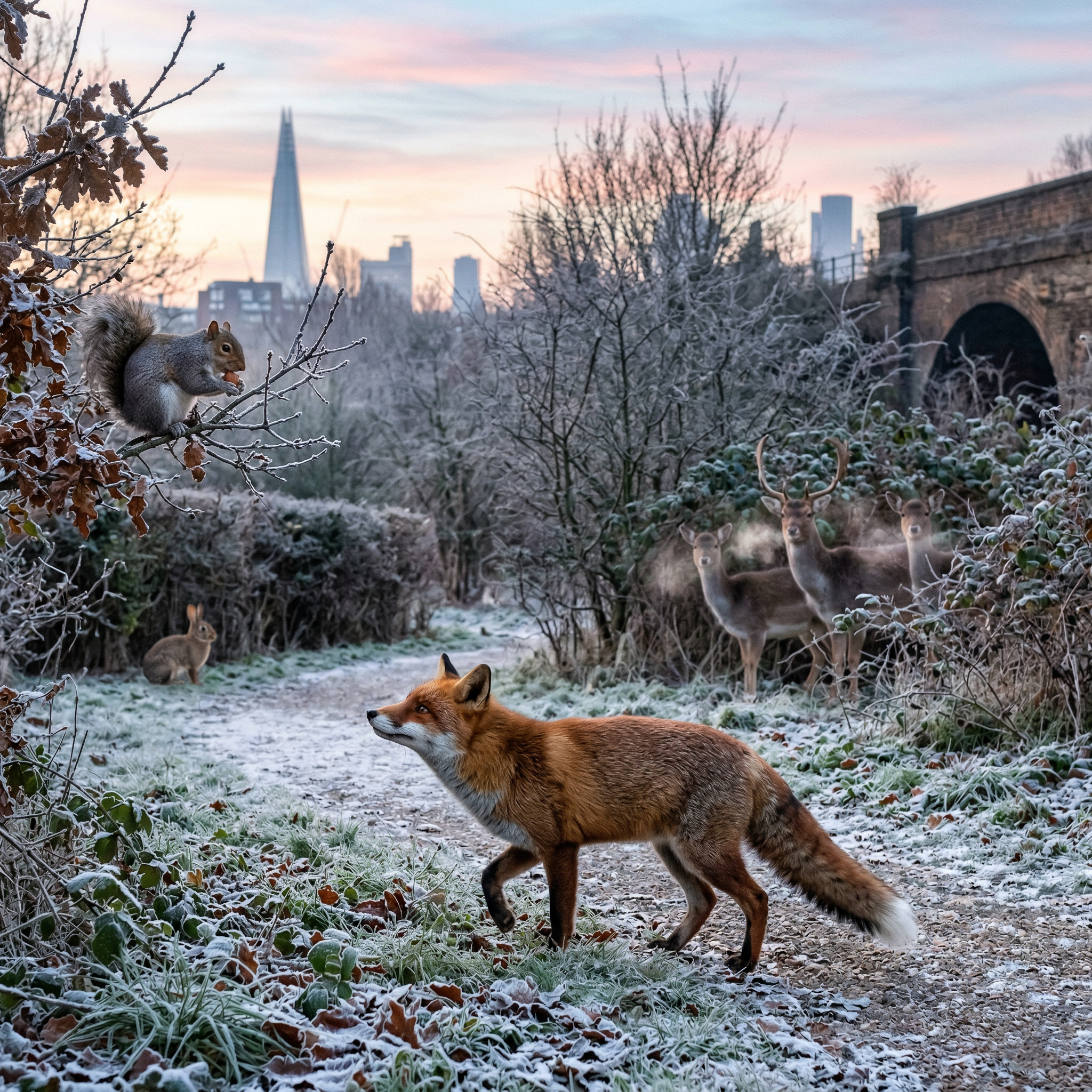
On a cold December walk through London’s parks and outskirts, it’s easy to forget the hidden lives of the mammals around us. Deer retreat into deep cover after the drama of the rut, while foxes prowl frosty fields and city streets, hungry now that frozen ground locks away their earthworm feasts. Badgers slip into their leaf-lined chambers, some flirting with true hibernation, as rabbits and hares remain vividly active against bare fields. High in trees, squirrels guard secret food caches, while stoats, weasels, and sleeping hedgehogs carry on out of sight. Deep underground, moles push up fresh hills through snow, and in shadowy roofs bats hang like upside‑down pears. Even the Thames may briefly host visiting whales and narwhals. Return on 16-Dec for the full story!
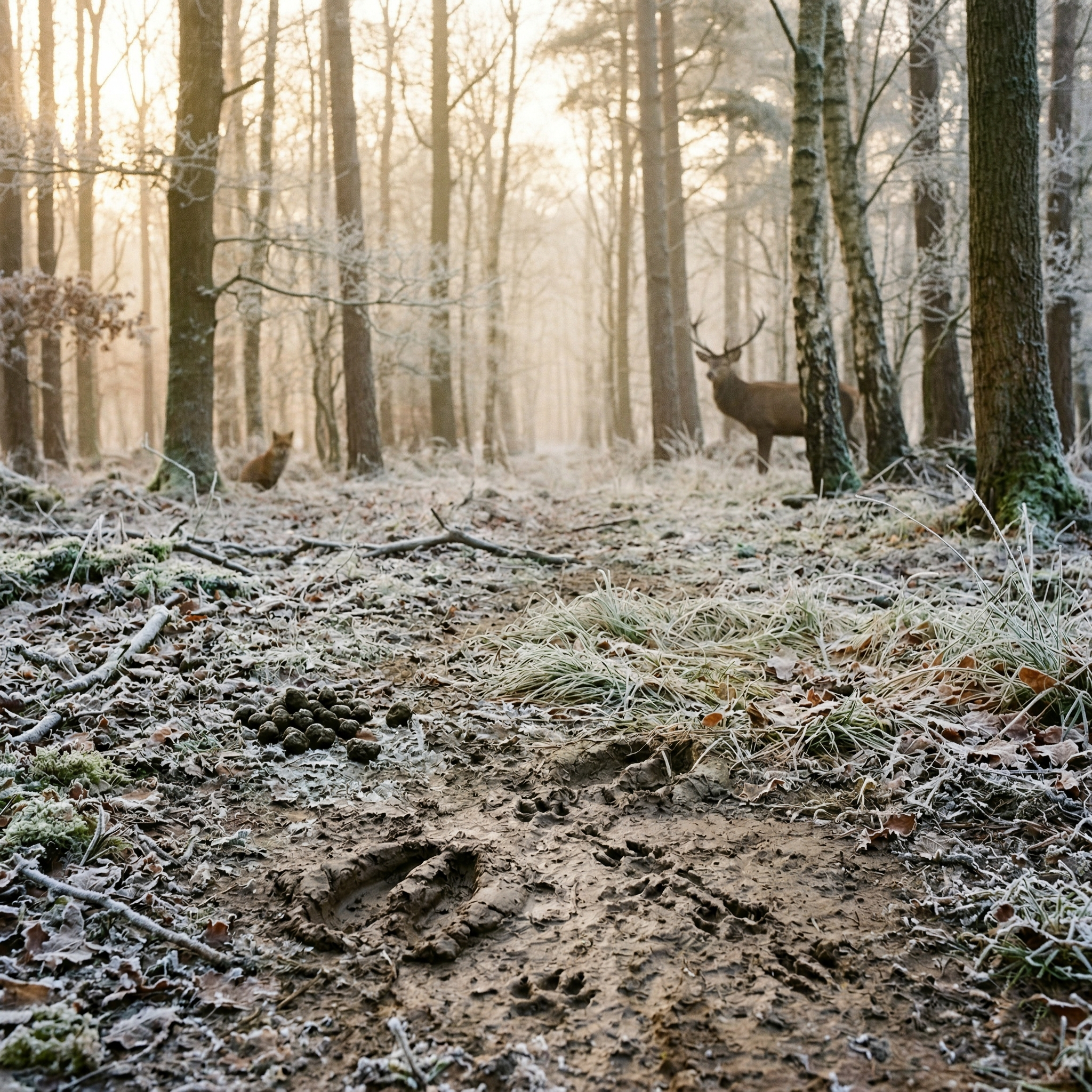
On a quiet December walk, it can feel as if Britain’s mammals have vanished—yet their secret lives are written all around you. Hoof prints of red, fallow, roe, and muntjac deer mark muddy paths and pond edges, each species leaving a uniquely shaped track and distinctive droppings. In wilder corners, elusive badgers, foxes, weasels, stoats, and hedgehogs reveal themselves through worn trails, latrines, tufts of hair, and dragged-prey marks. Even rabbits and rats leave unmistakable feeding signs, burrow entrances, and scat. From stripped bark and grazed tussocks to flattened grass beds and webbed Chinese water deer prints, every sign tells a story about who passed by, when, and what they were doing. Learn to read these winter mysteries and transform every walk into a wildlife detective adventure. Return on 17-Dec for the full story!
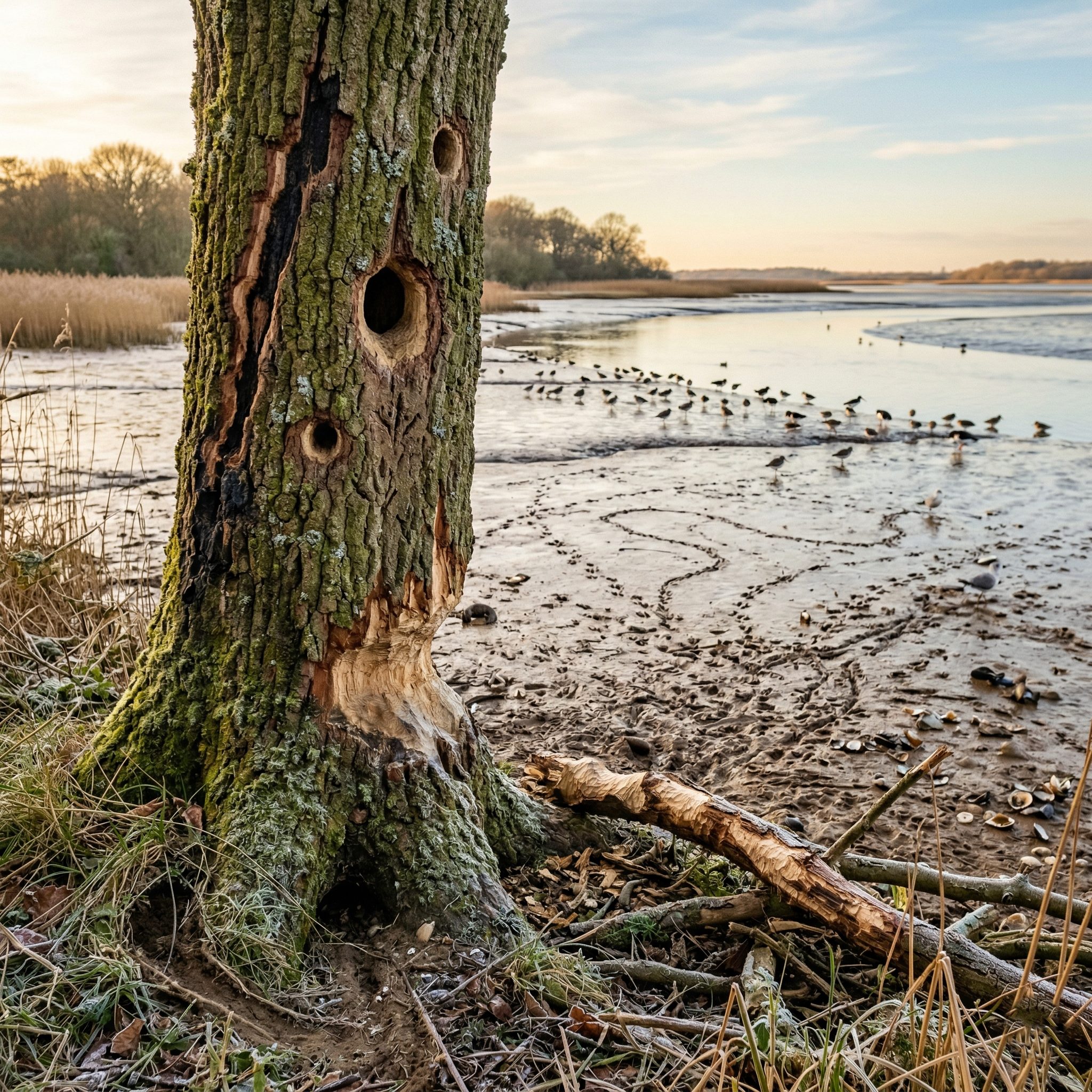
As frost grips the landscape and brambles die back, the countryside quietly reveals the stories written in bark, holes, and mud. Gnawed twigs show where mice, rabbits, and deer have fed; long slashes down tree trunks tell of lightning strikes that blew the bark away in an instant. High and low, hollow trees host squirrels, owls, woodpeckers, jackdaws, and nuthatches that plaster and reshape their doorways. At ground level, burrows betray foxes, badgers, voles, and even solitary bees and wasps. Down by river and estuary, broken shells, webbed prints, and delicate beak marks on the mudflats map the movements of gulls, curlew, oystercatchers, redshanks, and tiny ringed plovers. Return on 18‑Dec for the full story!
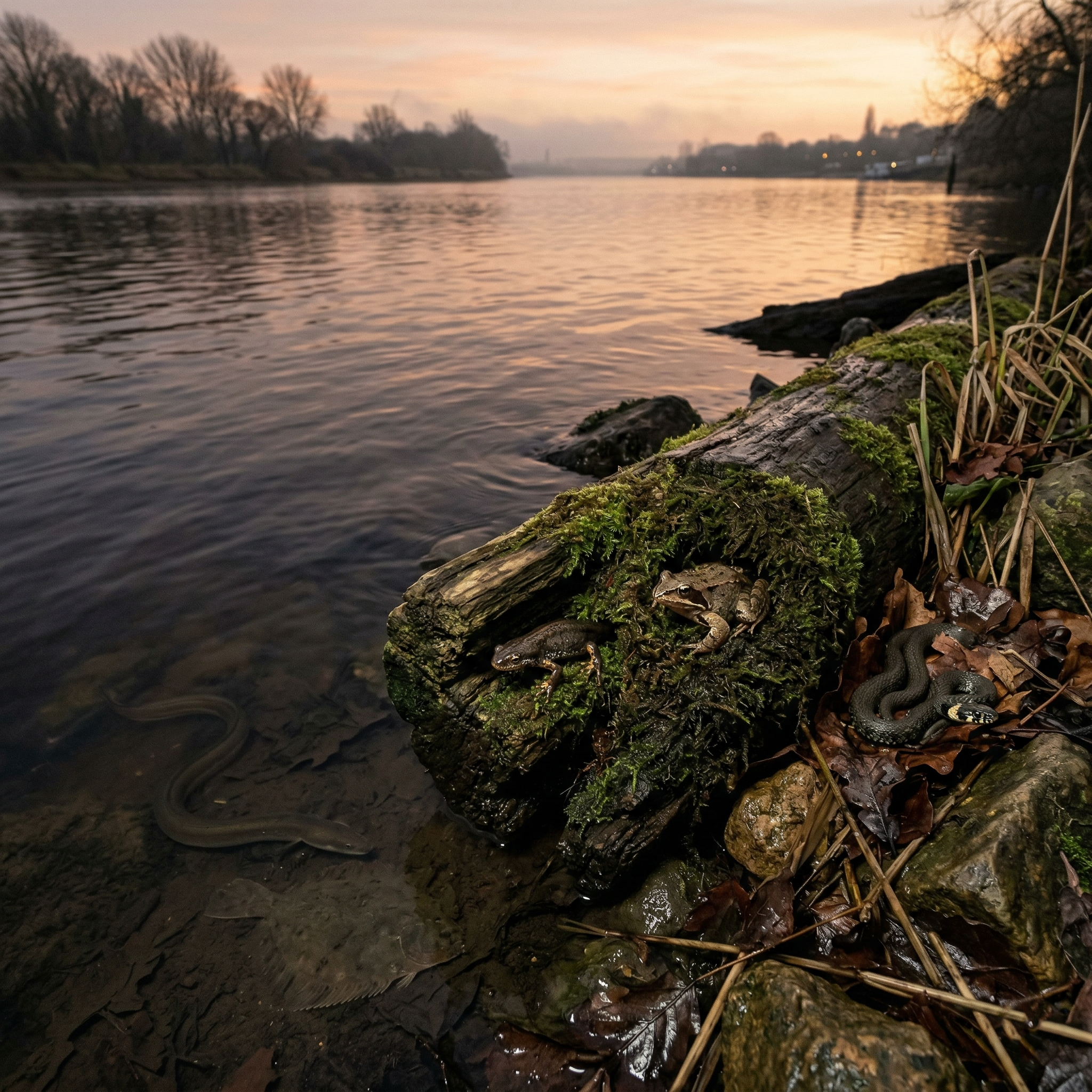
On a cold December 19th, London’s reptiles, amphibians and fish seem invisible, yet they’re still very much present—and vulnerable. Adders curl beneath moss and heather along southern heaths, while grass snakes tuck into warm compost heaps near the Wey–Thames confluence. Slow worms vanish into soft, rotten wood around Leatherhead and Wood Green, and toads choose dry wall holes or muddy ditches from Weybridge to Epping Forest. Frogs hide in mossy crevices, and three newt species quietly overwinter in log piles and under stones across Lea, Colne and Roding valleys. Beneath the dark Thames surface, eels, flounders, codling, bass and more shift through estuary and river, moving with the season. Discover where they lie low—and how not to disturb them. Return on 19-Dec for the full story!