

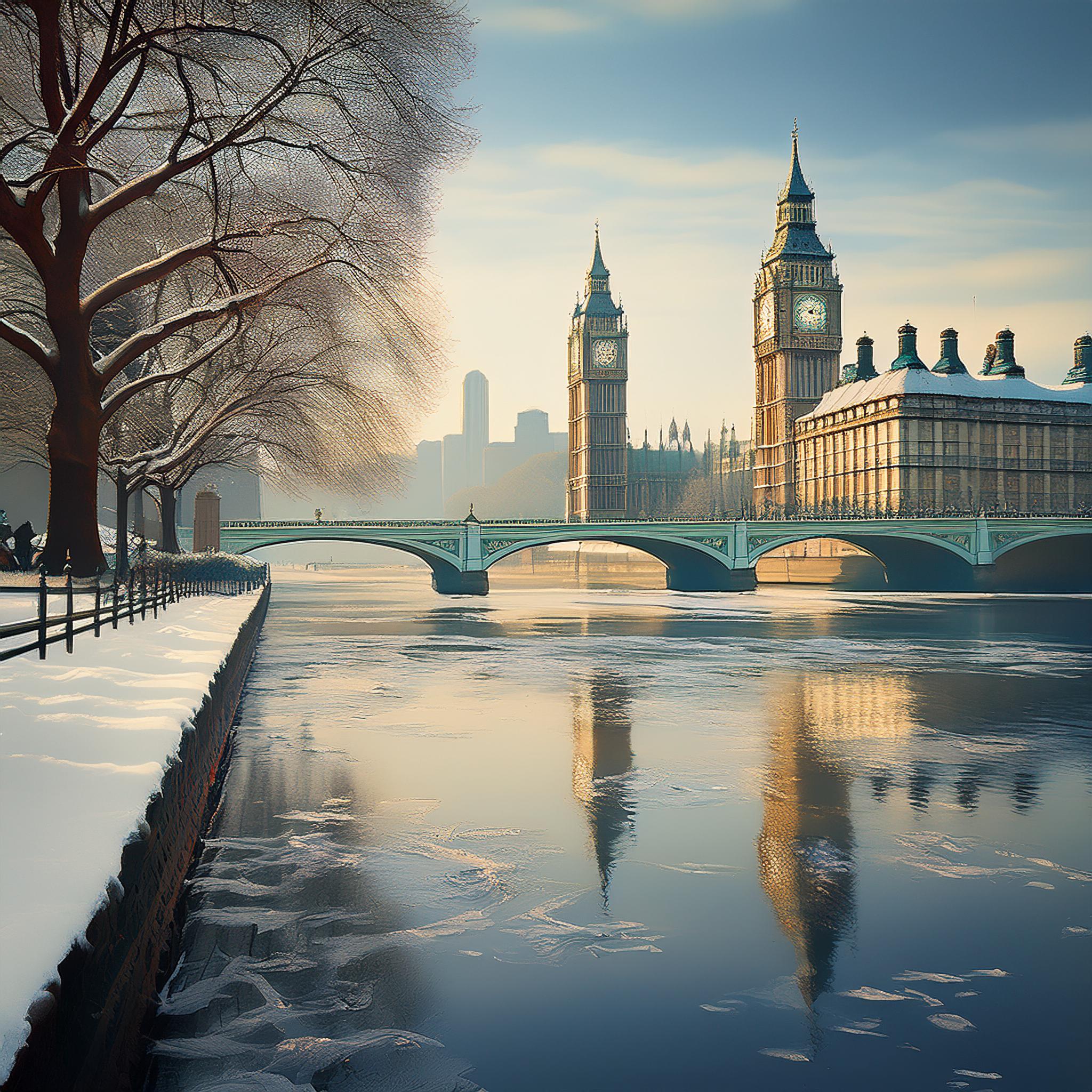
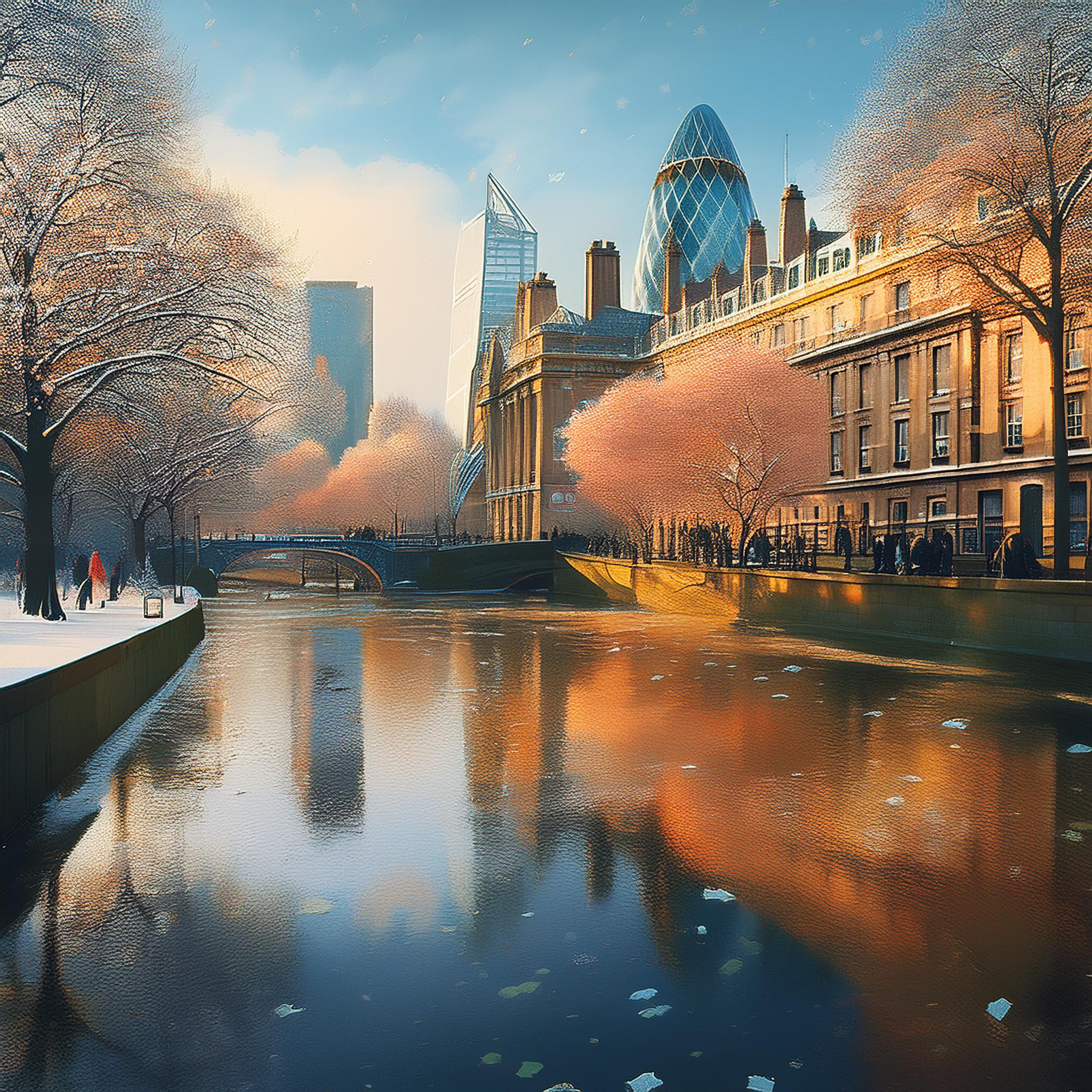
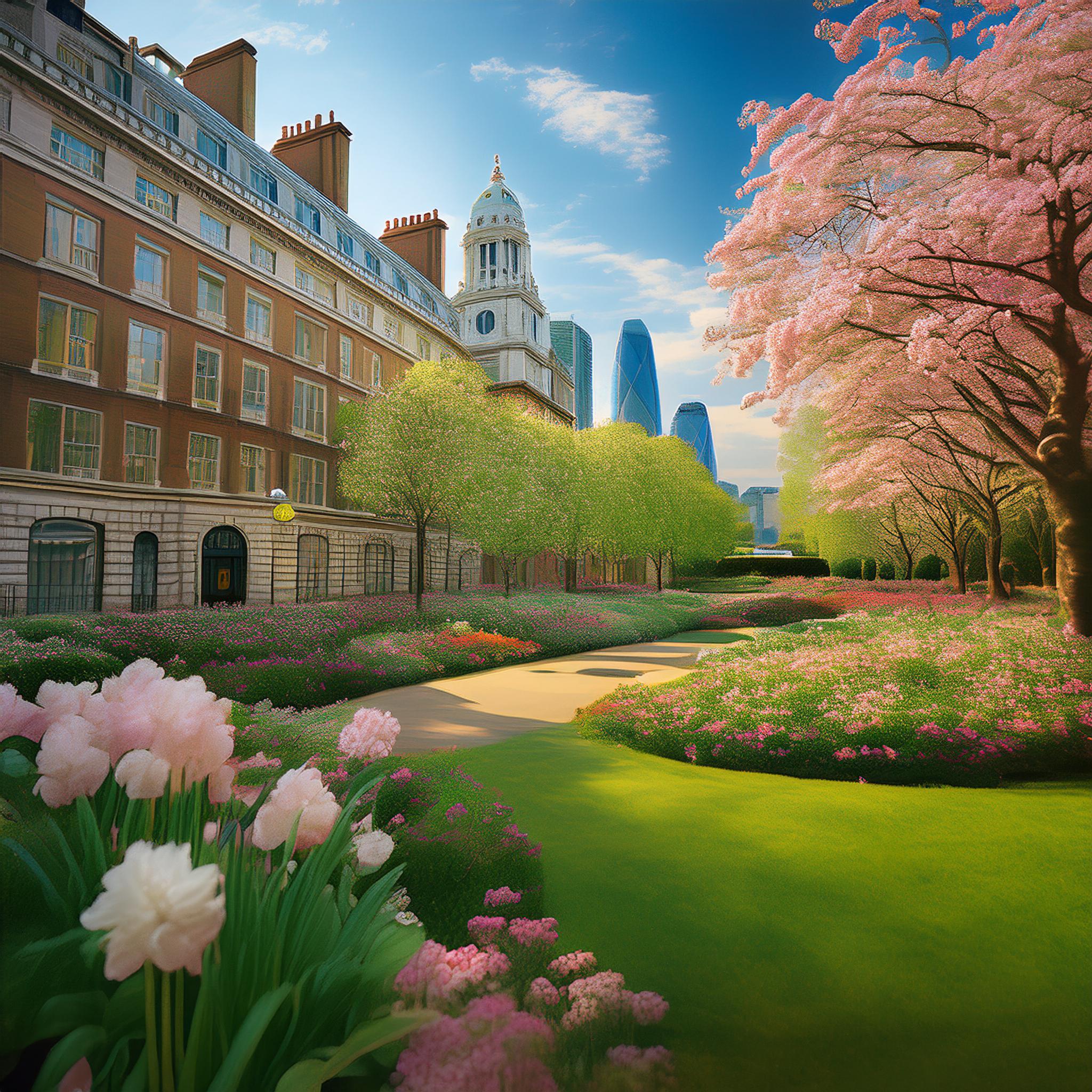
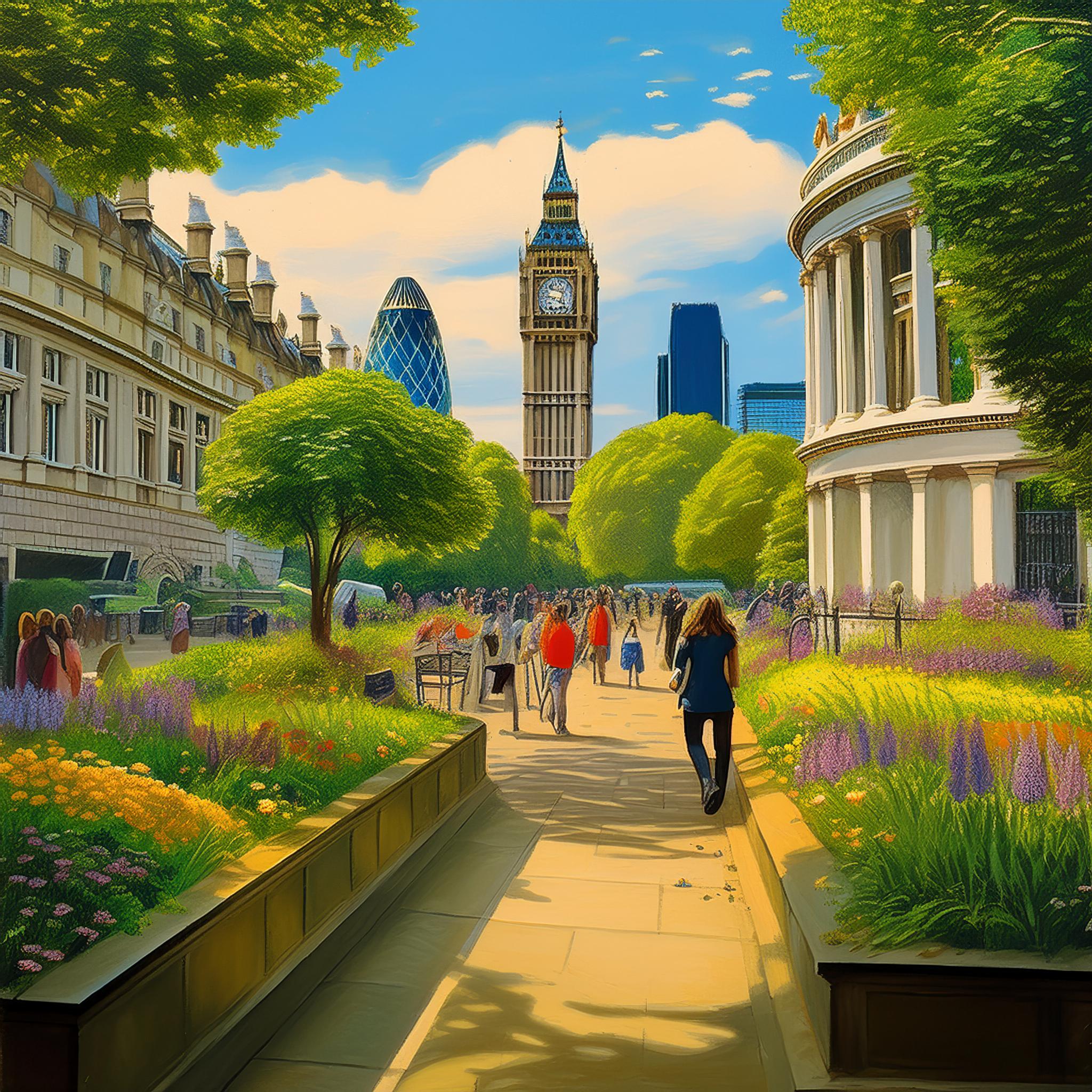
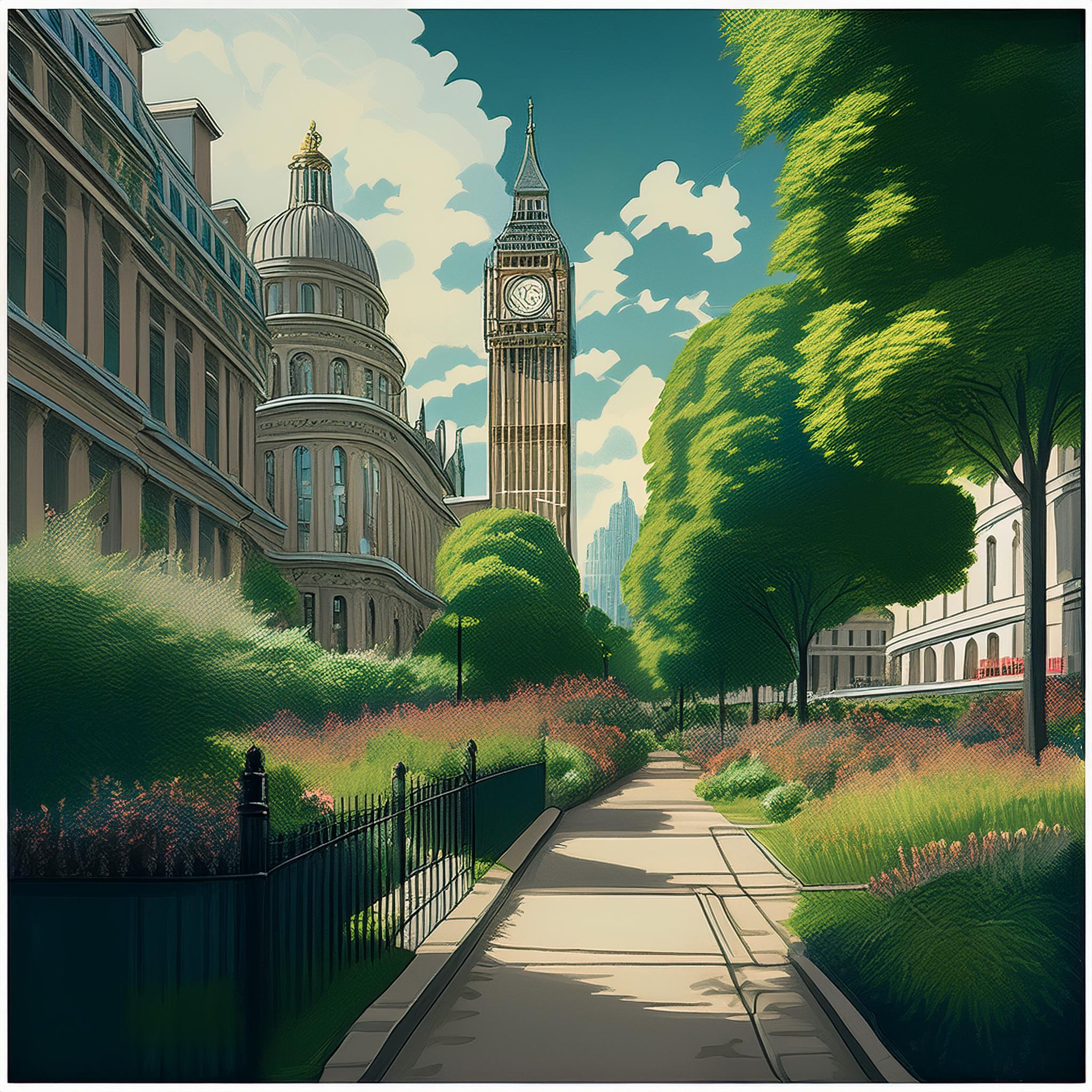
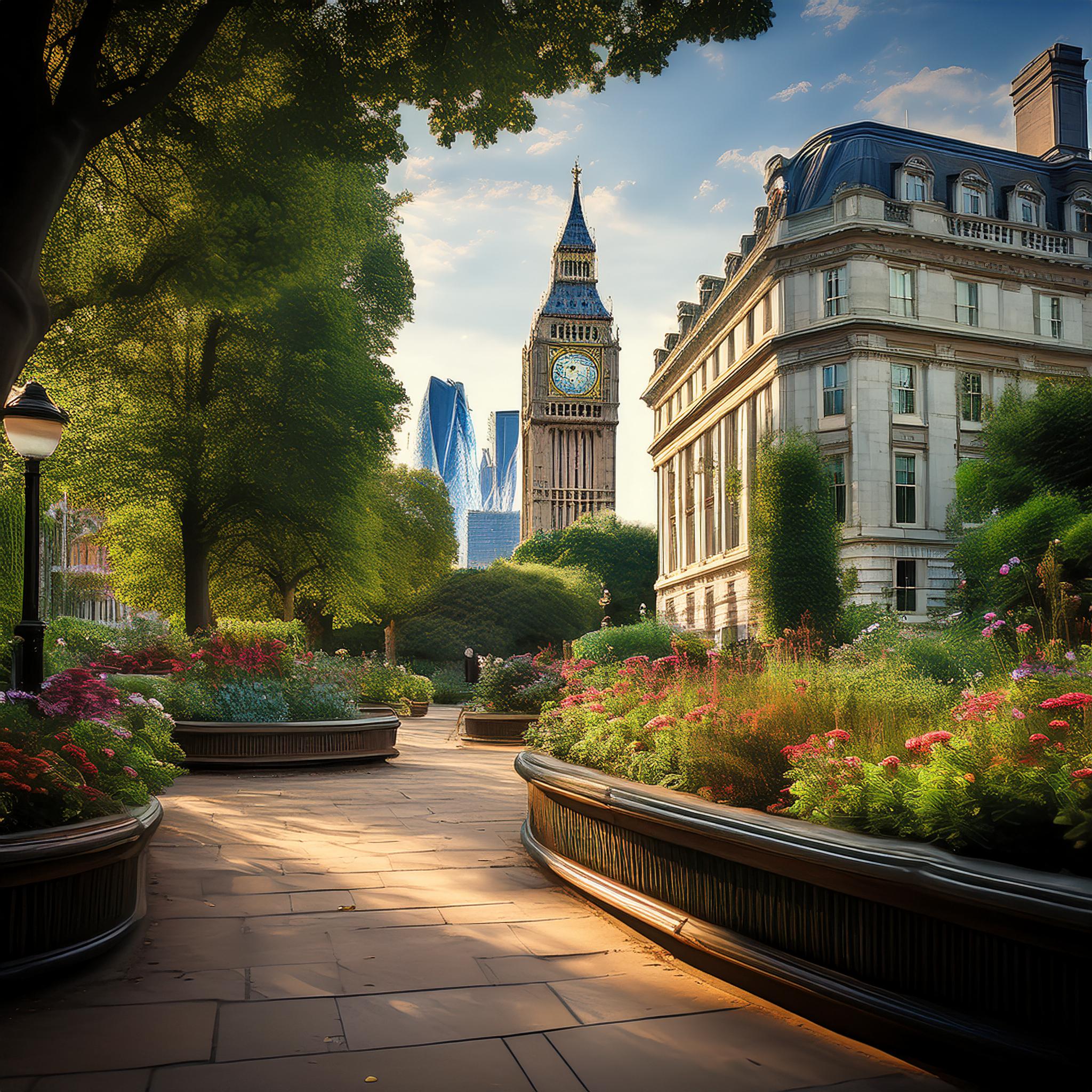
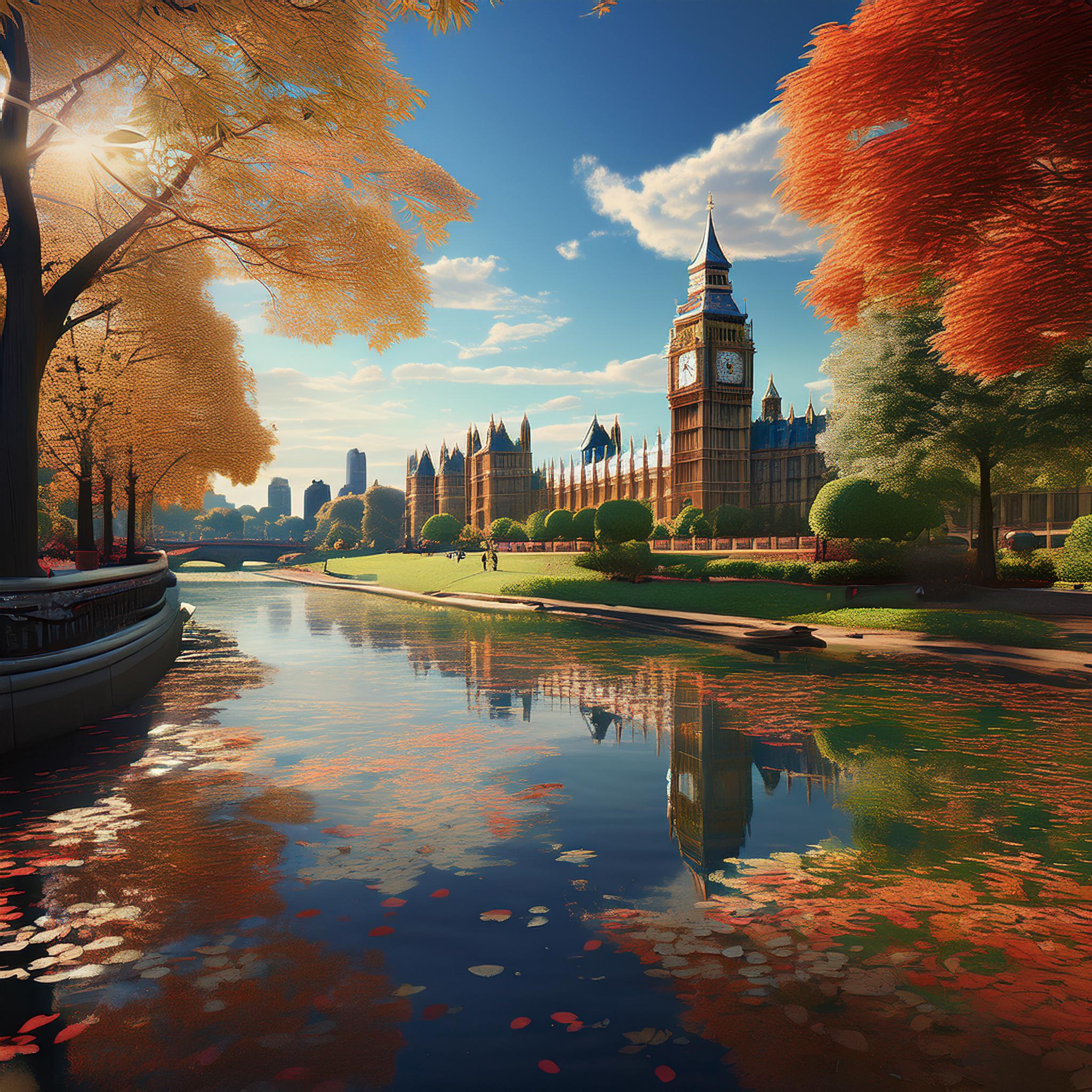

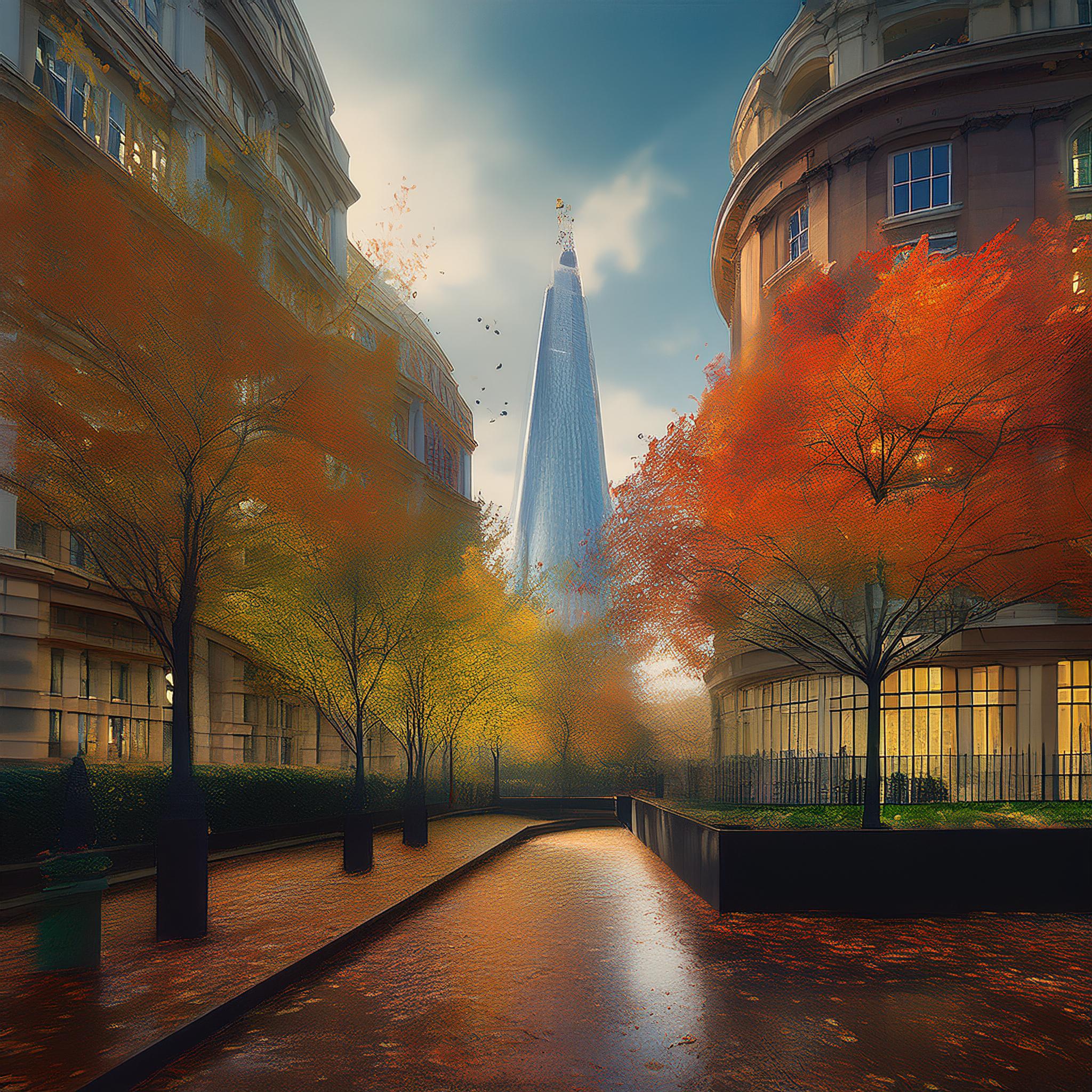
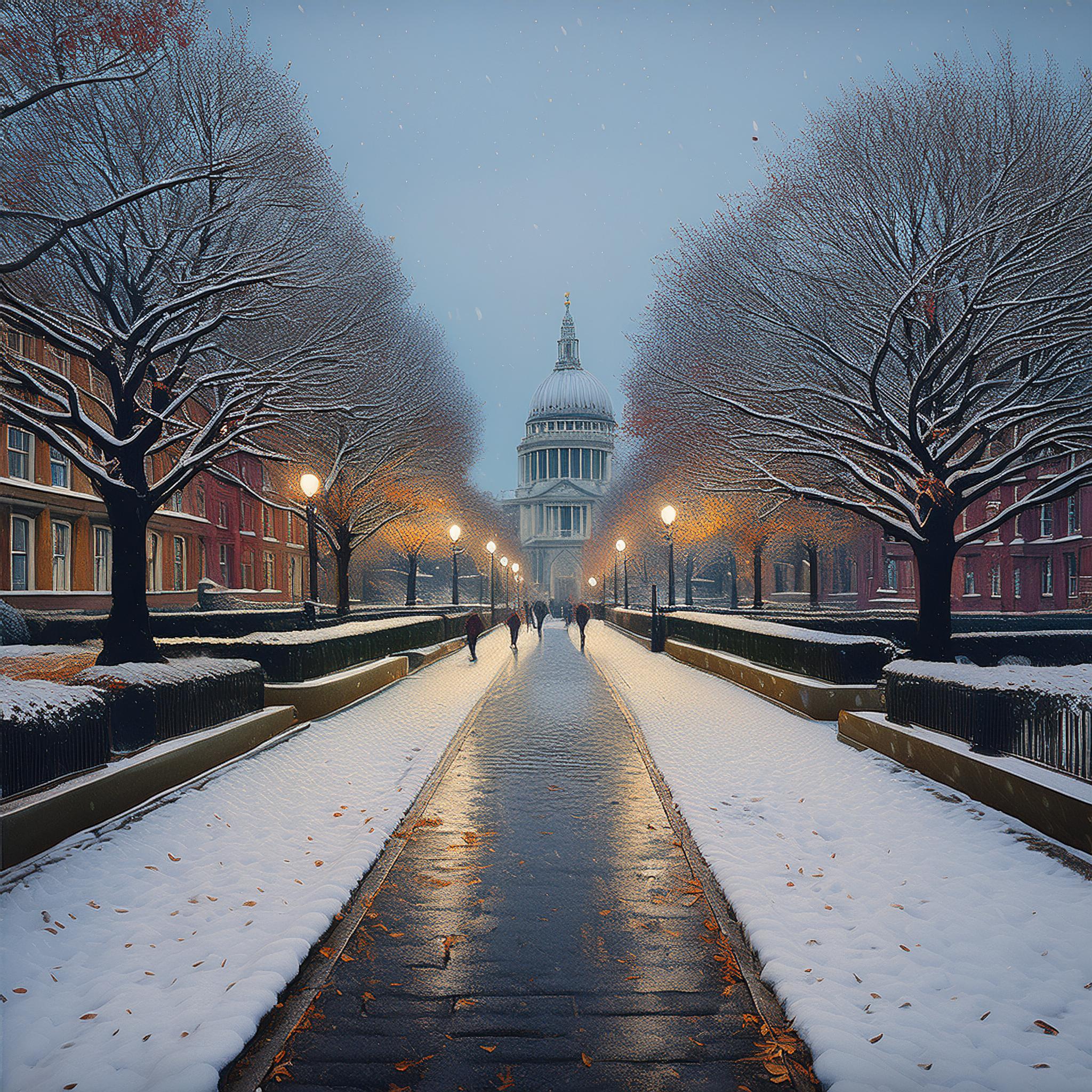
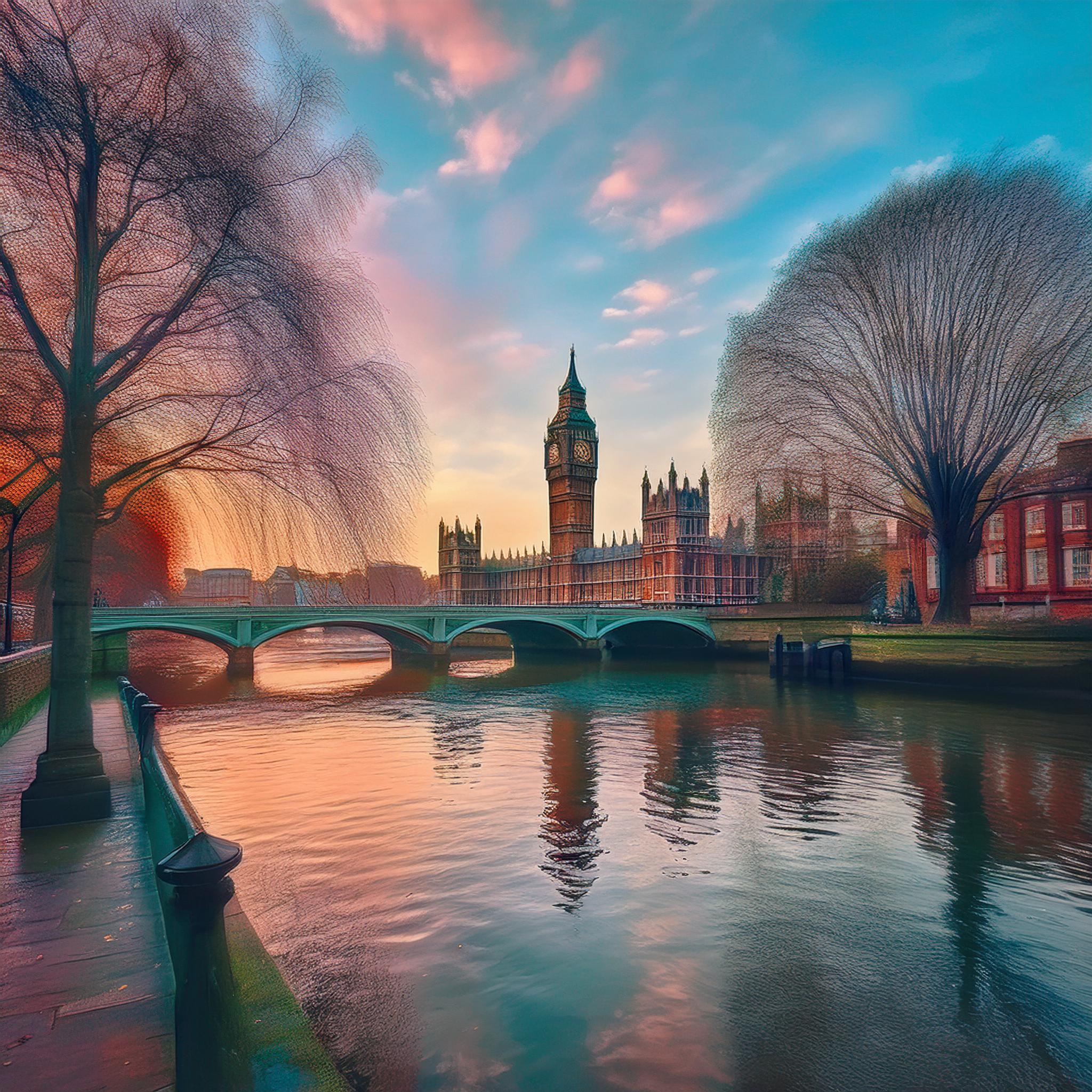
November slips in with damp hush and wind, ending autumn as winter first knocks. Leaden skies brood, yet dawns and dusks flare with last embers of color. Gales strip cherries and ash bare overnight, revealing stark vistas; the first frost turns unseen multitudes of insects to crystal, while Londoners notice only drooping pots. Underfoot, leaves crunch and rustle; in the canopy, the wind sings while crows and gulls fall quiet. Wildfowl gather; owls and foxes voice the night; by month’s end, gardens find their song again. Scents bloom in the hush: sweet, wet decay, clean earth, woodsmoke, bruised greens—mugwort, pineappleweed, herb Robert’s mousey note—offset by ivy’s tang and the surprising fruity breath of salvias, with viburnum and mahonia close behind. Step outside and follow your senses.
Return on 01-Nov for the full story!
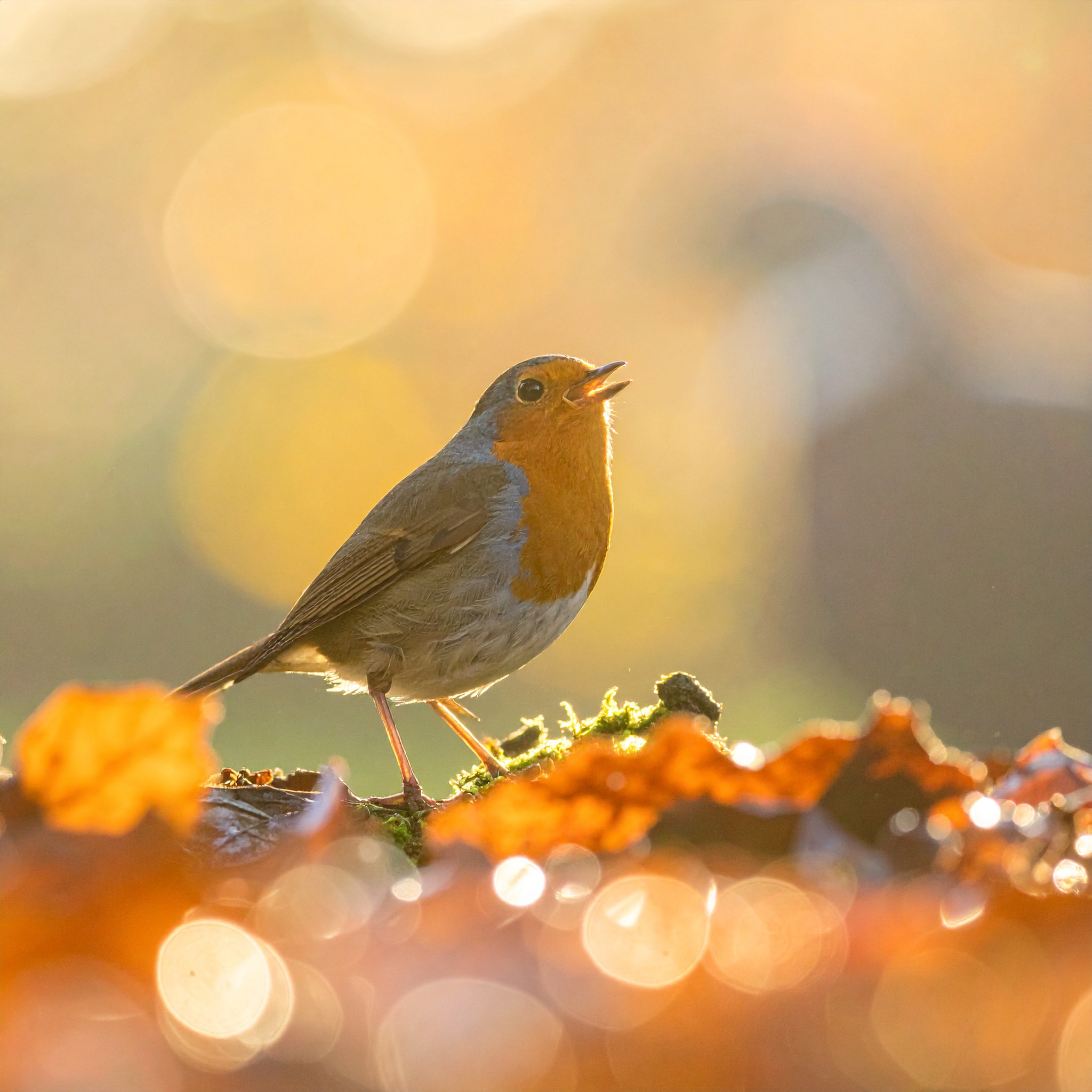
November hush doesn’t mean silence. Across London’s gardens and parks, delicate calls stitch the still air: robins, song thrushes, wrens, hedge sparrows, tits, and pinking blackbirds keep up a steady chorus all month. Early November may gift you greenfinches, chaffinches, and pied wagtails; nuthatches take a late-month bow. Tune your ear to coos: wood pigeons (three-note phrases, second higher) versus stock doves (two notes, second falling). In woods, listen for the green woodpecker’s staccato and, rarer now, a lesser spotted drum; seek the whispery, sliding notes of the treecreeper. Over open grass, catch pheasants, skylarks, and fleeting linnets; along Thames marshes, resident blackcaps and Cetti’s warblers linger, with reed or corn buntings at Rainham. A quieter season—rich in small revelations.
Return on 02-Nov for the full story!
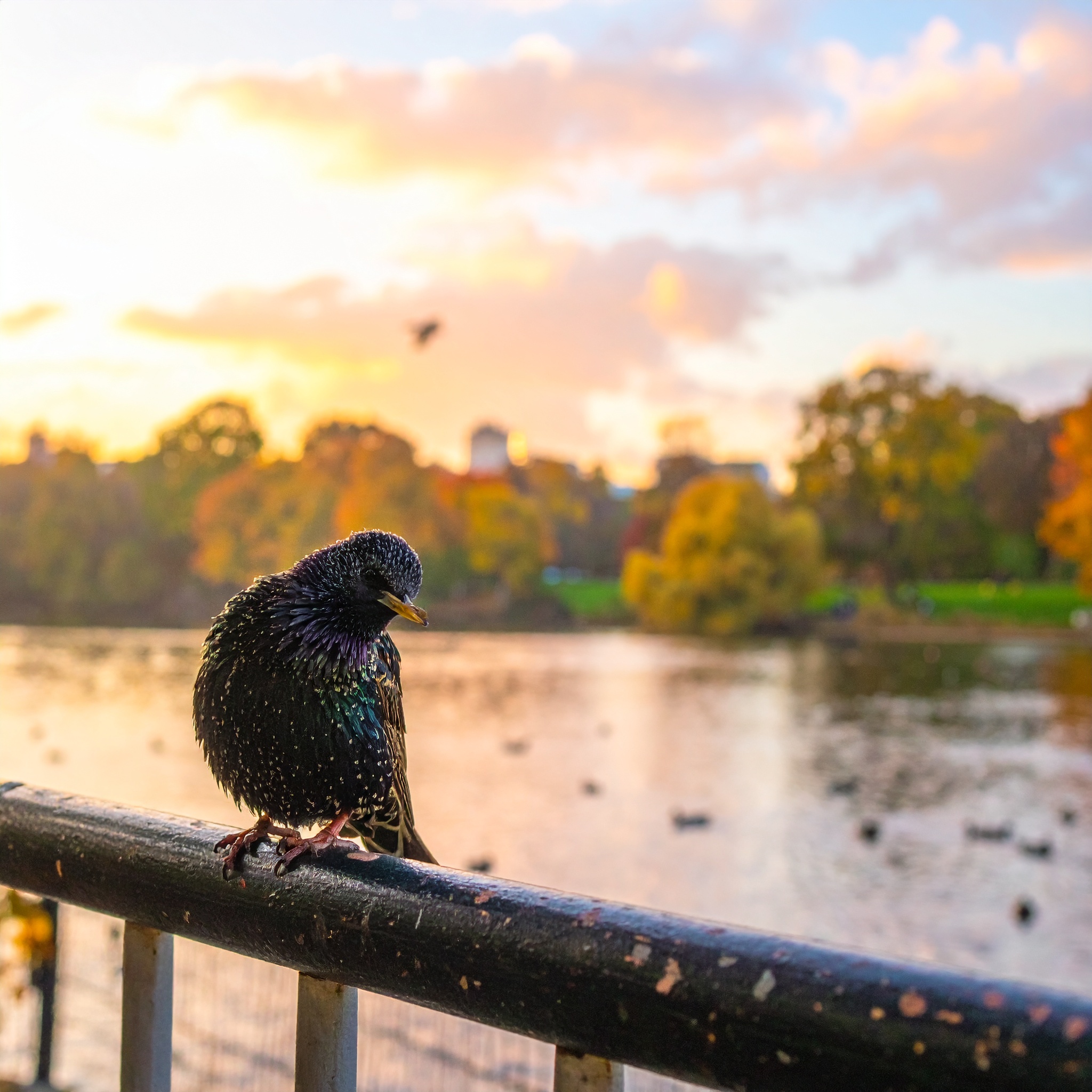
November in London belongs to flocks. Look up to see crows swirling around high‑rises, silent gulls mustering over commons, and arrow-straight skeins of geese cutting the chill air. Along the Thames and across city reservoirs, gatherings grow as migrants still arrive and depart, and feathers gleam fresh after autumn moults—starlings especially seem cleaner, brighter. Amid mallards, wigeon, teal and tufted ducks, watch for surprise rarities pausing briefly, while woodpigeons and dunlin pass in thousands and lapwings rise in vast, hushed waves at Rainham. From Walthamstow to Wraysbury and King George VI, numbers swell for food and safety, many eyes scanning the sky for raptors. It wasn’t so long ago that owls and smew were sold at Leadenhall Market—today, we simply marvel.
Return on 03-Nov for the full story!
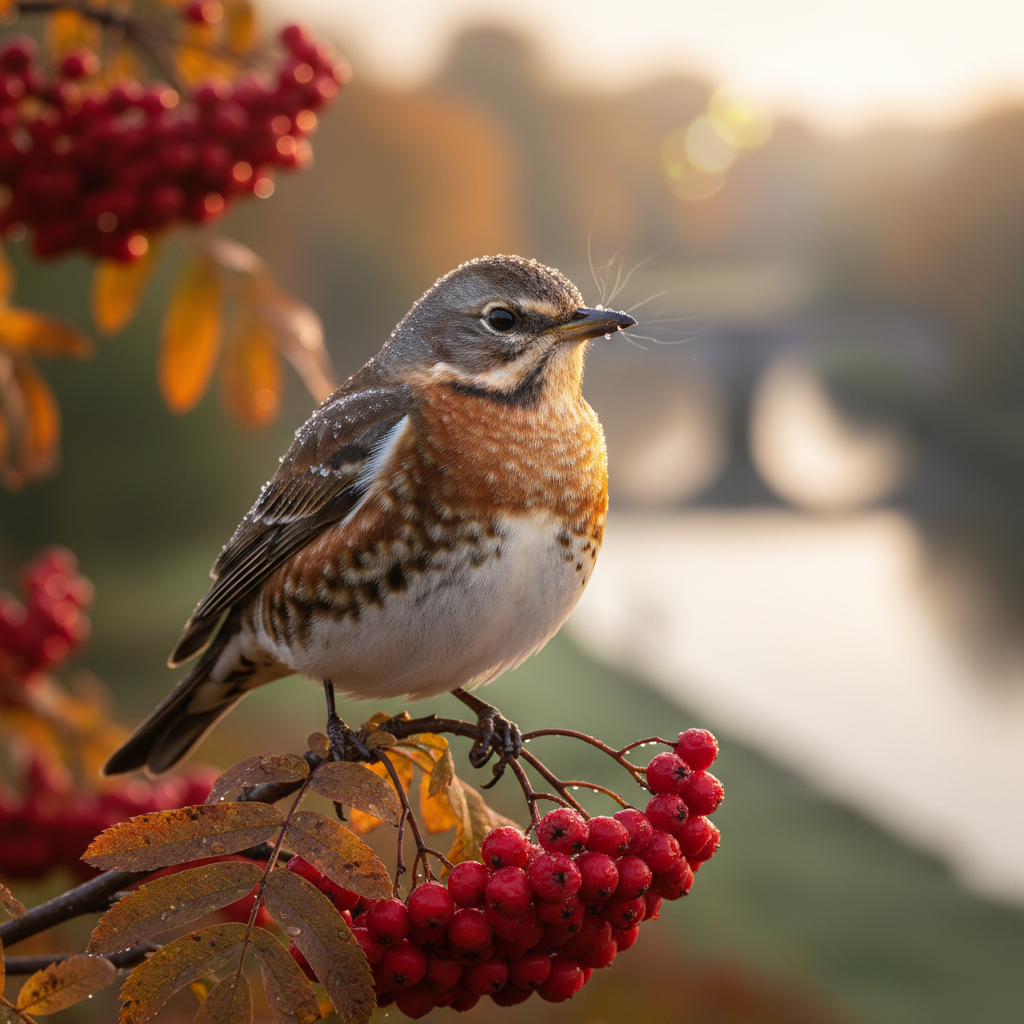
London’s skies are alive with the great autumn passage reaching its crescendo. Vast clouds of winter thrushes—redwings and fieldfares—sweep in from Scandinavia and Iceland, while blackbirds, bramblings and chaffinches pour south, some hardy bachelors lingering behind. Over the Thames and in parks, wigeon and goldeneye settle, short-eared owls quarter dusk meadows, and a rare velvet scoter, toughened by Arctic seas, dives with ease. Mixed flocks may have paused on Baltic lagoons, Danube marshes or Danish fjords before touching down here. Some migrants come only a short distance from Scotland or northern England, while Bewick’s swans occasionally slip past on their way to famous winter haunts. November in London is migration writ large—and intimate; keen watchers will be rewarded. Return on 04-Nov for the full story!
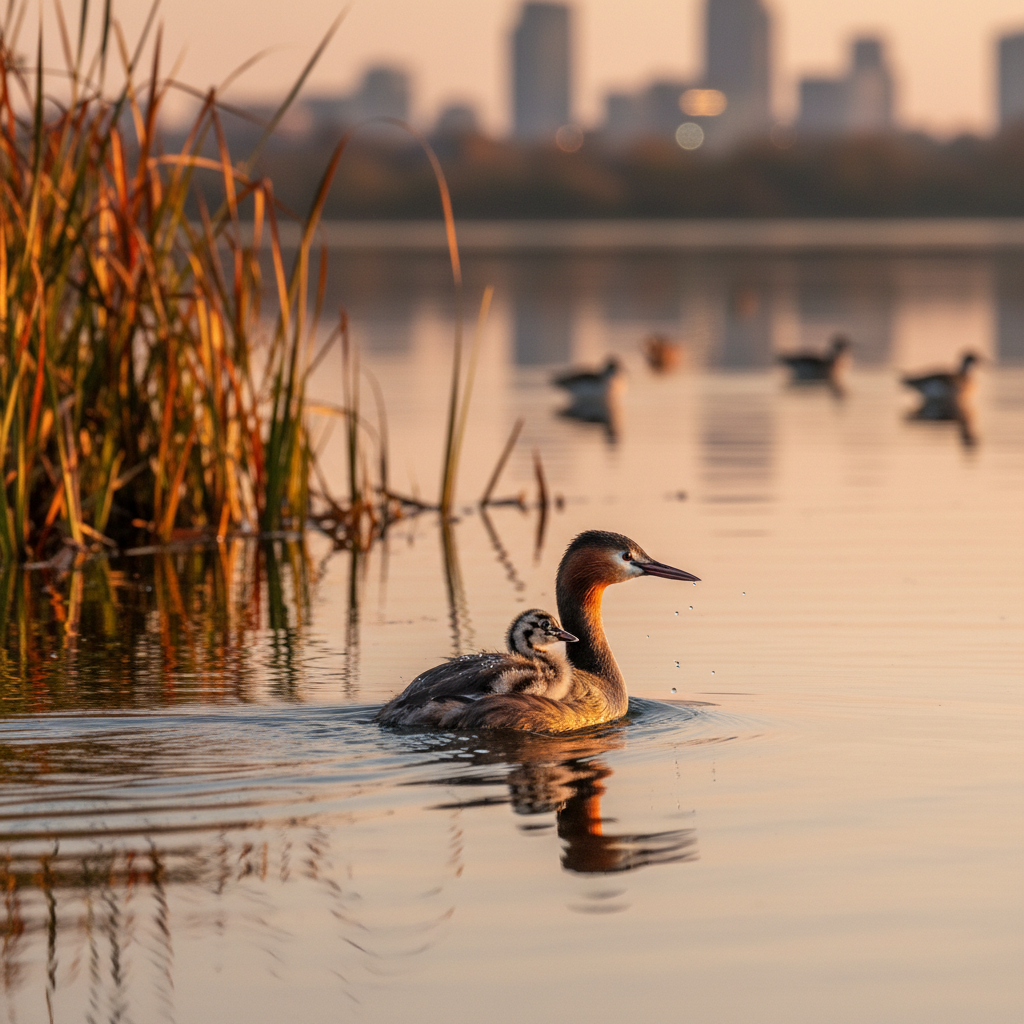
November in London's wetlands is a spectacle of wings. Reservoirs swell with mallard, tufted duck, pochard, wigeon and clouds of teal at Rainham, while gadwall and shoveller favour Walthamstow. Scan a little longer for shelduck, goldeneye, pintail or smew, and the odd rarity like eider, garganey, ferruginous duck, or a red-breasted merganser. Grebe fans can admire sleek Great Crested birds and hope for shy little grebes, or even Red-necked, Black-necked and Slavonian visitors. Geese parade through Hyde Park and Kensington Gardens, with Egyptian geese popping up on city ponds. Down the estuary, watch for Brent or Barnacle geese, flocks of lapwing, golden plover, redshank and dunlin, plus elegant egrets. Catch a wisp of snipe lifting in zigzags, or a distant arctic skua over gray waves. Return on 05-Nov for the full story!

Early November still dazzles, even as colour slips away. Fiery reds from sweetgums and rowans ignite streets, while beech woods in Epping Forest and along the North Downs glow in strong sunlight. Stormy Atlantic gusts can strip big‑leaved horse chestnuts, sumacs and paulownias overnight, yet whitebeams flash pale undersides and cherries, if the wind relents, blush with translucent rose. Seek Cotinus obovatus near Kew’s Victoria Gate, a spotlight‑stealing marvel. Mid‑month, as reds fade, claret ash and smoke trees deepen gardens; dawn redwoods and swamp cypresses rise like mountains of rust. Watch planes shed cascades, magnolias reveal plump buds, and hunt rare elms around Battersea Park. Oaks drift toward washed ochres, ginkgos carpet paths egg‑yolk yellow, and Parrotia persica dazzles in mercurial mosaics. Return on 06‑Nov for the full story!
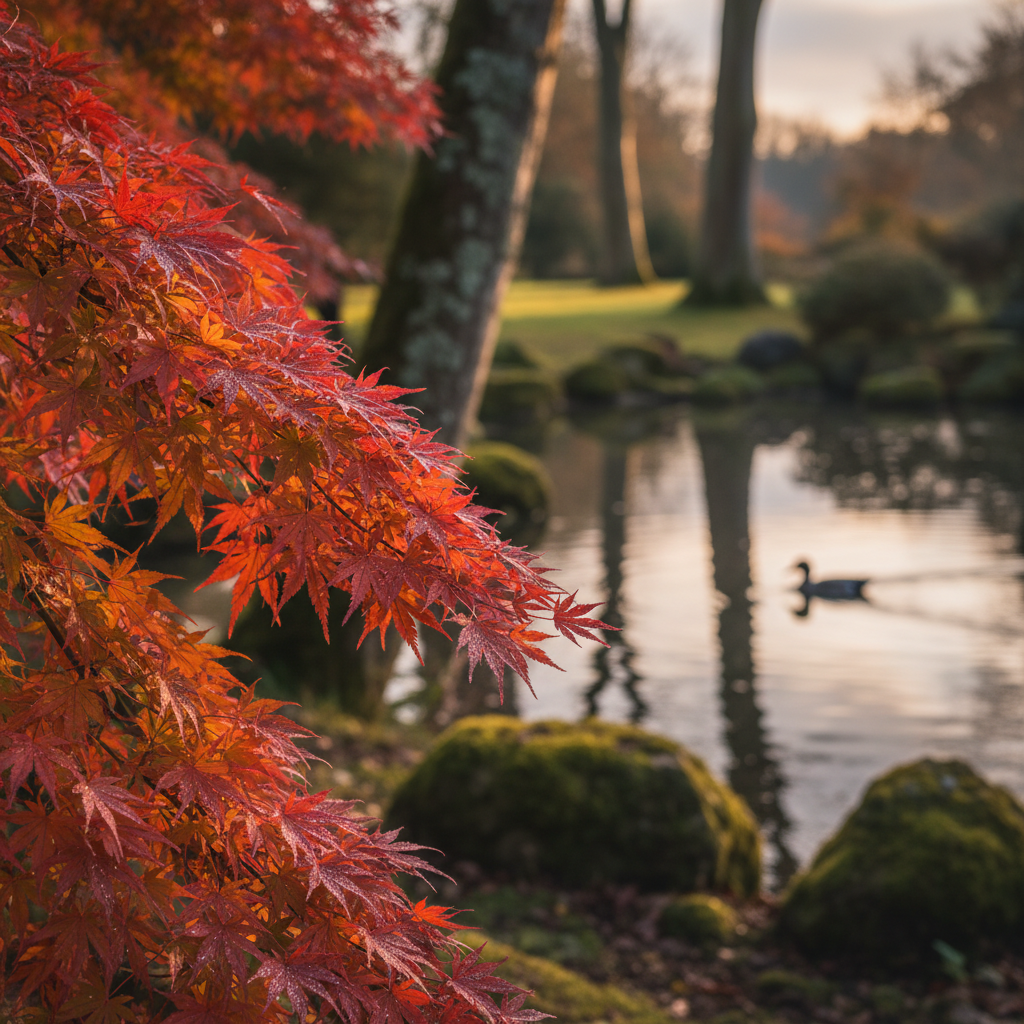
November’s palette is a quiet one — colours fade as mist and low sun sap October’s brilliance, yet there are still bright notes to be found. Gardens and window boxes hold late flowers and berries, while Japanese maples and beech woods can produce dazzling moments before their leaves drop. Look for blue‑green conifers, grey‑toned eucalyptus, purple Cotinus and occasional Bastard Service trees; mosses and lichens grow more vivid as leaf cover thins. Also notice freshly moulted wildfowl and grebes in parks, whose renewed plumage can brighten the greyer landscape.
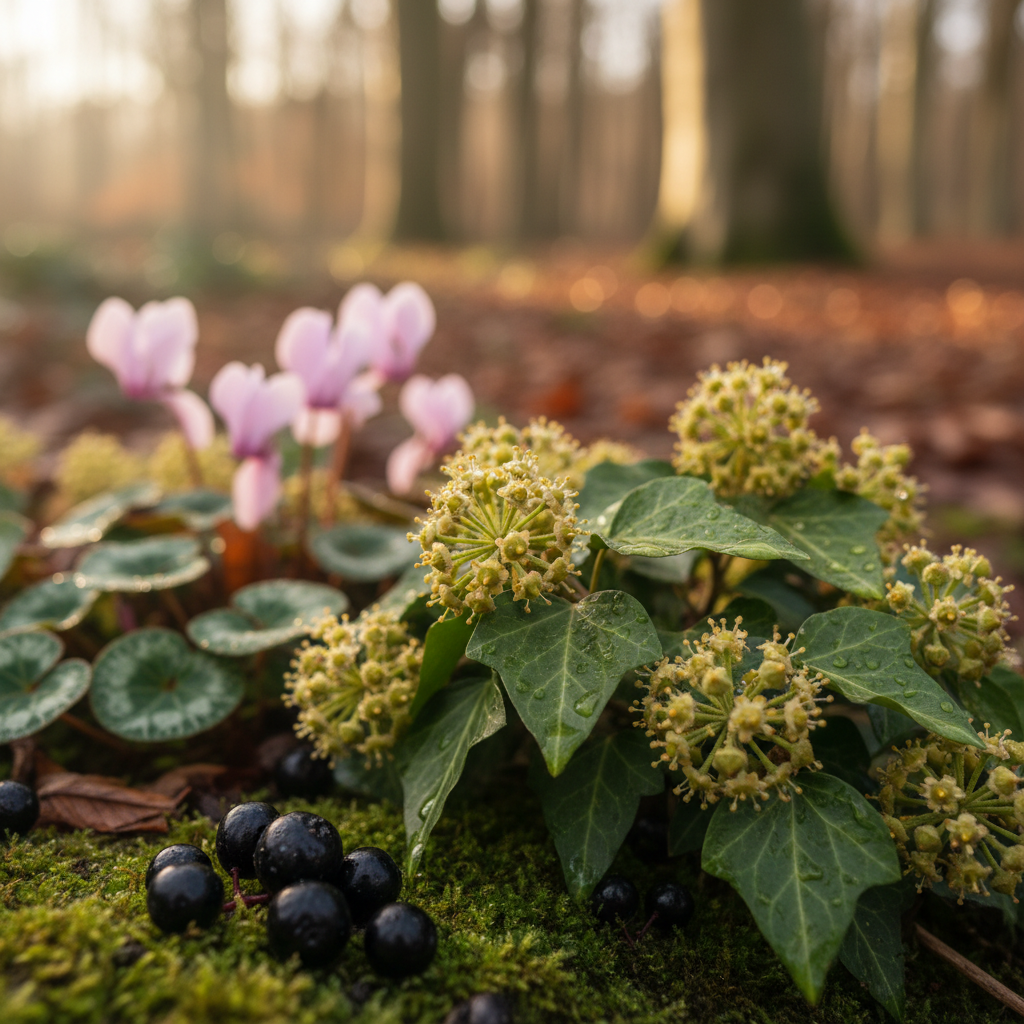
November’s wild flowers are a modest, weather‑dependent show — common survivors like daisies, dandelions and willowherbs persist on verges and waste ground, while ivy, cyclamen and pockets of chicory or red valerian provide brighter notes after leaf fall. Look roadsides, sheltered garden corners and woodland edges for these resilient late blooms.
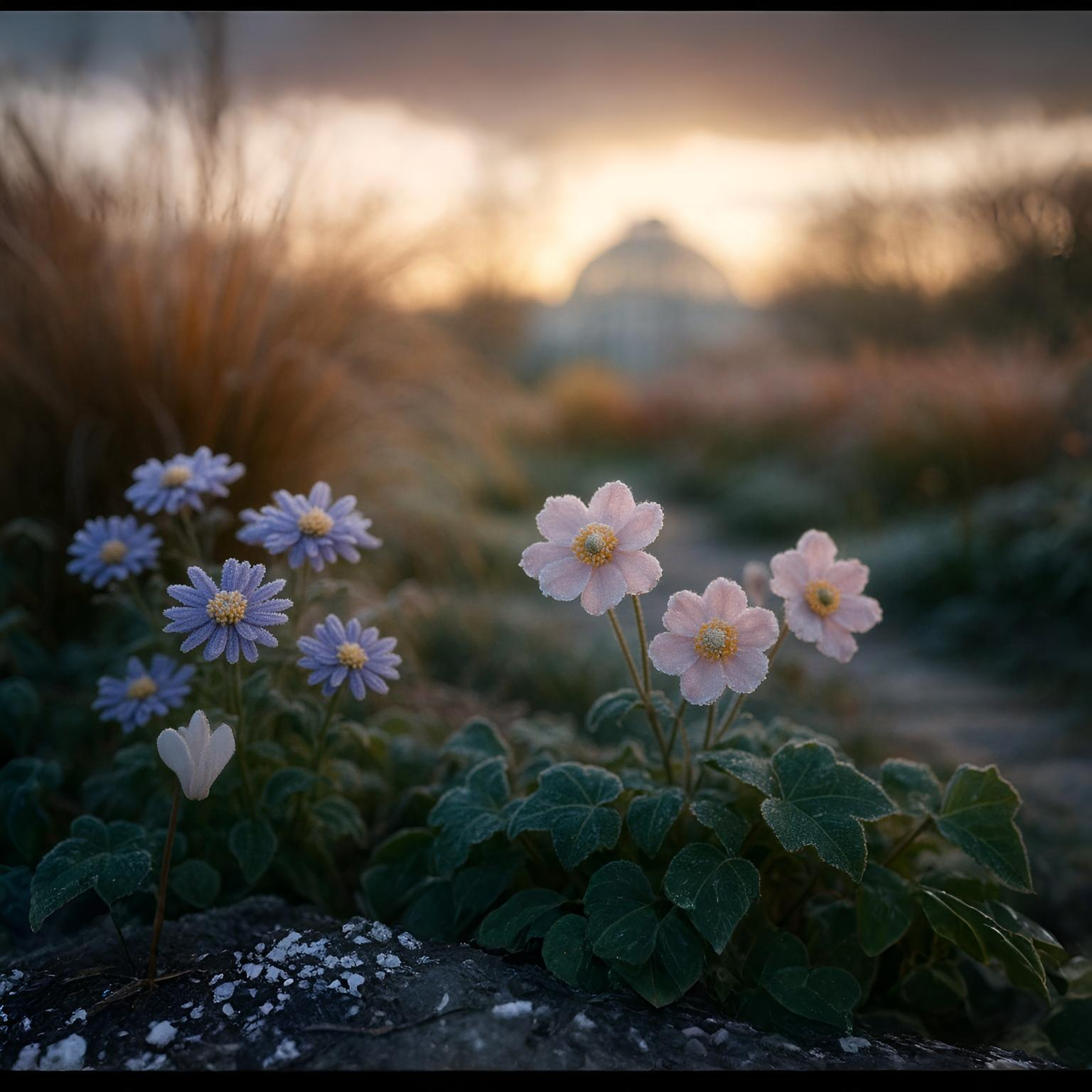
November is the low point for garden blooms: frosts and shortening days thin the show, yet resilient stalwarts remain. Ivy and Fatsia persist, while asters, Japanese anemones, chrysanthemums, cyclamen, late roses, dahlias and fuchsias still provide colour in sheltered borders. Garden collections at Kew and Wisley hide rarer treasures — gentians, Kaffir lilies, late crocuses and colchicums — and the conspicuous escapee Apple of Peru still turns up on waste ground. Look for tough grasses, heathers and evergreen accents as the last petals fall.
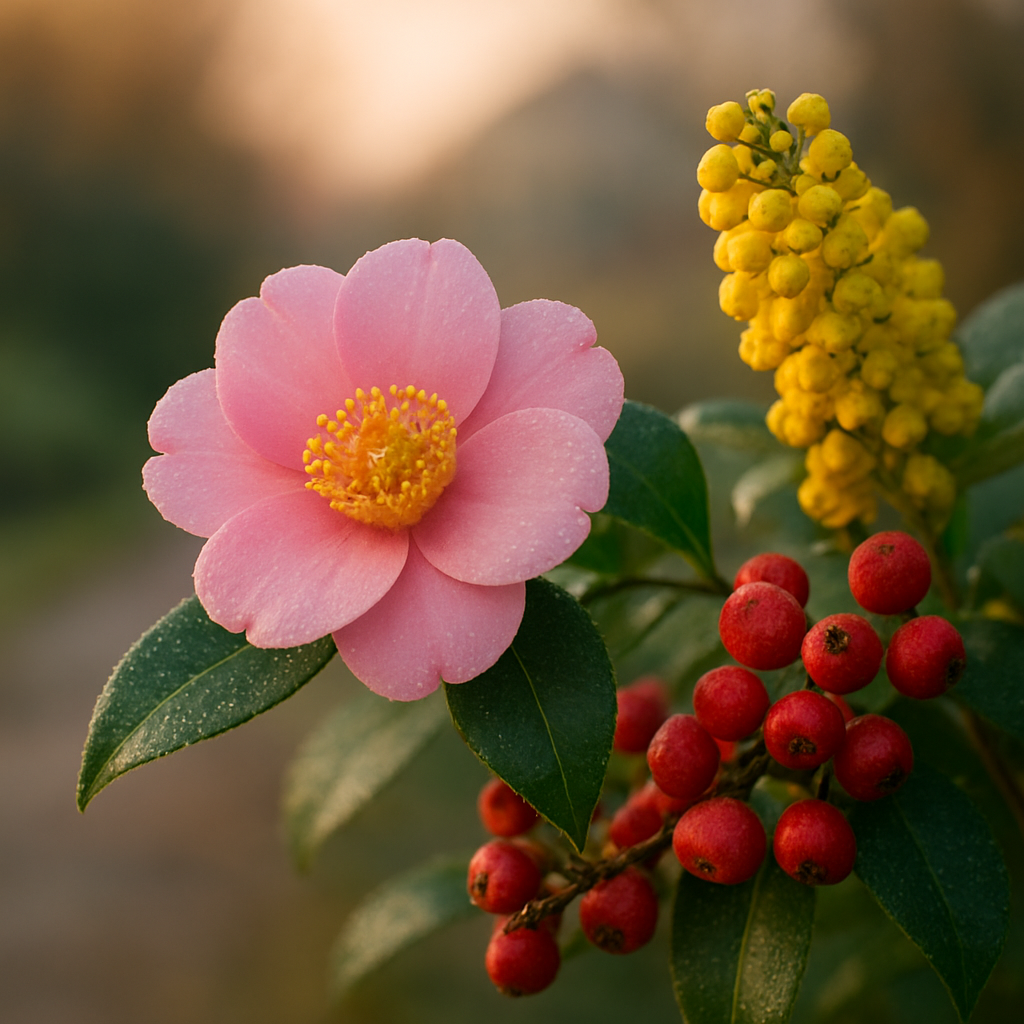
November may be the low point for summer shrubs, but the season reveals its own stars: berry-laden pyracantha, architectural mahonias in fragrant yellow bloom, early Sasanqua camellias and winter-flowering Garrya, wintersweet and jasmine begin to take the stage. Look for escaped Oregon grape in drier woodlands and newly hardy exotics showing off in sheltered gardens.
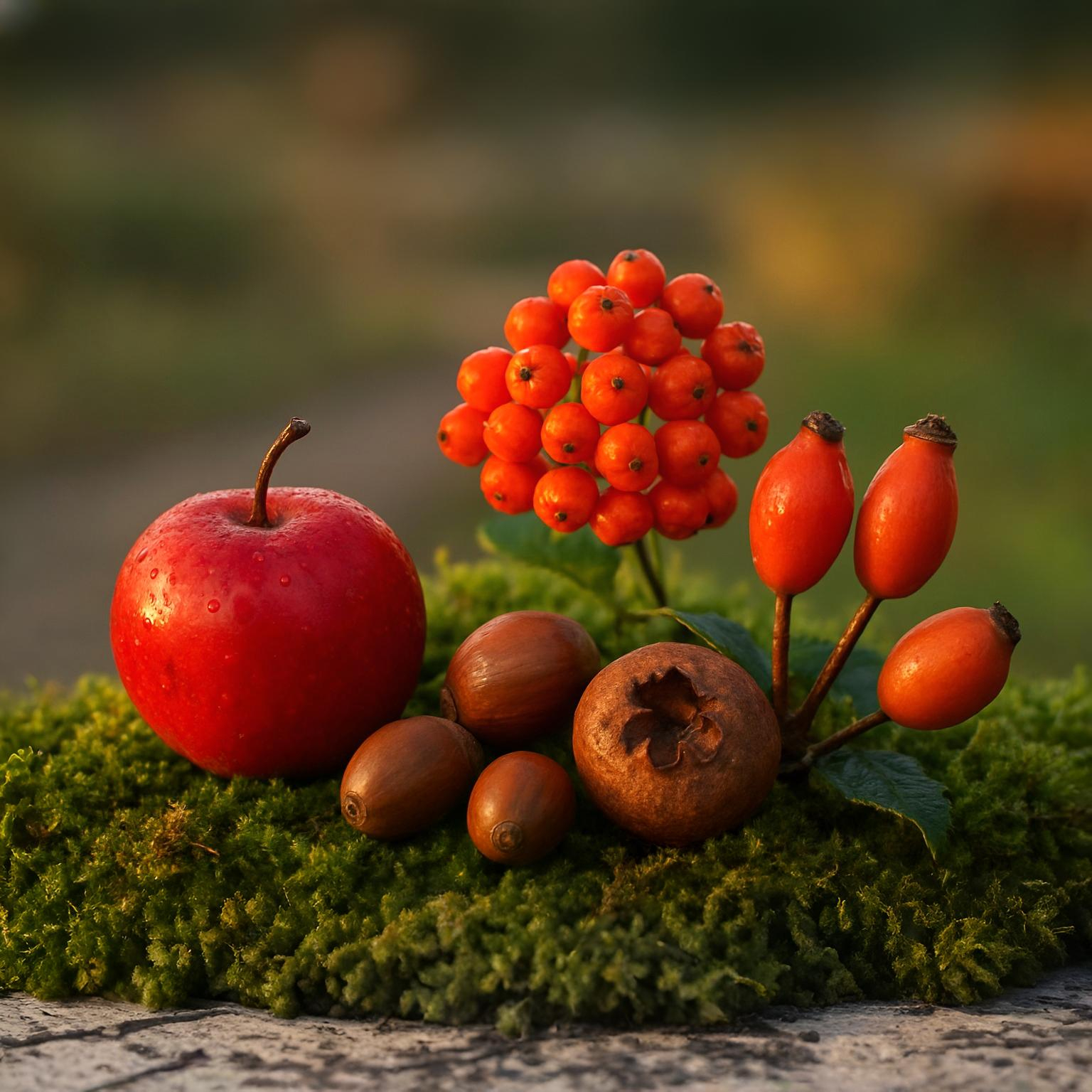
By November the juicier fruits are mostly gone, but the season’s harder, showier fruits remain — rowans, rosehips, cotoneasters and fiery Pyracantha light up streets and gardens, while ornamental crab apples of many hues are a city favourite. Look for autumn staples in hedgerows and woods — haws, hips, acorns, sweet chestnuts and wild service tree fruit — and seek out rarer treats like bletted medlars and fragrant quinces in garden collections. Hedgerows, downland and park trees reveal a rich, storied fruitscape worth exploring.
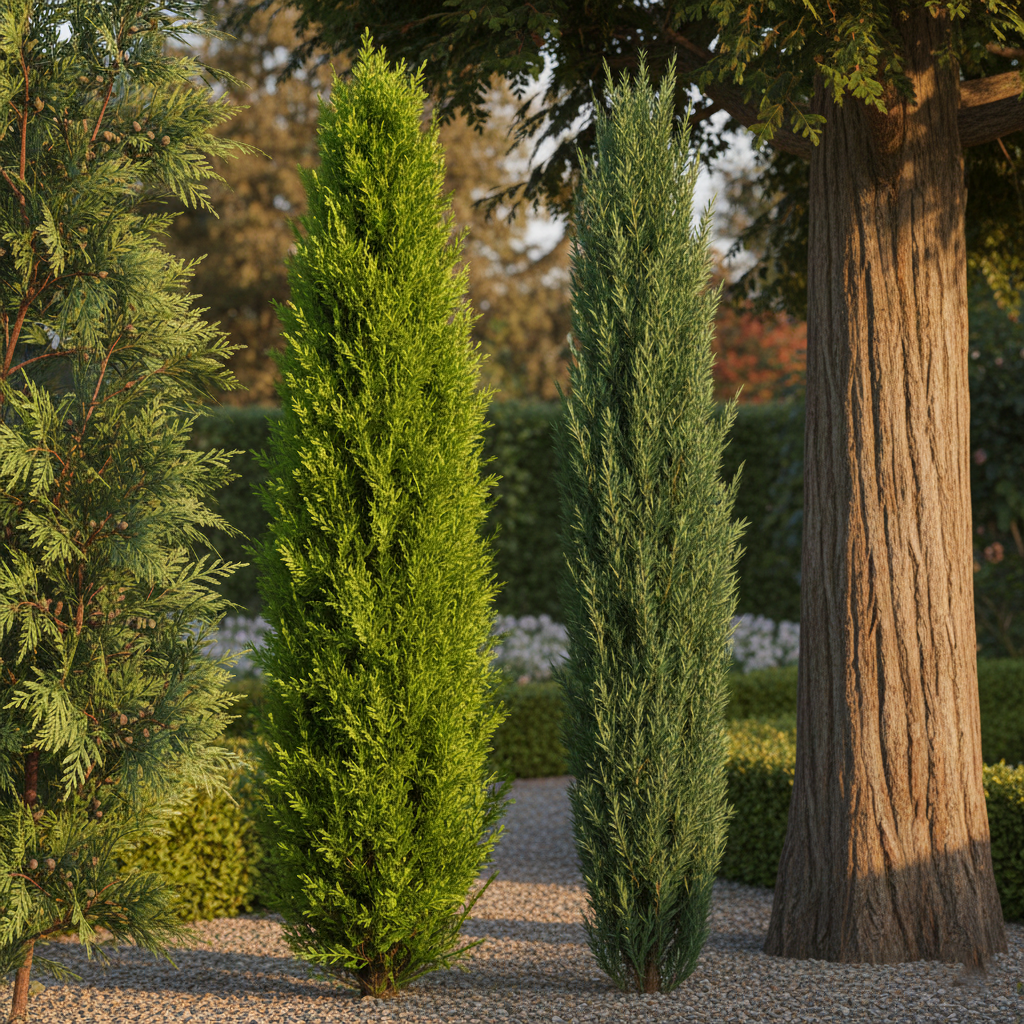
As leaves fall, London’s tall columnar conifers step into view — fast-growing Leylandii and dense Lawson cypresses dominate hedges, thujas (arborvitae) provide quick screening, while true cypresses and the imposing Incense Cedar make striking specimens in parks and gardens. Learn to tell them apart by foliage shape, cones and growth habit — and beware how quickly they can become suburbia’s green leviathans.
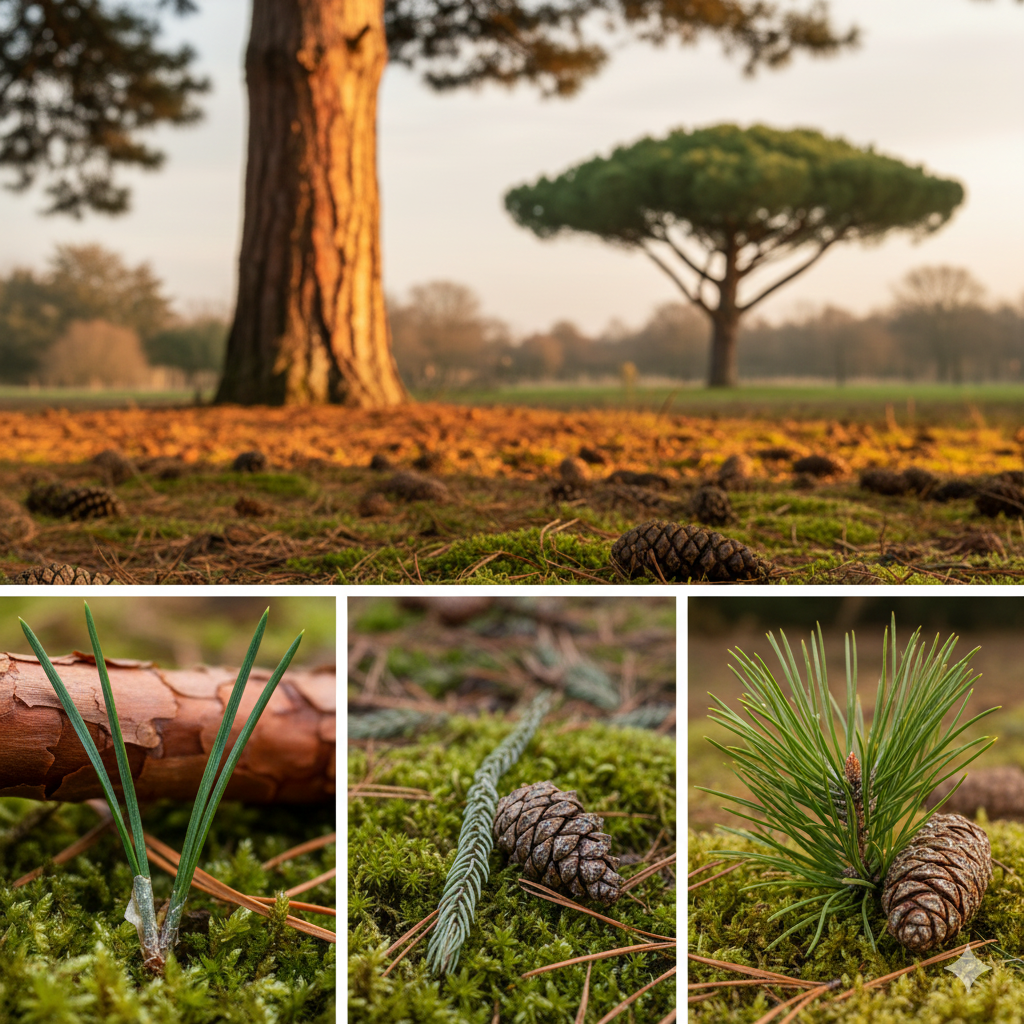
London hides an astonishing variety of pines: from the flame‑skinned beauty of Scots pine to hardier city tolerants like Black, Corsican and Maritime pines, long‑needled Bhutan and Weymouth pines (five‑needle groups) and exotic specimens dotted through parks and arboreta. Learn to tell them by needle bundles, bark and cone shape — and spot rare and dramatic specimens at Wisley, Kew and other gardens.
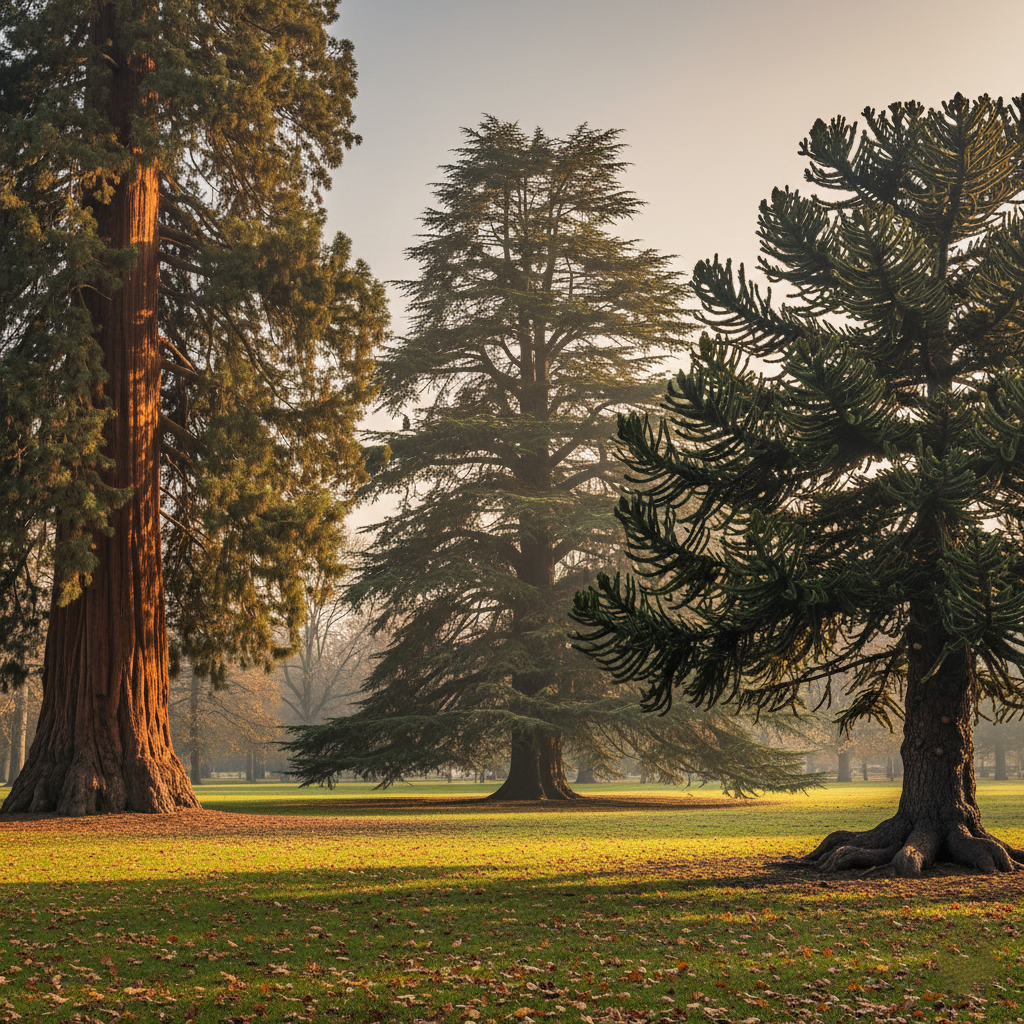
With deciduous leaves fallen, London’s sculptural conifers take centre stage — the tiered Cedar of Lebanon, drooping Deodars and blue Atlases, towering redwoods with spongy boles, and the spiky, Victorian‑favoured Monkey Puzzle. Look for dramatic forms and textured bark in parks from Battersea to Leith Hill and Windsor.
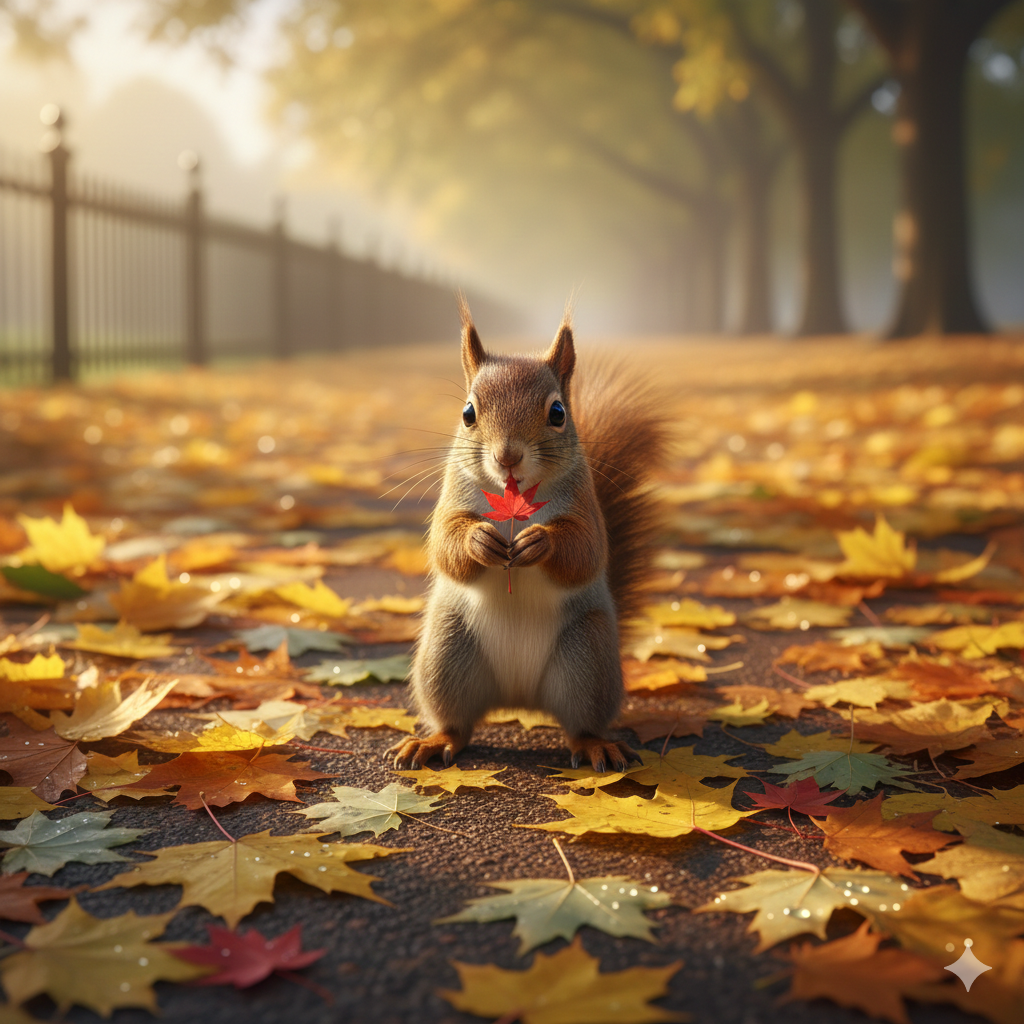
Mid-November in London slips into a shimmering last hurrah, as avenues of sycamores and Norway maples wash the city in pale greens, mustard yellows and soft browns. Silver maples, often the finely cut ‘Wieri’, scatter chequered carpets of green-and-white leaves, while field maple flashes butter-yellow along quieter edges. Peek over garden walls to spot exquisite Japanese maples—palmatum and japonicum—glowing in Kyoto Garden at Holland Park. Tree-spotters can roam St James’s, Cannizaro, Syon and Kew for rarities: hornbeam-leaved curiosities, Tatarian surprises, and venerable Japanese specimens. Then lift your gaze to the stately limes: grand Common lime avenues, fluttering Silver and Silver Pendant limes that turn paths into silver-green mosaics, and characterful species from America to Mongolia. Bundle up, slow down, and let London’s trees write November in color.
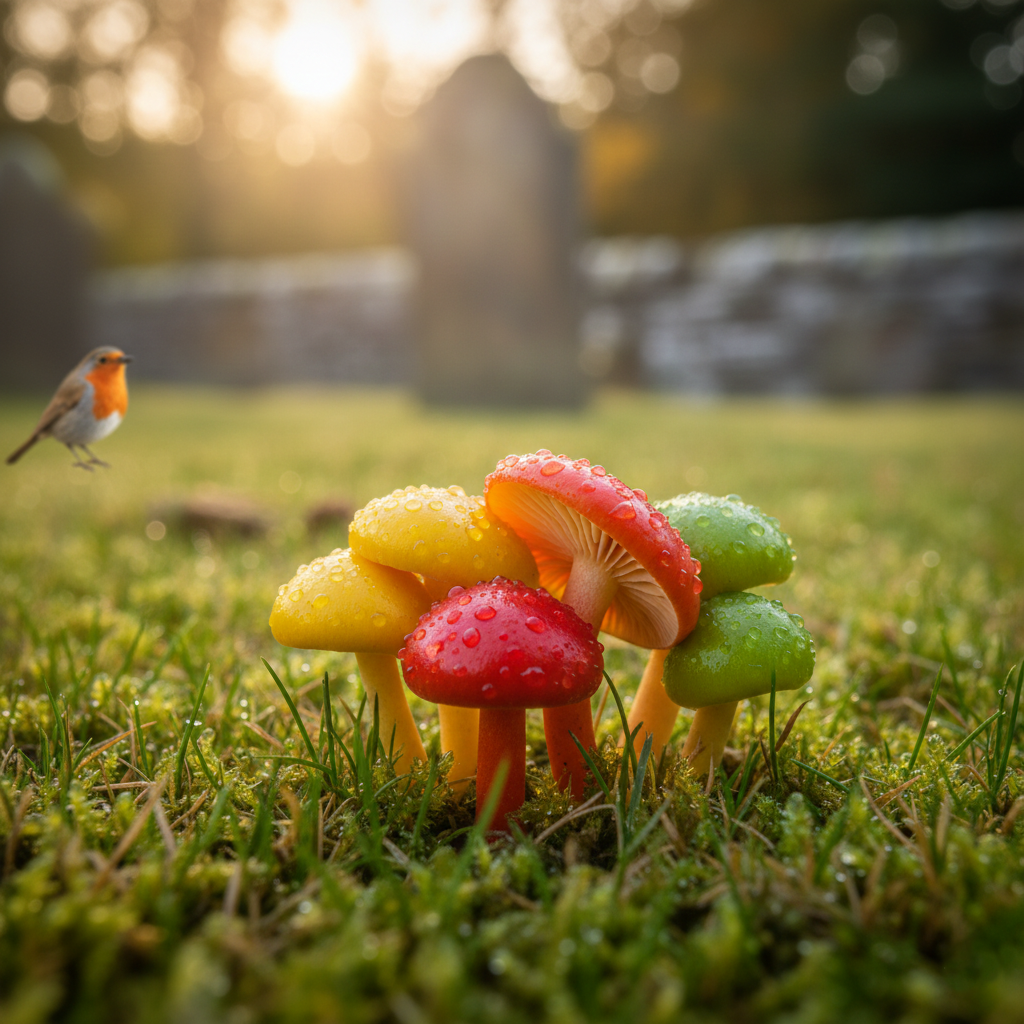
November is peak waxcap season — tiny, vividly colored toadstools that blaze like fireworks across short turf and moss. Found in churchyards, village greens, cricket pitches and unimproved meadows, their scarlet, lemon, orange and parrot-green caps make striking indicators of soil health. Identification can be charming and tricky (even the “kissing test”), so wrap up, tread lightly and enjoy the show.
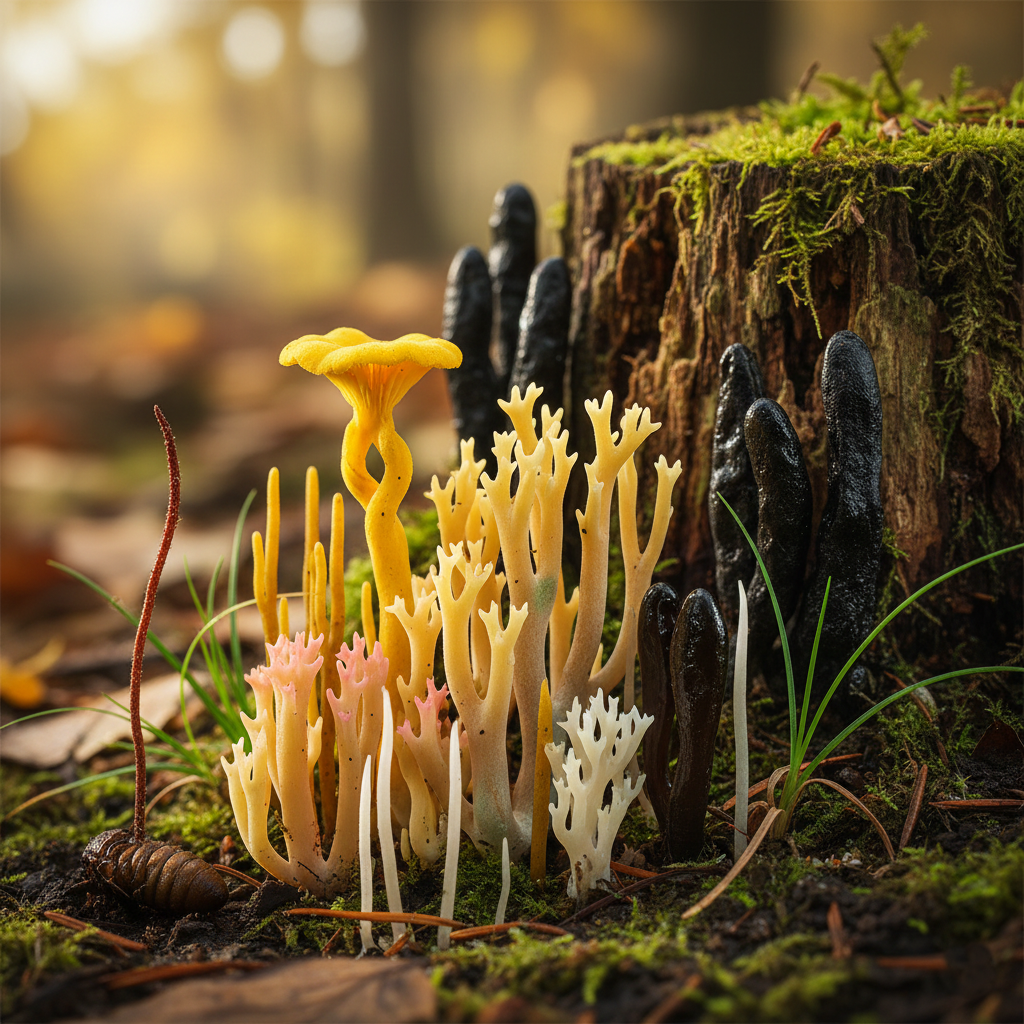
A walk at the edge of the wood becomes a cabinet of curiosities: coral-like Ramaria, golden spindles, translucent fairy-fingers, black earthtongues and the eerie Dead Man’s Fingers all rise from leaf litter and rotten stumps. These upright, oddly shaped fungi reward close observation — colour, texture and subtle bruising often point the way — and even include parasitic Cordyceps that fruit from buried pupae. Tread softly and look down: the forest floor is full of surprises.
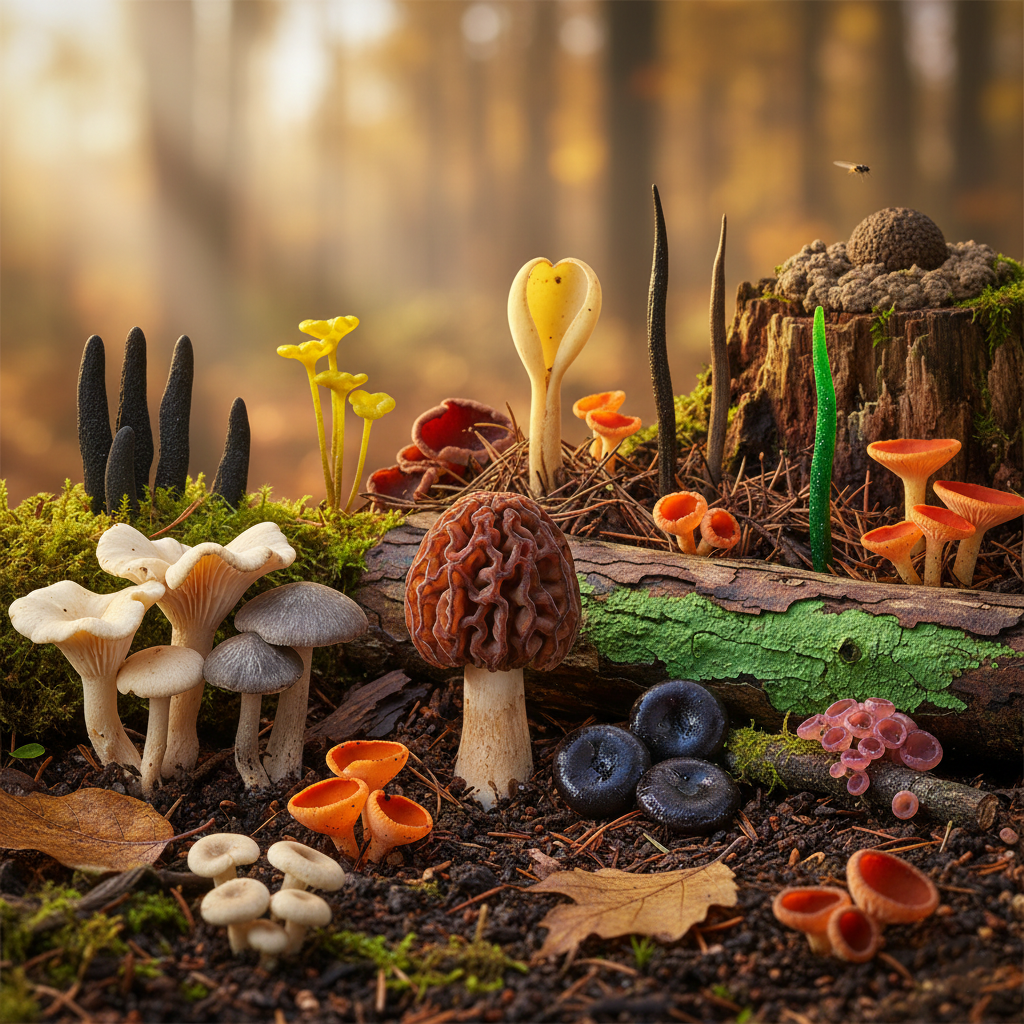
A different fungal world waits among leaf litter and decaying wood: the sac fungi (Ascomycetes) range from pewter‑bowl helvellas and brightly coloured cup fungi to glossy jellies, black earthtongues and hidden truffles. Look for delicate white Helvella crispa at path edges, vivid green wood stained by Chlorociboria, small black “Pope’s buttons,” and the charcoal discs of King Alfred Cakes — but beware the poisonous false morel. Autumn woods are a study in strange shapes, subtle colours and secret subterranean treasures.
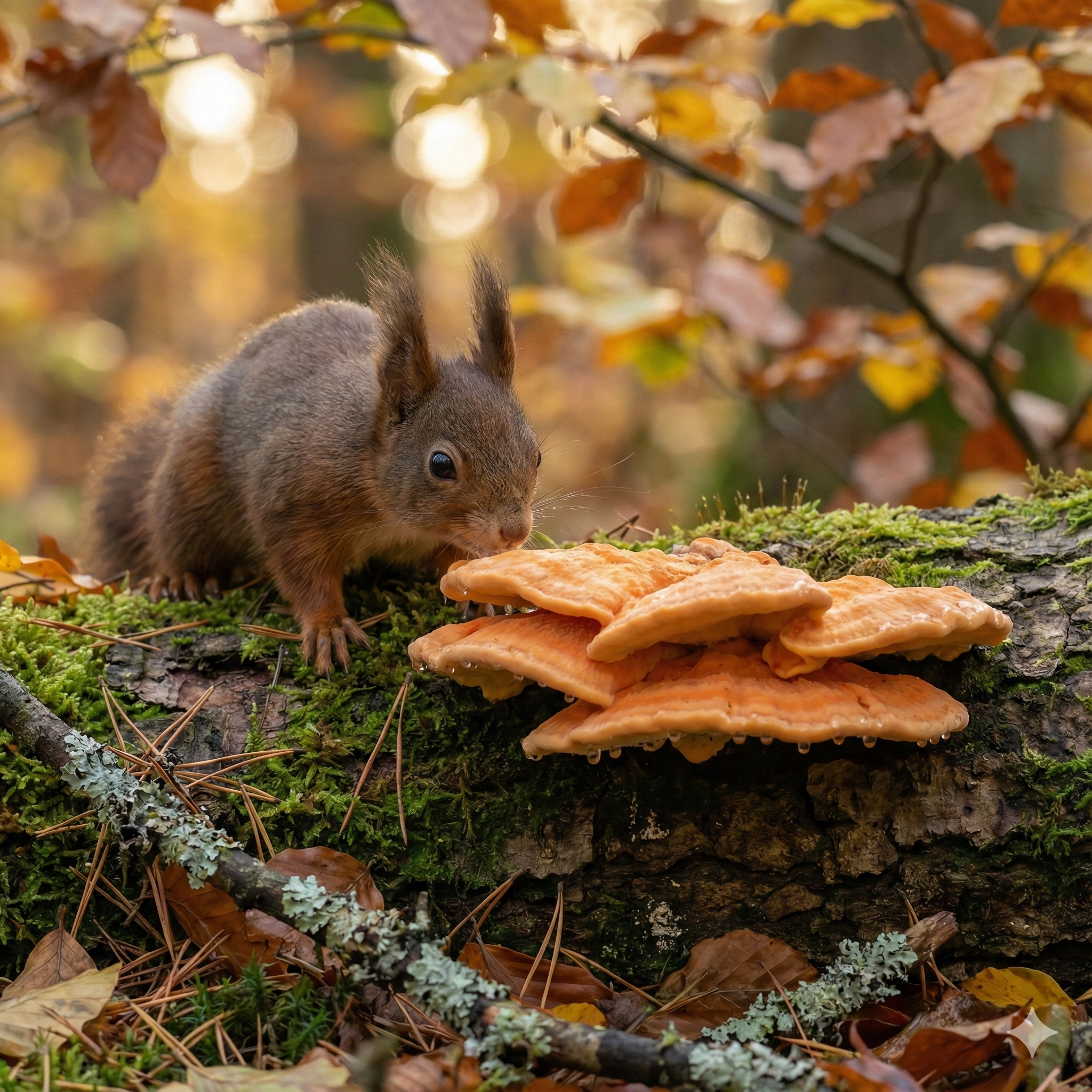
As leaves thin and rain darkens old logs, late autumn unveils the woodlands’ most sculptural residents: bracket fungi. From cocoa-brown Ganoderma ledges to blazing orange chicken-of-the-woods, these shelves are identified by pore color, texture and crust rather than shape. Meet hoof-like tinder-makers once carried by Ötzi, rare cinnabar and red-belted polypores, and weeping conks that bead with amber droplets. Explore maze-like undersides, kaleidoscopic turkey tails, the rare blue-cheese tint of Postia caesia, and the trees—beech, oak, birch, willow and pine—that host them. If you’ve ever wondered what those lumpy steps on trunks are, this friendly, photogenic primer brings London’s bracket brigade into focus.
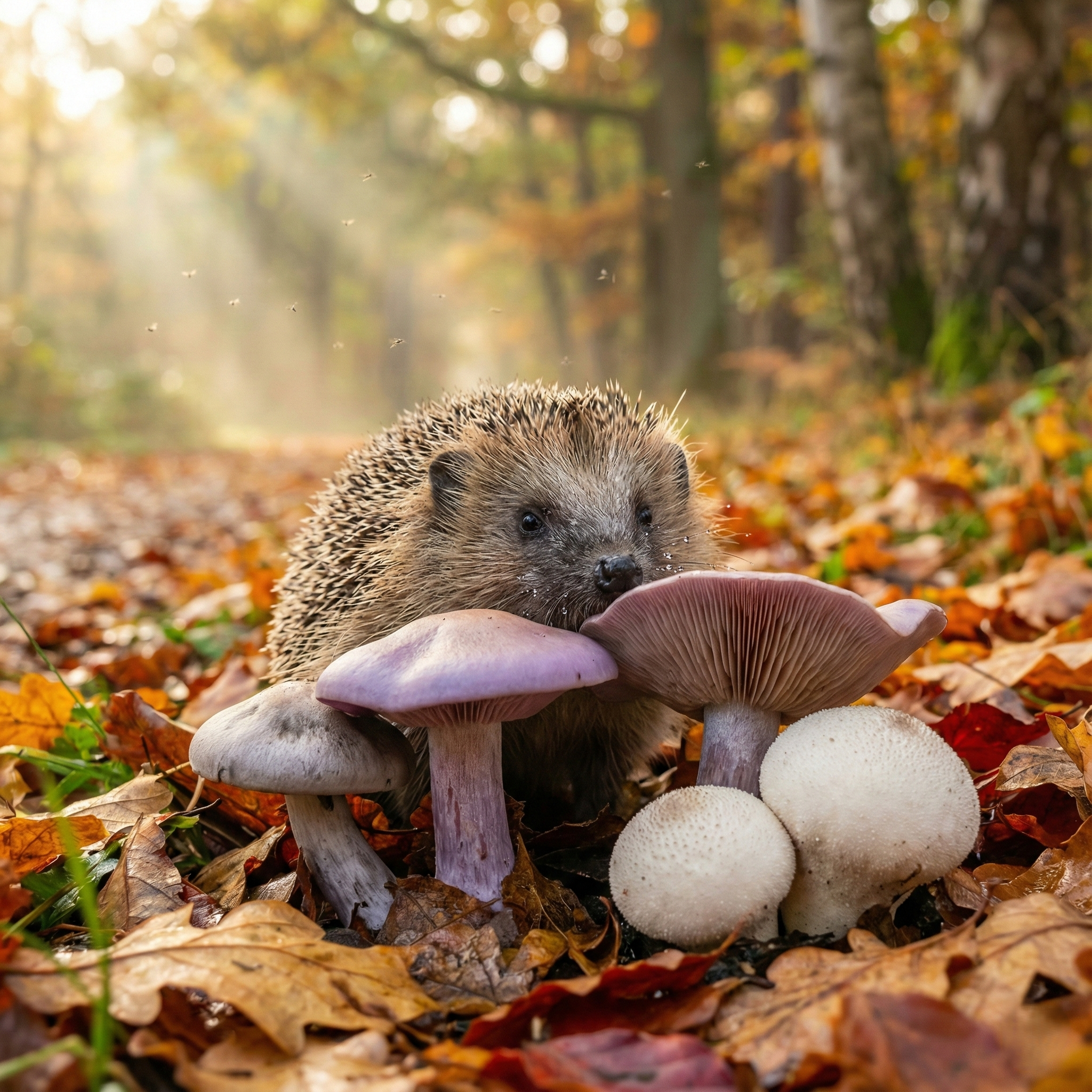
As autumn deepens, seasoned foragers spot the signs: buttercaps, clouded agarics and violet blewits brightening leaf-strewn paths while giant funnels and puffballs stand out against the falling leaves. Cold nights, rain and maggots hide or degrade many small species, but tougher earthballs, earthstars and wood-loving fungi persist. Skirt the quieter woods and you may find white helvella at path edges, laughing Jim and flaming Pholiota on the floor, Gymnopilus in pine, Fly Agarics by birch, and dung-loving roundheads and mottlegills in pasture. With patience you can still collect chanterelles, horn-of-plenty and blewits late into the season.

Think you know mushrooms? Fungi are stranger than fiction: neither plant nor animal, they form their own kingdom and outnumber Britain's flowering plants many times over. Beneath our feet, networks spread for miles; above ground, giant puffballs and oak brackets shed millions of spores a minute. In London's woods, cannonball fungi fling tiny packets meters away, while phallic stinkhorns erupt in an hour, luring blowflies with fetid slime. After rain, jelly-like “troll’s butter” appears on gravel; on moonless nights, honey fungus and sulphur tufts softly glow. Tucked in ancient oaks, ghost-white Lion’s Mane and Coral Tooth hang like stalactites. Join an autumn foray to meet the city’s strangest neighbours. Return on November 21st for the full story!
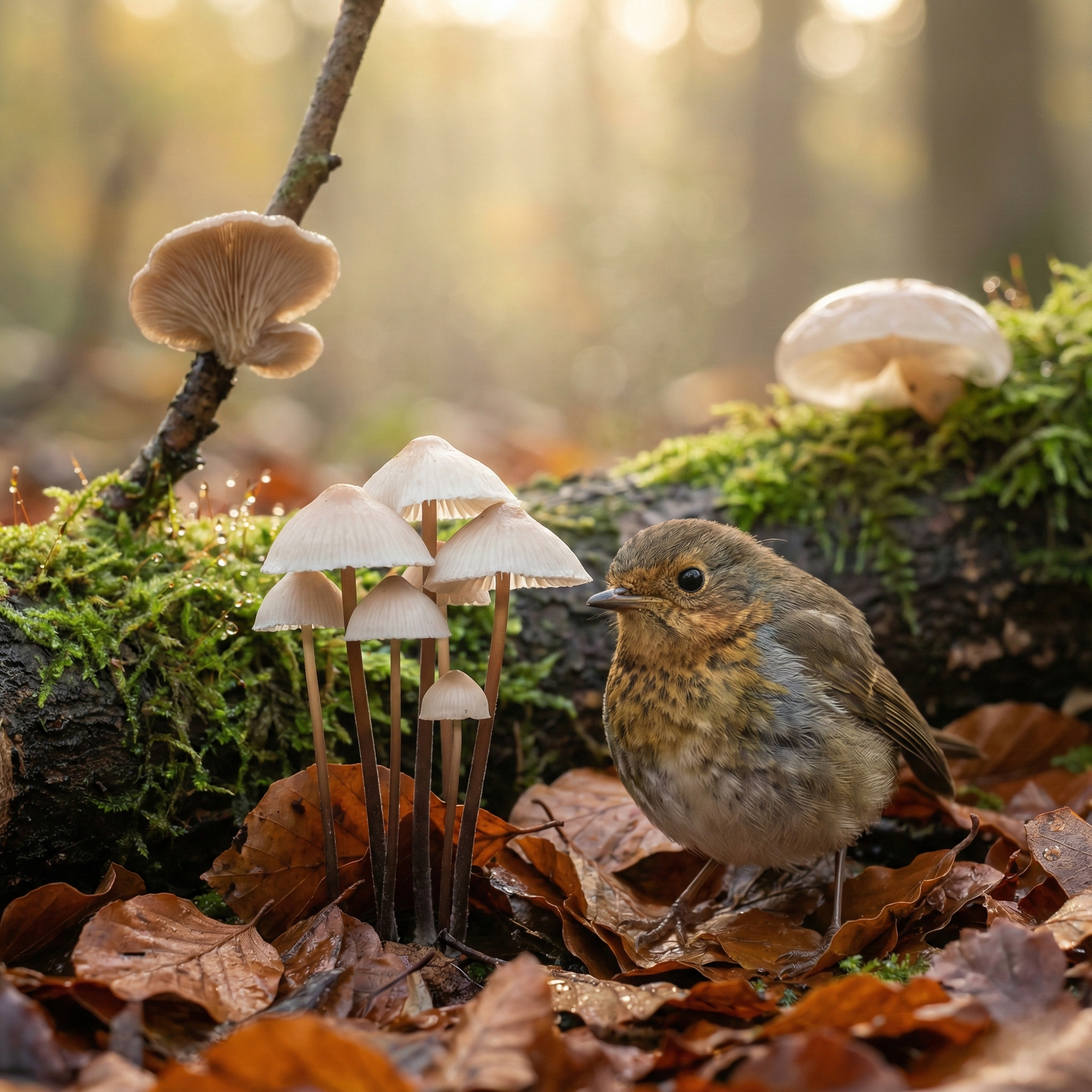
Think you know London’s woods? Each autumn proves otherwise. Hidden in leaf litter and on old logs, whole new casts of fungi appear: dainty parachutes with horsehair-fine stems, oysterling fans on fallen twigs, flattened cavaliers, clustering domecaps, and glossy spikes under pine. On dead wood, deer shields and elegant rosegills blush pink, while porcelain fungus gleams on beech and rooting shanks dive deep into soil. Seek vivid surprises too: plummy-and-gold Plums and Custard, velvety Millers, goblet-shaped toadstools, even the wrinkled peach. Scan unusual habitats—burnt ground, alder carr, heath, lawns—for powdercaps, fieldcaps, navelcaps, and more. Peek beneath logs for cobalt-blue crusts that glow like paint. Learn the trick of spotting a “type” to pin down the genus—and expand your autumn ID skills. Return on 22-Nov for the full story!
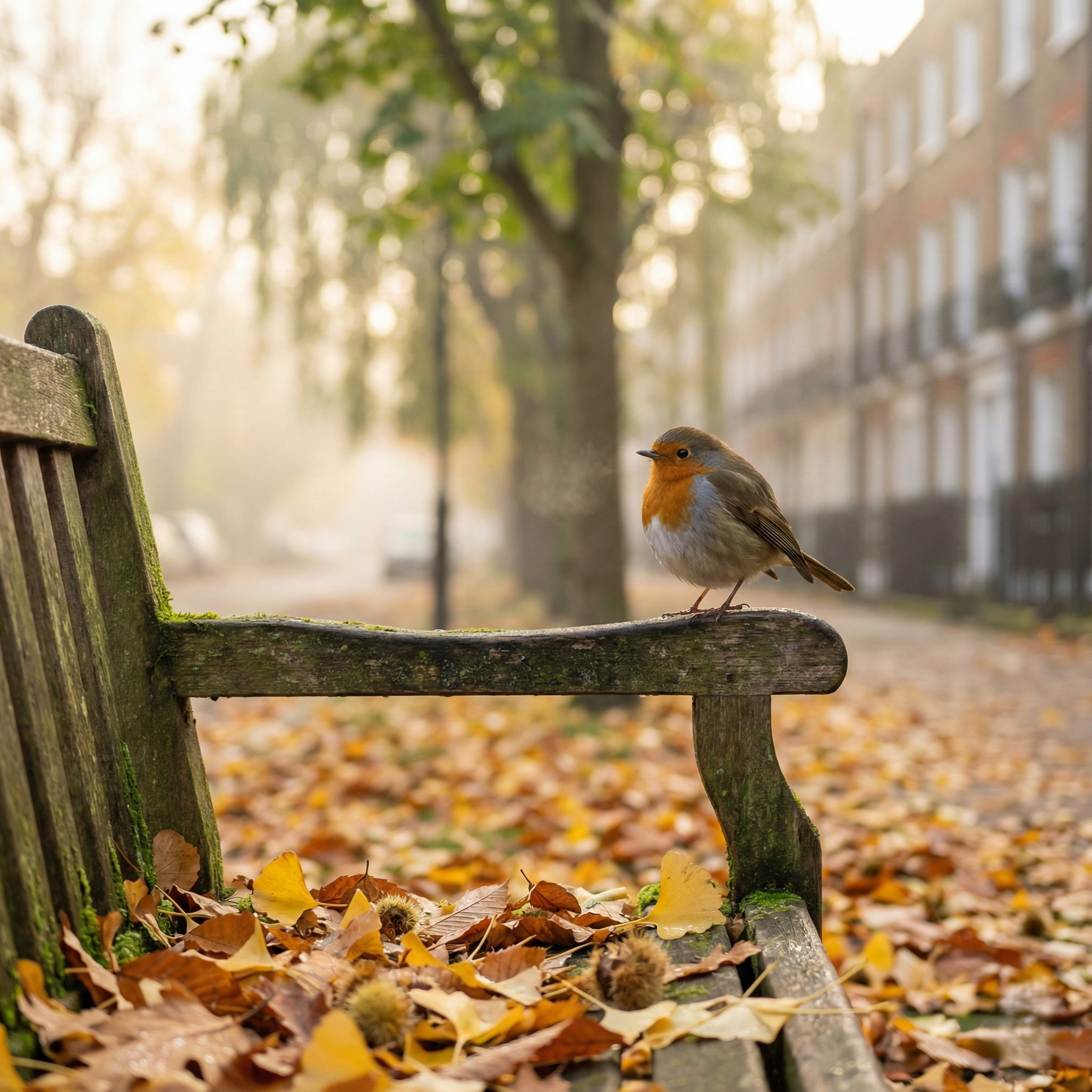
Storm-tossed nights in late November flip London from autumn glow to winter hush. In a heartbeat, whitebeams, poplars and ginkgos can shed every leaf, while oaks, beeches and willows linger in turmeric and parchment tones. Stroll the inner streets to spot Italian alders holding glossy greens, hornbeams like golden shaving brushes, and winter-flowering cherries suddenly sparkling bare. Look closer for hybrid strawberry trees blooming, crabapples bejewelled with fruit, and sweetgums and smoke trees deepening to wine-reds. Keen eyes will find unusual oaks across Kew, Syon Park, Hyde Park and Kensington Gardens—from burr oaks with mossy acorns to sawtooth and daimyo oaks with striking leaves. November’s palette is fleeting, vivid, and wonderfully urban-wild.