






• October
  • All Months
  • Home

 RSS Feed  
  Share on WhatsApp   Tweet

Home Months Menu
January
February
March
April
May
June
July
August
September
October
November
December
Today
01-Oct Guide to Autumn Splendor
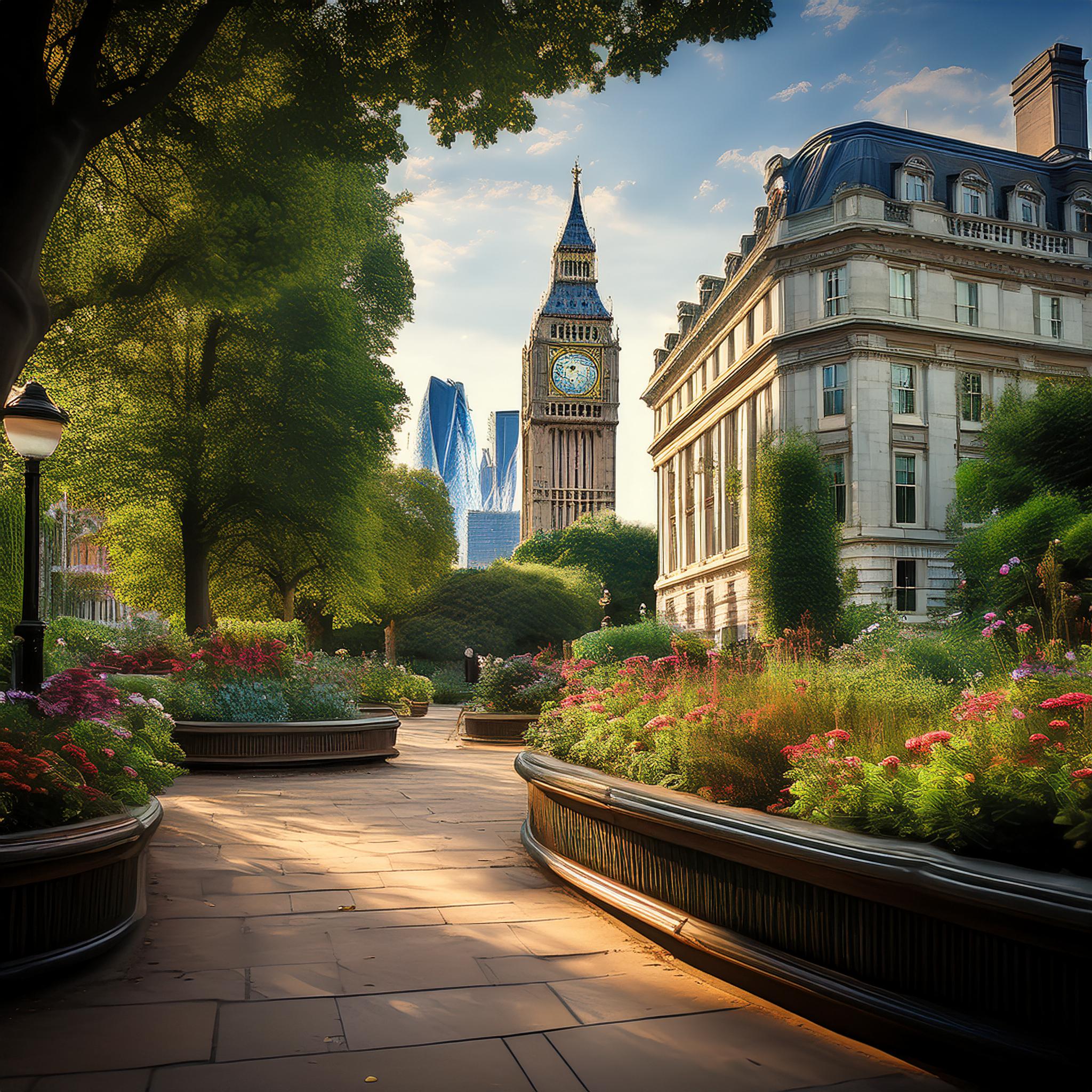
On October 1st, delve into the heart of autumn with "October's Enchantment." Witness the dramatic transformation as trees burst into vibrant colours, the air fills with the calls of deer, and London's parks and woodlands come alive with the hues of fall. Discover the rich tapestry of nature as fruits ripen, birds prepare for migration, and the landscape is adorned with colourful fungi.

Join us for an insightful journey through the peak of autumn, where every corner of nature is teeming with life and the beauty of the season is on full display. Whether you're a nature enthusiast or simply curious about the seasonal shifts, this article will captivate and inspire you.

02-Oct London’s Autumn Colour Show Begins
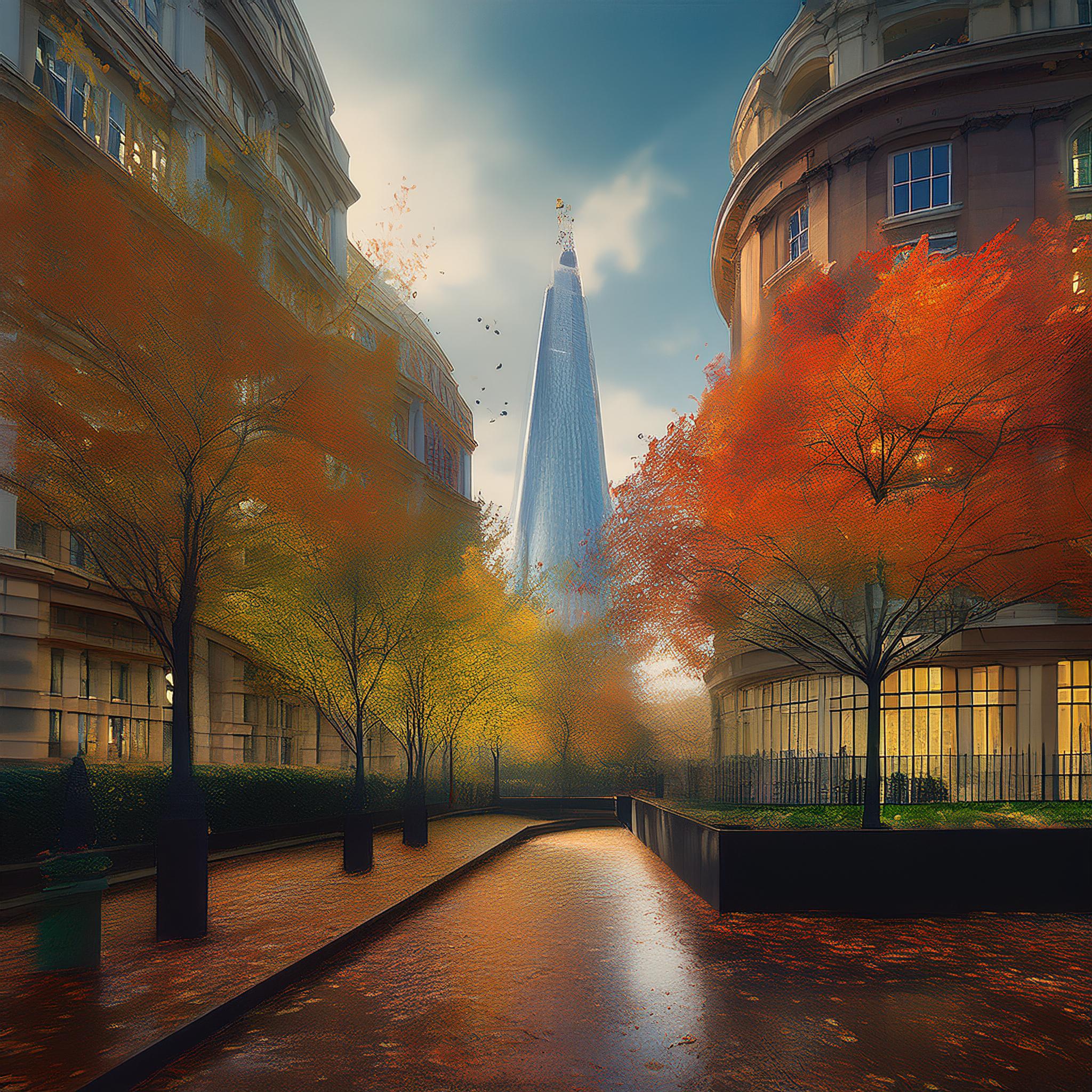
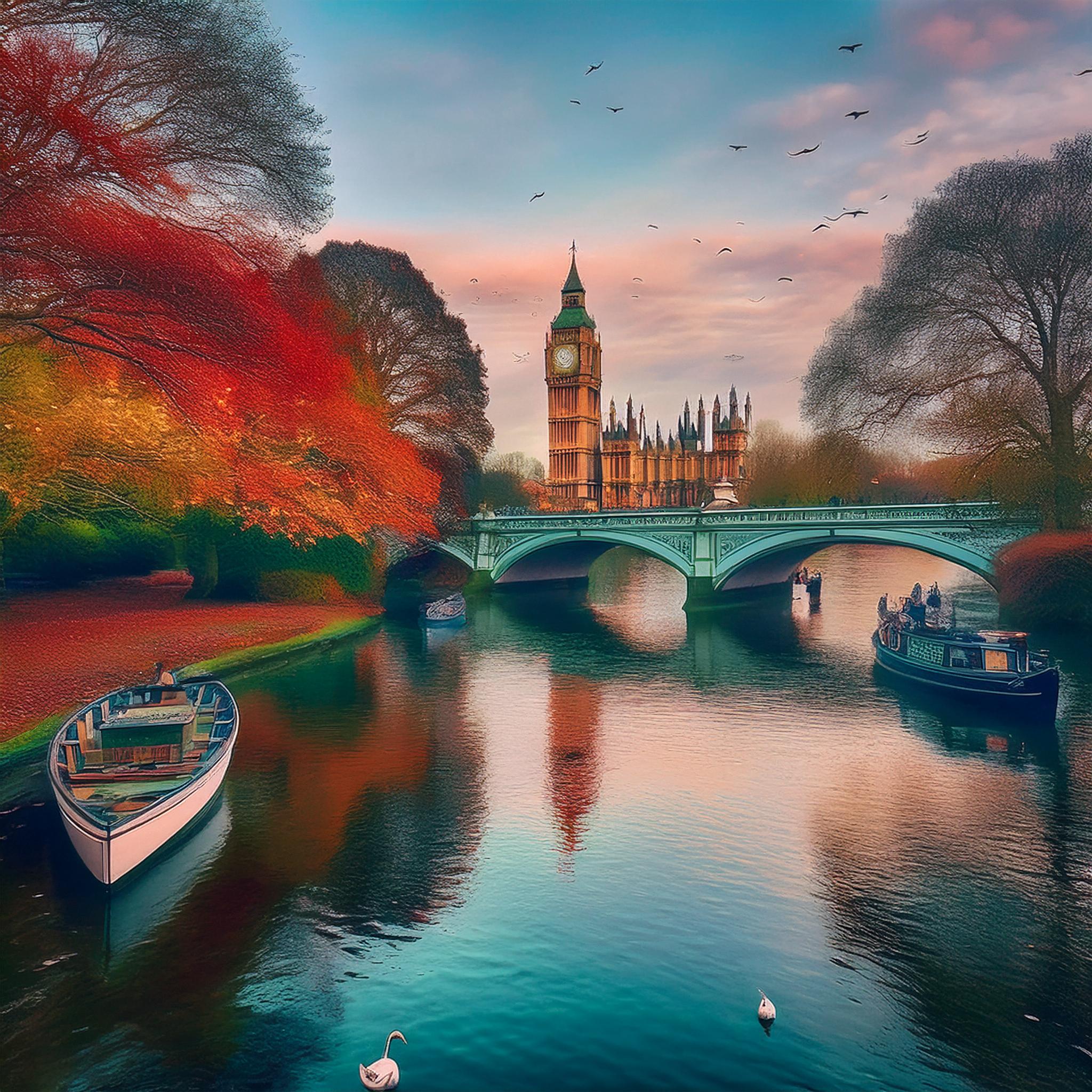
October marks the true beginning of London’s spectacular autumn display. While Japan, Korea, and North America may be more famous for their “fall” colours, London’s streets and parks rival them thanks to the city’s diverse collection of trees from around the world. From buttery golden maples to fiery red sumacs, bronze-tinged ashes to turmeric-hued hornbeams, every week brings fresh transformations. Even within the same species, subtle differences in light, age, and health create endless variations of yellows, reds, browns, and purples. Early October offers the first real glimpses of this kaleidoscope, with colours shifting rapidly as the days shorten. Whether strolling through Hyde Park or simply down your local street, now is the perfect time to watch London’s trees burst into life.

03-Oct October's Feathered Friends
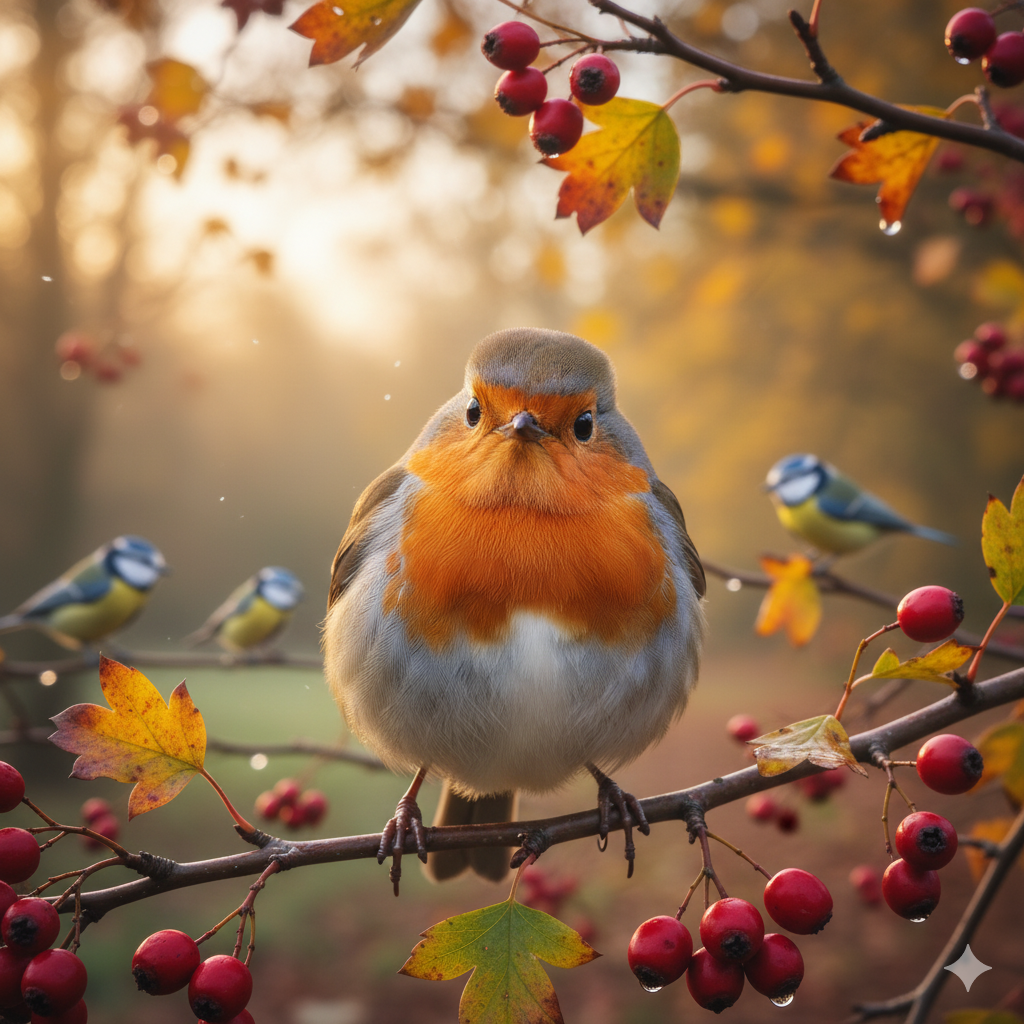
As October dawns, London's skies and gardens become a bustling highway for birds. From the dramatic aerial ballets of rooks and the solitary grace of migrating raptors like merlins and peregrines, to the secretive arrival of short-eared owls, the city offers a spectacular showcase of avian life. Your garden birds might even be newly arrived visitors from Europe, shyer than their resident cousins. Discover which species prefer certain berries and seeds, and keep an eye out for the vibrant plumage of great tits and blue tits, newly resplendent after their moult. With woods filling with mixed flocks and robins marking their winter territories, there's a fascinating bird world to explore.

04-Oct October's Lingering Melodies
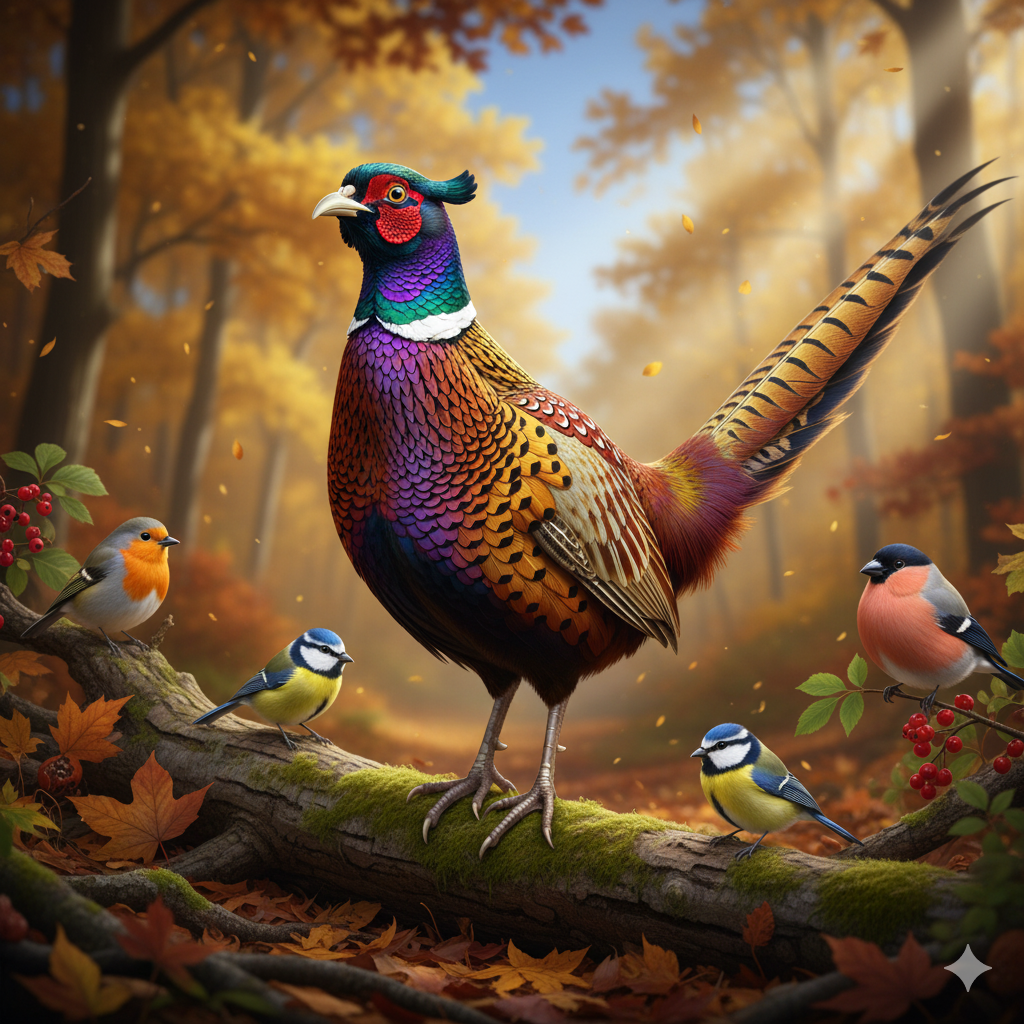
While most birds quiet down by October, the month still offers a symphony of sounds across London. From the robin's melancholic autumn song in your garden to the harsher calls of jays and green woodpeckers in the woodlands, there's a rich soundscape to explore. Keep an ear out for the clamour of rooks over their rookeries and the softer contact calls of drifting tit and finch flocks. It's also prime time to spot the dazzling male pheasant, a stunning mix of Asian heritage, now more visible as their shooting season begins. And if you're lucky, you might even hear the rare woodlark's soft, trickling song or the creaky phrases of bullfinches in your garden.

05-Oct London's Gathering Flocks
October in London brings a spectacular show of avian gatherings. From tiny family groups merging into larger assemblies to newly arrived immigrants swelling the ranks, the city's skies and waterways teem with fascinating feathered formations. Imagine seventy-five chaffinch flocks zipping through Trafalgar Square, or thousands of starlings creating mesmerizing murmurations. Whether it's the distinctive rising and falling flight of finches, the noisy aerial antics of rooks, or the shy movements of newly arrived waterfowl, each flock tells a story. Explore London's reservoirs, woodlands, and marshes to discover everything from expanded groups of coots and wigeon to the diverse, chattering mixed flocks of tits, goldcrests, and treecreepers, each with their own unique "vocabulary."

06-Oct October's Winged Visitors
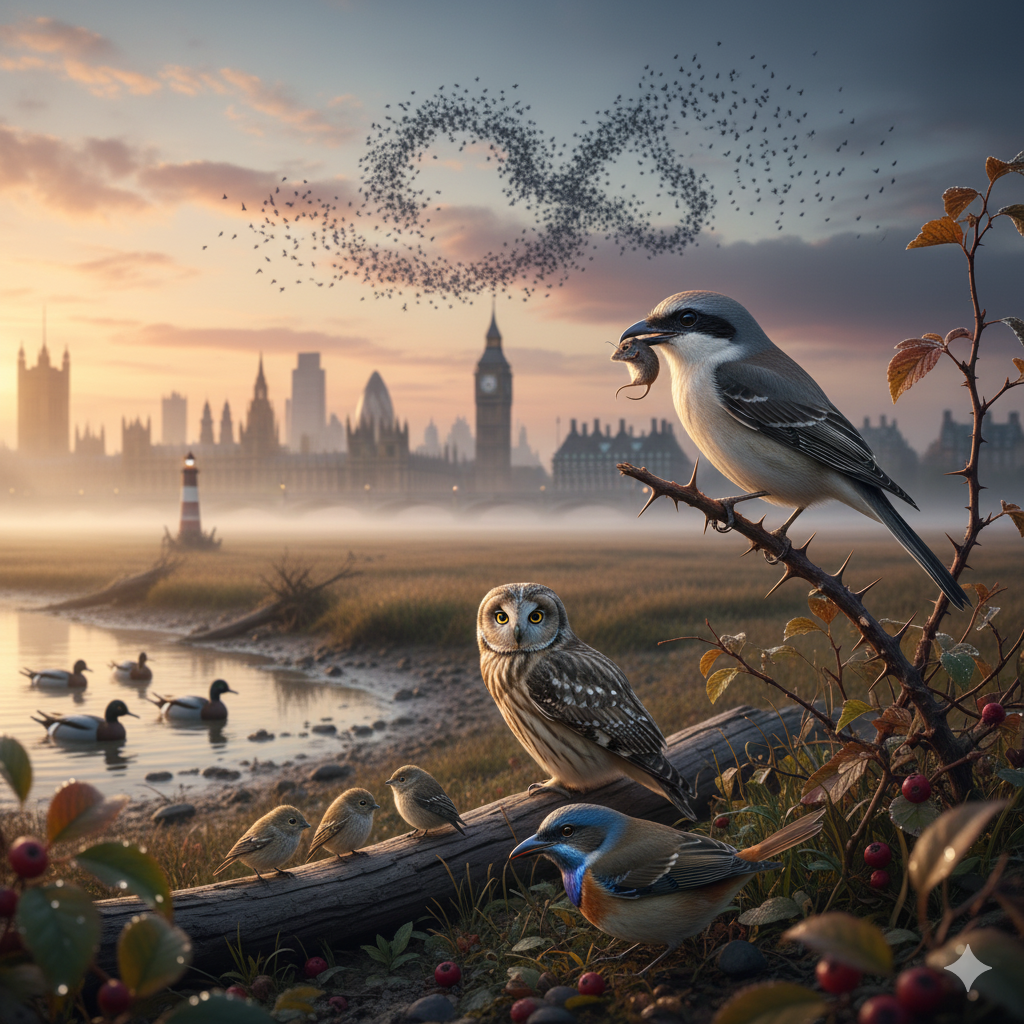
This month, London transforms into a bustling international airport for birds as the autumn migration reaches its spectacular peak. Hordes of starlings and woodpigeons arrive, joined by countless other species journeying from the Arctic, Scandinavia, and Central Europe. Discover the incredible routes these feathered travellers take, from island-hopping across the Atlantic to following the European coastline. Keep your eyes peeled for rare and fascinating visitors like the formidable great grey shrike with its gruesome 'larder', or the tiny, exhausted goldcrests arriving after a perilous North Sea crossing. With vagrants blown in by storms, every bird you see could be a new arrival on an epic journey.

07-Oct London's Olympian Travellers
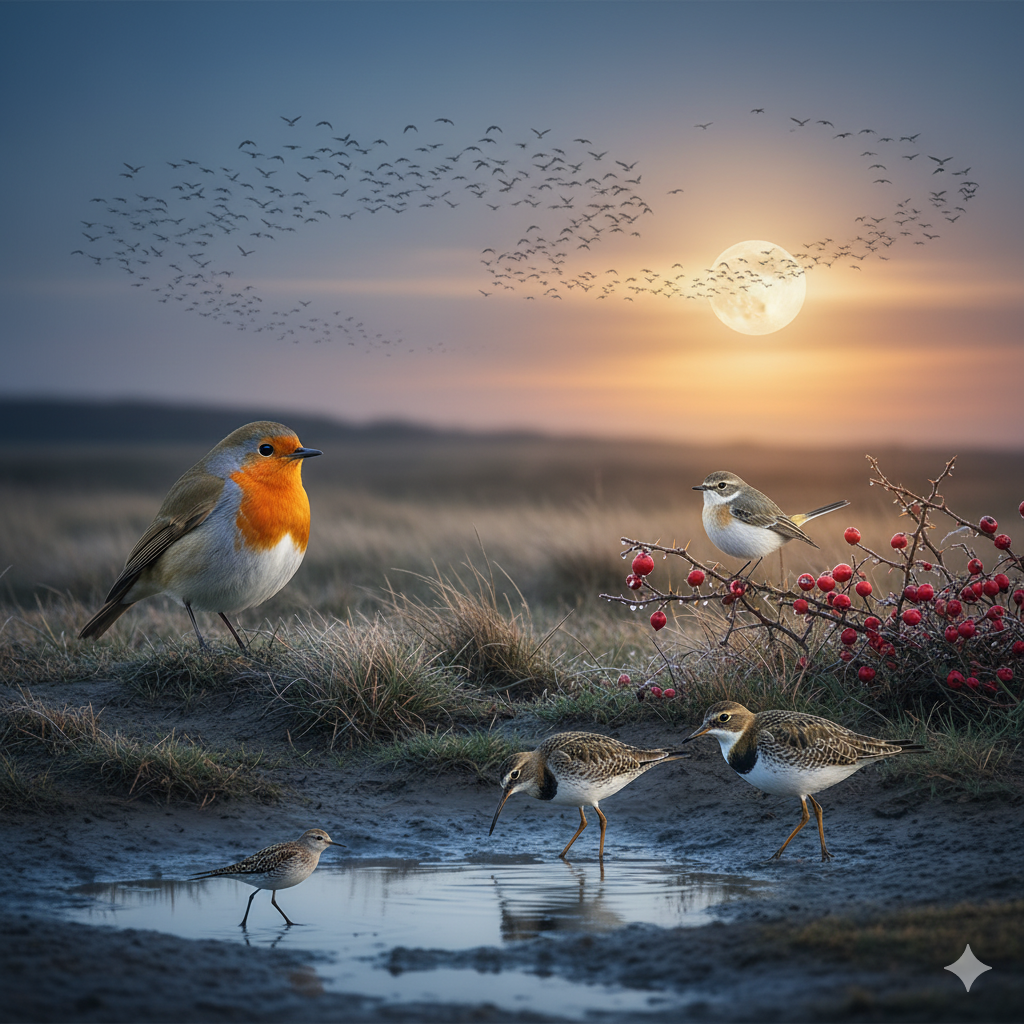
This October, the great migration continues, inviting you to look closer at the birds arriving on London's shores, marshes, and reservoirs. It's a prime month for spotting waders like greenshanks and rare sandpipers, and we'll share tips on how to tell them apart. But the true stars are the epic travellers. Discover the incredible Arctic tern, a bird that enjoys more sunlight than any other creature by flying from the Arctic to the Antarctic and back each year. We'll also delve into the subtle art of gull-spotting, helping you identify rare visitors from the sulky Mediterranean gull to the thuggish-looking Caspian gull.

08-Oct October's Lingering Blooms
Don't let the autumn colours distract you; London in October still holds a delightful secret: a surprising array of wildflowers waiting to be discovered! While many are at the tail end of their season, an unseasonably warm "St. Martin's summer" can sometimes coax a 'false spring,' bringing primroses and violets back to life. From the vivid scarlet pimpernel to the duck-egg blue chicory, vibrant splashes of colour punctuate the golden landscape. We'll explore where to find these resilient beauties, including the fascinating alien composites 'Gallant Soldier' and 'Shaggy Soldier,' which thrive in London's very heart. Even in waste areas and along riverbanks, a patient eye will be rewarded with nature's enduring artistry.

09-Oct Autumn's Final Flourish
As October ushers in shorter days and a distinct chill, you might think the garden's show is over. But look closer! This month is a time of surprising resilience and spectacular last hurrahs. While many plants gracefully bow out, others are just hitting their stride, offering a final, vibrant burst of colour. Discover the hardy Japanese anemones and Dahlias that refuse to fade, the charming Chinese lanterns (Physalis alkekengi) with their hidden treasures, and the unlikely sight of autumn crocuses carpeting the ground. From the giant pink trumpets of the Cape belladonna to the playful Obedient plant whose flowers can be rearranged, October's garden is full of fascinating stories and fleeting beauty.

10-Oct October's Olfactory Oasis
Step into the crisp October air and let your senses guide you. Beyond the visual beauty of autumn, this month offers a unique symphony of scents that transform the landscape. Forget the heady perfumes of summer; October unveils the "sweet smell of decay" in damp woodlands and the yeasty aroma of windfall fruits, reminiscent of Chaucer's beloved apples. Even in wild and cultivated gardens, subtle fragrances linger – from the spicy notes of winter savory to the musky allure of hoary plantain. But the true olfactory adventure lies beneath our feet, where wild fungi release an astonishing array of unexpected aromas. Prepare to be amazed by fungi smelling of peaches, garlic, old wine casks, or even a hot photocopier. Join us on an aromatic journey through October's hidden scents!

11-Oct October's Enduring Shrubs
As the vibrant exuberance of summer flowers begins to wane, October ushers in a new era of understated beauty in the garden – the reign of the shrubs. While many familiar blooms like Choisya and Hydrangea may be winding down, this month brings the striking Hibiscus, with its unique two-toned petals, and the captivating Chinese lantern-shaped flowers of Abutilon into sharper focus. Keep an eye out for the dazzling leaf displays of Euonymus, from luminous pinks to fiery scarlets, and the incredible variety of Viburnums, showcasing a spectrum of rich autumnal hues across their diverse foliage. Even rarer treasures like Enkianthus and Fothergilla, with their intense scarlets and old golds, await discovery in specialized collections. From public house walls adorned with Virginia creeper to hidden gems in botanical gardens, October's shrubs are putting on a final, glorious show.

12-Oct October's Jewels
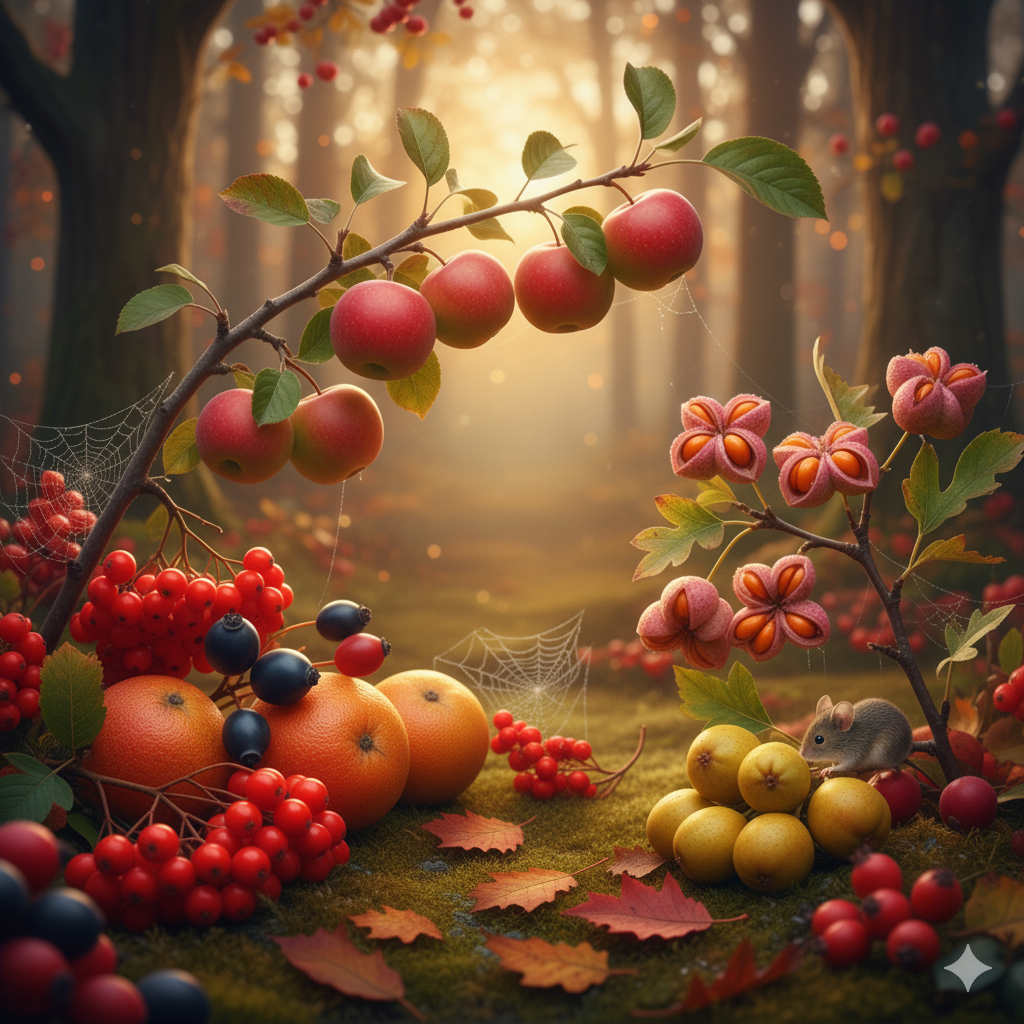
As the last of the summer flowers fade, October’s landscape reveals a new kind of beauty: a dazzling display of fruits and berries. This is the month when nature trades petals for jewels, with shiny, vibrant treasures hanging from every branch. Discover the astonishing diversity of the Sorbus family, whose rowans and whitebeams offer berries in every shade from scarlet red to pearly white. Marvel at crab apples that hang like festive ornaments and learn to distinguish the hips and haws of countless roses and hawthorns. We'll also explore the striking, colourful fruits of the Spindle tree and even seek out rare wonders, like pods of a vivid bilberry blue. It’s a colourful harvest for the eyes.

13-Oct October’s Blaze of Colour
By mid-October, London’s trees put on the most spectacular show of the year. From the fiery crimsons of cherries and sweetgums to the shimmering yellows of limes and elms, every corner of the city transforms into a living canvas of autumn colour. Some trees dazzle with multiple hues on a single leaf—reds, oranges, golds, even peach—while others glow like burnished bronze or marmalade orange against bright scarlet berries. Parks such as Syon, Greenwich, and Cannizaro offer breathtaking displays of rare and exotic species, while streets and gardens boast Japanese maples, cherries, and sweetgums bred for maximum impact. Even familiar species like chestnuts, birches, and poplars surprise with their shifting palettes. Mid-October is truly nature’s grandest performance—don’t miss it.

14-Oct London’s Rare Autumn Trees
By mid-October, London’s streets and parks reveal the subtle beauty of rarer trees—limes, elms, ashes, poplars, and birches—each adding their own autumn signature. From the pale yellow of towering hybrid limes to the golden tones of elms and the purple tints of white ashes, the city becomes a living catalogue of diversity. Poplars shimmer in butter-yellow, while unusual birches, such as the Monarch birch with its giant leaves or the cherry birch with its wintergreen scent, offer delights for both the eyes and the senses. With so many rare and unusual species tucked away in parks like Hyde, Regent’s, and Greenwich, every walk in London this season can uncover something extraordinary.

Return on October 14th to discover London’s rare autumn trees!

15-Oct Wild Mushrooms: Feast or Fatal?
London’s woods and parks hide a treasure trove of wild mushrooms—some delicious, some deadly. From the prized Cep, Chanterelle, and Giant Puffball to the humble Oyster and Jew’s Ear, edible fungi have long been sought after by foragers across cultures. Yet alongside these favourites lurk dangerous lookalikes: the Deathcap, Destroying Angel, Yellow-staining Agaric, and Stinking Parasol, to name a few. While many species appear in surprising places—even truffles on old estates—the risks of misidentification are real, and some rare mushrooms are now in decline. With so many myths and confusions surrounding fungi, the best advice for most Londoners is to admire them in the wild and buy edibles from trusted sources.

Return on October 15th to explore London’s edible and poisonous wild mushrooms!

16-Oct Deadly Beauty: Amanitas in Autumn
Amanitas are perhaps the most iconic of all toadstools—towering, bulbous-based mushrooms that capture the imagination of storybooks and folklore. None are more famous than the Fly Agaric, with its vivid red cap dotted with white, once believed to give Vikings their battle rage and shamans their visions. But the Amanita family carries a darker side. Among them lurks the Deathcap, responsible for more poisonings than any other mushroom in history—claimed to have altered the course of Europe itself. Even rarer species, from the Destroying Angel to the Panther Cap, reinforce their reputation as fungi both feared and admired. With London’s woods now seeing both dangerous and edible Amanitas, foragers must tread carefully.

Return on October 16th to uncover the mysterious world of Amanitas!

17-Oct Milky Mysteries of the Forest
Among the most curious of woodland fungi are the milkcaps — mushrooms that bleed a milky liquid when broken. This strange feature makes them some of the easiest fungi to recognise, though not all are safe to taste. Some are fiery hot, others smell of coconut, shellfish, or even curry powder, and a few can be dangerously poisonous. While most British foragers avoid them, on the continent many are salted, boiled, or fermented to make them edible. Rare gems like the bright orange Saffron milkcap, prized for its flavour, add to the allure of this varied and surprising group. Discover their weird colours, scents, and folklore — but tread carefully if you meet them on the woodland floor.

Check back on October 17th for the full story!

18-Oct Ink Caps: The Deliquescent Mushrooms
Ink caps are the theatrical mushrooms that appear overnight, unfurl pleated white or brown caps, then dissolve into inky, spore-laden liquid within hours. This piece guides you through London’s most noticeable species — from the towering white Lawyer’s Wig (Coprinus comatus), prized by foragers yet fleeting, to the tawny Common Ink Cap (C. atramentarius), notorious for causing unpleasant reactions with alcohol. Meet the glistening C. micaceus, the magpie-striped C. picaceus, and the delicate piano-key and Japanese umbrella miniatures that collapse if touched. Learn where to look — pavements, stumps, wood chips, burned ground and even damp cellars — and discover quirky facts like the Snowy Ink Cap’s powdery coat and C. cinereus’s extraordinary mating system. Return on October 18th.

19-Oct Funnel-caps and Toughshanks
Step into October's woods and meet two unforgettable mushroom tribes: the elegant Funnel-caps (Clitocybe) and the resilient Toughshanks (Collybia/Gymnopus). From the anise-scented, blue-green C. odora to towering troops of C. geotropa, funnel-caps span whites, tans, and tawny browns with gills that run down their stems. Beware the ivory lookalikes, C. dealbata and C. rivulosa, small, pale, and deceptively placed among edible rings. Toughshanks trade perfume for durability: penny-like caps on long elastic stems, woolly-footed clusters, and spotted, springy giants that form dramatic rings under conifers. Colors shift from clay to fox-red, sometimes even purplish, and a few species live on other fungi. Learn how scent, texture, habitat, and cap shape turn confusion into recognition on a crisp autumn ramble.

Return on 19-Oct for the full story!

20-Oct Woodland Bonnets: Tiny Toadstool Wonders
Bonnets (Mycena spp.) are the tiny, bell-capped toadstools that pepper autumn leaf litter and dead wood in surprising abundance. Delicate yet persistent, their conical caps sit on hair‑thin stems that often snap when handled, though in a basket they’ll neatly realign to shed spores again. Field identification is a delightful puzzle: scents can range from radish and meal to ammonia or even nitric acid; some bleed colored latex, from orange‑red to pale or deep blood; others glow in unusual hues—lilac, rose, apricot, or ash grey. Meet a few London regulars: the Grey Bonnet with cross‑veined gills, steel‑capped Roofnail with silvery‑striated stem, and the clustered, rancid‑scented Oak Bonnet. Plus, the cosmopolitan Lilac Bonnet and its rosy cousin. Ready to look closer?

Return on 20-Oct for the full story!

21-Oct Poison Pies and Knights
Step into London's autumn glades where look-alike toadstools hide intriguing secrets. Meet the Poison Pie, Hebeloma crustuliniforme: pale doughy caps shaped like raised pies, creamy gills that bead with droplets, and a telltale whiff of radish—memorable for the wrong reasons. Its kin sport scents from almonds and cocoa to cheap orange blossom, and some even tap into underground carrion like macabre "ghoul" fungi. Then contrast them with the Knights (Tricholoma): sturdier, scaly, and flour-scented, in shades from conker-brown to sulphur yellow and slate grey, sometimes soap-scented, sometimes smelling of coal gas, and occasionally edible—though confusion makes caution wise. From pinewoods to poplar stands, discover how cap texture, gill spacing, habitat, and smell unravel identities in the field, and why timing in late October matters.

Return on 21-Oct for the full story!

22-Oct Fibrecaps: Poisonous Mushrooms in Disguise
Meet the fibrecaps, an overlooked clan of woodland fungi with deceptively charming looks and dangerously potent secrets. Often small with conical, split caps and long stems, these mushrooms range from tawny and russet to satin white and lilac—some even flush red at a touch. Inocybe geophylla gleams like porcelain and smells of fresh potatoes, while its lilac twin can mimic the edible Amethyst Deceiver unless you check the gills. Many species occur around London, yet most are inedible or outright poisonous, some loaded with muscarine at alarming concentrations. Still, they fascinate: from honey and pears to gingerbread and radishes, their scents are astonishing. Step into autumn woods to sharpen your ID skills—and your caution.

Return on 22-Oct for the full story!

23-Oct Pinkgills: The Grand Poisoner
Pinkgills (Entoloma spp.) are classic toadstool shapes in muted tones — beige, lead-grey or soft violet — with crowded gills that age to pink and often a robust, fleshy habit. Caution is vital: Entoloma sinuatum (the “Grand Poisoner”) is responsible for many serious poisonings and can occur in London, especially under beech or oak on chalky soils. Note its domed, silky lead-coloured cap with a central umbo, citrine-yellow gills that turn salmon-pink, a hollow tough stem and a mealy‑cucumber smell. Many other Entolomas prefer old grassland or lawns and can change colour with weather; smells range from bleach to pear‑drops. Learn the field clues — cap hue, gill colour, habitat and texture — to avoid dangerous confusion with edible species.

Return on 23‑Oct for the full story!

24-Oct Puffballs, Earthballs and Other Oddballs
As autumn settles over London's parks and beechy edges, the secret lives of puffballs and their kin come into focus. Watch raindrops tap tiny white drums, releasing smoky bursts of spores; meet the Giant Puffball, a kid-leather globe that can rival a football; and glimpse devil's snuffboxes, golf-ball Bovista, tawny earthballs, and uncanny earthstars that unfurl clawed arms. From Victorian suppers and bee-calming smudge to natural dyes and weather-reading fungi, these stomach fungi are stranger and more generous than legend suggests - yet most leave just one successor to hold the line. Wander sandy soils, chalky woods, and old walls for stiltballs on spindly stalks and paltry puffballs rolling free on the breeze. Curious? Step closer and see their tiny spore clouds.

Return on 24-Oct for the full story!

25-Oct Webcaps: London’s Elusive Jewel Fungi
Meet the webcaps, the sprawling Cortinarius clan—Europe’s most species-rich larger fungi and arguably the trickiest to name. In London’s older woods, their arrival sparks excitement: these elusive mushrooms may signal rare, undisturbed habitats. Identifiable by a delicate cobweb veil and often a sticky cap, webcaps dazzle across a spectrum from ochres and tans to unforgettable purples and startling blood- and cinnamon-reds. Subgroups like Telamonia, Dermocybe, Myxacium, and Phlegmacium hint at ID, but microscopes usually finish the job. Admire, don’t taste: orellanine toxins have caused kidney failure, and several species are endangered. Seek them in quiet, ancient woodland—think shaded beech and conifer glades—where lilac gills, cinnabar bands, or a cedar scent might stop you in your tracks.

Return on 25-Oct for the full story!

26-Oct Slime Moulds — London's Living Jewels
Curious, otherworldly and often overlooked, slime moulds are neither plants nor fungi but close kin to amoebae. In damp autumn woods they creep as yellow or porridge‑coloured plasmodia that flow over rotting wood, then transform into bizarre fruiting bodies — tiny puffballs, drumsticks, fans or miniature wine‑glasses — many with an iridescent, jewel‑like sheen. Some common sights include Fuligo’s “scrambled egg” plasmodium, Brefeldia’s porridge‑white sheets and Lycogala’s creamy “wolf’s milk.” More than 200 species have been recorded in London alone. Bring a lens and a damp log: a single morning can reveal a miniature world you won’t forget.

Return on 26‑Oct for the full story!

27-Oct London’s Autumn Colour Spectacle
Late October in London is a study in colour theory. As chlorophyll retreats, hidden pigments burst through: butter and cadmium yellows, ember reds, saffron, and wine-dark purples drifting from canopy to crunching carpets underfoot. Beech woods near their apogee glow, while birch and hornbeam flare gold; wild service trees flash briefly. Look for sweetgums, tulip trees, rowans, and American oaks blazing; smoke trees and Japanese maples at Kew, Wisley, and Holland Park’s Kyoto Garden pour out fire-box reds. In Battersea Park’s winter garden, Persian ironwood leaves mosaic green, crimson, orange, and yellow on patchwork bark. Meanwhile planes parchment, larches gild, and Sassafras cycles from pink stems to citrus tones. Wind may hurry the show—see it before it slips to the ground.

Return on 27-Oct for the full story!

28-Oct Mammals: Autumn on the Move
October’s bounty sends London’s mammals into a bustle of foraging, territory‑setting and dramatic displays. Hedgehogs and squirrels race to fatten up, foxes and otters probe river mouths, mice and voles seek warm shelter, and bats and shrews scramble for winter survival. The month’s spectacle is the rut: look to Richmond Park and other large green spaces for roaring red stags and scrapping fallow bucks—best viewed from a distance with binoculars. Watch juveniles now: many wander and are vulnerable to predation and traffic.

Return on 28‑Oct for the full story!

29-Oct Cold-blooded Londoners — Reptiles, Amphibians & Fish
As nights cool, London’s cold‑blooded wildlife shifts into survival mode: adders and common lizards seek hibernation burrows, slowworms lie already dormant, and frogs, toads and newts search out snug winter quarters. In rivers and ponds trout may still be spawning, eels head downstream for the Sargasso, and the steadily recovering Thames now hosts pike, carp and many other species — with the occasional lamprey turning up as an intriguing reminder of the river’s past. Watch quietly at ponds, river edges and reedbeds this month and you may catch a last glimpse before winter stillness.

Return on 29‑Oct for the full story!

30-Oct Calm Moths on Autumn Nights
By late October, moth numbers plunge, and many lepidopterists retire their traps until spring. Yet the night still rewards patient eyes: calm, sugar-seeking visitors linger on ivy flowers, overripe blackberries, fallen fruit, and even glowing windowpanes. With cooler air they flush less, letting you admire the subtle beauty of noctuids and geometers—sleek Silver Ys, sooty Black Rustics, rosy and yellow-line Quakers, beaded Chestnuts, and the jagged-edged Thorns. Look for astonishing palettes of ash and slate greys, chestnut and clay browns, with silver glyphs, crescent rings, and kidney-shaped marks revealed under a hand lens. In the right habitats, carpets drift by; with luck, a Merveille de Jour or Green Brindled Crescent adds a dash of green. Autumn nights still hum—if you know where to look.

Return on 30-Oct for the full story!

31-Oct Halloween Invertebrate Hunt in London
On 31 October, London’s Halloween lore meets the living world under our feet. Witches’ brews once called for Mugwort (Artemisia vulgaris), a moon-blessed herb still sprouting along city paths, while Nutcrock night tested lovers’ fates by the hearth. Step outside and the season’s real magic stirs: invertebrates thrive as mammals slow. Lift leaf litter to find scurrying ground beetles, pill woodlice curling into perfect spheres, sleek centipedes and shadowy millipedes, plus spiders, harvestmen and dancing craneflies. Look closer—tiny pseudoscorpions brandish miniature pincers, and tardigrades lumber like microscopic bears on moss. Blackbirds, gulls and rooks know this feast well, tossing leaves and probing turf for leatherjackets. Explore rotting bark, stones and soft soil; an entire Halloween city is awake and busy.

Return on 31-Oct for the full story!

London Nature Day by Day

London, United Kingdom

All rights reserved © London Nature Day by Day

Contact us via email.