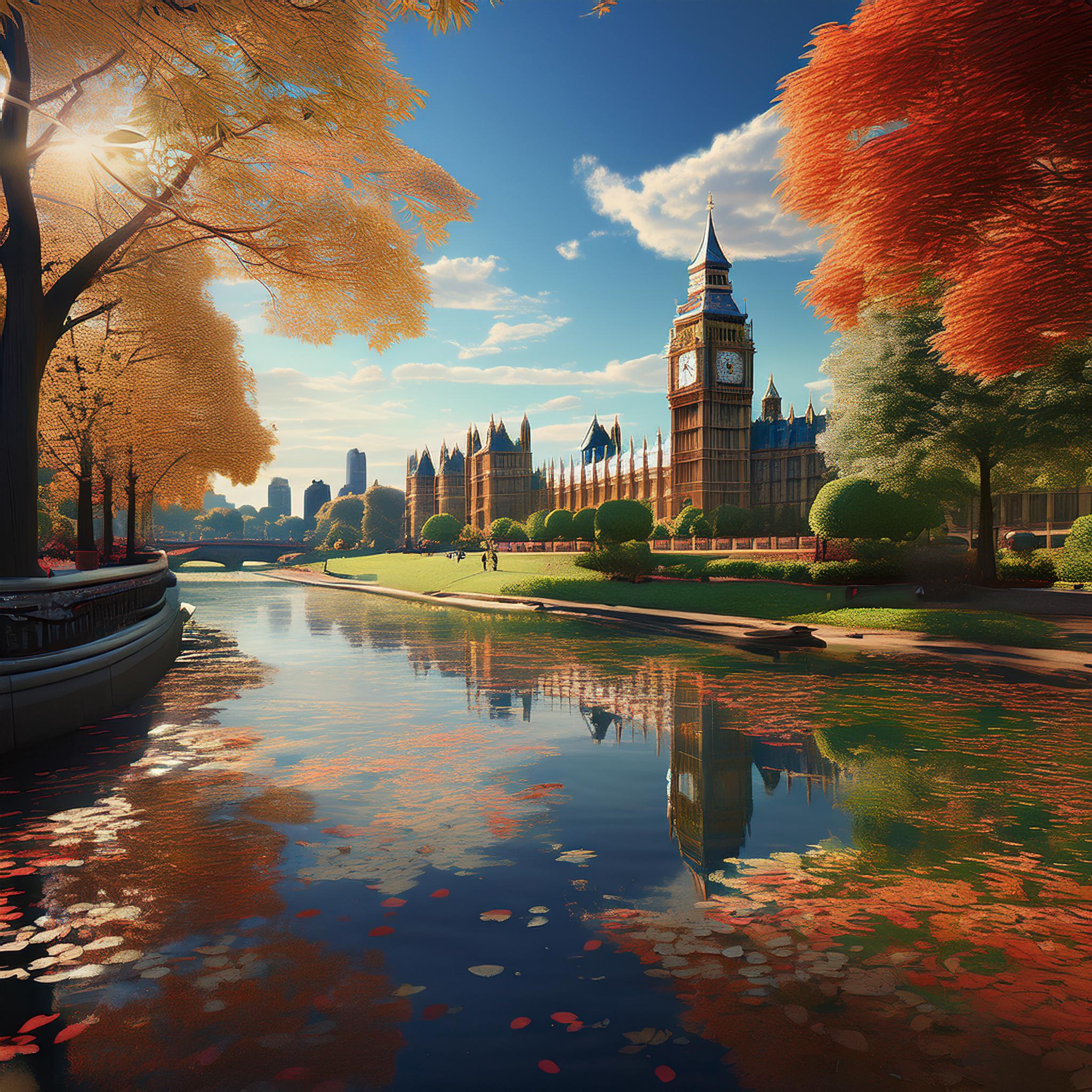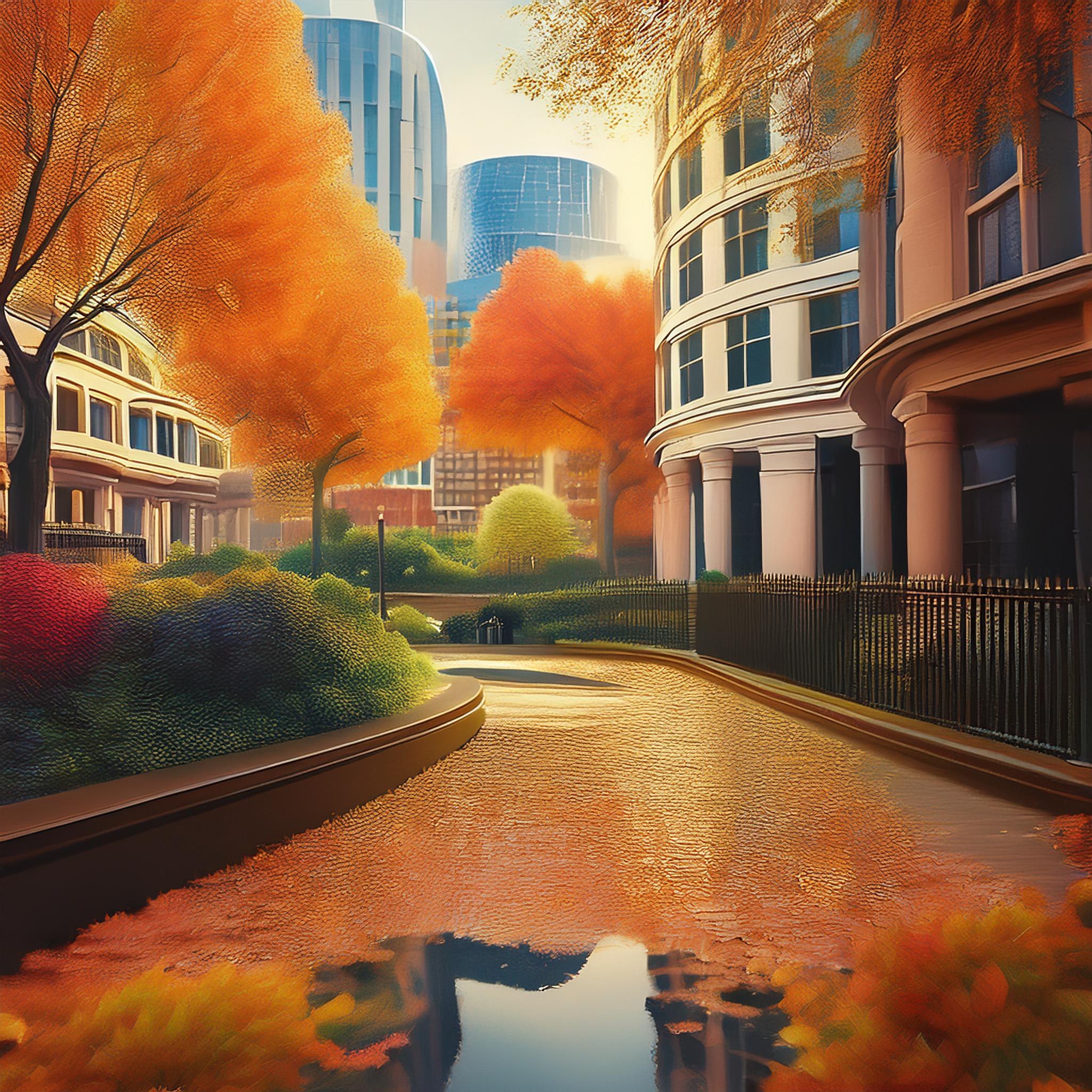
01-Oct Guide to Autumn Splendor Tile Image

01-Oct Guide to Autumn Splendor

Summary

On October 1st, delve into the heart of autumn with "October's Enchantment." Witness the dramatic transformation as trees burst into vibrant colours, the air fills with the calls of deer, and London's parks and woodlands come alive with the hues of fall. Discover the rich tapestry of nature as fruits ripen, birds prepare for migration, and the landscape is adorned with colourful fungi.

Join us for an insightful journey through the peak of autumn, where every corner of nature is teeming with life and the beauty of the season is on full display. Whether you're a nature enthusiast or simply curious about the seasonal shifts, this article will captivate and inspire you.
Article

Introduction

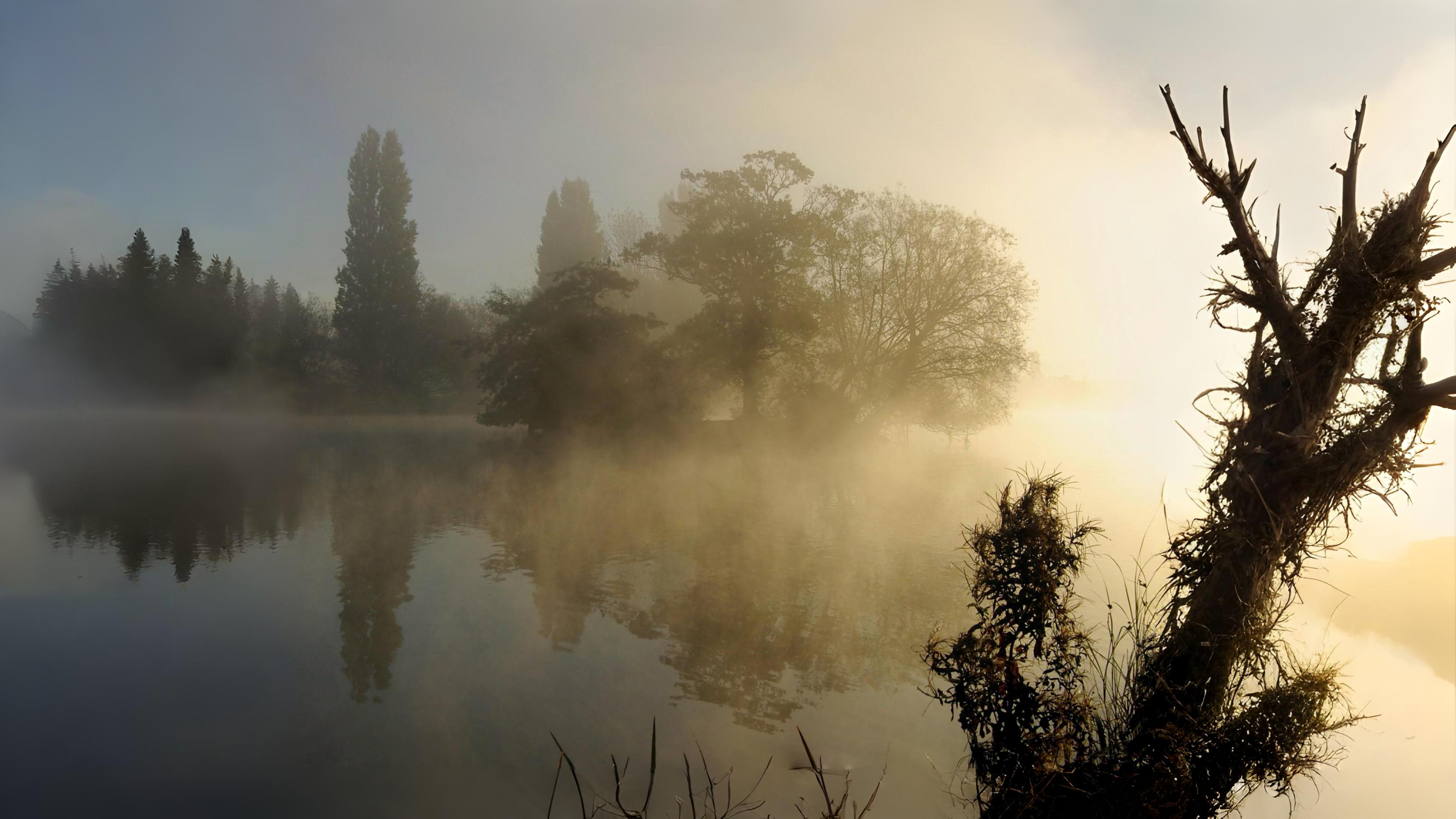
For the Anglo Saxons, October was the month of the full moon in which winter began. The next full moon after the harvest moon of September is the hunter’s moon which is equally as large and follows the equinox. Weather-wise the month can be skittish, with summer to some extent still intermingling with autumn. Temperatures slowly decline in tandem with the decreasing hours of sunshine. Windy days with fast moving clouds make for enjoyable walks along the estuary and calm days with blue skies are better spent in woodland.

01-Oct Guide to Autumn Splendor Section Image

01-Oct Guide to Autumn Splendor Section Image

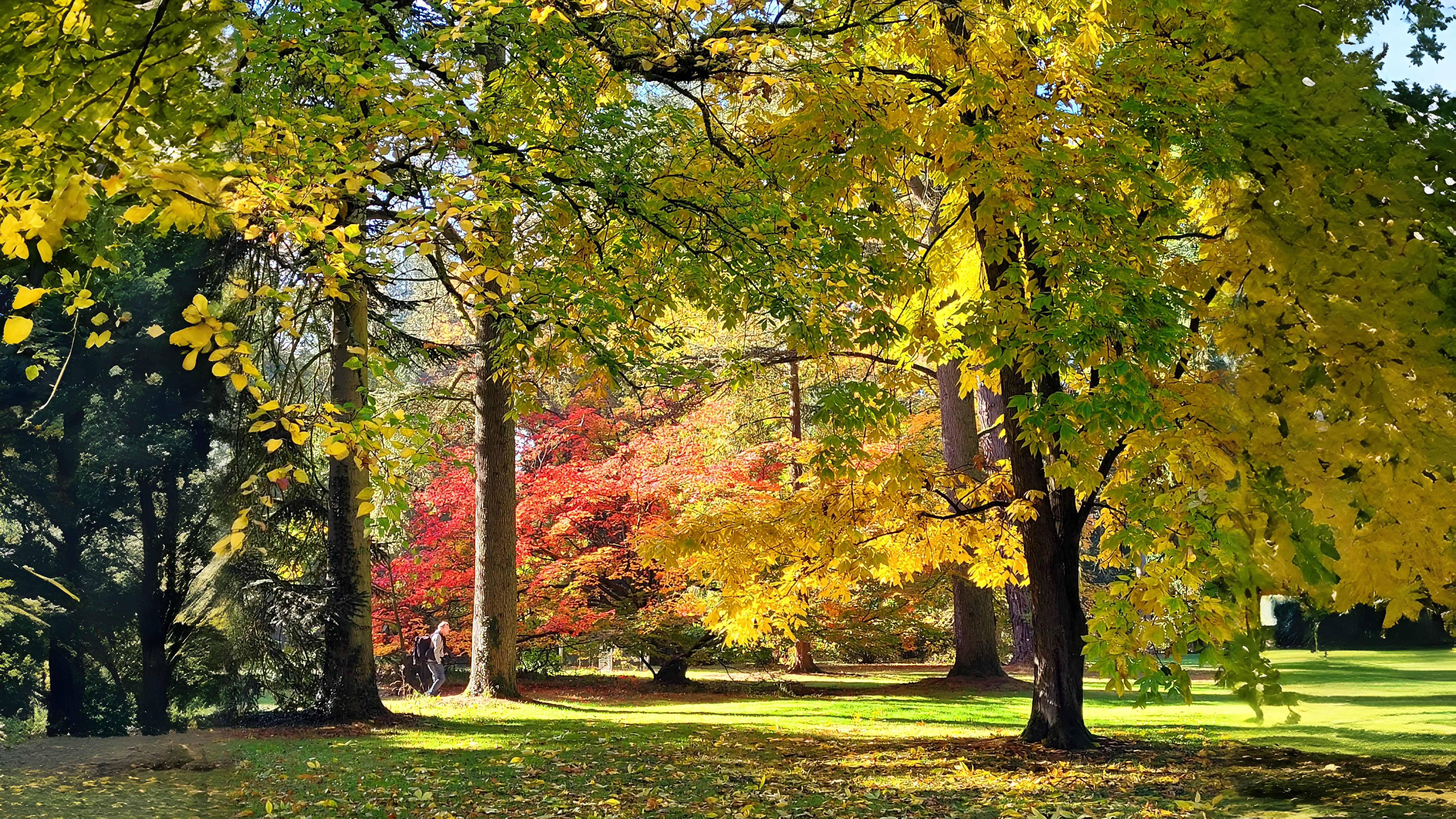
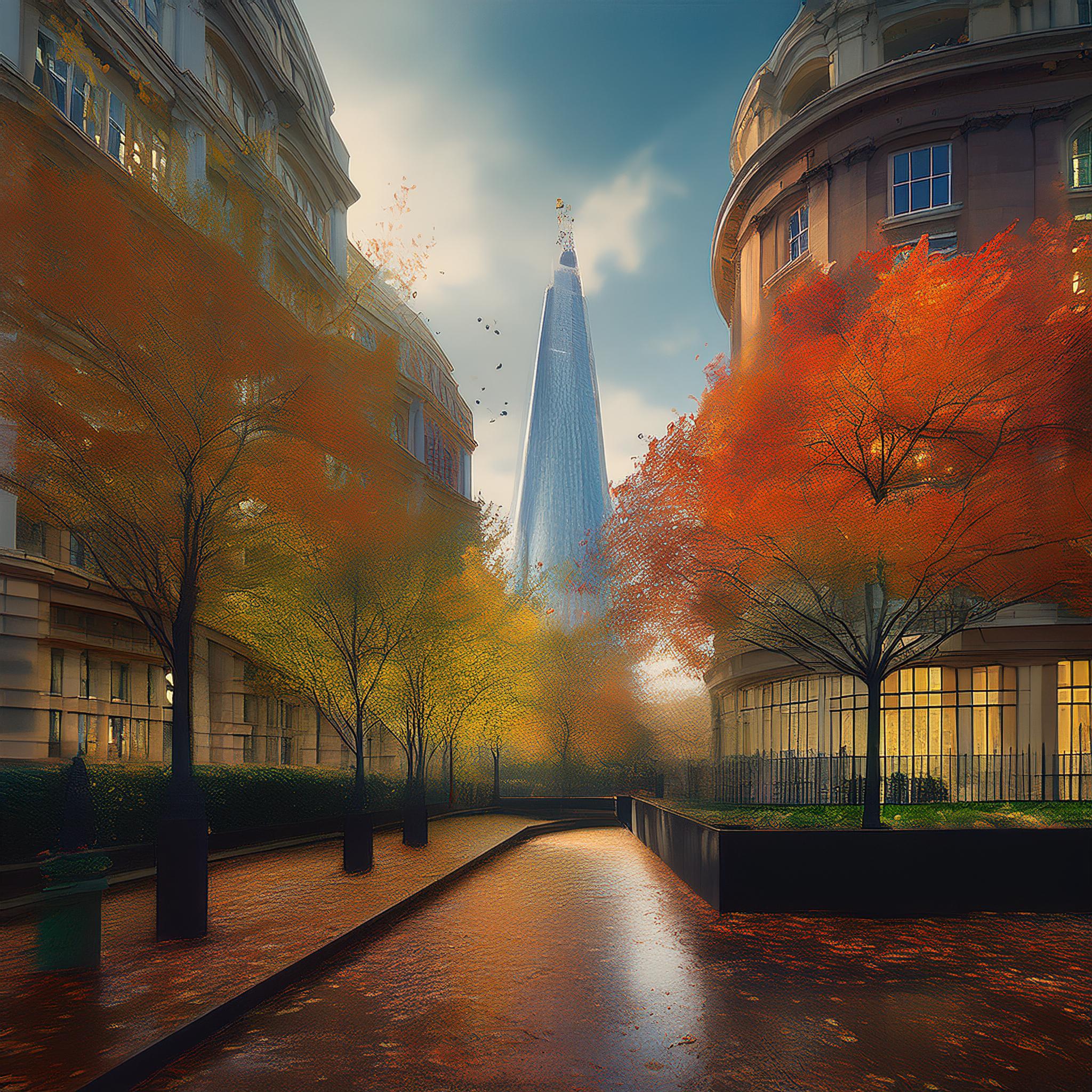
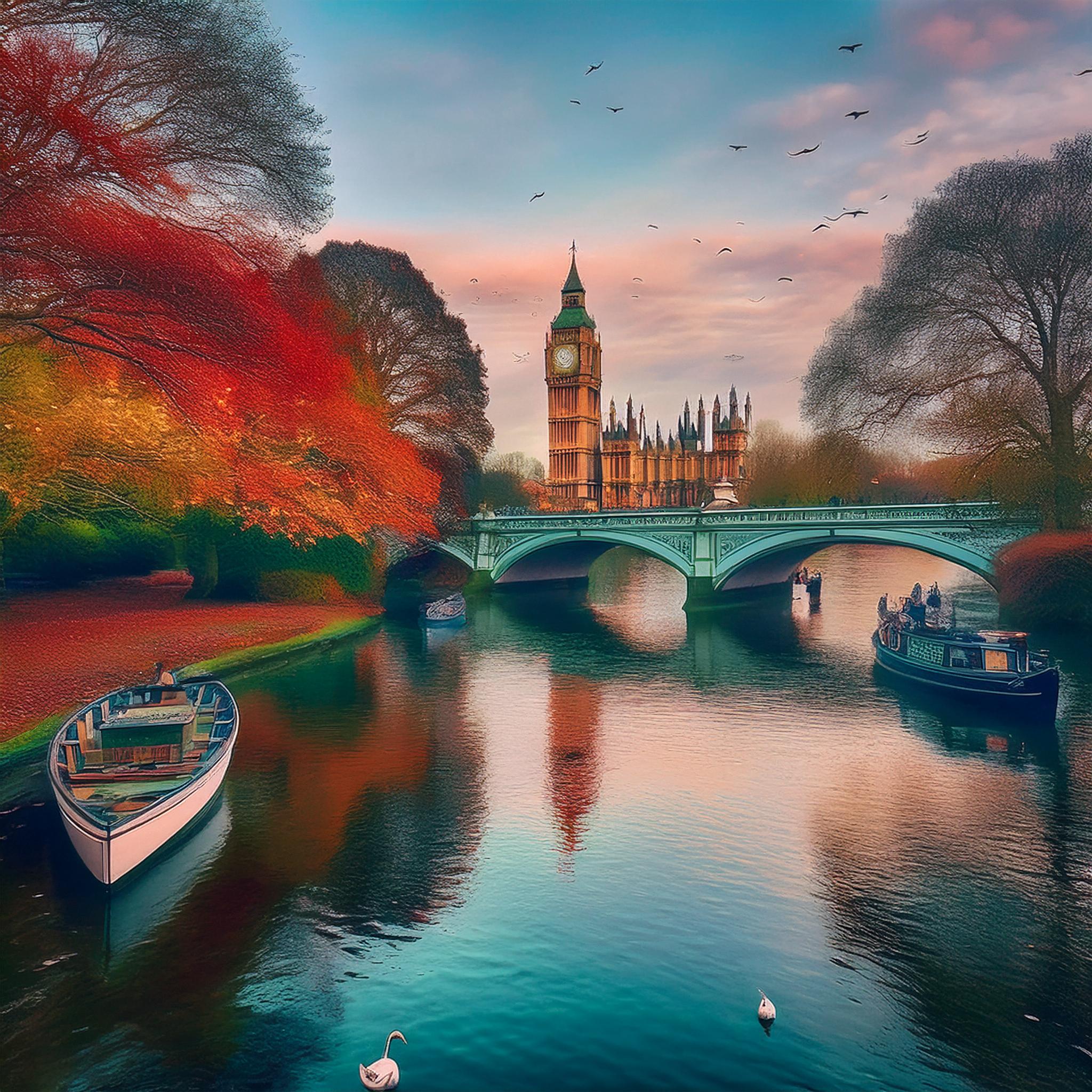
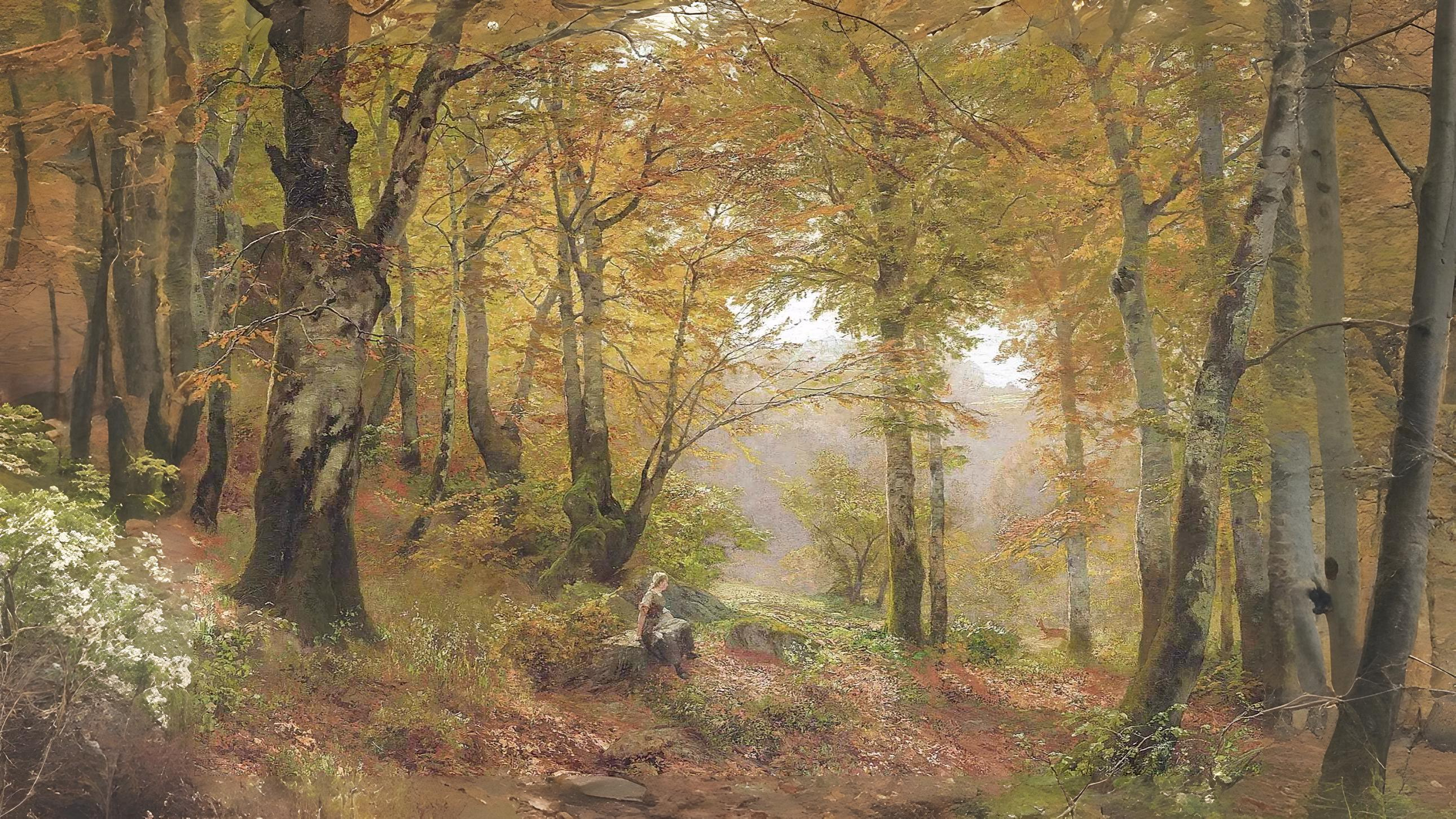
Every Londoner should walk in either a mixed deciduous or beech wood in October because of their colours. Whereas summer reached its height in July, autumn now reaches its apogee in October. Other places worth exploring are old hedges in country lanes which abound in fruit and London’s tree collections including those in parks which are now at their most colourful. Sometimes there is an unexpected warm spell around the 18th October, St Luke’s day. In the past this was important as it would have been the last chance to bring in the harvest. It was called ‘St Luke’s little summer’ if it was short and either ‘St Martin’s’ or an ‘All Saints summer’ if it was longer. Swedes, turnips, beet and potatoes could all still be taken in.

01-Oct Guide to Autumn Splendor Section Image

01-Oct Guide to Autumn Splendor Section Image

It is generally a quiet month, sometimes with a profound stillness. Newly arrived birds in gardens may be heard a little more, but no full songs, and possibly owls at night. Pheasants can also be noisy as we see them crossing roads. Reared ones move shambolically whereas the wild ones are more strutting with their vertical tails. The most arresting sounds of the month are those uttered by male deer calling loudly, possibly even at night, to secure their harems for next year. The greatest spectacle of the month is undoubtedly the dramatic change in colour of the whole landscape as trees colour up and start to lose their leaves. These colour changes are even more varied in central London because so many foreign trees have been planted. With the centre of the city being slightly warmer, autumn can come a little earlier than in the surrounding countryside where trees may still be in full leaf.

01-Oct Guide to Autumn Splendor Section Image

01-Oct Guide to Autumn Splendor Section Image

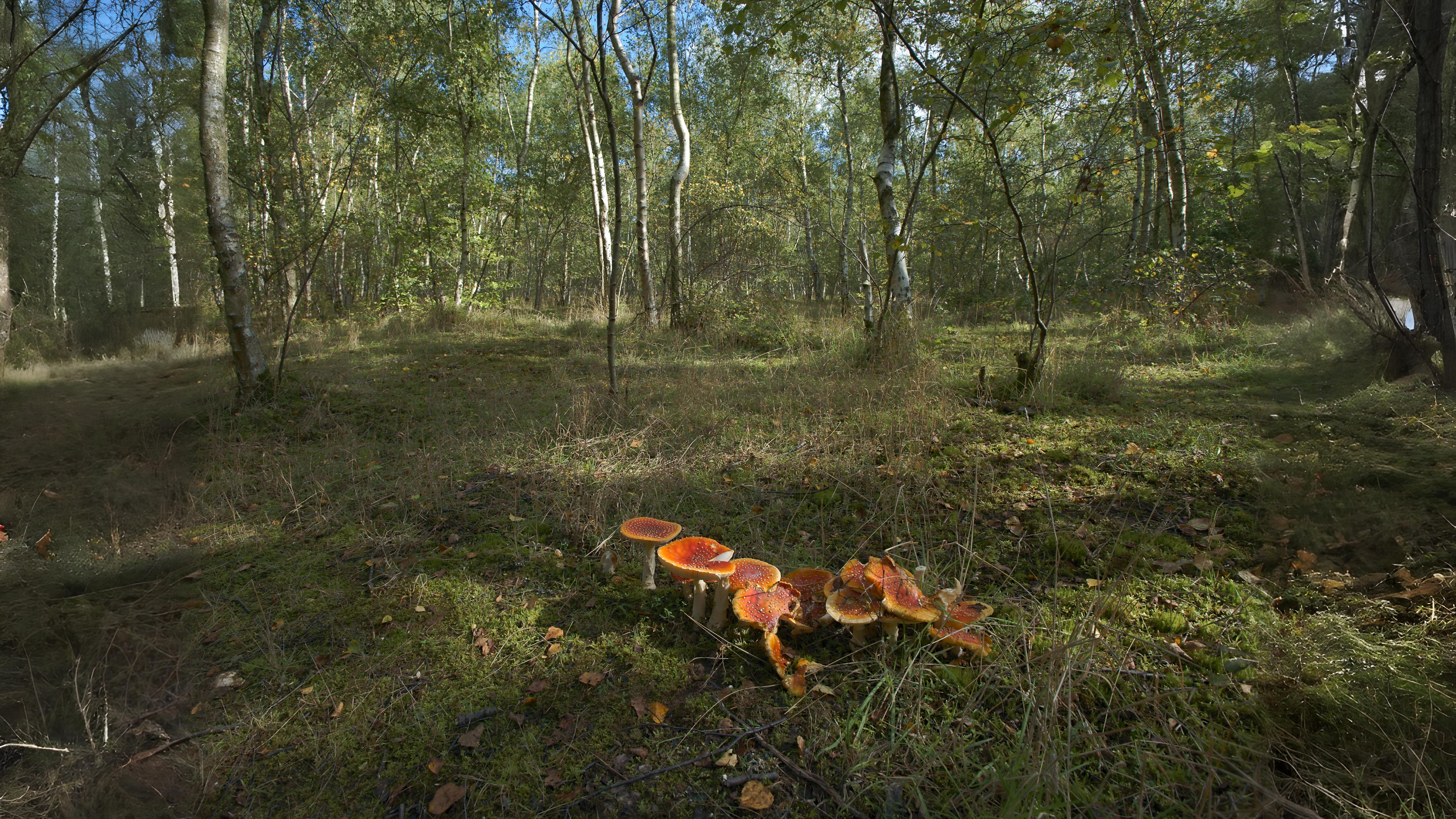
It is usually in the third week of October these colours reach their zenith complemented by all the new colours of different fungi on the woodland floor. There is also often a sweet smell of decay, which is quite typical of October as is the smell of burning leaves.

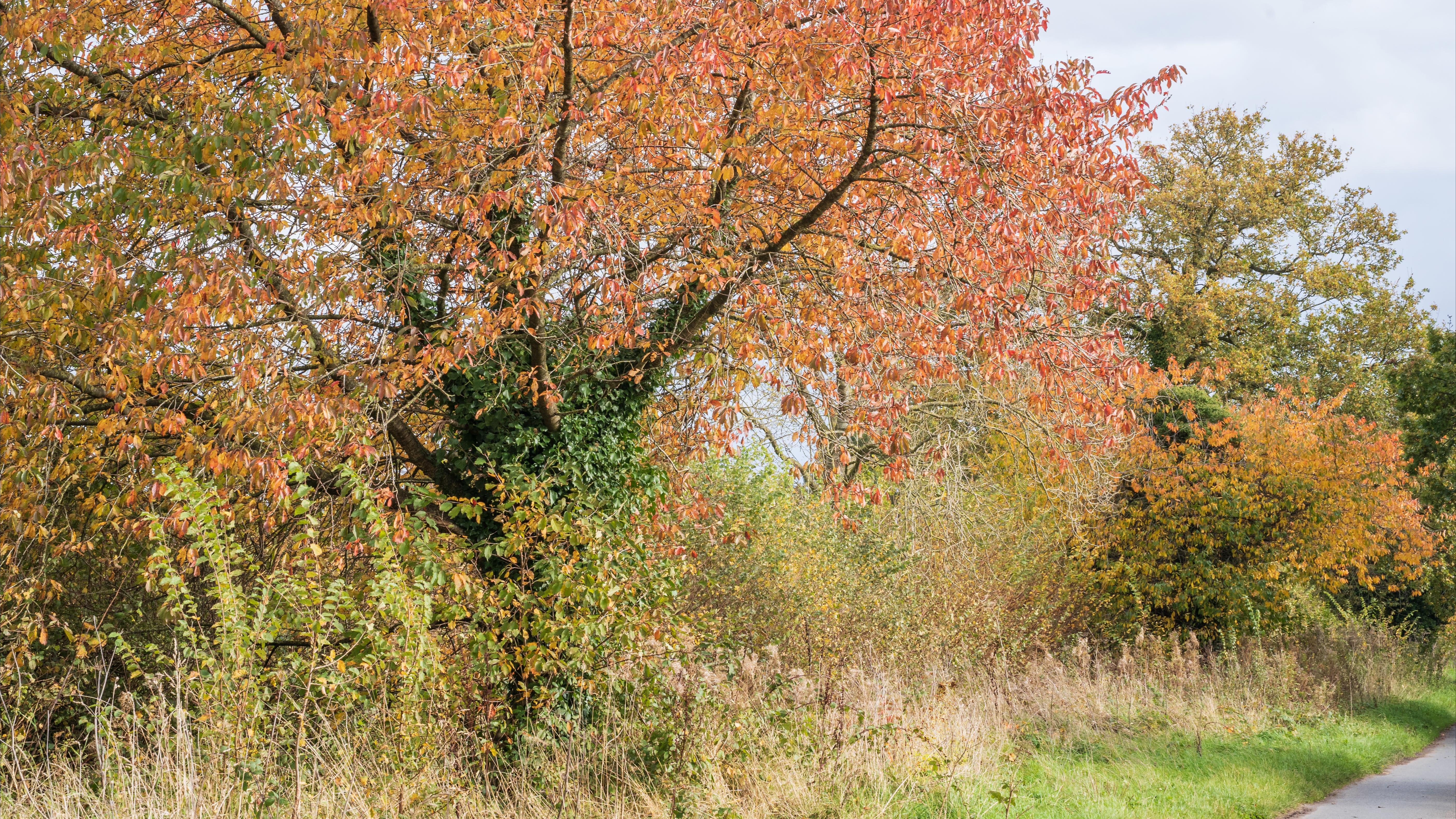
It is the month for fruits, with hedgerows which were open and lime green in the spring now impenetrable due to scrambling plants.
01-Oct Guide to Autumn Splendor Section Image

01-Oct Guide to Autumn Splendor Section Image

Londoners have picked fruits from hedges for centuries, especially apples, rosehips, sloes and blackberries. Fallen fruit with their yeasty smells attract what few insects are around, especially wasps. Ivy flowers, still rich in nectar, tend to attract more flies whereas honey bees, which are now absent from meadows, are spending more time in their hives. Other insects are either laying eggs or sealing themselves in pupae to survive the winter.

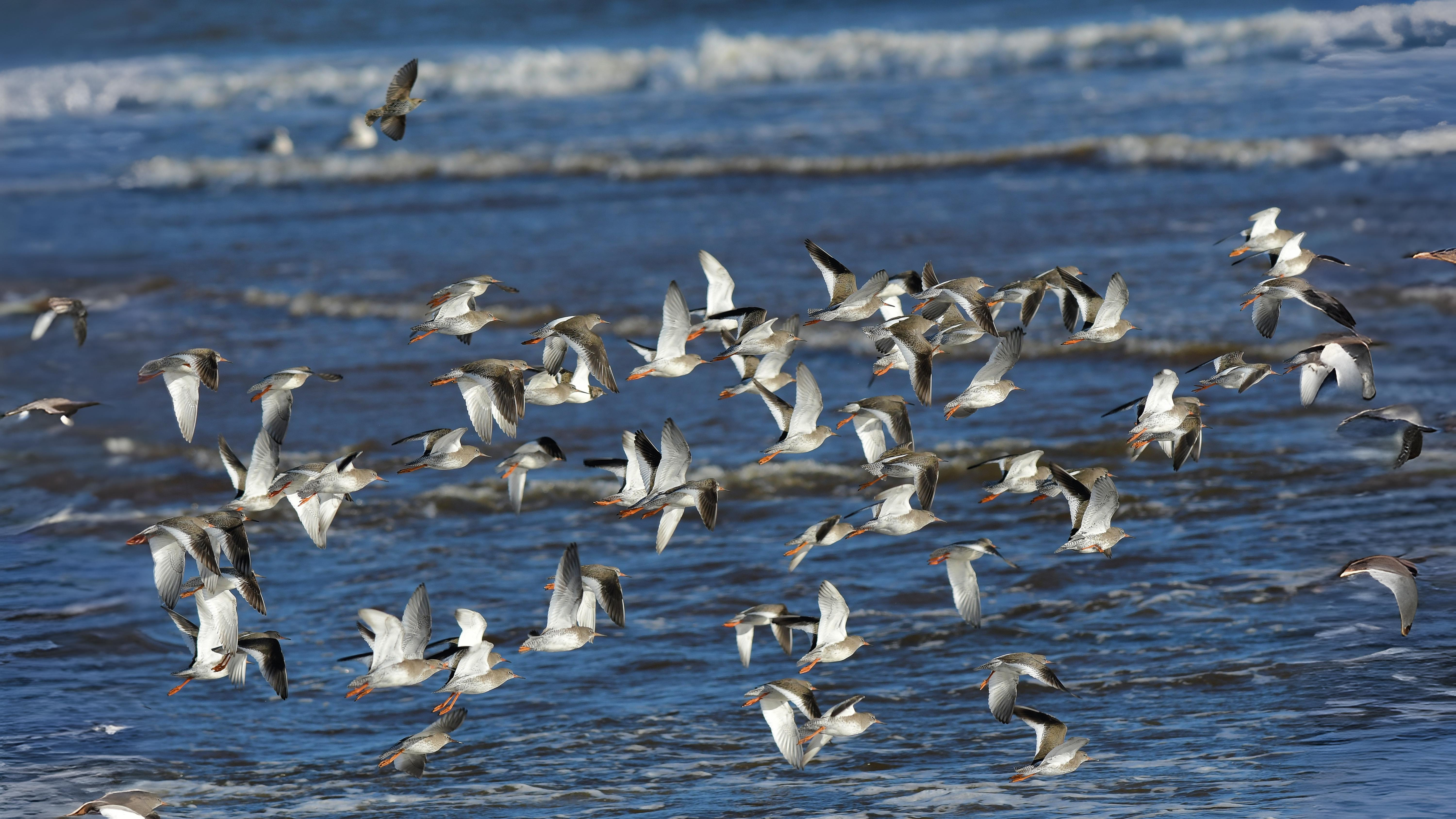
Meanwhile, the great autumn migration continuous apace. October sees a number of ‘rushes’ where unusually large numbers of a particular migrant suddenly pass through the capital e.g. linnets, lesser redpolls or meadow pipits.
01-Oct Guide to Autumn Splendor Section Image

01-Oct Guide to Autumn Splendor Section Image

Some, such as golden plovers and redshanks, stop off on the tidal mudflats of the estuary to refuel where they can occasionally be seen at high tide. Most of our amphibians, reptiles and mammals are already thinking of hibernating.

01-Oct Guide to Autumn Splendor Section Image

01-Oct Guide to Autumn Splendor Section Image

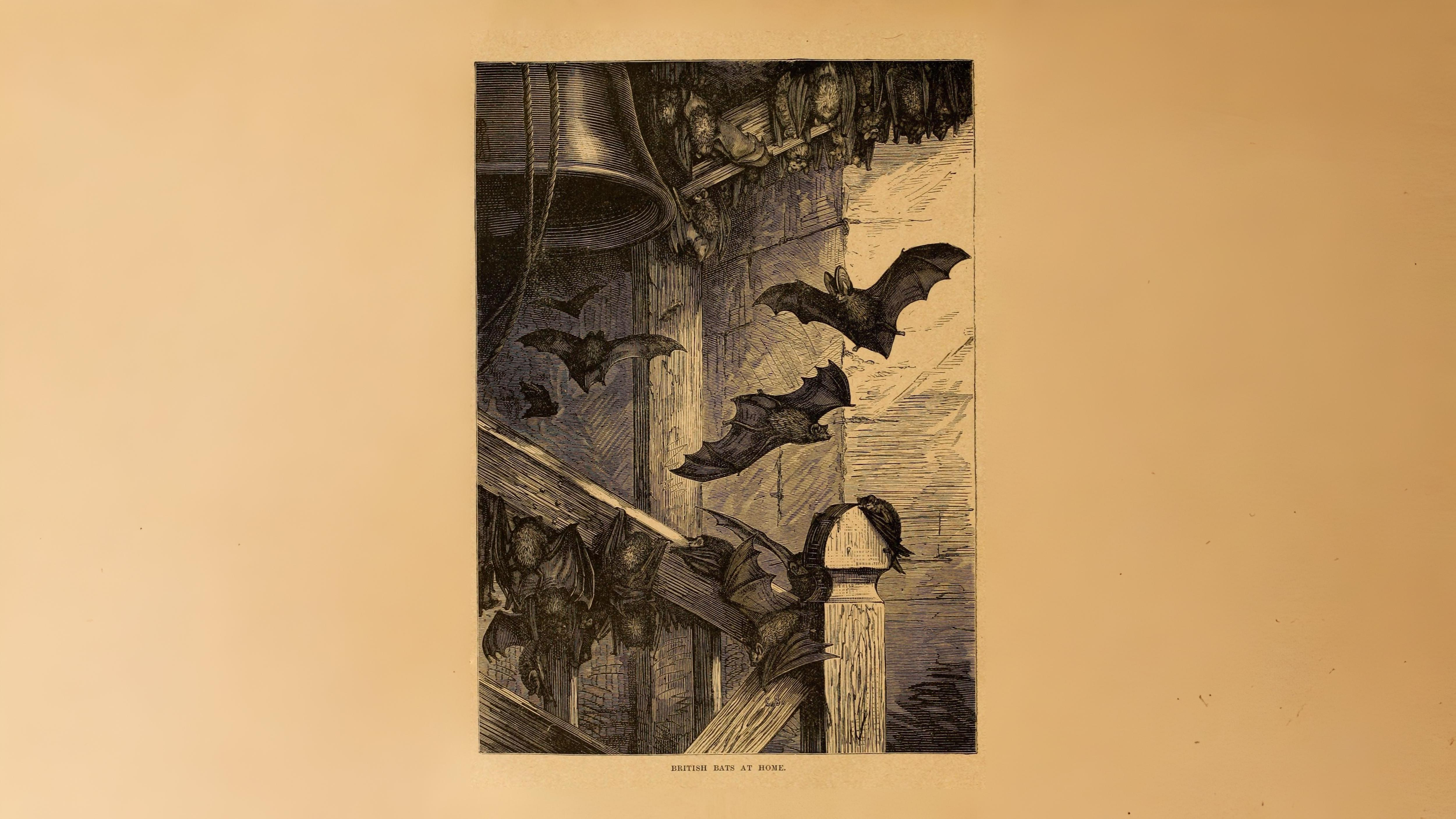
At some date in October all of London’s bats will have retreated to their winter hibernacula. Those animals which do not hibernate will still be collecting fruits and seeds either to build up body weight or lay down as a store for later use. The end of the month sees the much loved festival of Halloween. Fires used to be lit to encourage more heat in the dying sun.

01-Oct Guide to Autumn Splendor Section Image

01-Oct Guide to Autumn Splendor Section Image