Amanitas are perhaps the most iconic of all toadstools—towering, bulbous-based mushrooms that capture the imagination of storybooks and folklore. None are more famous than the Fly Agaric, with its vivid red cap dotted with white, once believed to give Vikings their battle rage and shamans their visions. But the Amanita family carries a darker side. Among them lurks the Deathcap, responsible for more poisonings than any other mushroom in history—claimed to have altered the course of Europe itself. Even rarer species, from the Destroying Angel to the Panther Cap, reinforce their reputation as fungi both feared and admired. With London’s woods now seeing both dangerous and edible Amanitas, foragers must tread carefully.
Return on October 16th to uncover the mysterious world of Amanitas!
Article
Amanitas
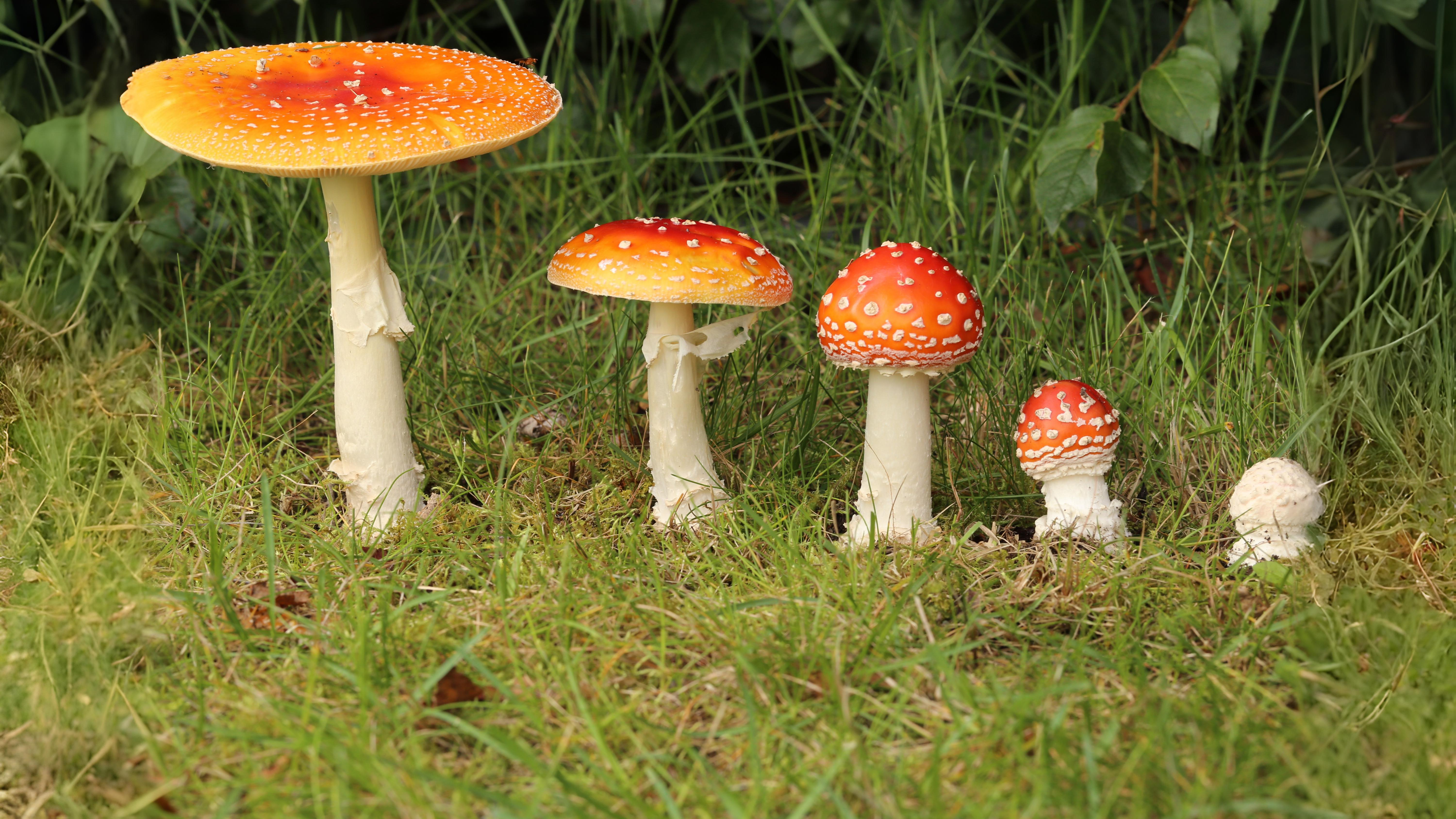
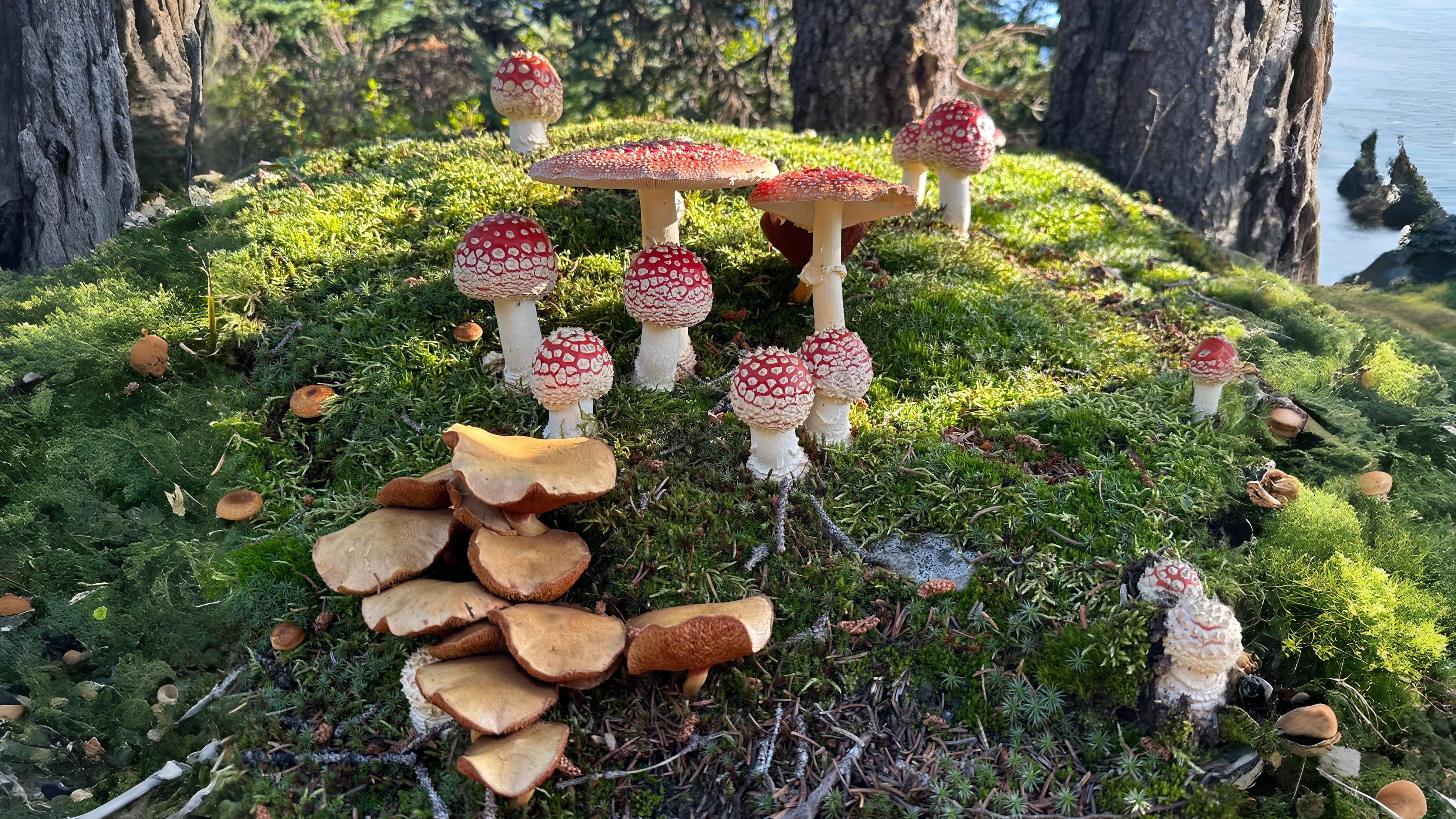
Amanita spp. are the quintessential toadstools. They are usually large, sturdy open cap mushrooms with distinctly bulbous bases. Their statuesque shape always seems to attract attention on the woodland floor and none more so than the Fly Agaric Amanita muscaria. This is the familiar toadstool we have all known since we saw pixies sat on them in children’s story books. Complete with its warning lipstick-red cap it is well distributed throughout London. Some years it “blooms” in a small area as it did in Beacon Wood in Kent in 2005. There the author encountered over one thousand caps in the first fifteen minutes of entering the wood. Such spectacles are rare and unforgettable and make us realise there is a vast hidden interconnecting mycelium underground that is, on occasion, capable of ”fruiting” so prolifically.
Fly Agarics have as rich a folklore as any other creature in London. Small pieces used to be cut up and placed in milk to rid a house of flies. When eaten it causes dizziness, twitching and hallucinations. After eating it shamans would become very agitated and then have their visions. Vikings are said to have eaten it before battle which is why we see them so graphically depicted waving their axes. In parts of Russia, before vodka was invented, it was a popular intoxicant. The amount you ate was important; too much and you went into a “death-like sleep” or in today’s parlance, a coma.
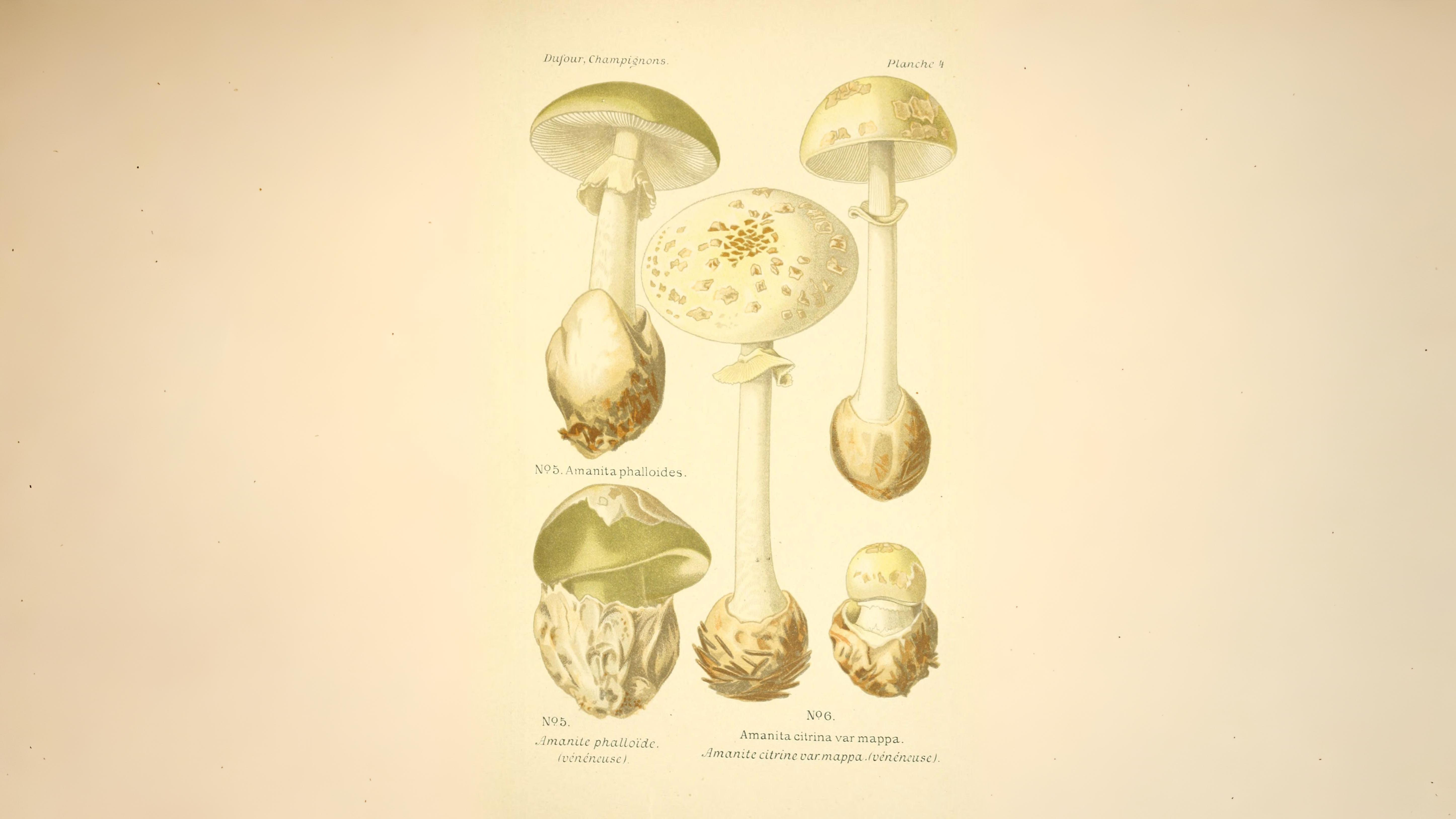
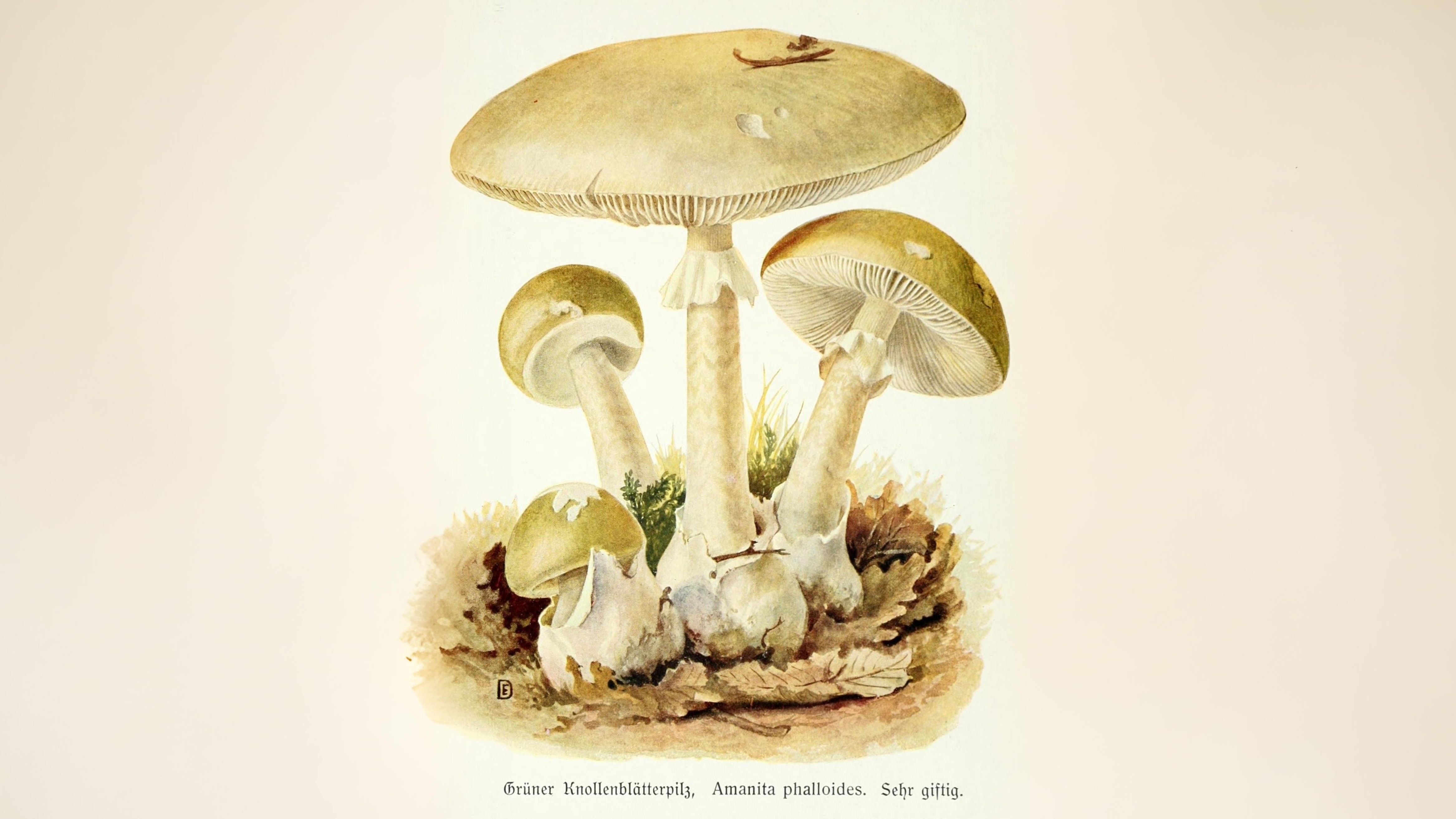
The Fly Agaric is by no means the only dangerous mushroom in this genus. There is also the Deathcap A. phalloides. It has the title of being the most poisonous mushroom in the world, possibly accounting for ninety per cent of all known cases of death by mushroom poisoning. Its list of victims is a long one – the roman Emperor Claudius, a pope, a holy roman emperor and King Charles VI of Austria. Concerning the latter victim, Voltaire wrote dryly “a dish of mushrooms that changed the destiny of Europe”. It only takes a half a cap to bring about a most painful death. After ingestion there are no symptoms whatsoever for at least six hours. This late onset is diagnostic and it is then too late to apply any remedy. The patient then gets stomach pains, diarrhoea, sweats profusely and becomes dehydrated. This continues for about a day before the “honeymoon period” starts when the patient appears to be recovering. Then a second set of symptoms begin, blood in the stools, jaundice and delirium. This leads on to kidney and liver failure with death coming in the next seven to ten days. Any London forager deciding to search for edible wild mushrooms is best to be aware of this before they set off, as at the “button stage” deathcaps can look just like the mushrooms in any supermarket.
Deathcaps occur in small numbers, irregularly in London’s woods. When fully developed their caps are a pale apple green and are reported as smelling of roses. This scent quickly changes to a more sickly smell of old honey. Traditionally, if one is found on a foray and inadvertently picked, everyone is asked to wash their hands before eating anything. Its lookalike is the False Deathcap A. citrina which is very common. It can be told apart as it is more of a very pale citron yellow and always has patches of veil on its cap. It also smells strongly of cut potato. The other great poisoner is the aptly named Destroying angel A. virosa.
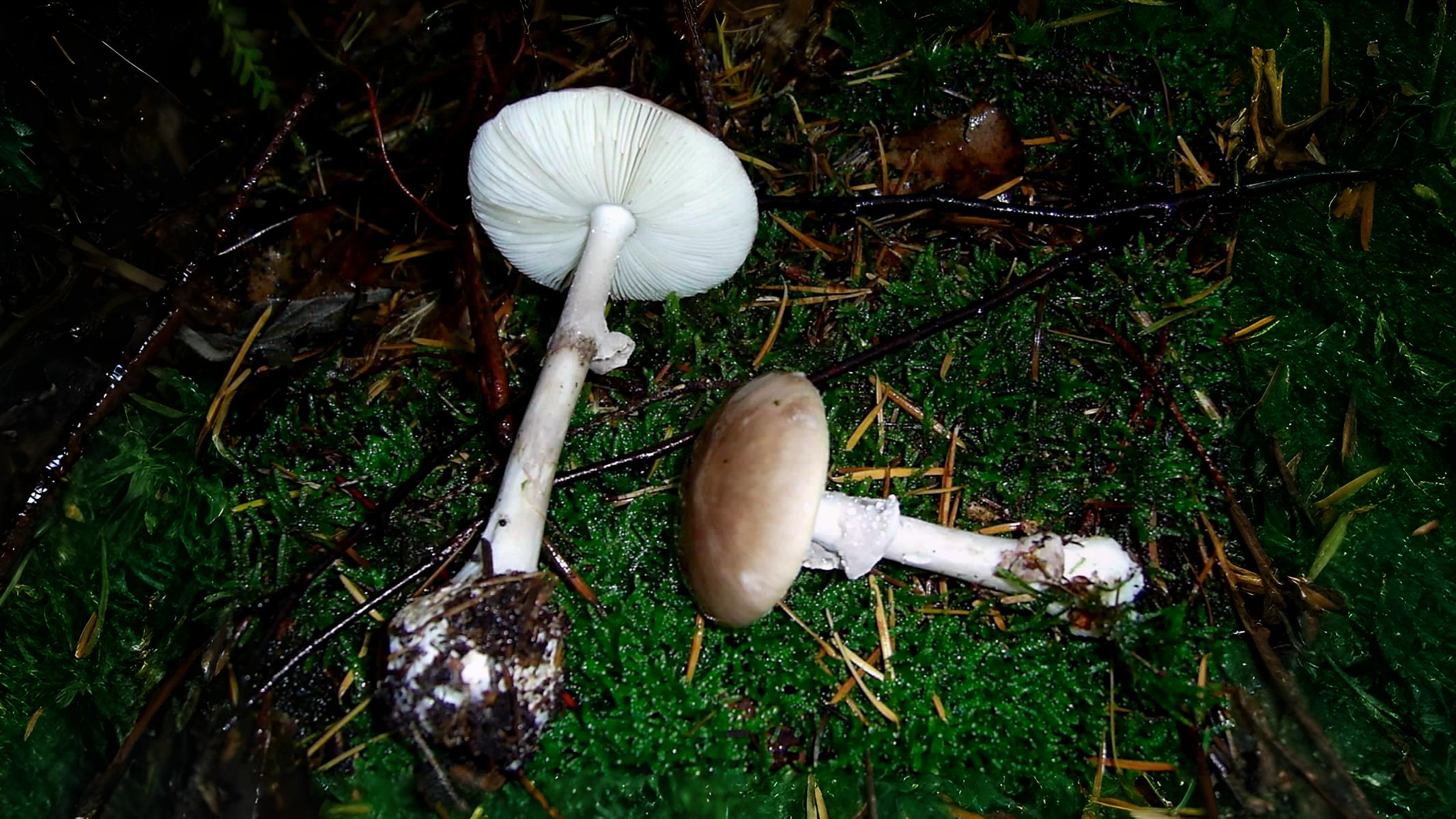
Fortunately this is very rare but has been found a few miles south of the M25. It is completely white and easily confused with the white form of the False Deathcap A. citrina alba. The first smells of honey and the latter of potato. The basal bulbs are also quite different. In the Destroying angel it is not so noticeable, often remaining buried in the soil. In the False Deathcap it is usually robust, round and with a ‘gutter’ from which the stem rises.
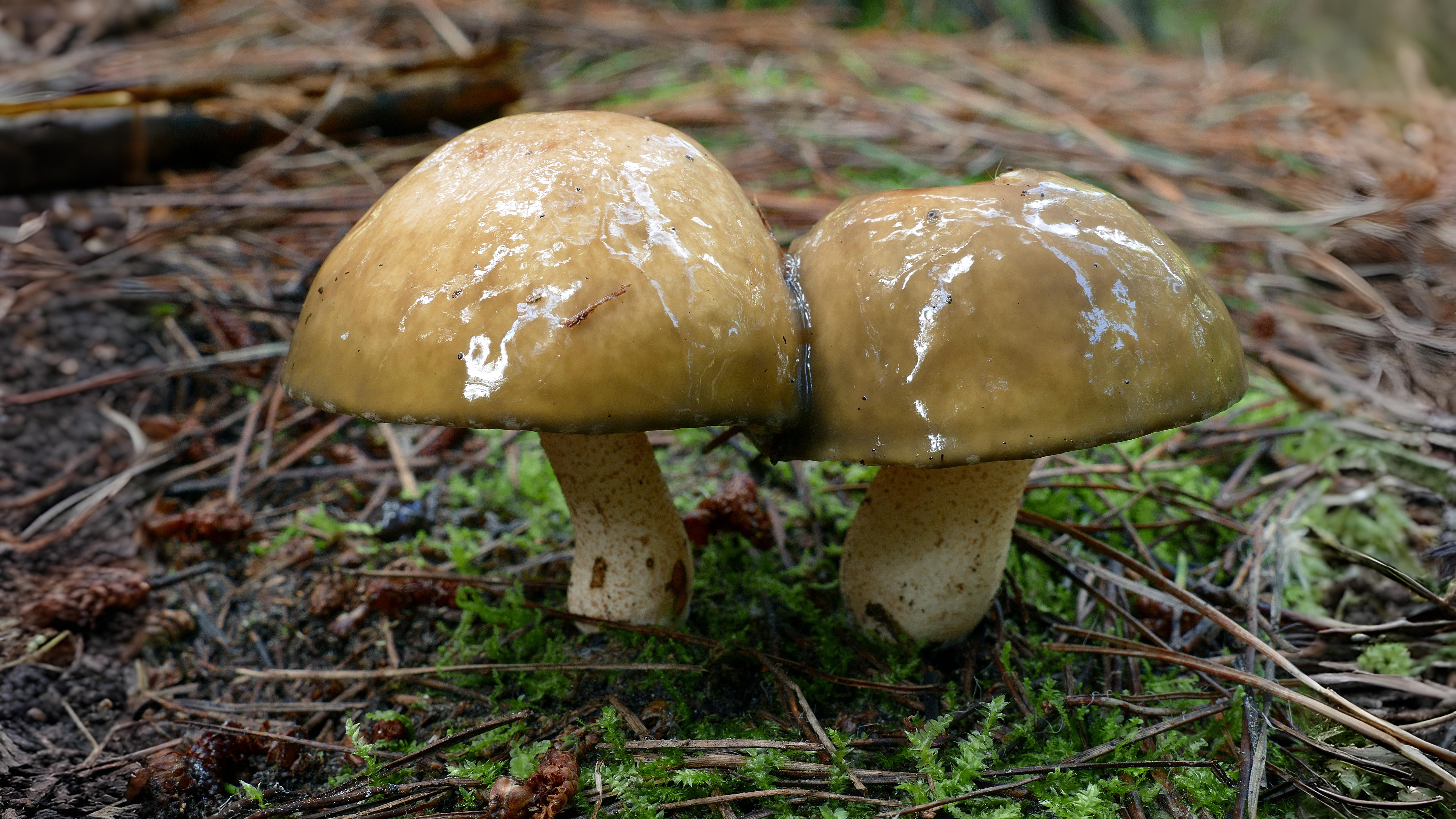
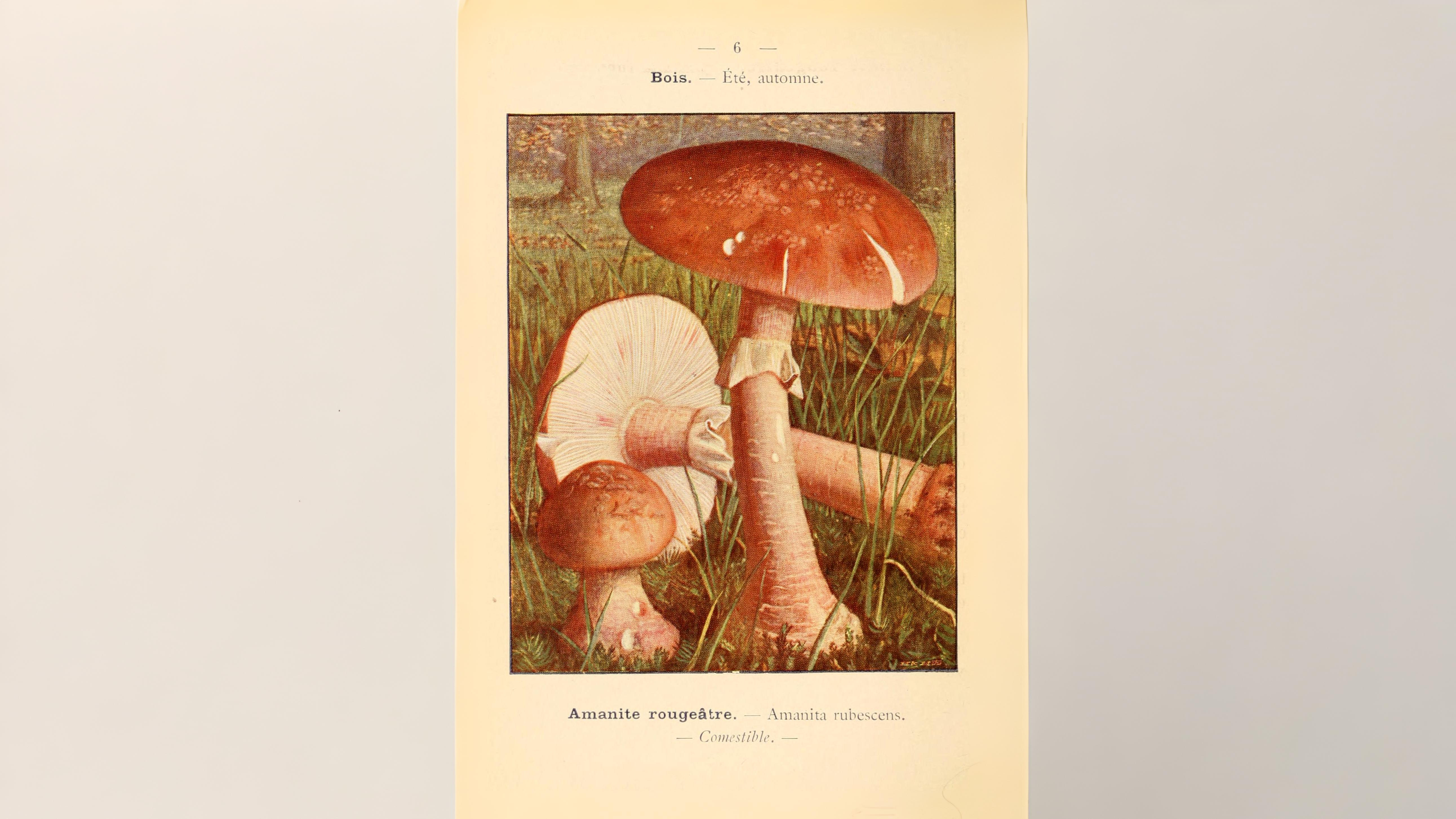
There are Aminatas which some people are quite happy to eat. The Blusher A. rubescens is the most popular and is very common. It is easy to identify as it turns pink if bruised or damaged in any way. With age it flushes a wine-red colour. It does contain toxins but they are destroyed when it is cooked, its good flavour remaining. The other common edible Amanita is the Tawny grisette A. fulva. Its cap is a rich nut brown and is noticeably grooved at the edges. Unfortunately it is so slender and brittle that even in years when it is abundant it is hardly worth collecting. It can also be confused with other grisettes whose edibility is sometimes uncertain. They vary in colour from steel grey A. vaginata, orange A. crocea to a porphyry purple A. porphyria. Because of this the whole group are best left alone.
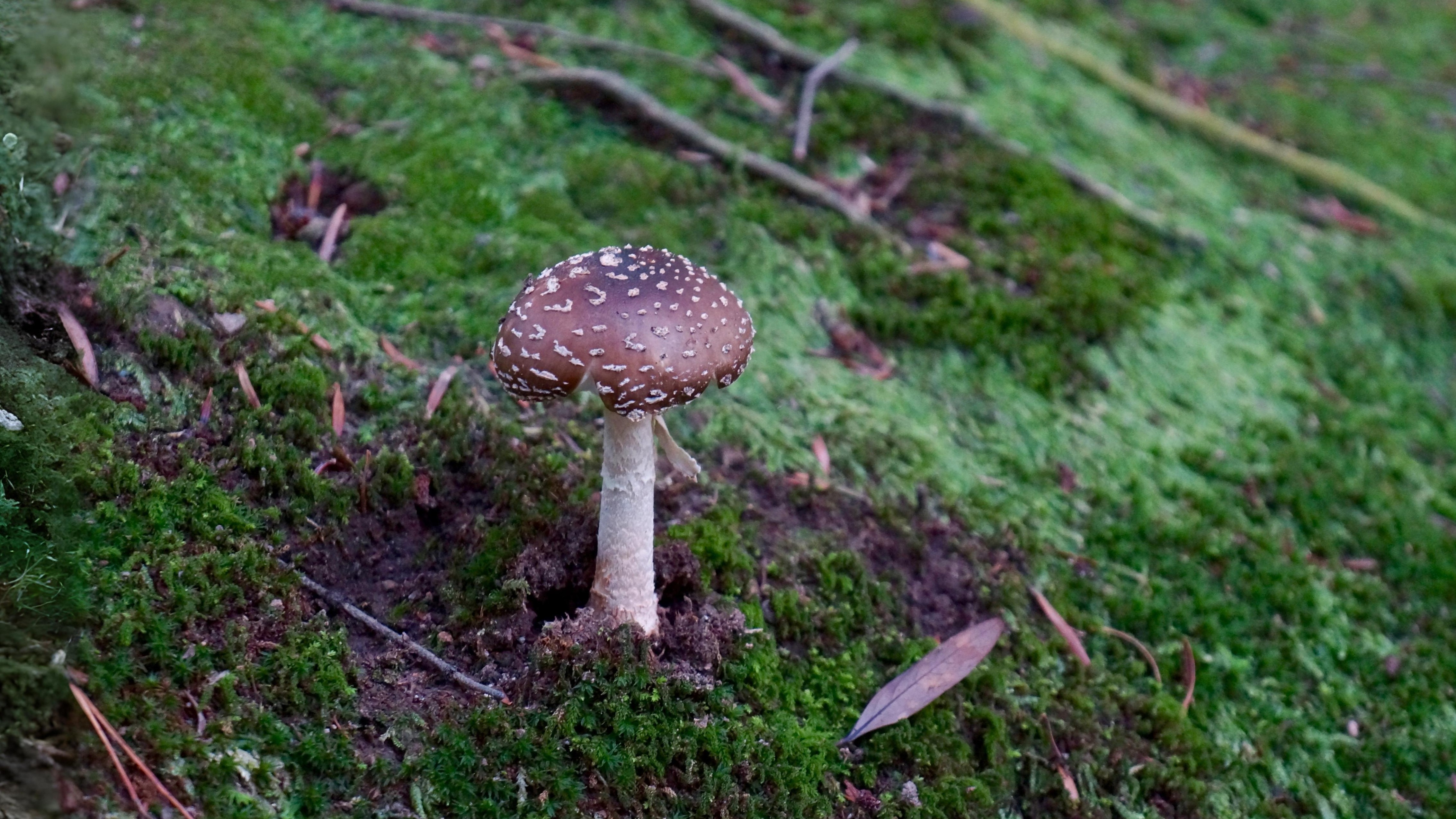
Yet another poisonous Amanita is the Panther Cap A. pantherina. Its cap is a rich ocherous brown dotted with white raised warts. Once again it is easily confused with two other species A. spissa and A. excelsa. These two are almost identical except the first smells of radishes whereas the second has more of a fruity smell. Neither of these latter two species has the basal ‘collar’ with one or two rings so noticeable in the Panther cap.
Once again, all are best left untouched. Lastly there is one new Amanita that was first discovered in the south of England as recently as 1981. It is very different from others as its cap looks not unlike a discarded piece of old grey felt and it has salmon-coloured gills. It has been called A. inopinata, which means ‘surprise’. It seems to like growing beneath cypress trees, which means its preferred habitat in London will be churchyards and private gardens, especially where Leylandii may have been planted to obscure neighbours.