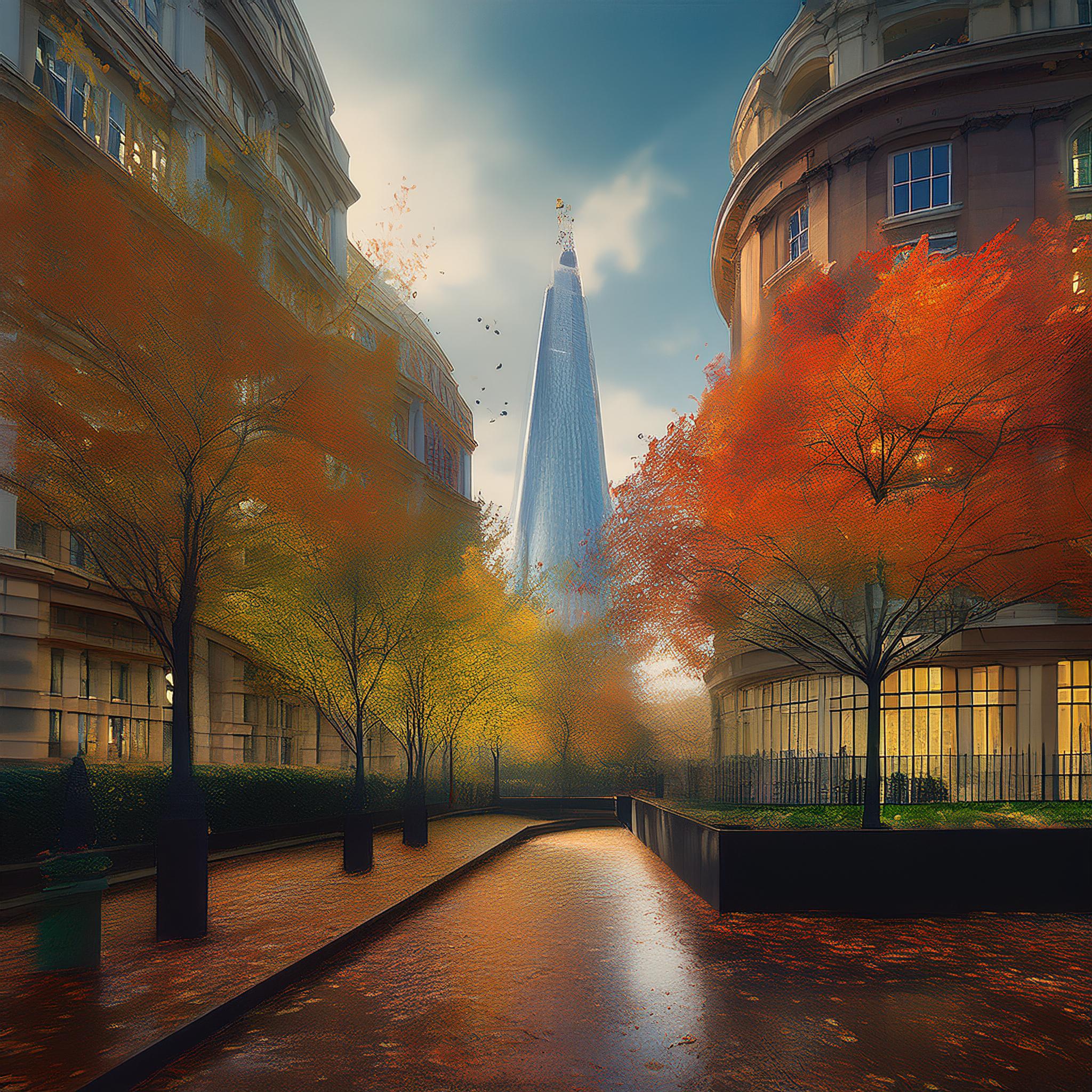
15-Oct Wild Mushrooms: Feast or Fatal? Tile Image

15-Oct Wild Mushrooms: Feast or Fatal?

Summary

London’s woods and parks hide a treasure trove of wild mushrooms—some delicious, some deadly. From the prized Cep, Chanterelle, and Giant Puffball to the humble Oyster and Jew’s Ear, edible fungi have long been sought after by foragers across cultures. Yet alongside these favourites lurk dangerous lookalikes: the Deathcap, Destroying Angel, Yellow-staining Agaric, and Stinking Parasol, to name a few. While many species appear in surprising places—even truffles on old estates—the risks of misidentification are real, and some rare mushrooms are now in decline. With so many myths and confusions surrounding fungi, the best advice for most Londoners is to admire them in the wild and buy edibles from trusted sources.

Return on October 15th to explore London’s edible and poisonous wild mushrooms!
Article

Edible and Poisonous Wild Mushrooms

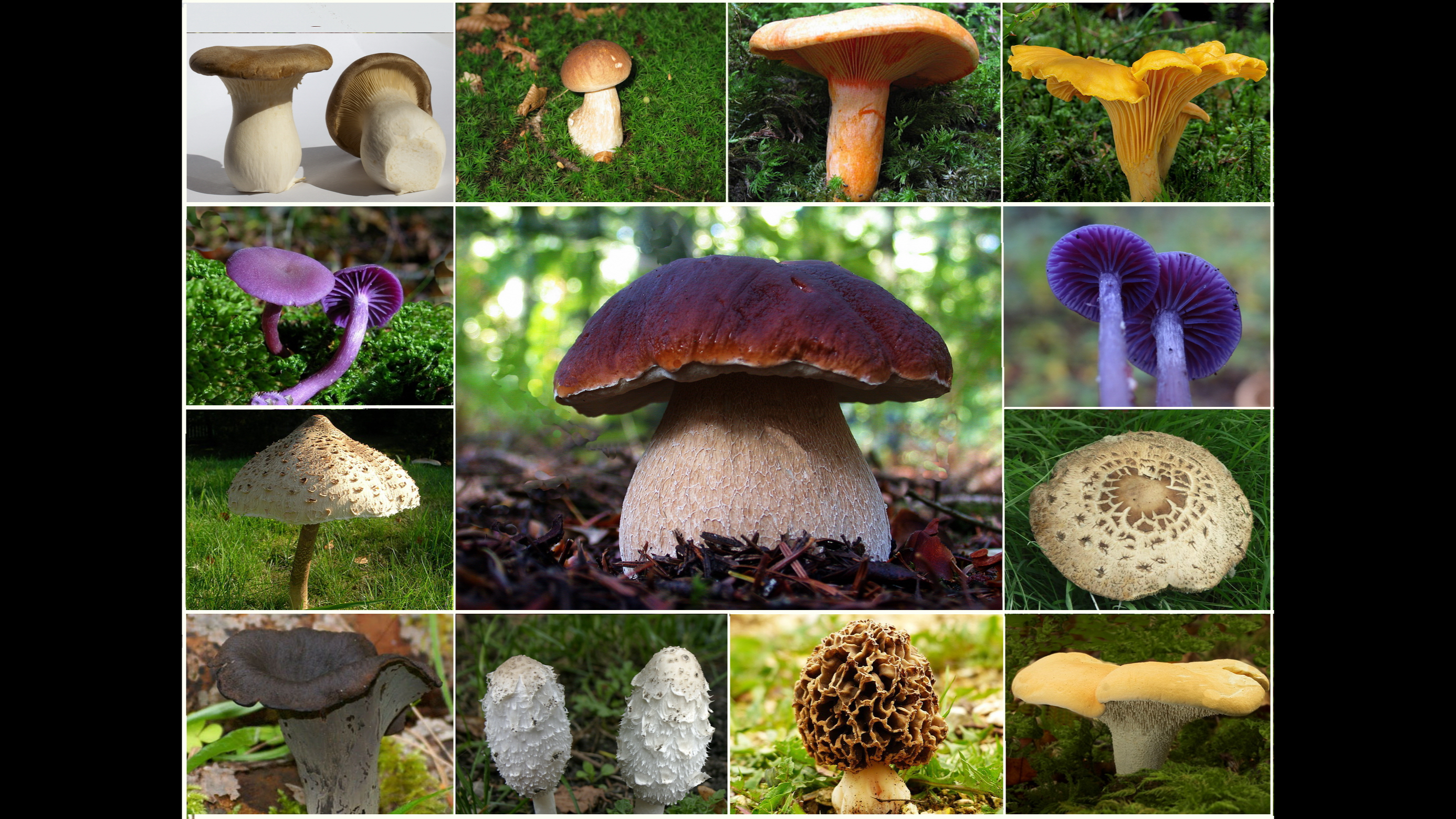
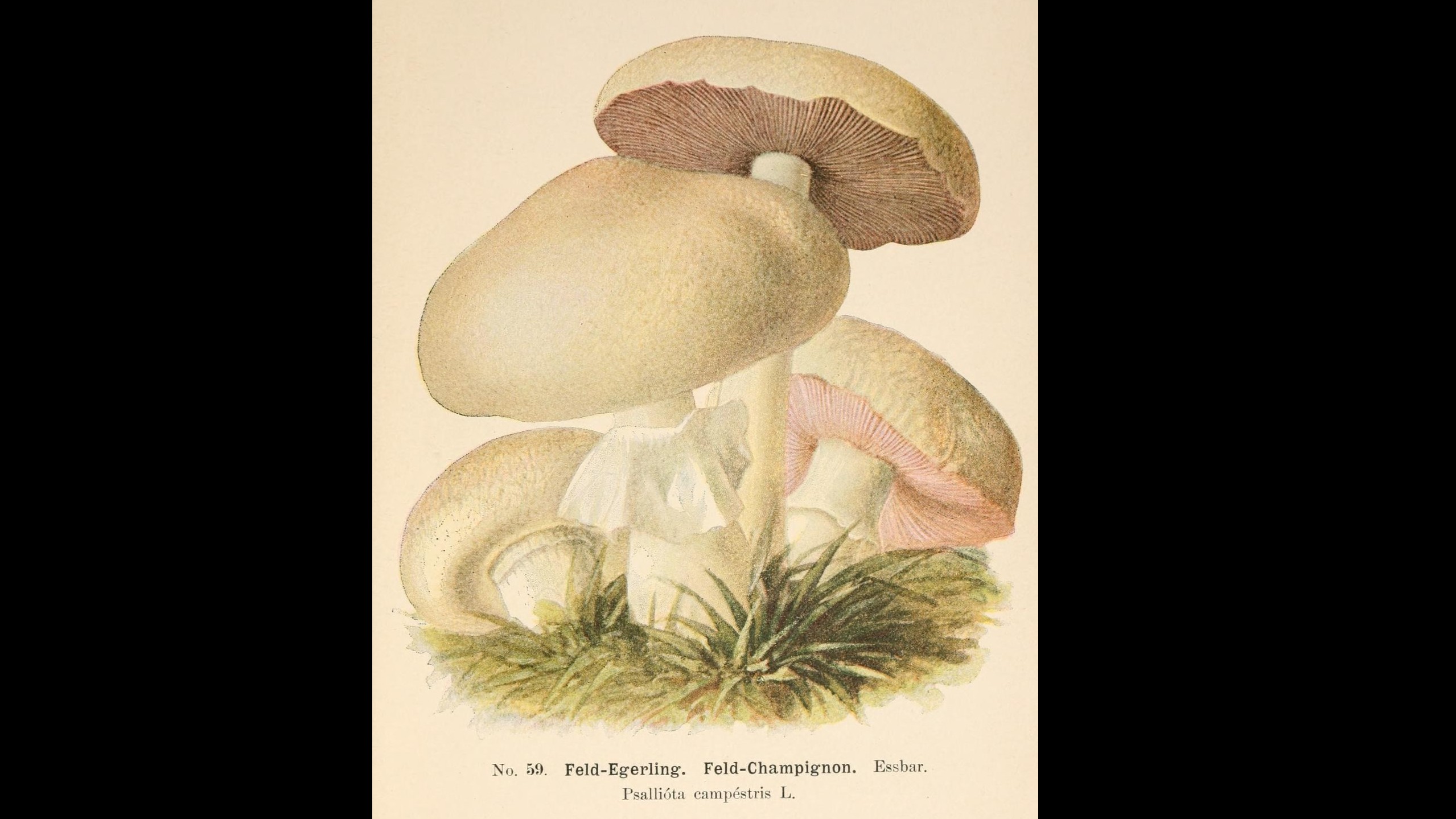
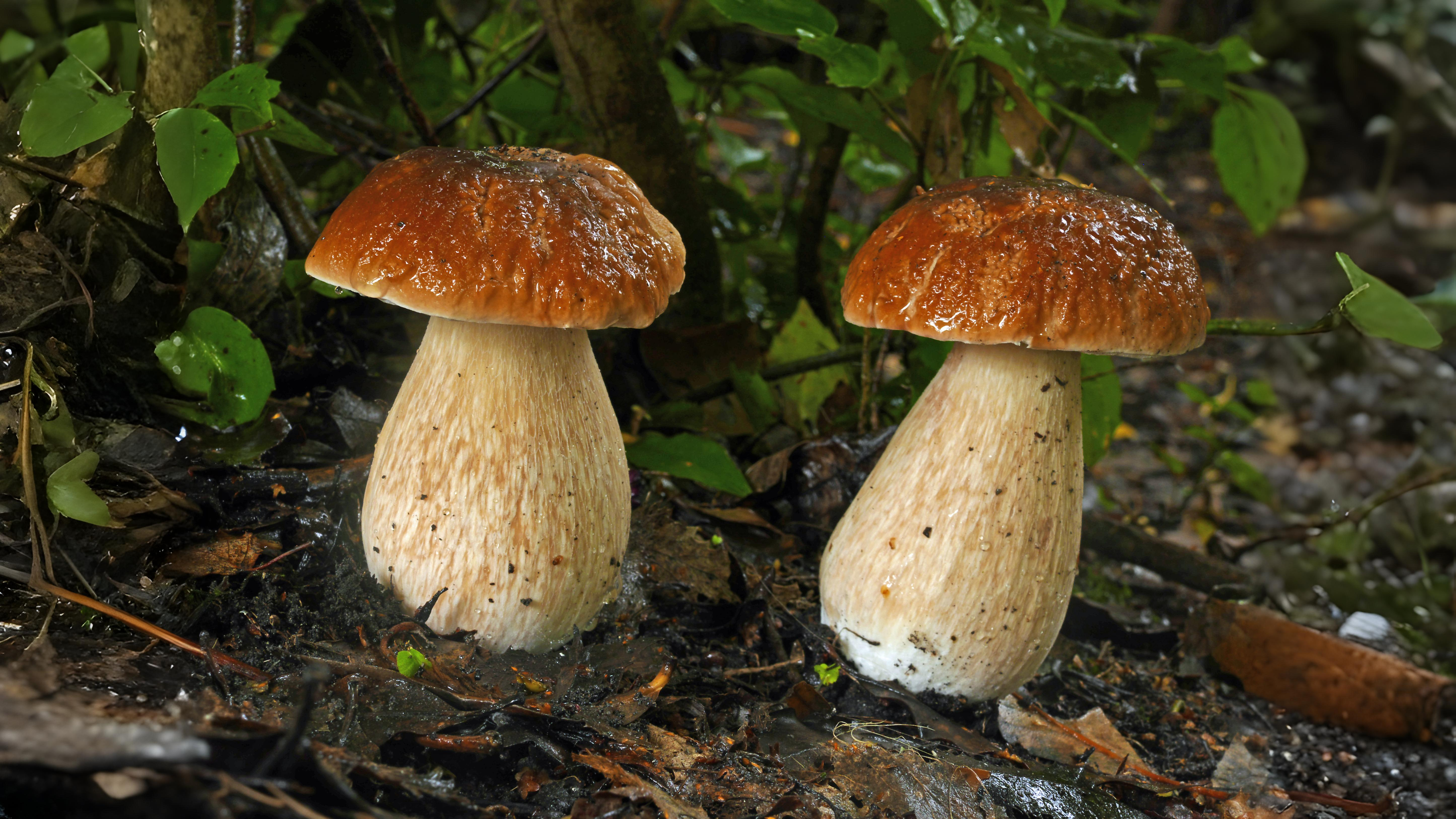
When a large number of field mycologists were asked to give their views on their favourite edible species the top ten, in order of excellence, were the Cep, Parasol, Field Mushroom, Chanterelle, Wood blewit, Shaggy Ink Cap, Giant puffball, Horse mushroom, Bay Bolete and Field Blewit. Close contenders if the list was continued were The Prince, Horn of Plenty, Morel, Hedgehog, Charcoal Burner, Chicken in the Woods, St George’s mushroom, Oyster, Summer Truffle and Jew’s ear.

15-Oct Wild Mushrooms: Feast or Fatal? Section Image

15-Oct Wild Mushrooms: Feast or Fatal? Section Image

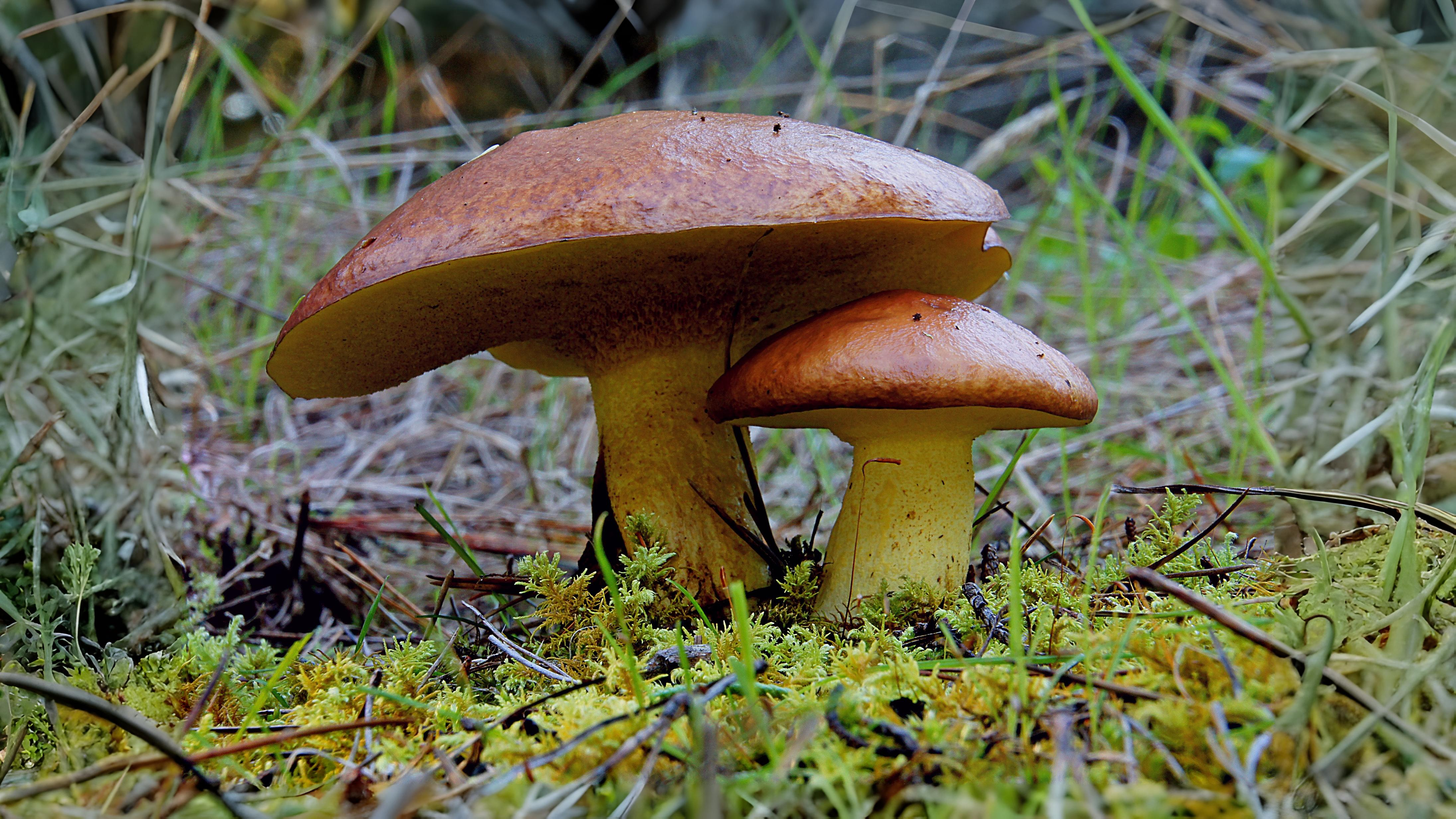
A sizeable proportion of the wild mushrooms in London’s woods are edible but without a competent mycologist to identify them it would be more than wise to keep buying them from a supermarket. Different ethnic groups in the city seem to have their own particular favourites. The holy grail for almost everyone is the Cep, Penny bun or Porcini i.e. Boletus edulis particularly sought after by the French and Italians. Poles and other Eastern Europeans seem to have a great fondness for the Bay Bolete B. badius, often only collecting young, whole specimens for bottling. The Chinese like Jew’s Ear and the more glutinous Suillus spp. for their stirfries and the Russians hunt for huge Orange Birch boletes for their soups and blinis.

15-Oct Wild Mushrooms: Feast or Fatal? Section Image

15-Oct Wild Mushrooms: Feast or Fatal? Section Image

Ceps are not common in London but small numbers do turn up almost anywhere there is old mossy woodland, even Tooting common. The Parasol Macrolepiota procera, the Wood Blewit and Shaggy Ink cap are all common but like most edible mushrooms should not be picked anywhere near roads in case they have absorbed any heavy metals or other toxins from nearby traffic. Horse mushrooms, Field Blewits and the Prince are all sufficiently uncommon that they also should be left. Inner London woods suffer badly from soil compaction due to excessive numbers of human feet, resulting in smaller numbers of fruiting bodies of any one species being produced.

15-Oct Wild Mushrooms: Feast or Fatal? Section Image

15-Oct Wild Mushrooms: Feast or Fatal? Section Image

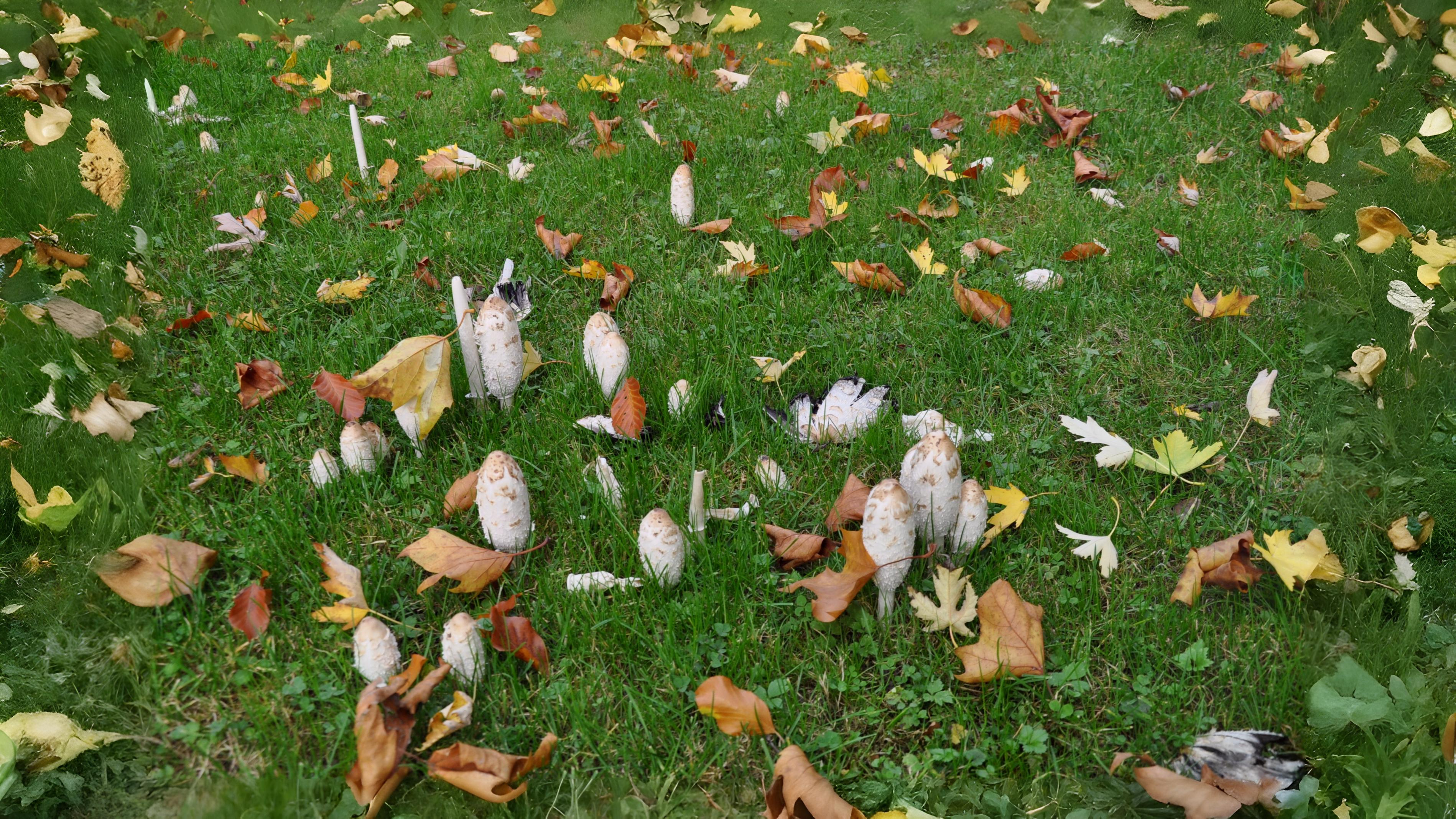
If Shaggy Ink caps are picked it is important only to pick the very young specimens otherwise they will have turned to ink before they reach the kitchen. Oddly, giant puffballs turn up in our parks and cemeteries. Again only pure white specimens should be eaten that have not started to form any dark spores inside. Very small specimens could be confused with poisonous earthballs. Species such as the Bay Bolete, Chanterelle, Horn of Plenty, Morel and Hedgehog are all declining in numbers. Similarly, colourful waxcaps are now too rare to pick. Some of the Hedgehog mushrooms are even on the red data list of endangered species. Chicken in the Woods and the Shaggy Parasol are both common but some people seem to be allergic to them so it is worth being cautious here as well.

15-Oct Wild Mushrooms: Feast or Fatal? Section Image

15-Oct Wild Mushrooms: Feast or Fatal? Section Image

Species that are abundant and safe to eat are Jew’s ear Auricularia auricula-judae, the Oyster mushroom Pleurotus ostreatus and the Fairy-Ring Champignon Marasmius oreades. The latter can commonly be found growing in rings, often in large numbers, in nearly all of our central parks. Traditionally they were cooked in pies as they not only had a good flavour but didn’t disintegrate when cooked. For many, the Charcoal Burner Russula cyanoxantha is the most delicious of all the brittlegills, being both large and full of flavour. However, like many of the edible boletes either slugs, snails or fly larvae usually get to them first.

15-Oct Wild Mushrooms: Feast or Fatal? Section Image

15-Oct Wild Mushrooms: Feast or Fatal? Section Image

Many edible species also deteriorate quickly in wet weather. Other well known edible species such as the St George’s mushroom and the Miller have a mealy smell that is not to everyone’s liking as is the more unusual spicy perfume of the Cauliflower fungus. Honey fungus is much prized in Italy when cooked with pasta but, perhaps due to their being many different strains, the specimens found in London do not seem to exert the same culinary appeal. Although truffles are not associated with London woods they do occur on some beechwood slopes, especially where the soil is friable. It is likely some of the older, richer estates employed one of their workers to find summer truffles for the top table if they were known to occur on their land. This practice seems to have died out after the First World War.

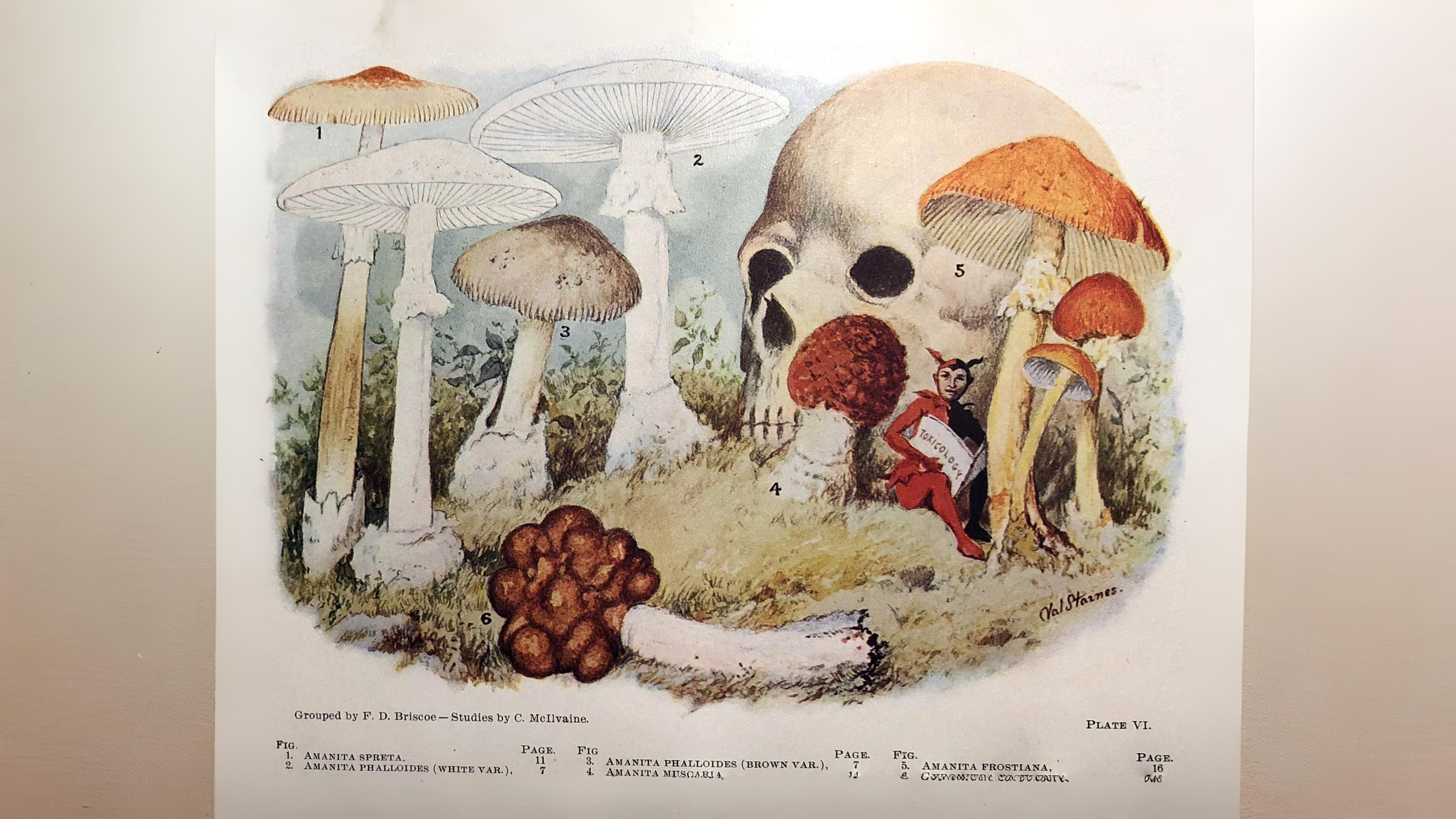
Any would-be forager should first be well-acquainted with London’s poisonous mushrooms. The number one culprit is, of course, the already mentioned Deathcap, which in certain years can be found in several places. Other legendary poisoners are the Red-staining Inocybe, the Livid Entoloma, Devil’s bolete and the Destroying Angel, all of which are much rarer and unlikely to be found.
15-Oct Wild Mushrooms: Feast or Fatal? Section Image

15-Oct Wild Mushrooms: Feast or Fatal? Section Image

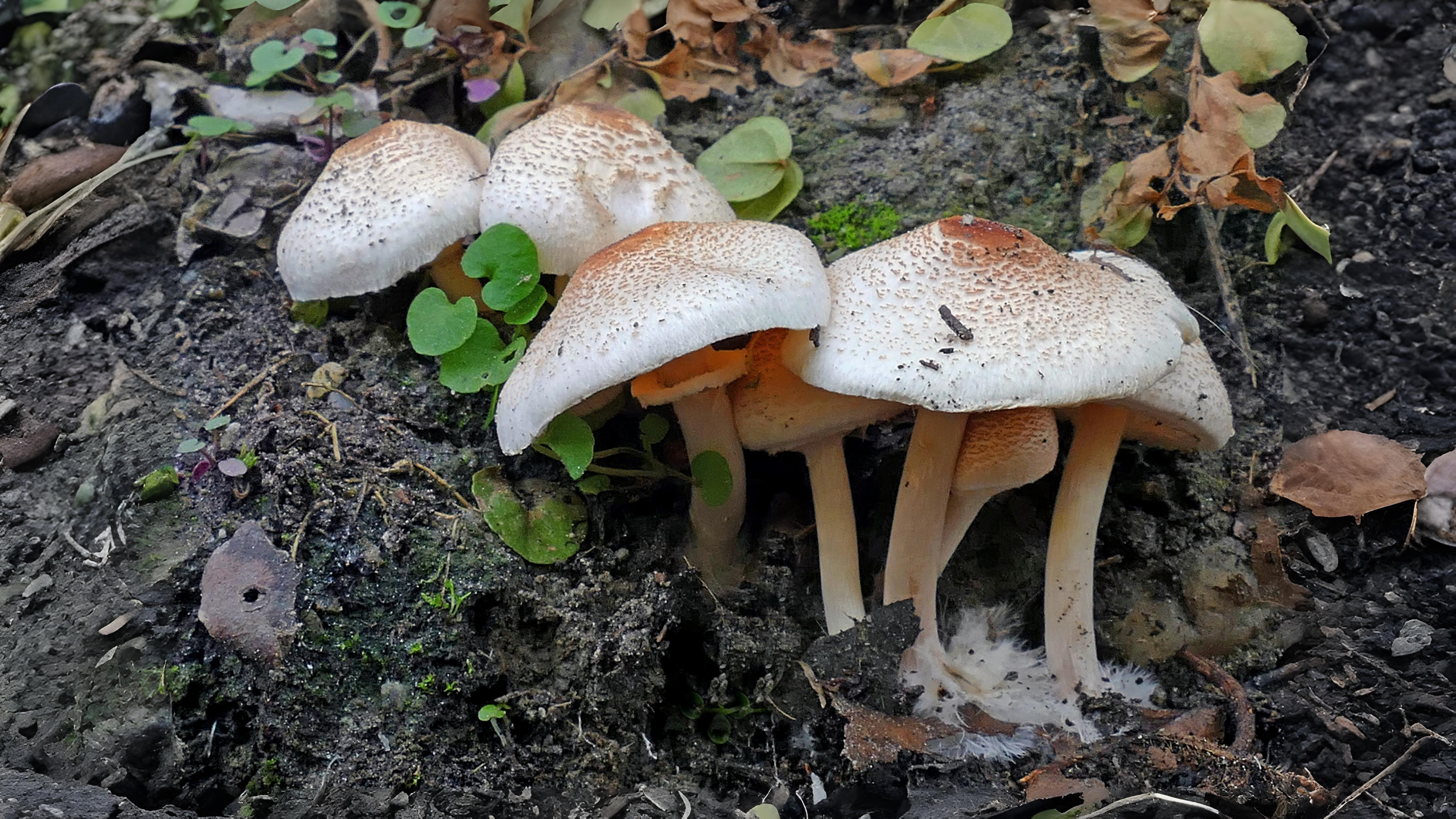
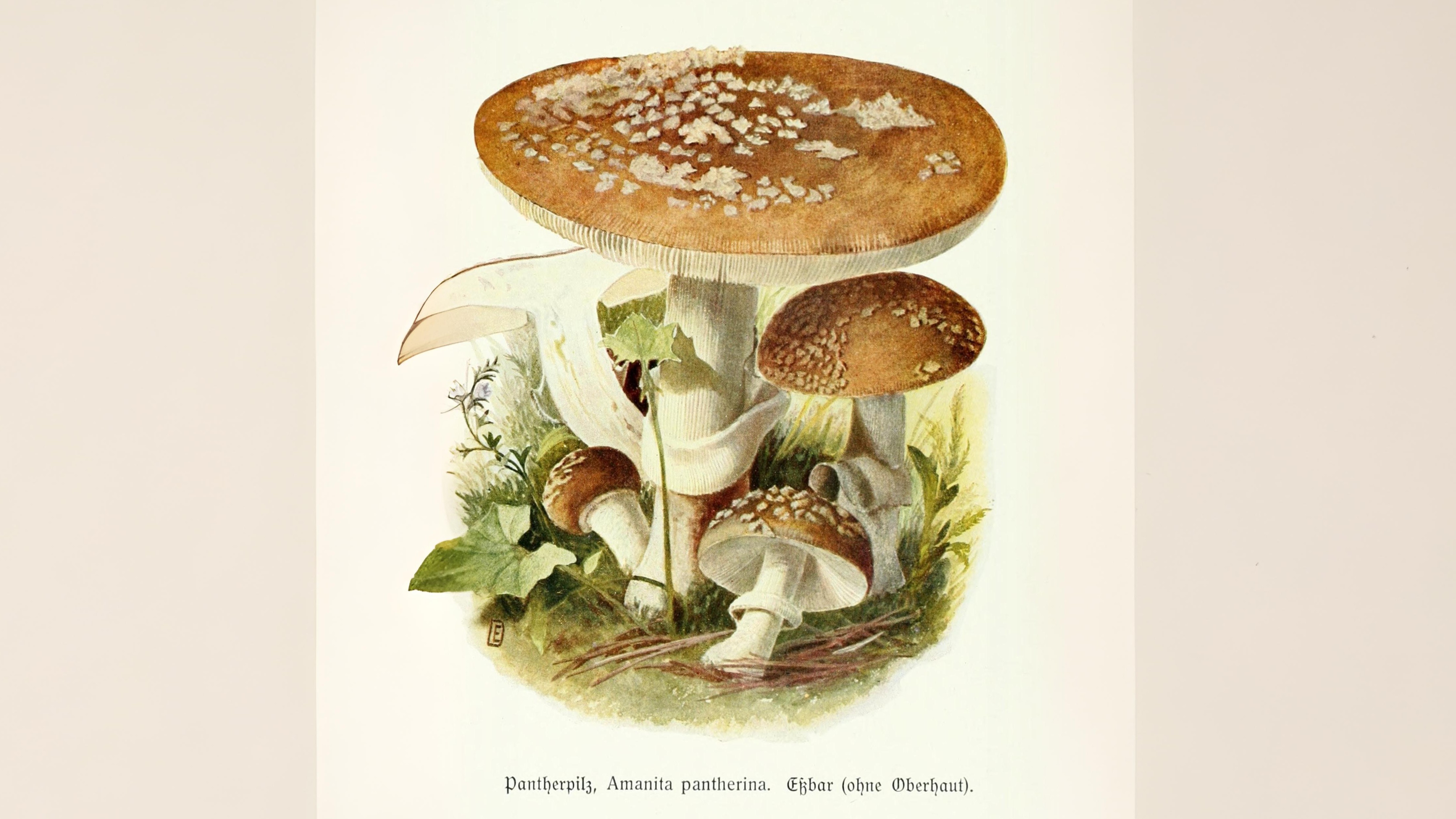
Yet others, such as the Stinking Parasol, Panther cap, Yellow-staining Agaric and the Ivory Clitocybe Clitocybe dealbata are much more common and confusions are therefore much more likely. It is never worth picking a small parasol in case it is a poisonous Stinking Parasol Lepiota cristata.

15-Oct Wild Mushrooms: Feast or Fatal? Section Image

15-Oct Wild Mushrooms: Feast or Fatal? Section Image

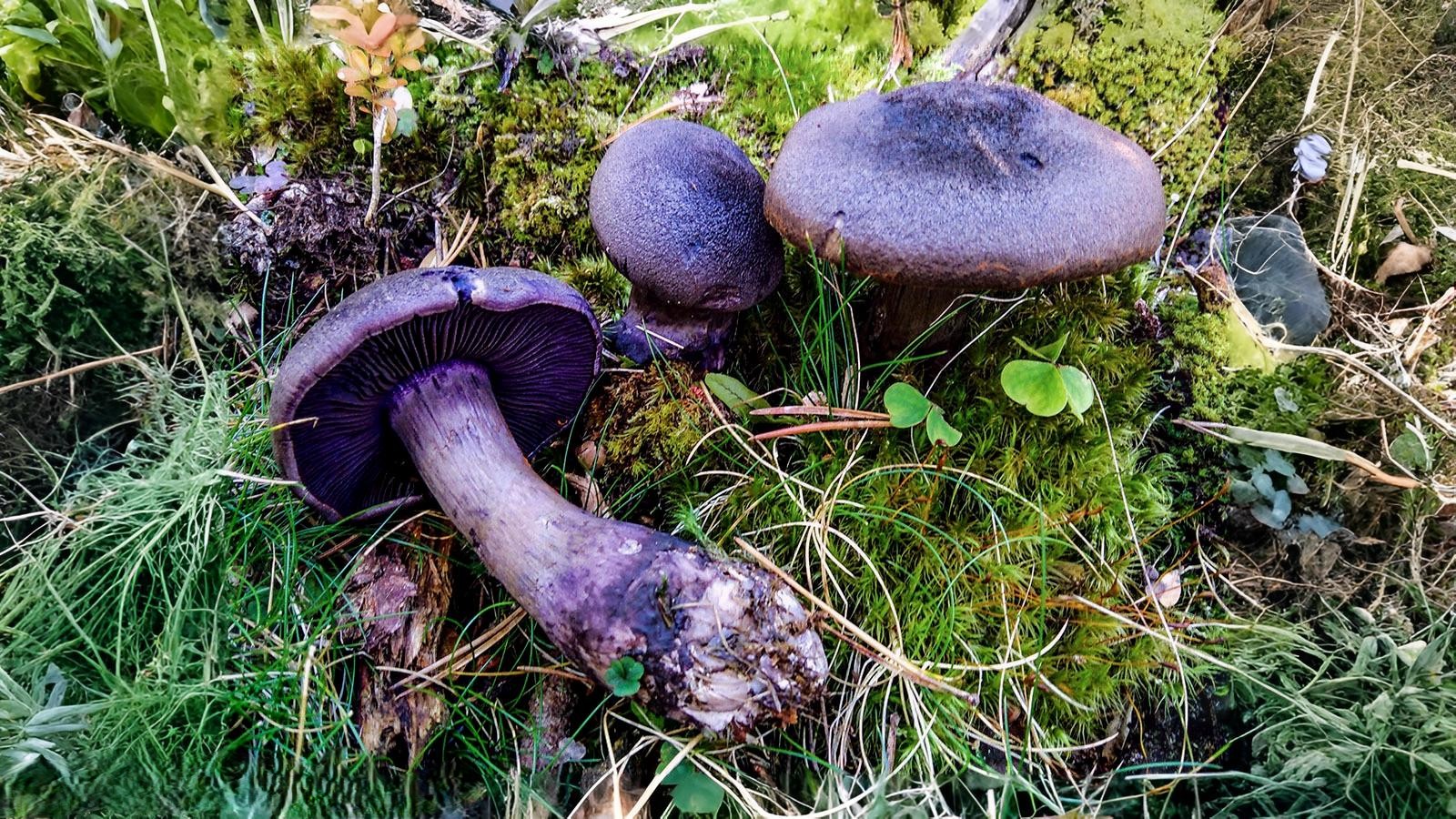
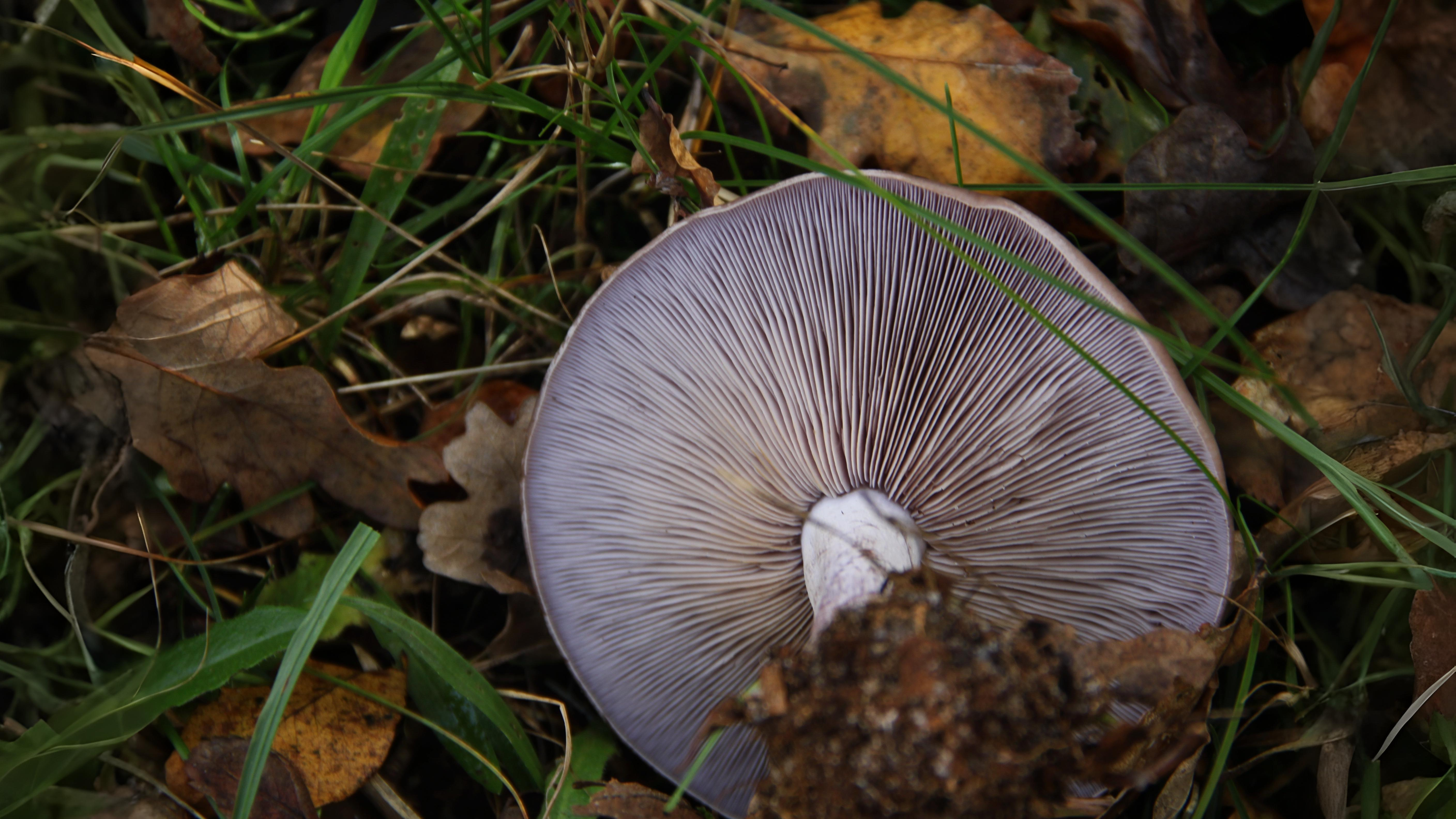
Similarly, if collecting field mushrooms they should all be checked for any bright yellow staining in case the Yellow-staining Agaric Agaricus xanthodermus has also accidently been included. Morels should be checked against the False Morel Gyromitra esculenta which, like The Blusher Amanita rubescens, can only be eaten safely after being heated or boiled. Chanterelles should be distinguished from false chanterelles Hygrophoropsis auruntiaca which can cause gastric upsets. The latter are especially common in London’s conifer woods. Anybody with a preference for purple blewits should first make sure they are able to recognise purple Cortinarius spp. of which many are poisonous.

15-Oct Wild Mushrooms: Feast or Fatal? Section Image

15-Oct Wild Mushrooms: Feast or Fatal? Section Image

There is also a common habit of collecting wild mushrooms that are edible but “poor tasters” just to bulk up the numbers in the basket. Brittlegills, waxcaps and deceivers are all collected for this purpose and each have some dangerous lookalikes, none more so than the lilac forms of the highly poisonous Inocybe geophylla which can look remarkably like edible purple Deceivers.

15-Oct Wild Mushrooms: Feast or Fatal? Section Image

15-Oct Wild Mushrooms: Feast or Fatal? Section Image

Lastly, a certain echelon of London society has a preference for the Liberty Cap Psilocybe semilanceata because of its hallucinogenic qualities. Perhaps because of this it seems to have become quite rare, even in the “rough” on golf courses which it was often known to inhabit.

15-Oct Wild Mushrooms: Feast or Fatal? Section Image

15-Oct Wild Mushrooms: Feast or Fatal? Section Image