14-Oct London’s Rare Autumn Trees Tile Image

14-Oct London’s Rare Autumn Trees

Summary

By mid-October, London’s streets and parks reveal the subtle beauty of rarer trees—limes, elms, ashes, poplars, and birches—each adding their own autumn signature. From the pale yellow of towering hybrid limes to the golden tones of elms and the purple tints of white ashes, the city becomes a living catalogue of diversity. Poplars shimmer in butter-yellow, while unusual birches, such as the Monarch birch with its giant leaves or the cherry birch with its wintergreen scent, offer delights for both the eyes and the senses. With so many rare and unusual species tucked away in parks like Hyde, Regent’s, and Greenwich, every walk in London this season can uncover something extraordinary.

Return on October 14th to discover London’s rare autumn trees!
Article

Rare Limes, Elms, Ashes, Poplars and Birches

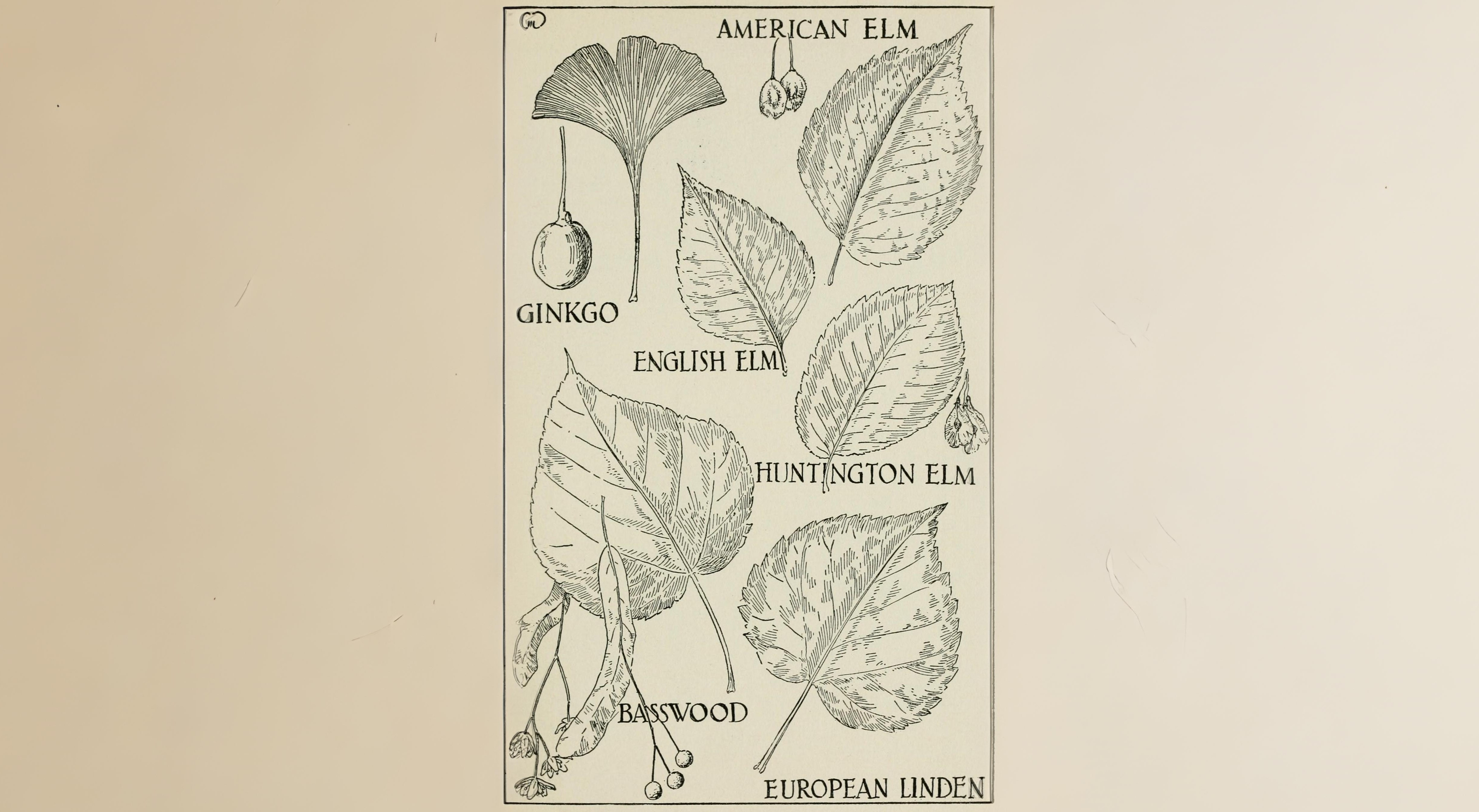
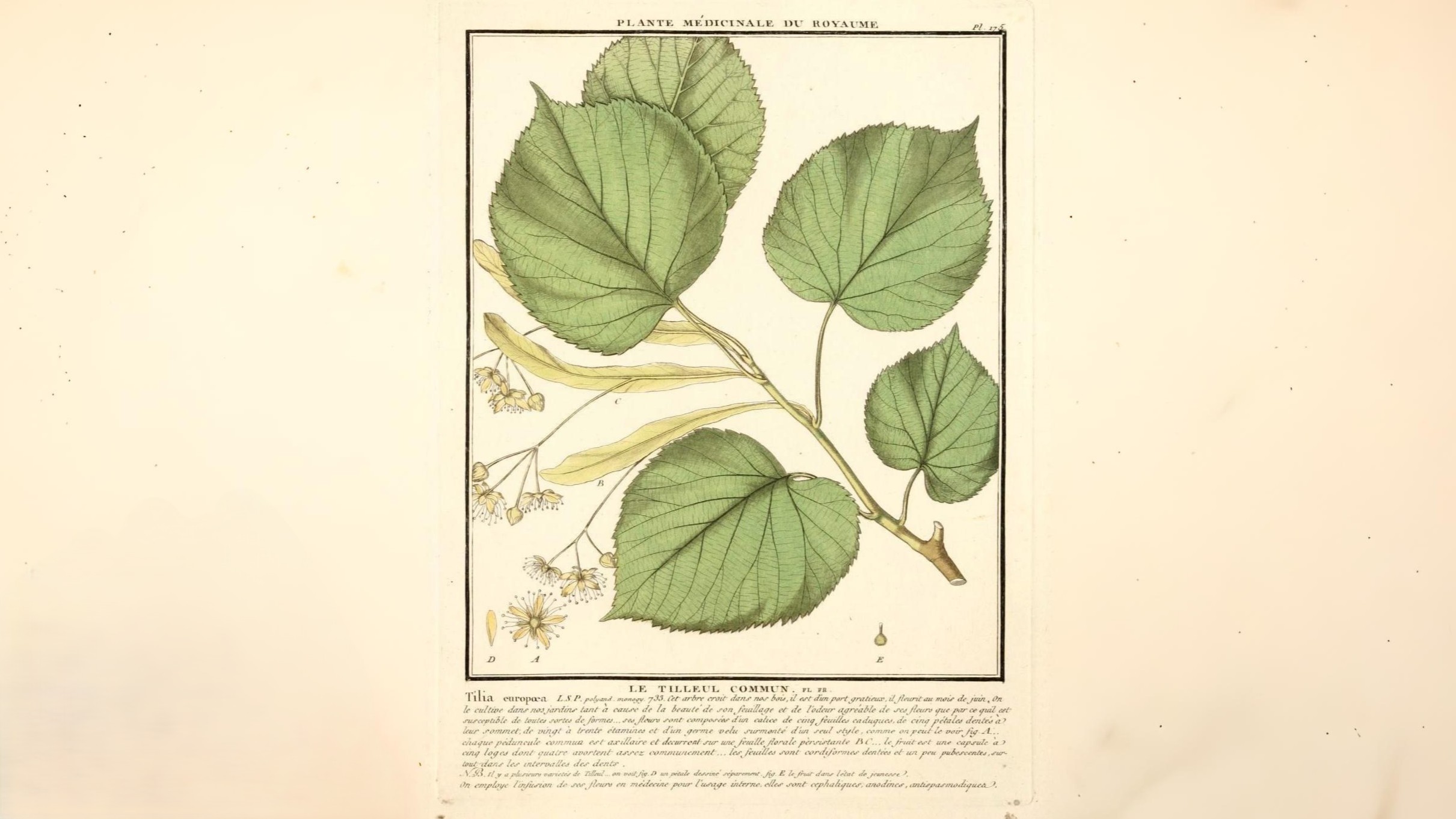
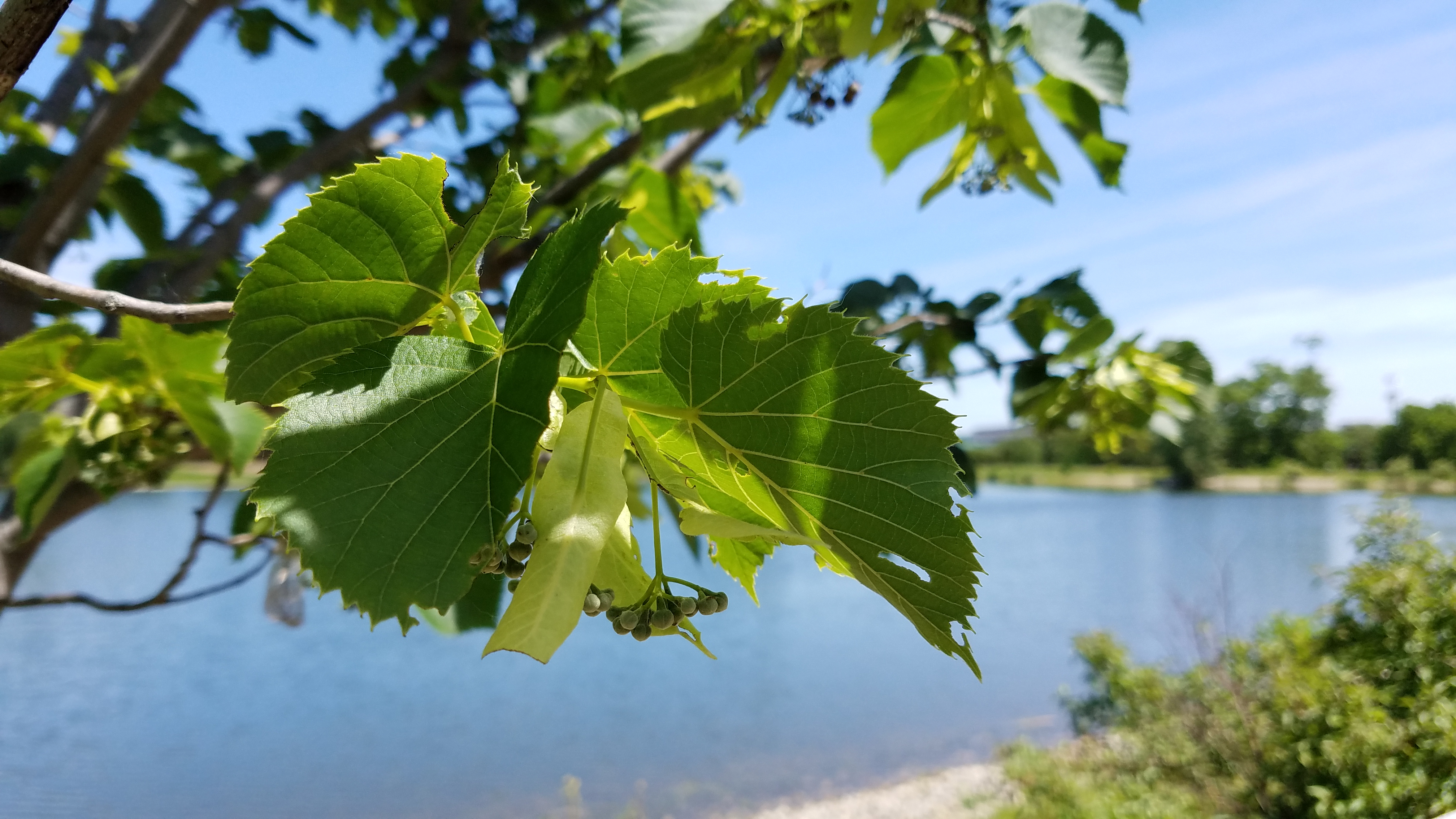
All over London towering Common limes Tilia x europaea are starting to turn pale yellow. These trees are hybrids between our native large-leaved lime with its almost circular leaves and the Small-leaved lime with its smaller heart-shaped leaves and rust coloured hairs along the veins on its undersides. It would be hard to think of any tree more unsuitable for the urban environment than these limes. They grow too quickly, too tall and too wide, sucker easily, lift pavements and attract hordes of greenfly, which then drop their sticky ‘honeydew’ on everything underneath. Yet they form impressive avenues at Hampton Court. Its omnipresence has been blamed on the Dutch nursery trade as they were so easy and quick to grow. As a group, limes are notoriously difficult to identify because their characters get mixed so much when they hybridise, which they do both easily and often.

14-Oct London’s Rare Autumn Trees Section Image

14-Oct London’s Rare Autumn Trees Section Image

However, at this time of year it is a little easier to separate them. Mongolian limes Tilia mongolica (Cannizaro park) turns a bright yellow, American limes T. americana (Hyde park) now has huge coarsely-toothed leaves and T. henryana (Hyde park) has leaves with teeth that look like green eyebrows.

14-Oct London’s Rare Autumn Trees Section Image

14-Oct London’s Rare Autumn Trees Section Image

Other limes such as the silver limes have leaves with distinctly paler undersides. The most common of these is the Silver lime T. tomentosa itself. If the leaves are set on long petioles it may well be one of the most attractive of all limes, the Silver pendant lime T. x ‘Petiolaris’ which has a graceful sweeping habit. The Caucasian or Crimean lime T. x euchlora has similar leaves but their upper sides are shinier and darker. All three of these trees have flowers that can have a narcotic effect on bees, which are occasionally found stupefied on the ground beneath them. They can all be seen in Hyde park.

14-Oct London’s Rare Autumn Trees Section Image

14-Oct London’s Rare Autumn Trees Section Image

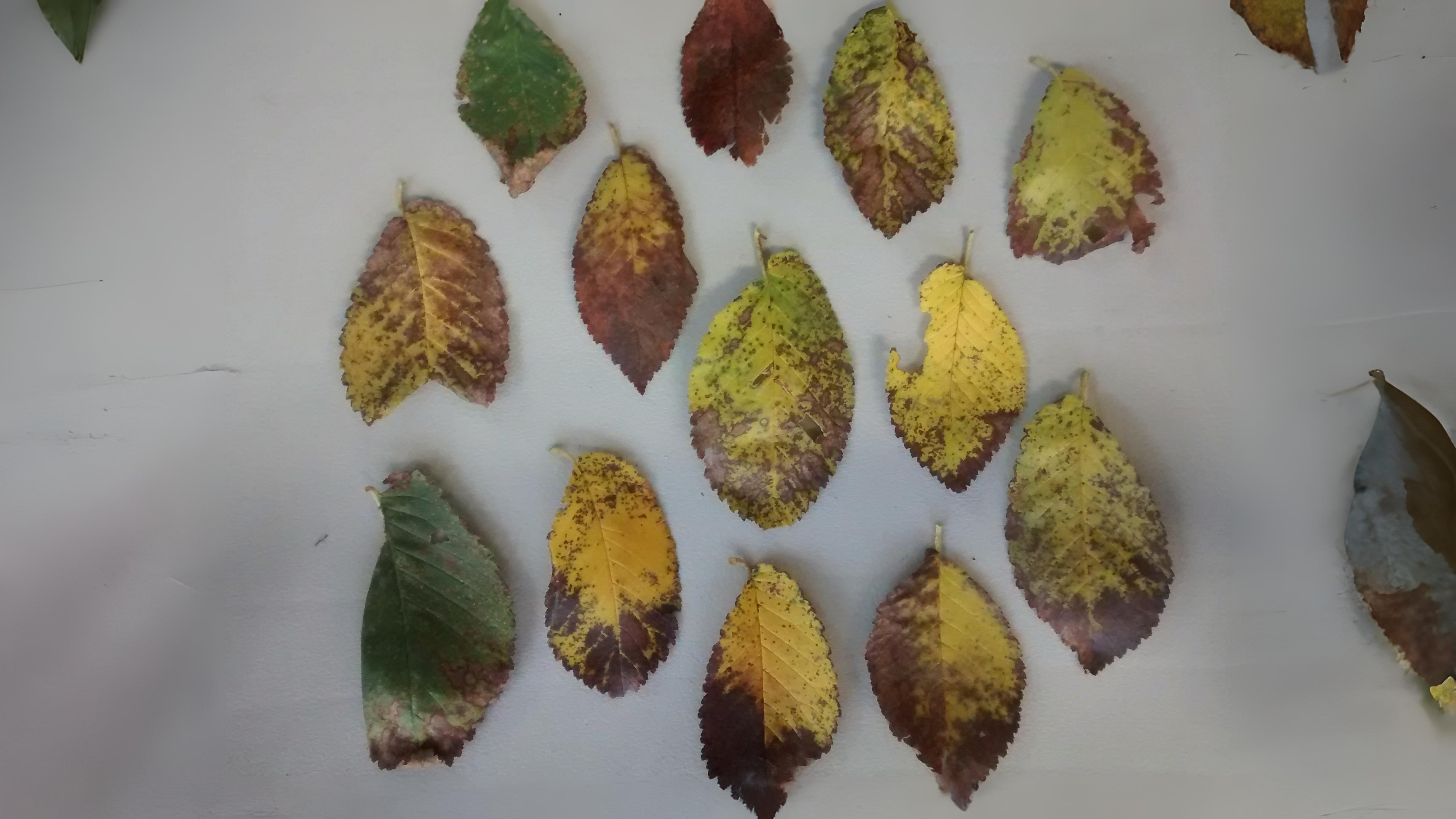
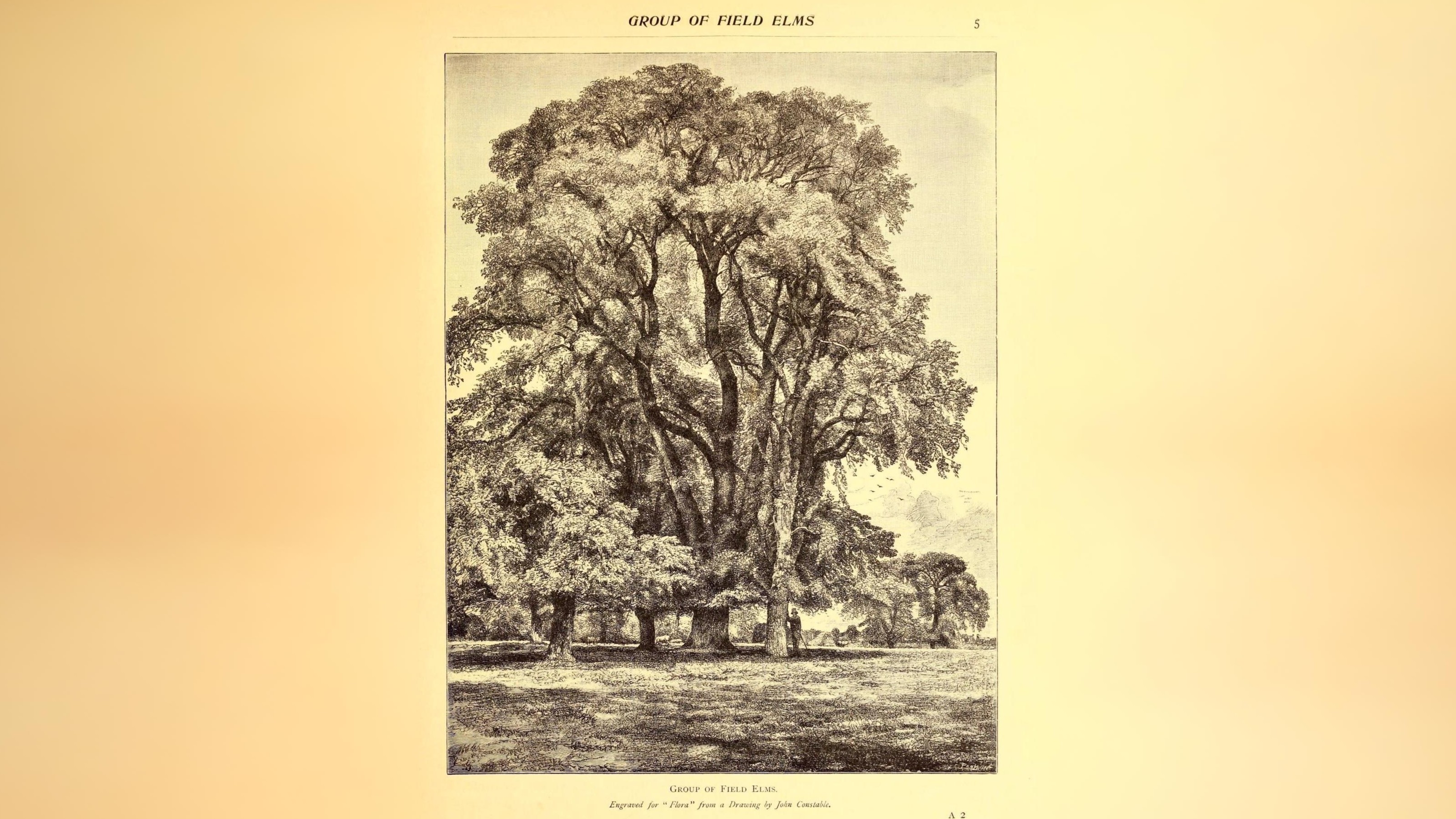
Elms also are now developing their soft yellows. It was hard to beat our own native English elm Ulmus procera with its thundercloud-shaped silhouettes so familiar along the boundaries of fields till they were all swept away by Dutch elm disease in the mid 1970s. Since then various other rarer elms, many of which don’t look like elms at all, have been planted in their place. Certainly the Asiatic elms i.e. Japanese elm U. japonica and the Chinese elm U.parvifolia have the advantage of being totally disease free. Huntingdon elms, being partially disease free are also popular replacements.

14-Oct London’s Rare Autumn Trees Section Image

14-Oct London’s Rare Autumn Trees Section Image

These trees, which look very like wild elms, are from the Huntingdon area and have a little more to offer. U. hollandica ‘Dampieri Aurea’ (South Park Gardens, Wimbledon) turns a beautiful golden colour and the Chichester elm U. h. ‘Vegata’ (Battersea Park) produces one of the best of all avenues with a perfect ‘lancet’ arch forming naturally between the trees. Then there are the Siberian elms which, if the one in Battersea park beside the entrance to the meadow is anything to go by, are the most elegant of them all. This particular specimen has been identified as U. pinnato-ramosa and is taller than you might expect and has unusually long hanging branches.

14-Oct London’s Rare Autumn Trees Section Image

14-Oct London’s Rare Autumn Trees Section Image

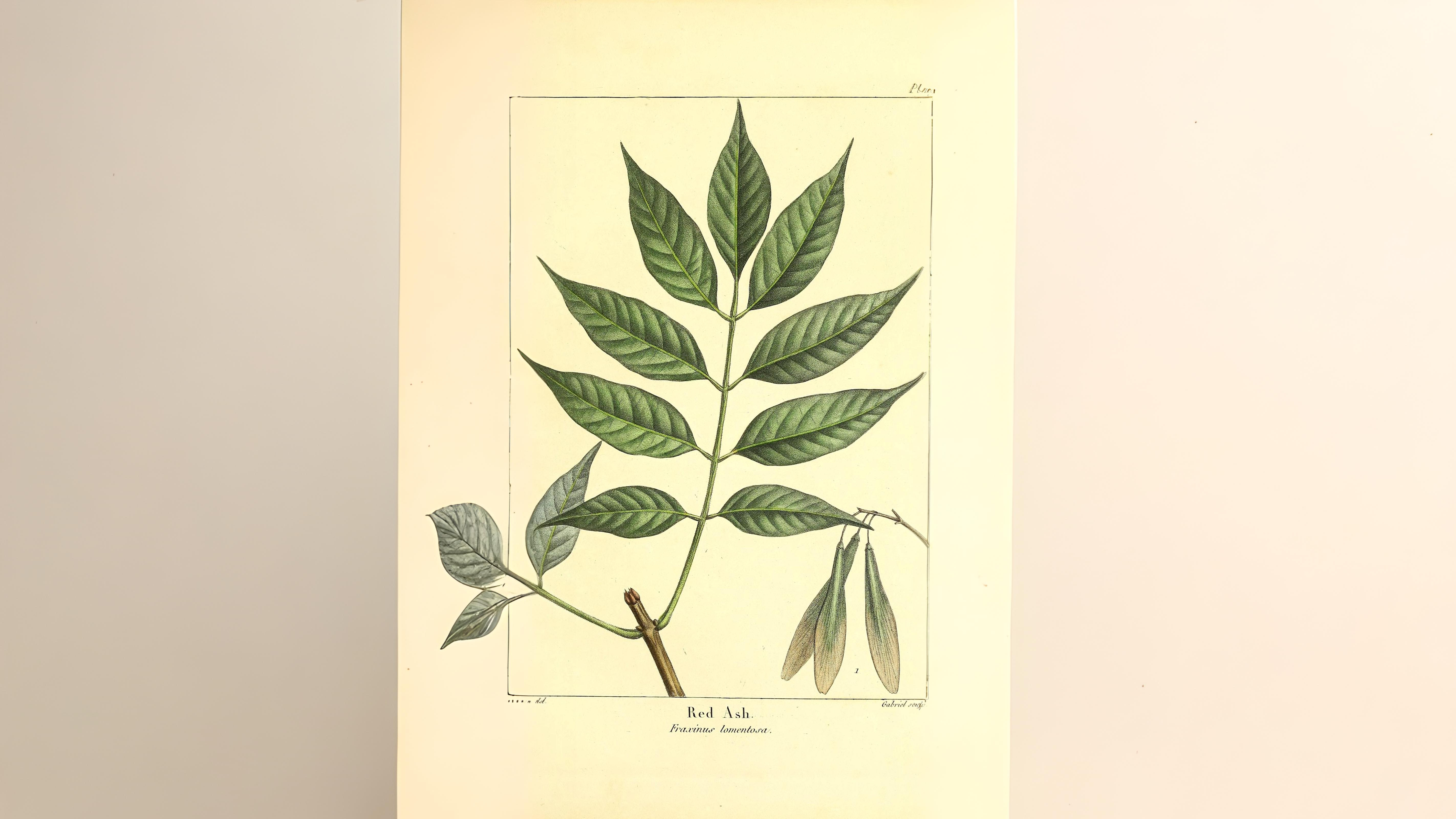
A surprisingly good selection of rare ashes have also found their way into London parks. Kensington gardens is probably the most rewarding place to look as the White ash Fraxinus americana, Narrow-leaved ash F. angustifolia ‘Veltheimii’ as well as the red ash F. pennsylvanica can all be found there.

14-Oct London’s Rare Autumn Trees Section Image

14-Oct London’s Rare Autumn Trees Section Image

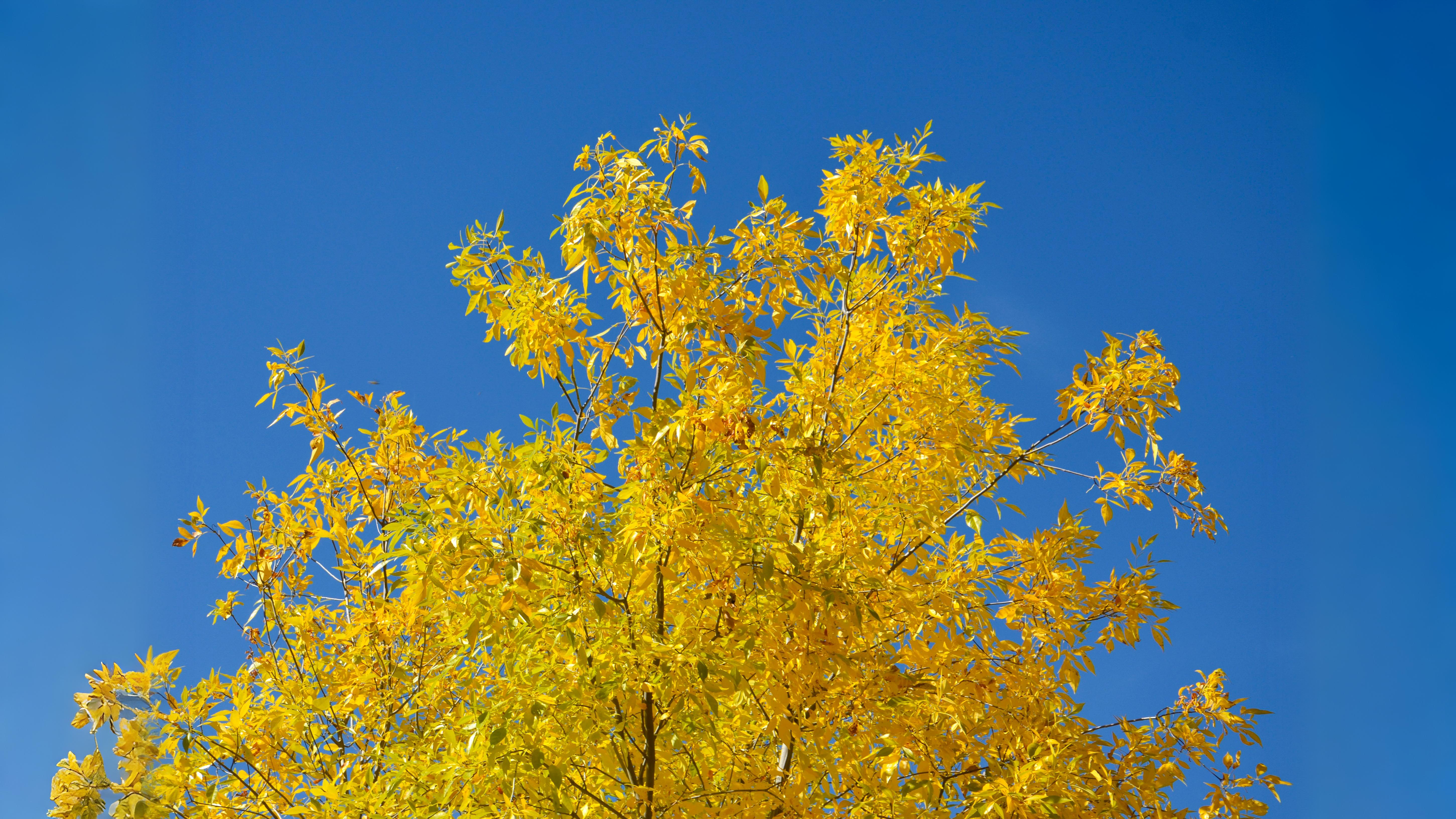
The leaves of the White ash are reluctant to colour in London but if they do they turn a creamy purple. The narrow-leaved ash is instantly recognisable with its single rather than pinnate leaf and the Red ash has leaves which are shiny on the top and pale beneath. At this time of year it also briefly turns a golden colour. There is also a variegated form in Kensington gardens which has creamy, silver, green and grey leaves.

14-Oct London’s Rare Autumn Trees Section Image

14-Oct London’s Rare Autumn Trees Section Image

In Syon park the Afghan ash F. xanthoxyloides can be found with its winged leaf stalks and in Hyde park the Arizona ash F. velutina with its velvety-grey leaves. In Regent’s park both the Oregon ash F. latifolia and the Caucasian ash F. angustifolia subsp. oxycarpa can be seen. The first of these has large leaves which are only hairy underneath and the second has slimmer, finer leaflets similar to its red form the Claret ash F. a ‘Raywood’. Lastly there are also a number of impressive Weeping ashes F. a. ‘Pendula’ in our parks e.g. Kennington park, mainly because there was a fashion for planting them when the parks were first created in the mid-nineteenth century. Some have astonishingly high grafts, as high as four metres from the ground.

14-Oct London’s Rare Autumn Trees Section Image

14-Oct London’s Rare Autumn Trees Section Image

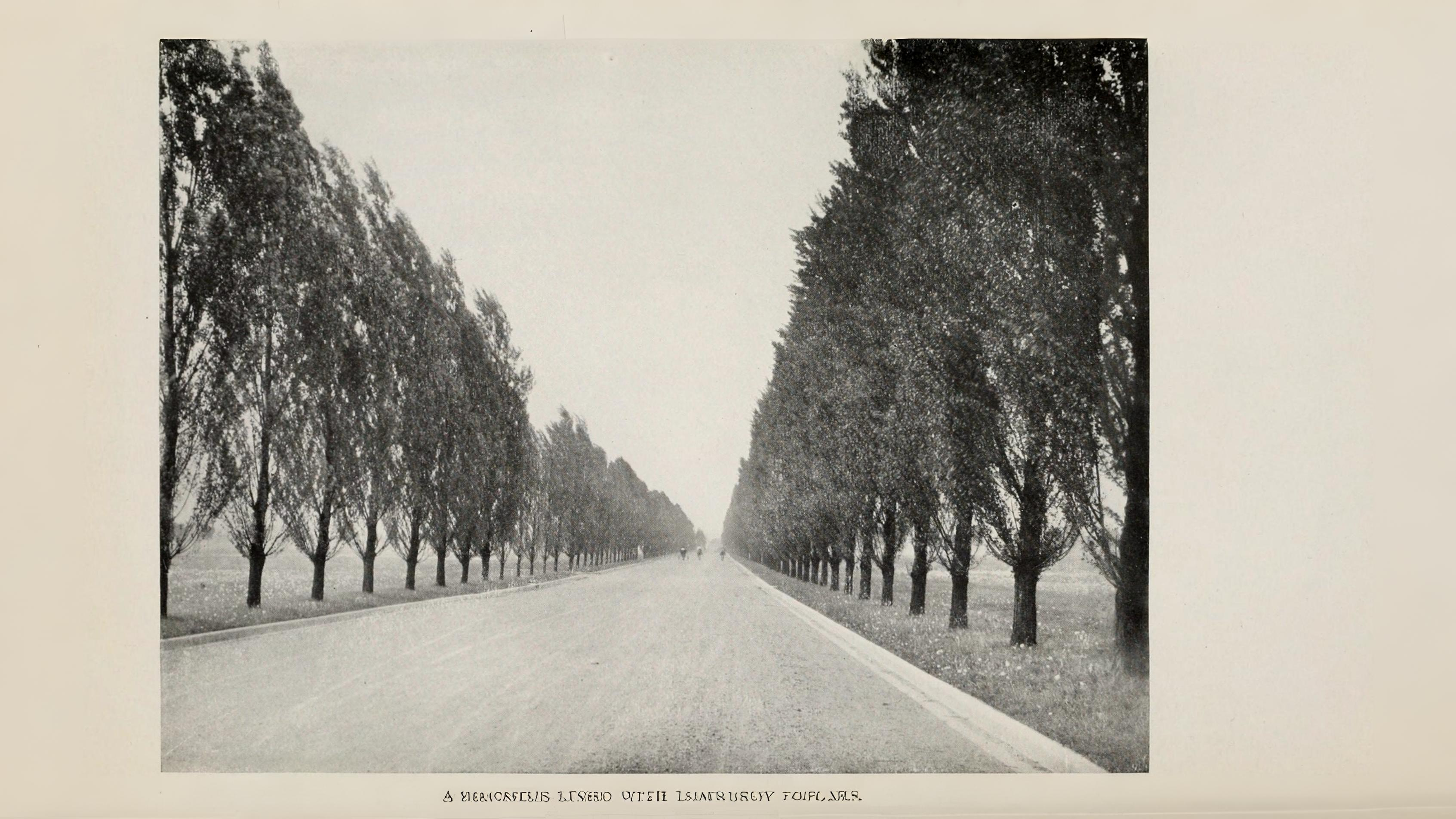
Poplars, like limes, are also promiscuous which often makes their identification difficult. The tall, statuesque Lombardy poplars Populus nigra ‘Italica’ seem easy enough to recognise but there are also others with upright branches. The closely related P. n. ‘Plantieriensis (Brockley cemetery) can sometimes be recognised by its bushier head. Also, there are white poplars with an upright habit e.g. P. alba ‘Raket’ (Ravenor park, Greenford) which is very narrow, especially when young and P. a ‘Pyramidalis’ (Sydenham Wells park) which is similar to a Lombardy poplar, but broader.

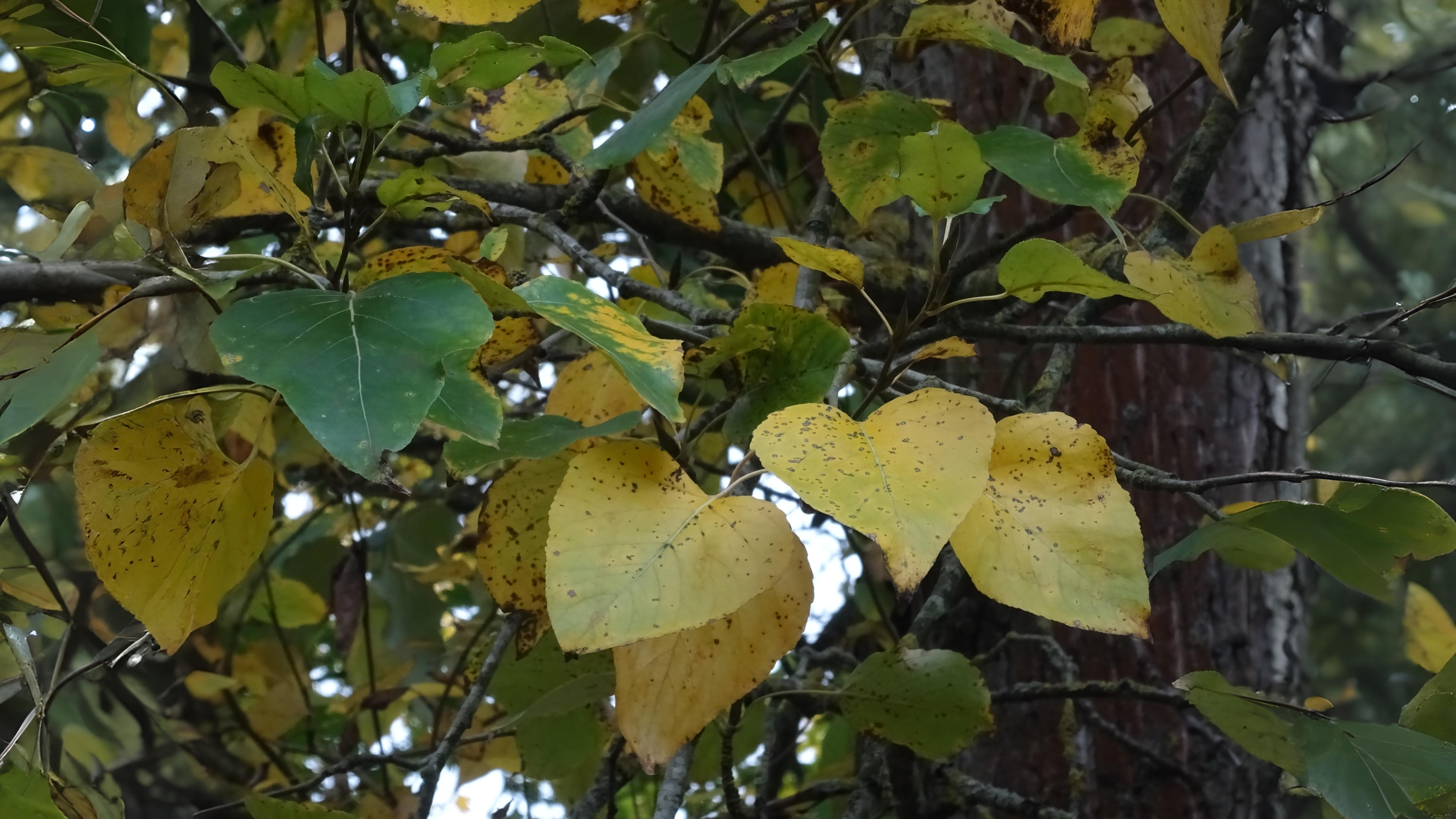
Poplars which colour well, which is usually a rich butter yellow, include the Western balsam poplar P. trichocarpa, the Golden poplar P. serotina aurea and the Weeping aspen P. tremula ‘Pendula’. Other rare poplars which might be recognised are the Chinese necklace poplar P. lasiocarpa (Battersea park) with its red-veined leaves, P. yunnanensis (Kensington gardens) with its reddish petioles and midribs and P. simonii (Acton park) with its roundish leaves tapered at the base like a goat willow.
14-Oct London’s Rare Autumn Trees Section Image

14-Oct London’s Rare Autumn Trees Section Image

At least one poplar is instantly recognisable and this is the variegated form of the Ontario poplar P. x canadensis ‘Aurora’ (Myatt’s fields park). If pruned correctly its leaves are a dramatic mix of cream, green and pink.

14-Oct London’s Rare Autumn Trees Section Image

14-Oct London’s Rare Autumn Trees Section Image

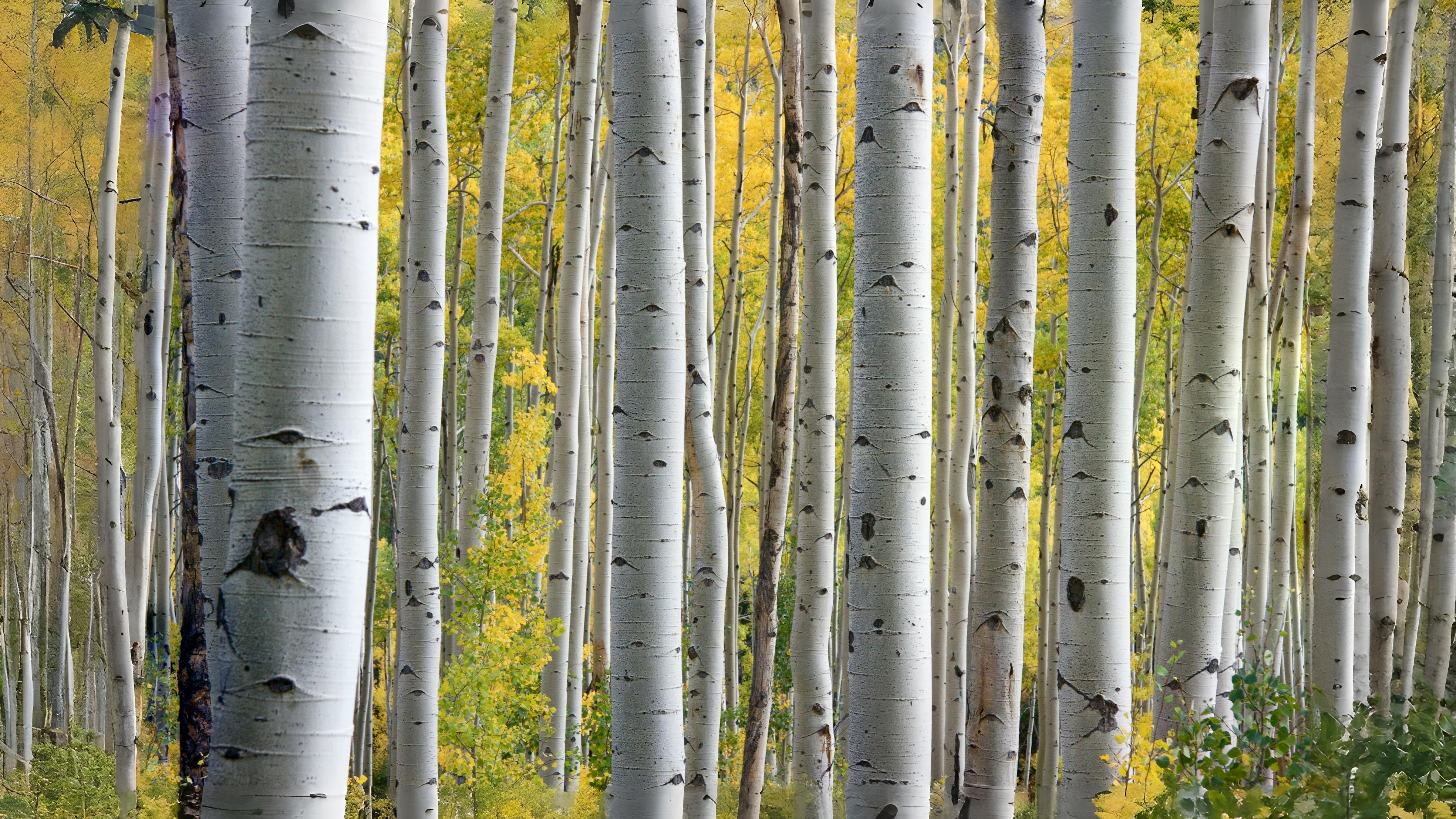
London, in recent years, now seems to be full of birches with white boles. These are mainly Kashir birches Betula jacquemontii and selections of the Himalayan birch B. utilis. However, some rarer birches now attract attention as their leaves become a bright, clear yellow e.g. Erman’s birch B. ermanii (Hampton Court), the Yellow birch B. alleghaniensis (Cannizaro park) and the birch which has the largest leaves, the Monarch birch B. maximowicziana (Greenwich park). Other rare birches worth seeking out are the Black birch B. nigra (Cranmer Road, Forest Gate) with its diamond-shaped leaves and the Chinese red-barked birch B. albosinensis (Cannizaro park) with its peeling amber-coloured bark.

14-Oct London’s Rare Autumn Trees Section Image

14-Oct London’s Rare Autumn Trees Section Image

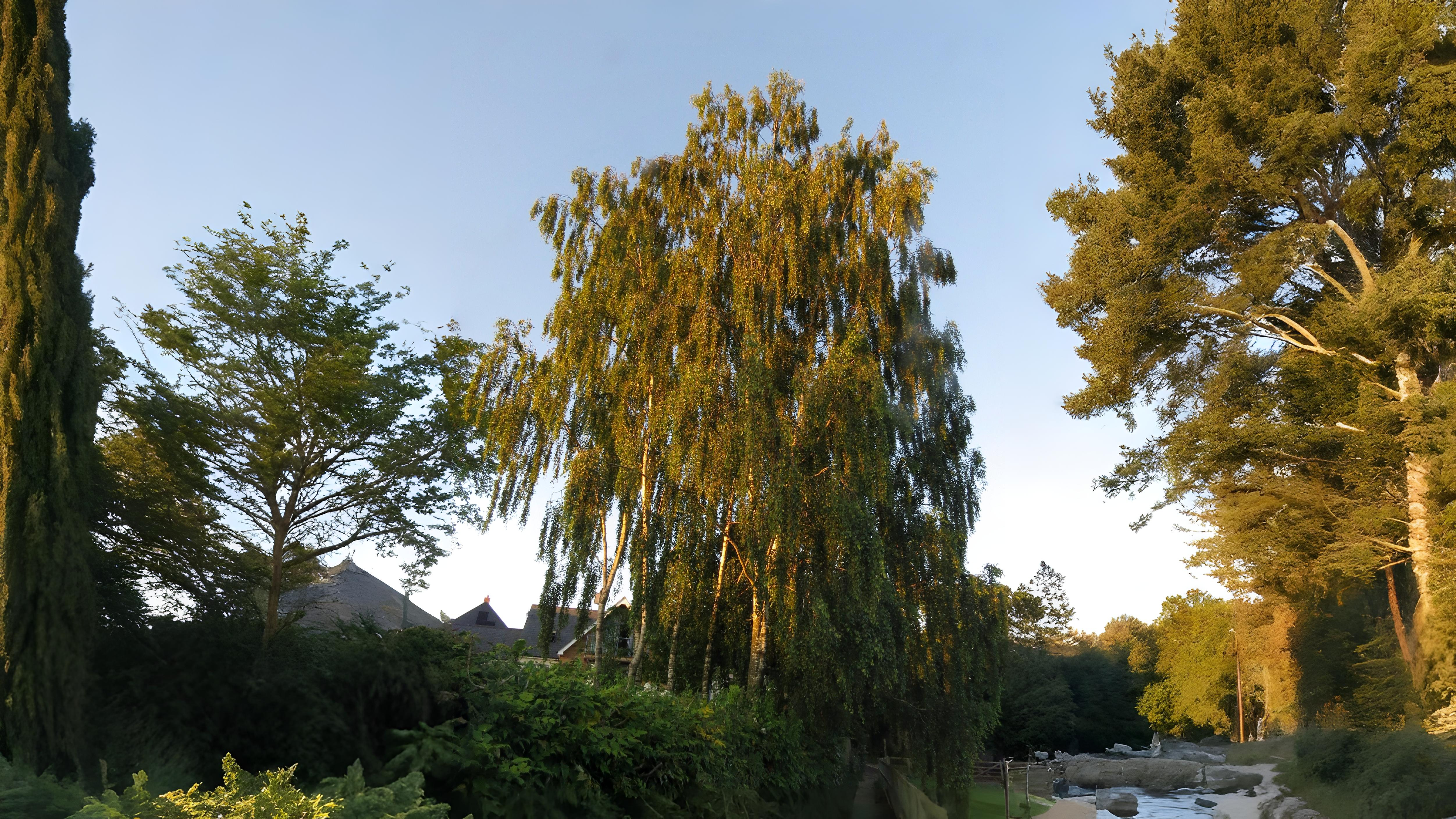
The most unusual of all is the Cherry birch B. lenta (Richmond park) with its strange scent of oil of wintergreen and arguably the most beautiful is the ‘Youngii’ form of our own wild native birch B. pendula. Its branches can weep to the ground creating curtains of leaves that gently sway in the breeze. They look even more graceful in old age such as the veteran in St. Michael’s Road, Stockwell.

14-Oct London’s Rare Autumn Trees Section Image

14-Oct London’s Rare Autumn Trees Section Image