11-Oct October's Enduring Shrubs Tile Image

11-Oct October's Enduring Shrubs

Summary

As the vibrant exuberance of summer flowers begins to wane, October ushers in a new era of understated beauty in the garden – the reign of the shrubs. While many familiar blooms like Choisya and Hydrangea may be winding down, this month brings the striking Hibiscus, with its unique two-toned petals, and the captivating Chinese lantern-shaped flowers of Abutilon into sharper focus. Keep an eye out for the dazzling leaf displays of Euonymus, from luminous pinks to fiery scarlets, and the incredible variety of Viburnums, showcasing a spectrum of rich autumnal hues across their diverse foliage. Even rarer treasures like Enkianthus and Fothergilla, with their intense scarlets and old golds, await discovery in specialized collections. From public house walls adorned with Virginia creeper to hidden gems in botanical gardens, October's shrubs are putting on a final, glorious show.

Article

Shrubs

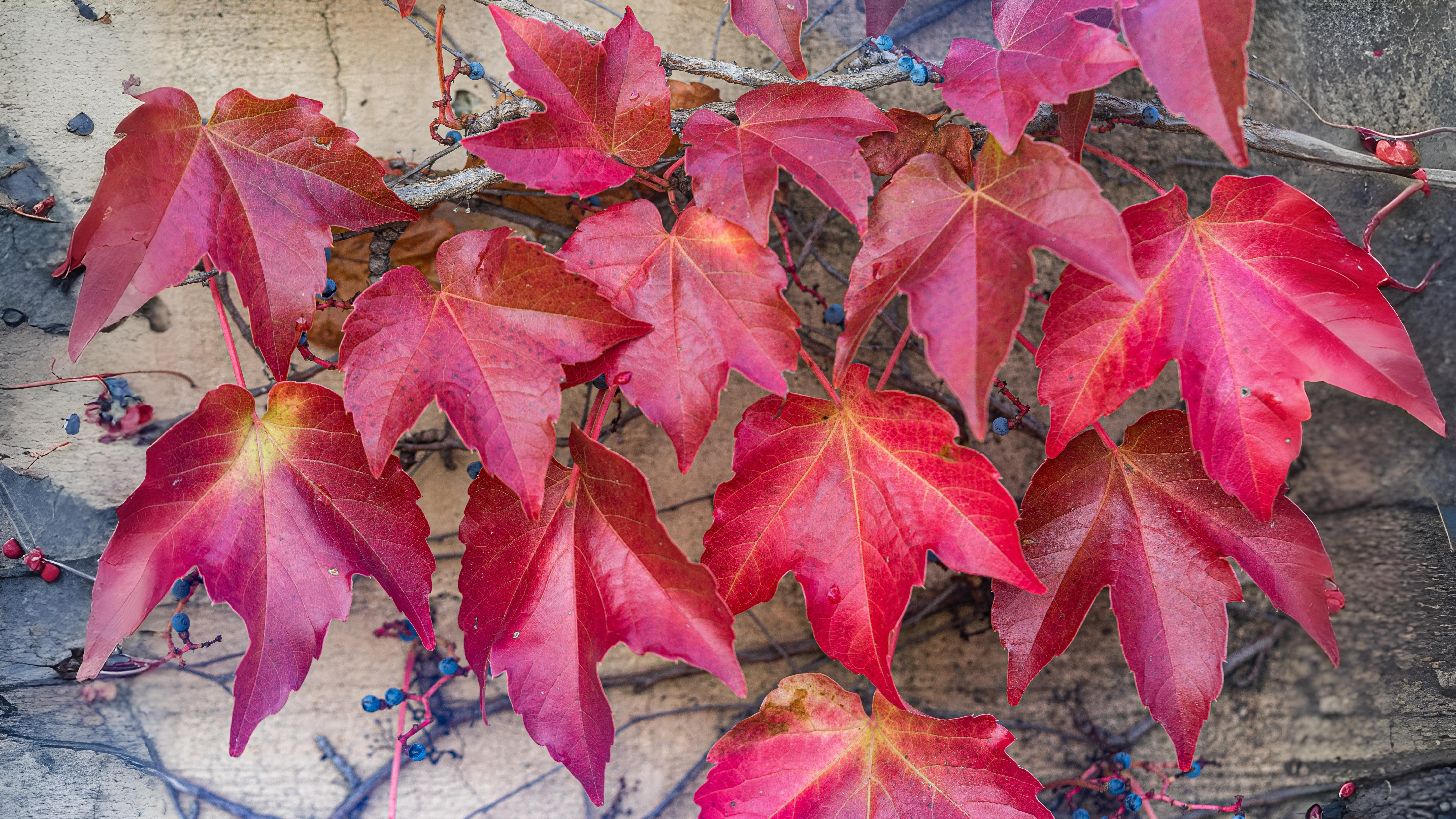
The long flowering periods of many of our shrubs are at last coming to an end. So although Choisya, Deutzia, Hypericum, Escallonia, Hydrangea, Potentilla, Fuschia and many roses are still in flower we start to notice them far less. The shrubs we do notice tend to be Hibiscus, Abutilon, Viburnum, Euonymus and Berberis. Climbers such as Clematis and Campsis are still in flower but it is Virginia creeper Parthenocissus quinquefolia, Boston ivy P. tricuspidata and vines such as Vitis coignetiae and V. vinifera that rarely escape our notice because of their bright colours, especially on the walls of public houses.

11-Oct October's Enduring Shrubs Section Image

11-Oct October's Enduring Shrubs Section Image

There are a whole host of rarer shrubs we don’t see in London’s front gardens but have been collected together in places such as Kew, Wisley and the Chelsea Physic garden. A lot of the ornamental gardens in our parks are quite disappointing for shrubs except perhaps for the legions of orange, red and crimson forms of barberries (Berberis).

11-Oct October's Enduring Shrubs Section Image

11-Oct October's Enduring Shrubs Section Image

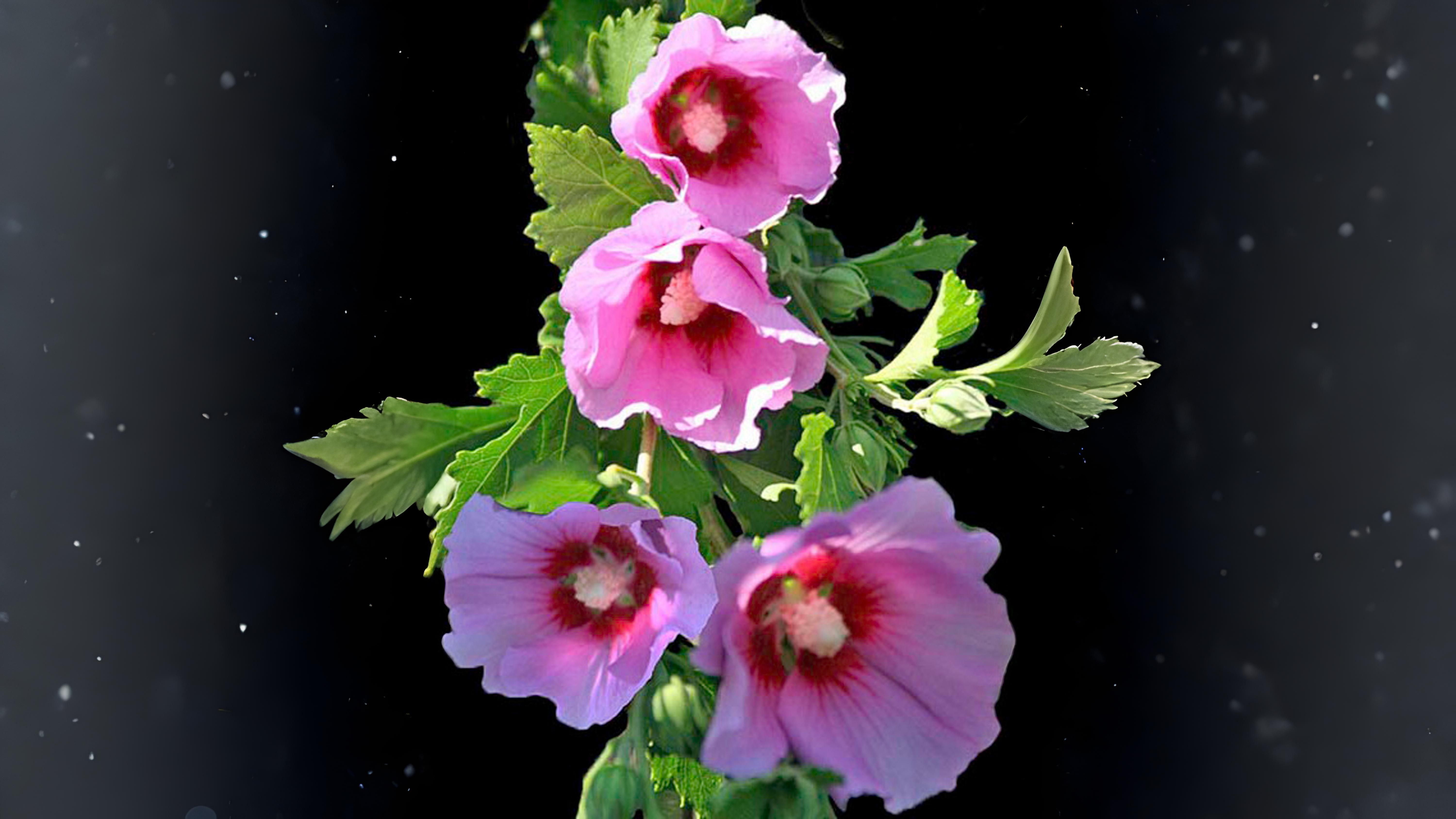
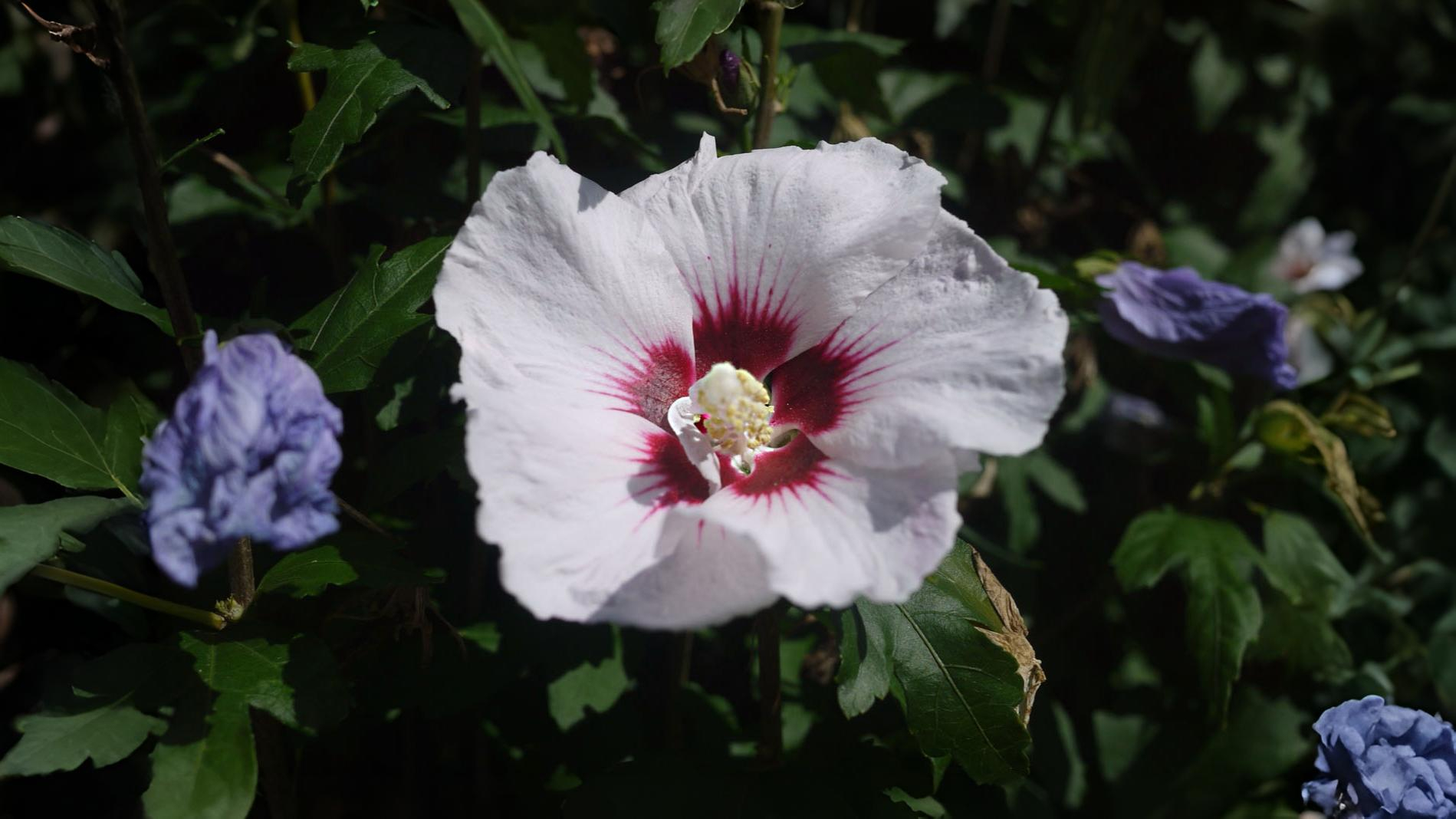
Hibiscus is very popular especially the hybrids and varieties of the rose mallow Hibiscus syriacus. This shrub got its specific name from a belief in the late seventeenth century that it came from Syria or at least from the Near East. Its real home is still unknown even today; it is possibly China, but it has also been cultivated in Japan and India for centuries. Hibiscus flowers are a little unusual often being made up of two mixed colours, perhaps violet and blue or lavender and pink. This gives them a slight extra glow. They also have much darker, often feathered eyes which are generally strong colours such as maroon, carmine or a garnet red. Some have been in flower since July but it is now that we tend to notice them more.

11-Oct October's Enduring Shrubs Section Image

11-Oct October's Enduring Shrubs Section Image

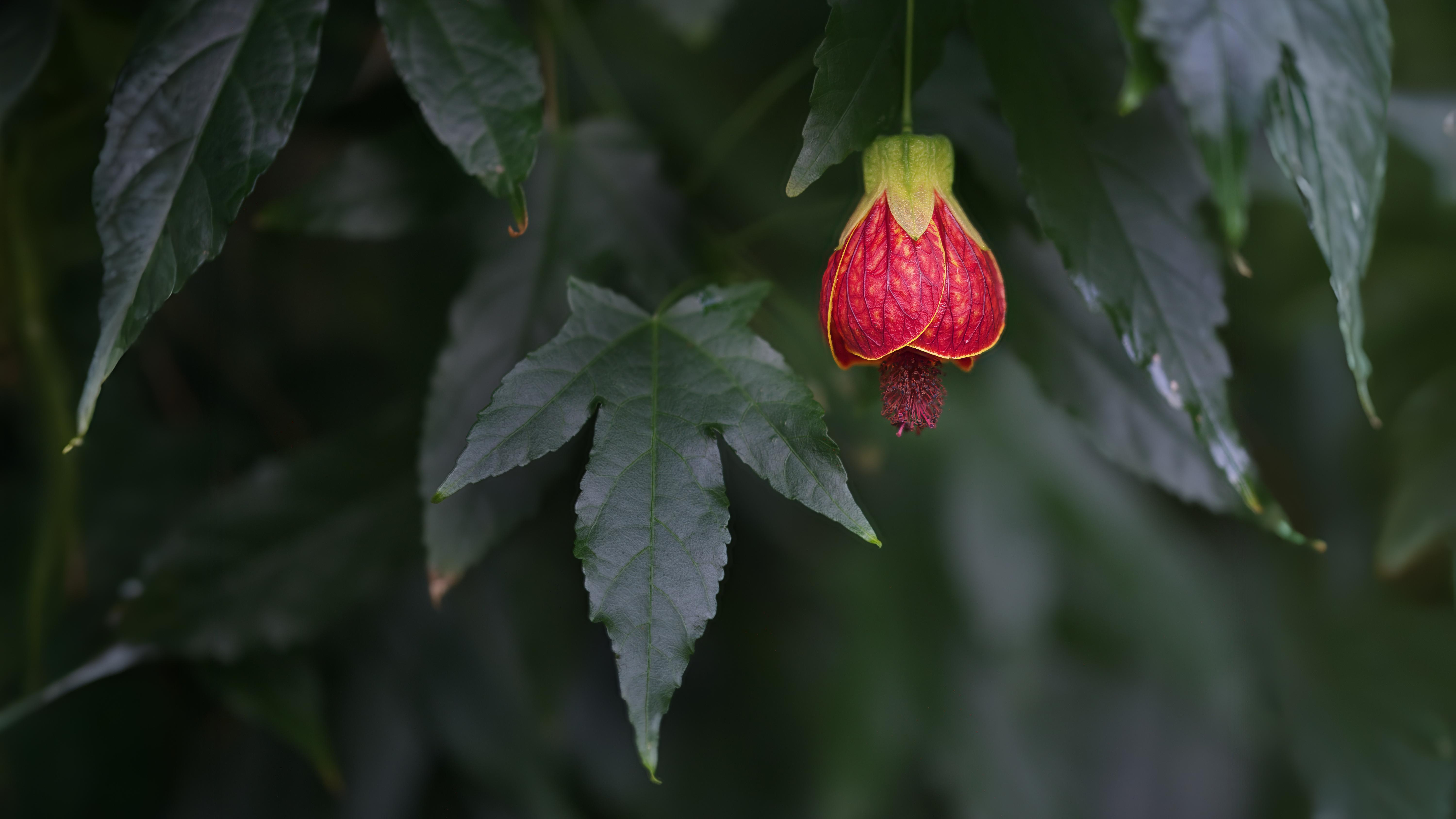
Abutilon flowers also catch our attention a lot because of their Chinese lantern- shaped flowers which are often bright red, yellow or purple, all three colours coming together in species such as Abutilon megapotamicum. They also have attractive leaves which are sometimes either speckled, mottled or just edged in yellow rather than the usual white. Many have just recently escaped from conservatories and can now be seen growing happily against warm walls. Others such as those from Brazil and Chile are easily taken by a frost.

11-Oct October's Enduring Shrubs Section Image

11-Oct October's Enduring Shrubs Section Image

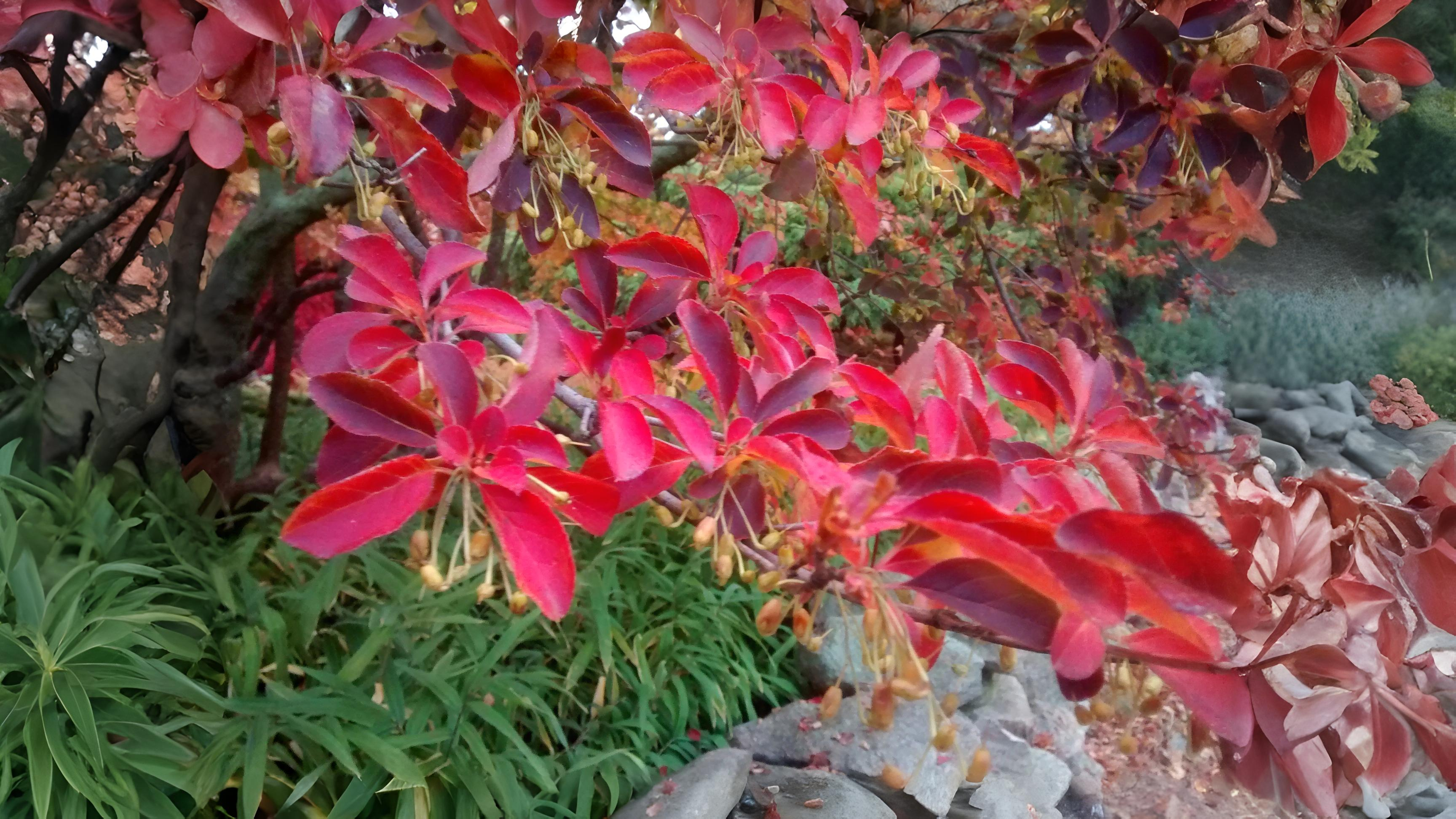
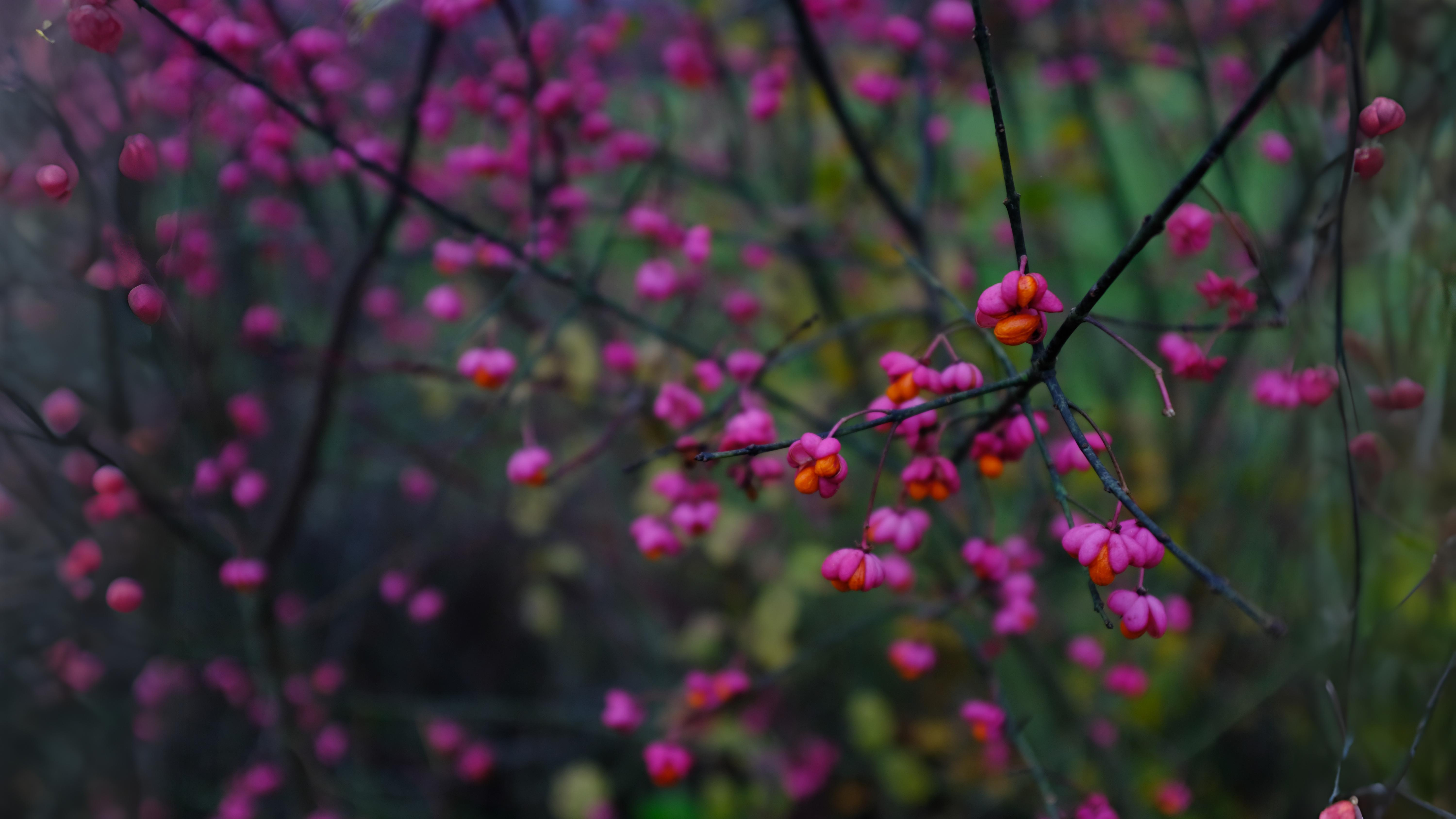
Spindles Euonymus spp. also have a lot to offer this month. Not only are some in flower and others carrying their famous orange, brightly coloured ‘beret’ fruits but many are producing a dazzling array of luminous pinks as their leaves start to colour up. They are found wild in Japan, Korea and China even growing in among the wild scrub below the Great Wall of China. Their English name derives from their wood being used to make spindles. It is less well known that it is also used to make viola bows and virginal keys, as well as matches.

11-Oct October's Enduring Shrubs Section Image

11-Oct October's Enduring Shrubs Section Image

Species to look out for in plant collections are Euonymus yedoensis, E. sachalinensis, E. latifolius and especially the winged spindle E. alatus. This is easier than most to recognise with the winged corky growths on its stems, but it is the reliable show of pinks and rose scarlets that tend to set it apart. Our own wild E. europaeus is also not to be ignored. Even though it colours well, it often looks rather weak and ‘spindly’ when found in hedges around the edge of London. More centrally it is eclipsed by its much more brightly coloured cousins in gardens.

This is also a good time to become better acquainted with the Viburnums. They are highly variable in their leaf colours which can include copper, amber, claret, crimson or purple.
11-Oct October's Enduring Shrubs Section Image

11-Oct October's Enduring Shrubs Section Image

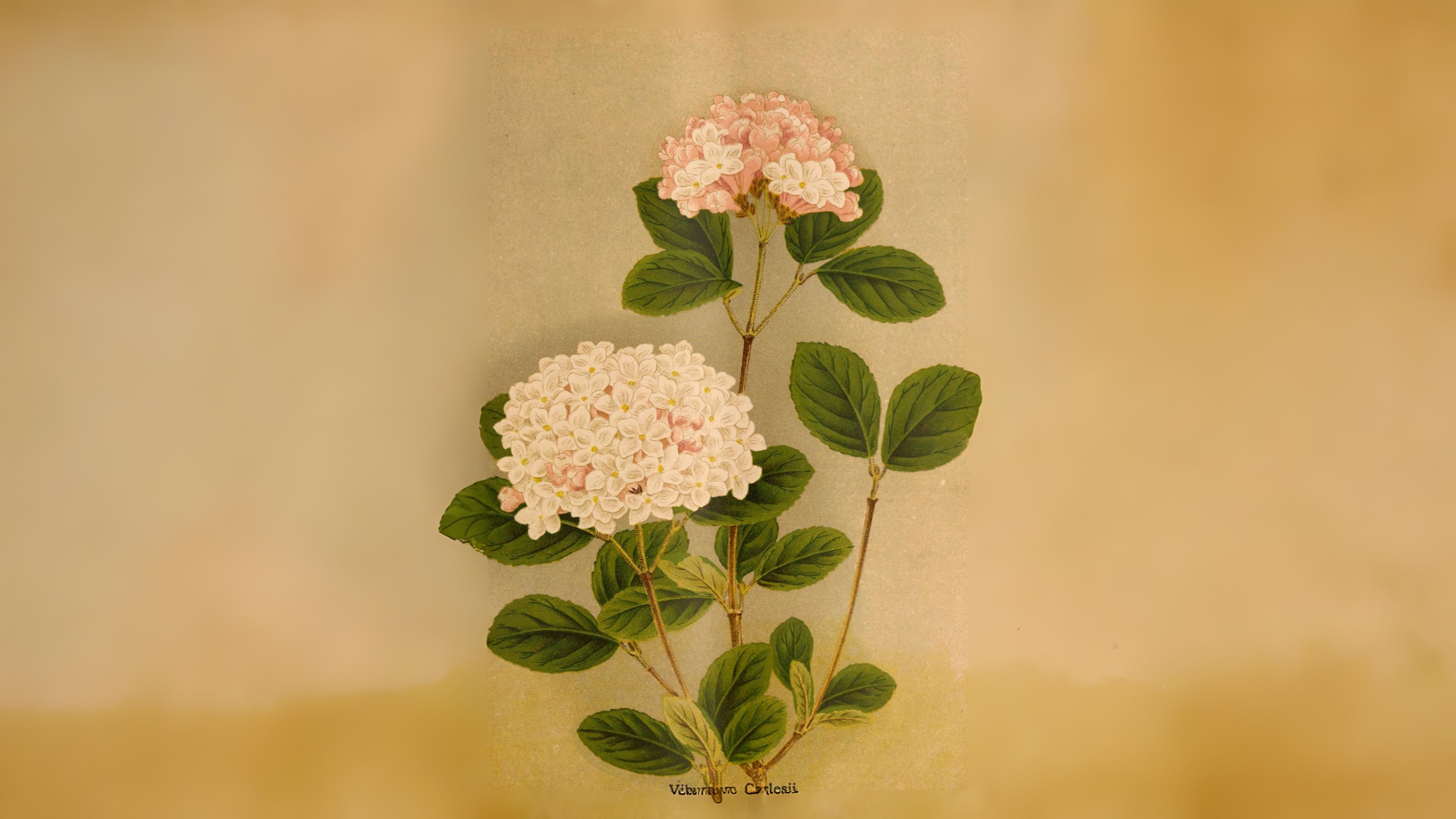
Viburnums to look out for are Viburnum lantanoides, V. carlesii, V. furcatum, V. plicatum, V. setigerum in gardens and V. opolus and V. lantana in the wild. The wild guelder rose V. opolus produces a rich set of reds and the wild wayfaring tree V. lantana has an equally arresting set of crimsons. Good specimens of both are common enough along the North Downs, often now growing beside the blood red stems of the Common dogwood Cornus sanguinea. The leaves of Viburnums are also very variable in themselves. They can be glossy, leathery, wrinkled, pleated or just covered in velvet. V. setigerum can even have shades of blue, red, green, orange and yellow on a single leaf. With all this natural variation it is not surprising gardeners still continue to select for better and better forms.

11-Oct October's Enduring Shrubs Section Image

11-Oct October's Enduring Shrubs Section Image

It is the rarer shrubs, if they are found in October, that are likely to prove the most exciting. Many are slow growing and dependent on acid soils and so tend to be more expensive to buy and therefore less often grown. Enkianthus perulatus is one such example. It arrived in the unlikely setting of Ascot in 1869 and yet is still very rarely seen, even though some would say it produces the most intense scarlet of all. For the same reasons, Fothergilla is also uncommon, even though it is famous for its reds, ambers and old golds. It arrived even earlier, in 1780, was promptly lost, then arrived again in 1902. Yet even though it is in the elite of autumn shrubs it can still be quite hard to find.

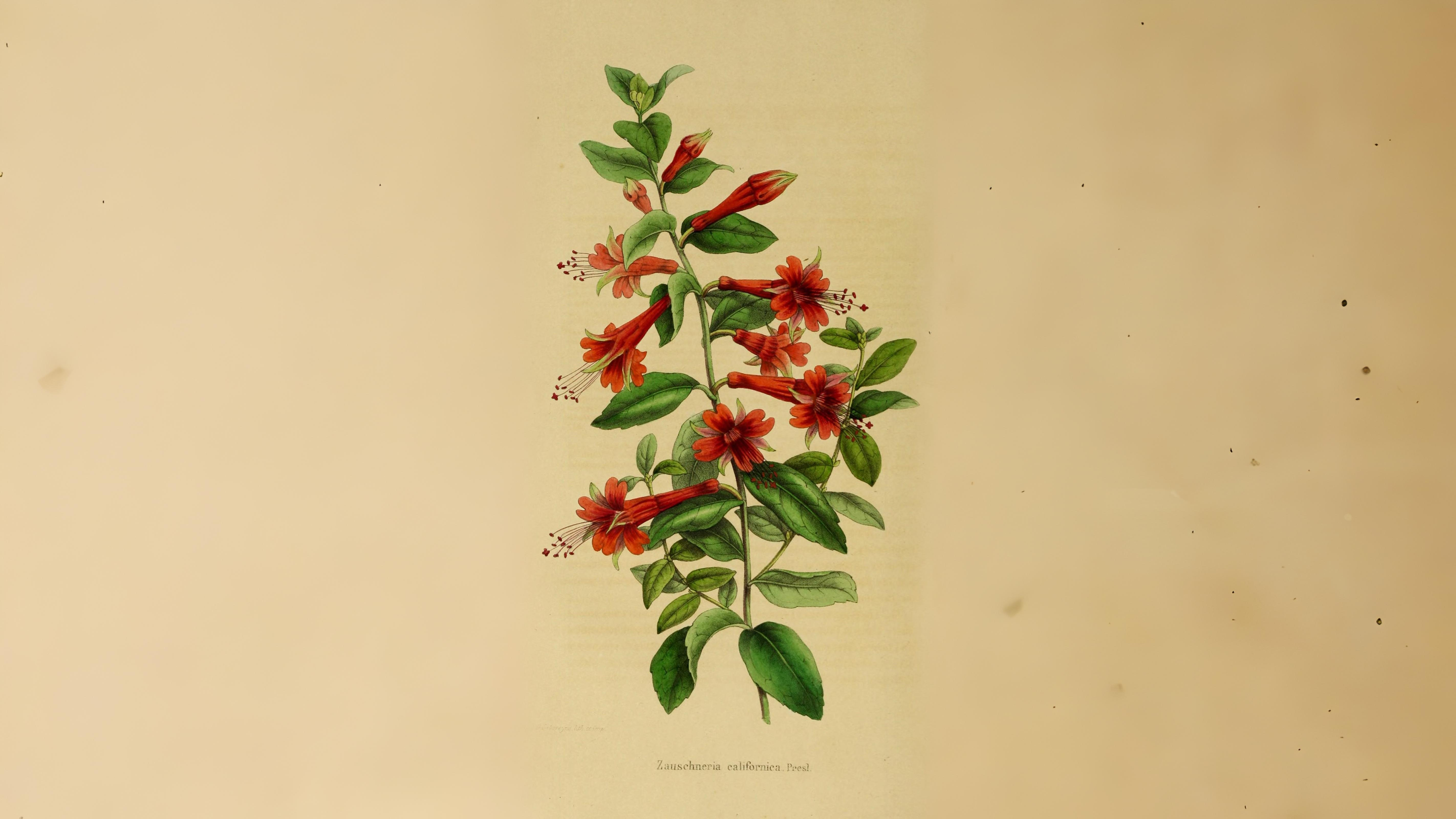
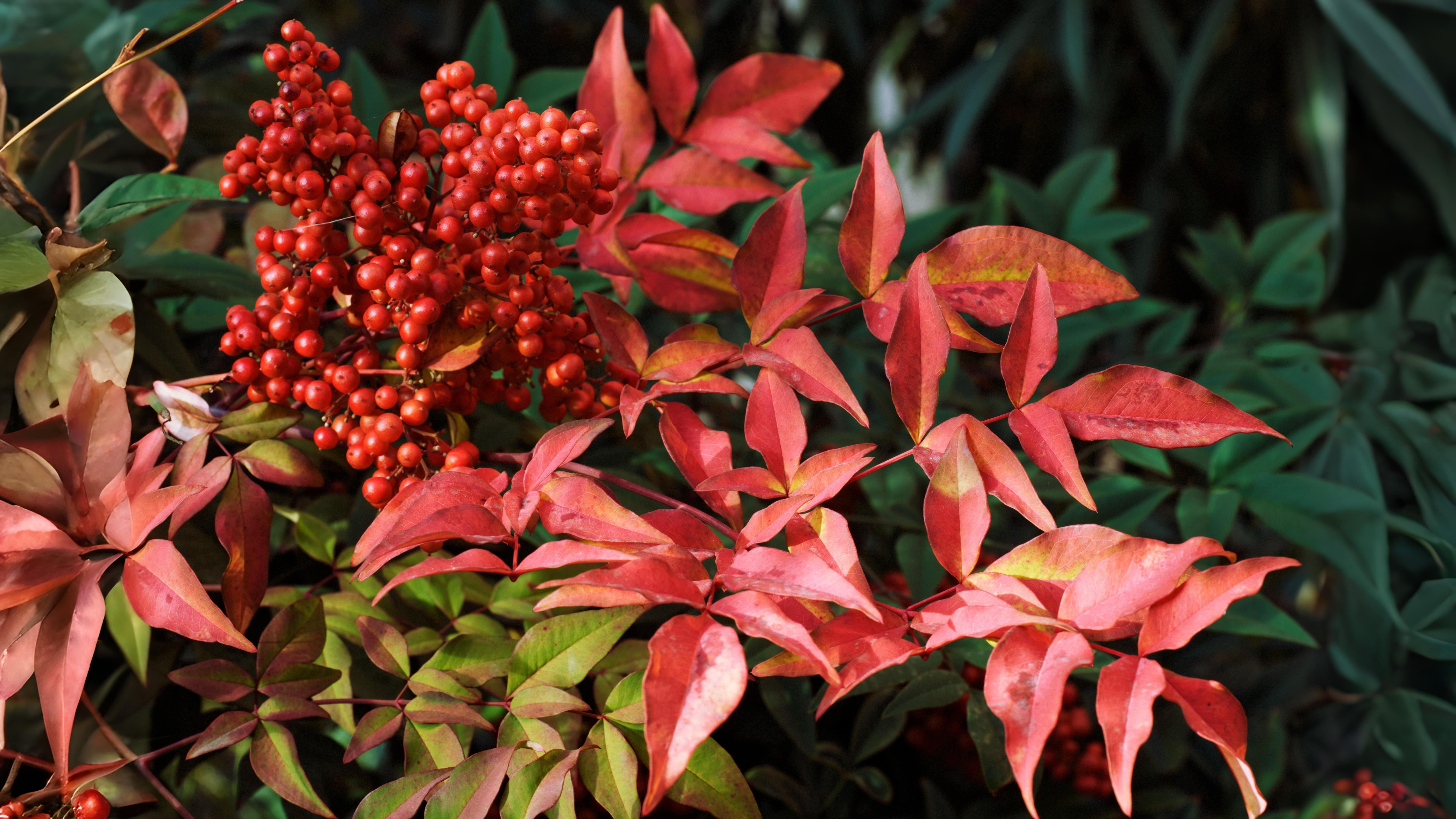
Other rarities well worth hunting for are Disanthus, Colquhounia, Colletia, Cestrum, Pileostegia, Lespedeza, Eriobotrya and Zauschneria for their flowers and chokeberries (Aronia), dogwoods (Cornus), sweet pepper bushes (Clethra), sacred bamboos (Nandina) and the Angelica tree (Aralia elata) for their leaf colours.
11-Oct October's Enduring Shrubs Section Image

11-Oct October's Enduring Shrubs Section Image

The latter has the largest, most complicated leaves in London. A single leaf can be up to a metre in length. To find some of these shrubs trips to Kew, Wisley and Chelsea Physic garden are recommended but the Rookery in Streatham, Golders Hill park and Coombe Wood in Addington hills usually hold one or two surprises.

11-Oct October's Enduring Shrubs Section Image

11-Oct October's Enduring Shrubs Section Image