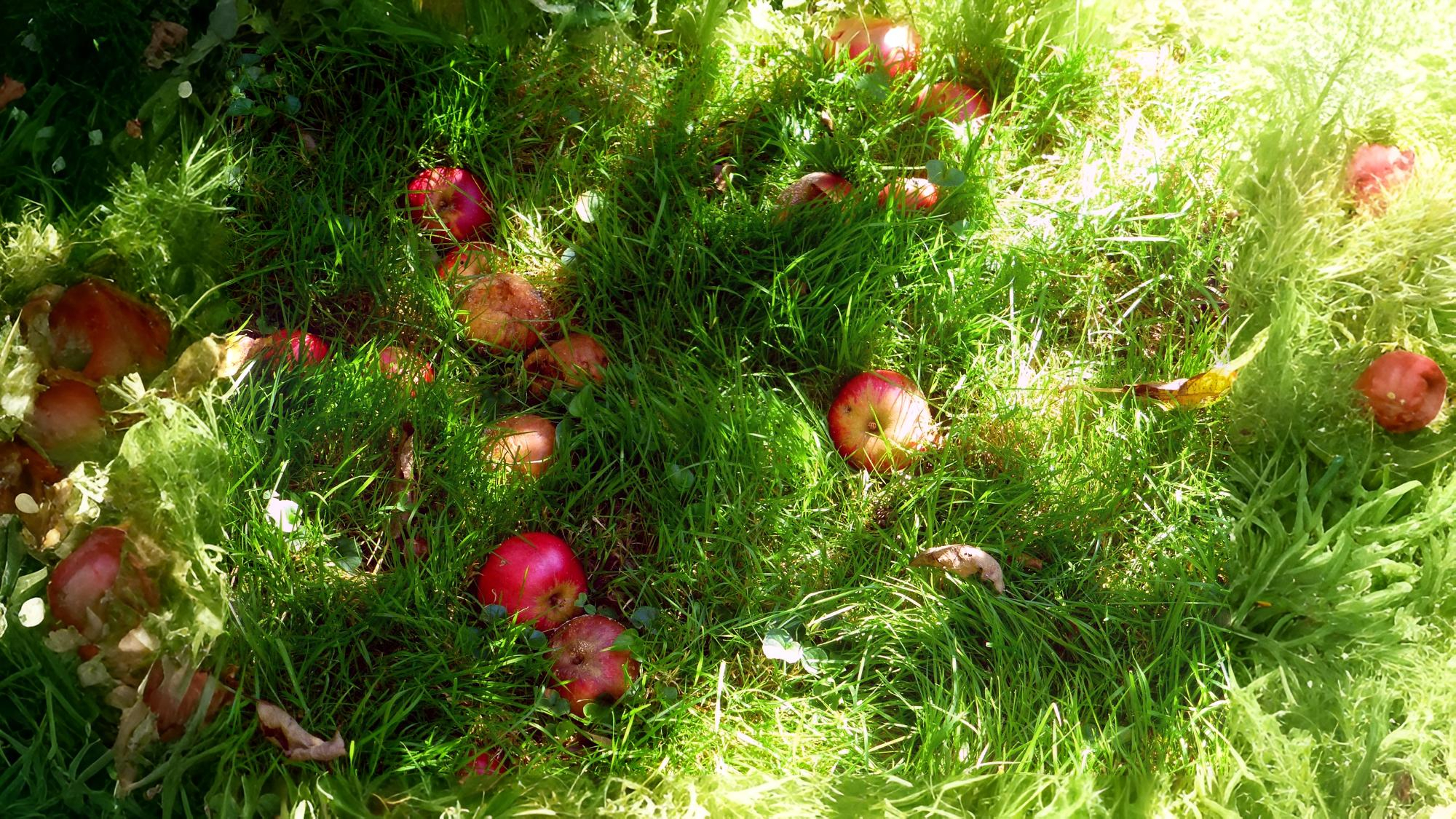
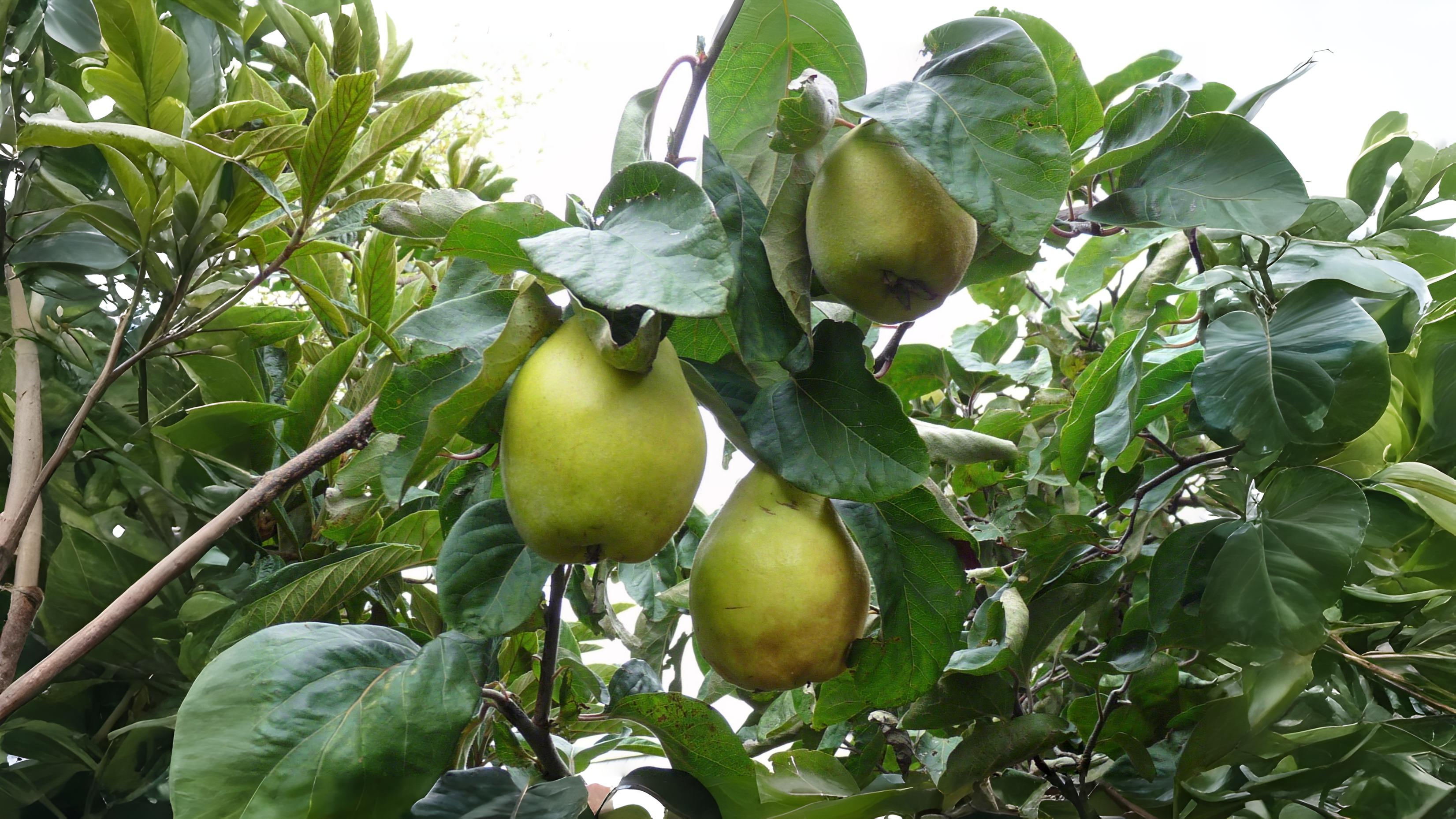
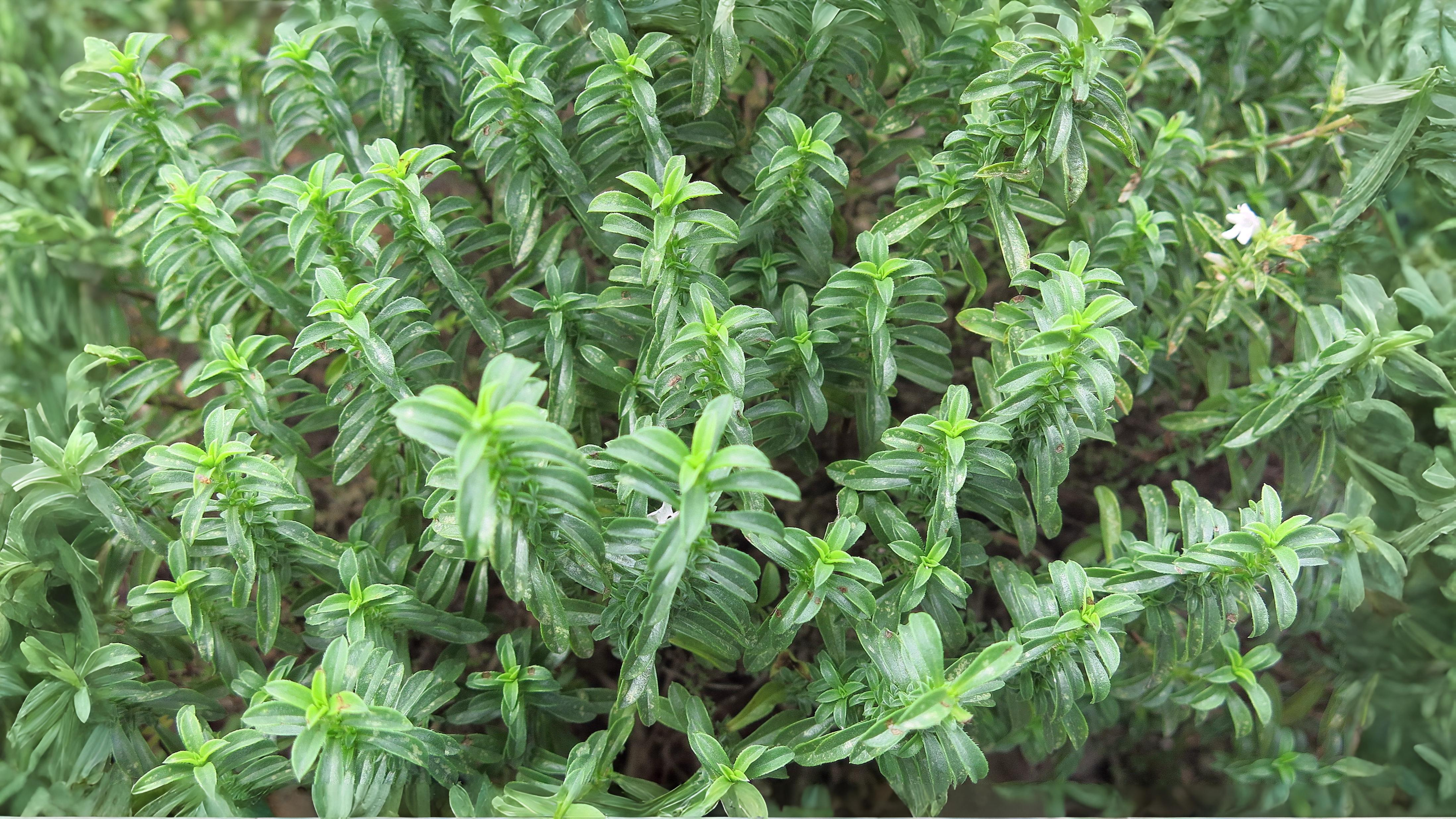
Gardens, as you might expect, have a richer compliment of scents. October would have been a time in the past when many scented leaves were gathered to be dried and then used for nosegays, pot pourris or strewing herbs. Herb gardens were a particularly rich source of these leaves where winter savoury and one or two others would still be in flower.
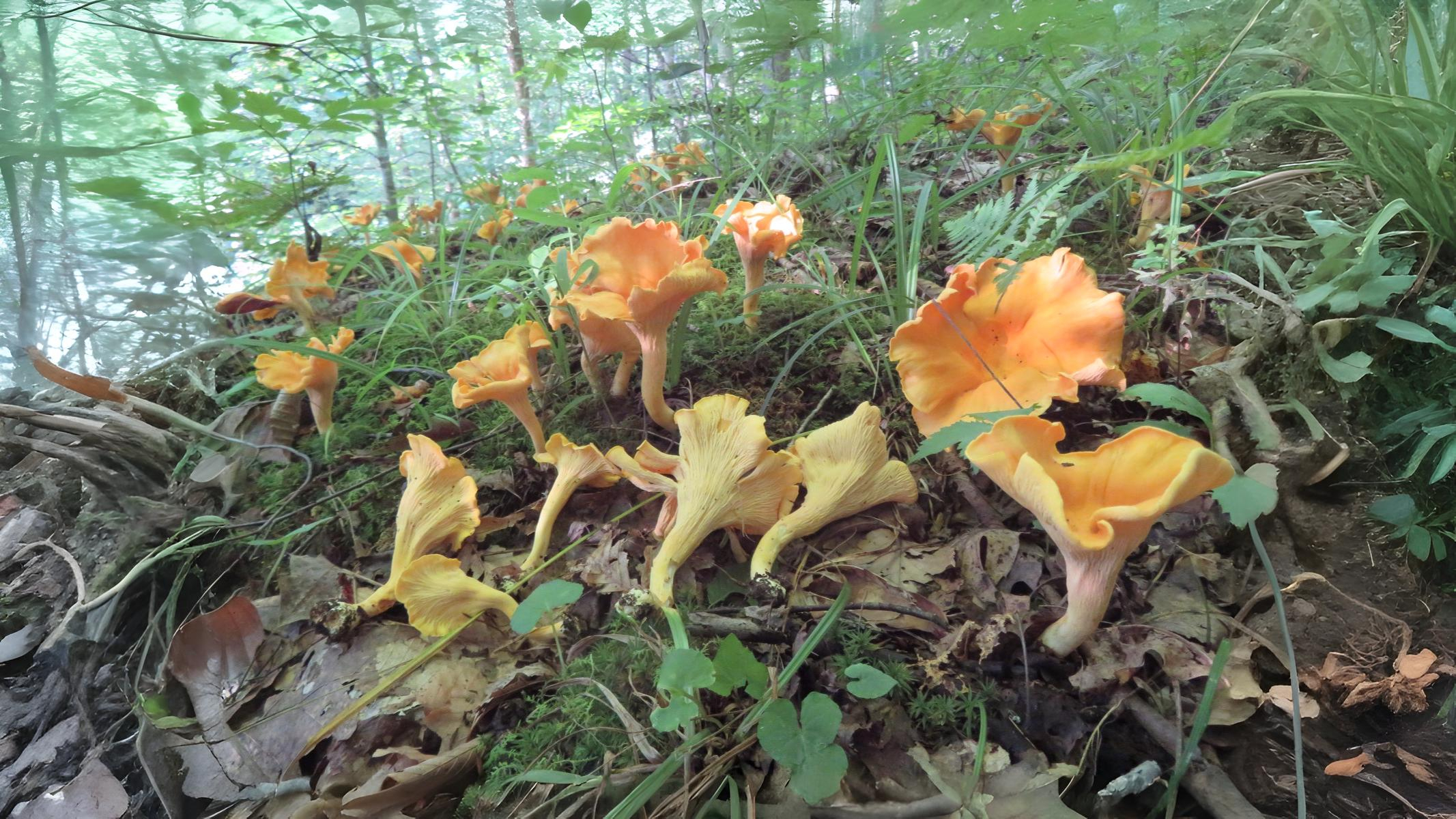
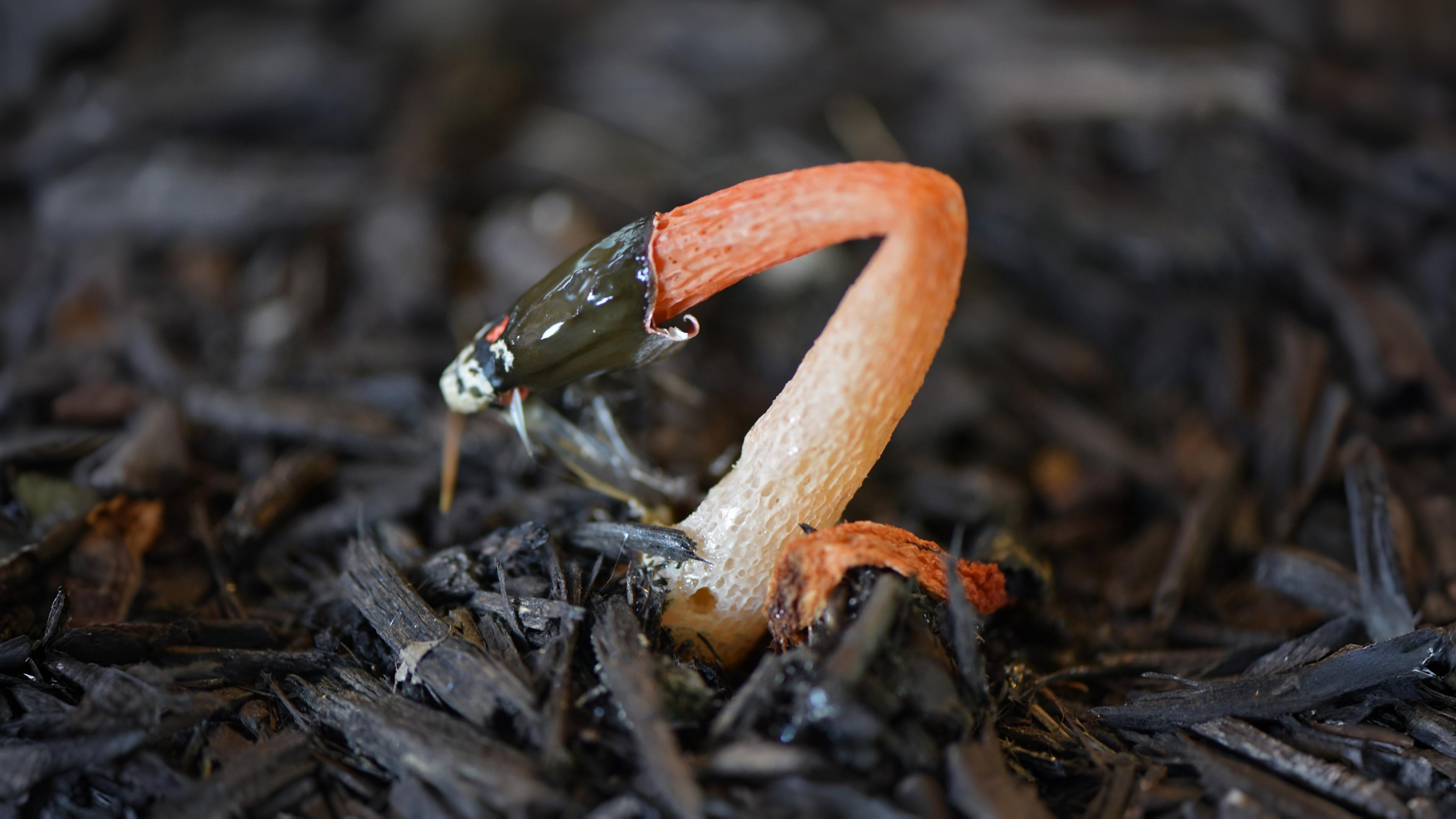
Putting flowers and roots to one side, the most interesting and unexpected scents of this month are to be found among the wild fungi. Most, when brought to our nose, have the typical mushroomy smell but other very common scents are flour, almond, musk, rancid and foetid. Mycologists, due I suspect to different nasal receptors or missing ones, disagree fiercely about the odours produced by some species but for most there is general agreement. Quite a number smell of particular fruit e.g. Russula amoena (peach), R. pectinatoides (stewed apple), Cantharellus cinereus (Mirabelle plum), Hygrophorus eburneus (mandarin peel) and chanterelles (apricot).