09-Oct Autumn's Final Flourish Tile Image

09-Oct Autumn's Final Flourish

Summary

As October ushers in shorter days and a distinct chill, you might think the garden's show is over. But look closer! This month is a time of surprising resilience and spectacular last hurrahs. While many plants gracefully bow out, others are just hitting their stride, offering a final, vibrant burst of colour. Discover the hardy Japanese anemones and Dahlias that refuse to fade, the charming Chinese lanterns (Physalis alkekengi) with their hidden treasures, and the unlikely sight of autumn crocuses carpeting the ground. From the giant pink trumpets of the Cape belladonna to the playful Obedient plant whose flowers can be rearranged, October's garden is full of fascinating stories and fleeting beauty.

Article

Garden Flowers

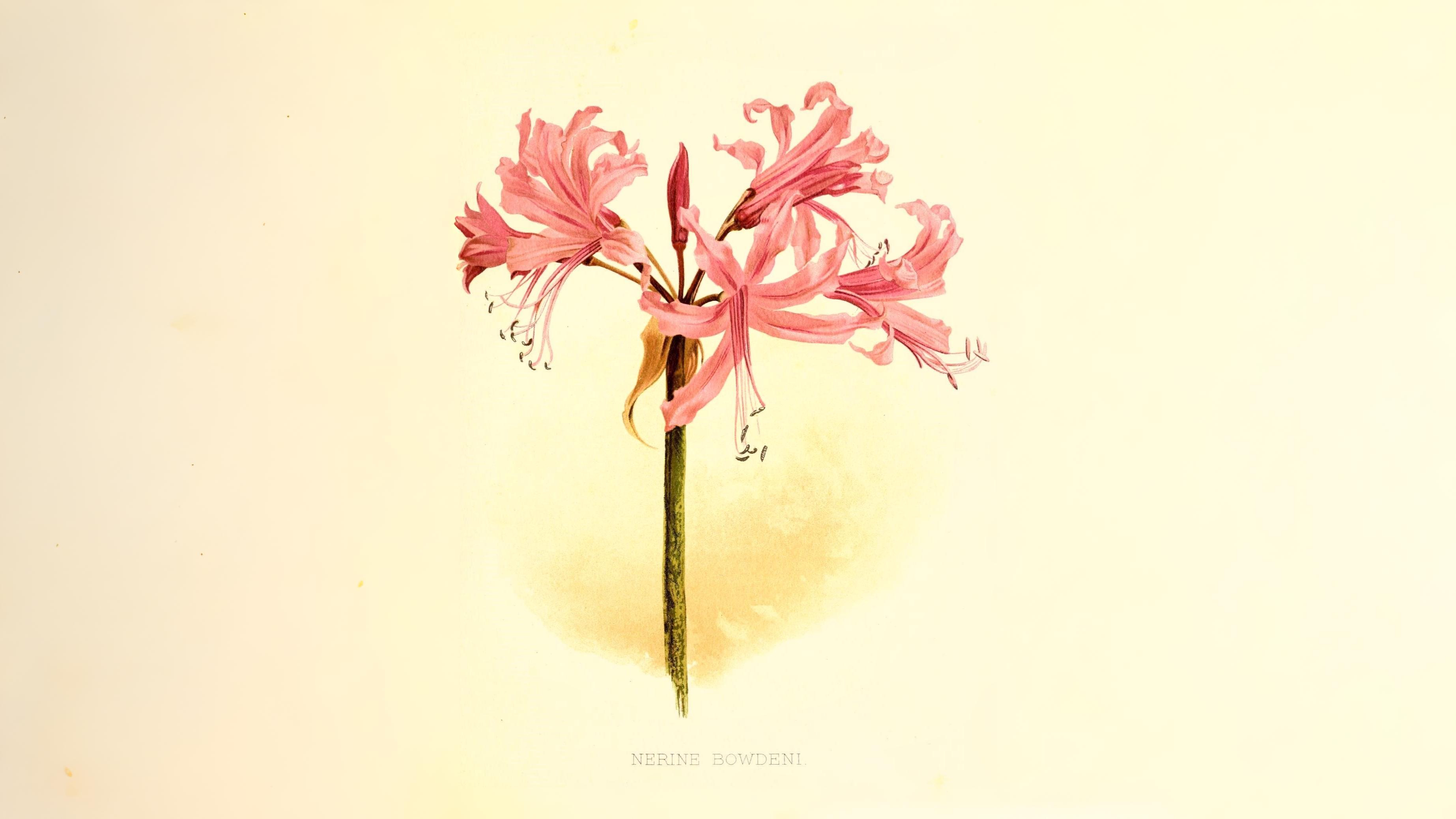
The garden plants continuing to flower from previous months are much more in evidence in October as there are so few new ones to join them. The most noticed are likely to be Japanese anemones, Dahlias, Fuschias, Nicotiana, Penstemons, Nerines or Amerines as well as some Hypericums, Potentillas, roses and hydrangeas. Climbers such as Virginia creeper, Vitis, Clematis, Plumbago and Russian vine are either at their most colourful or, in the case of the latter, at their most rampant.

09-Oct Autumn's Final Flourish Section Image

09-Oct Autumn's Final Flourish Section Image

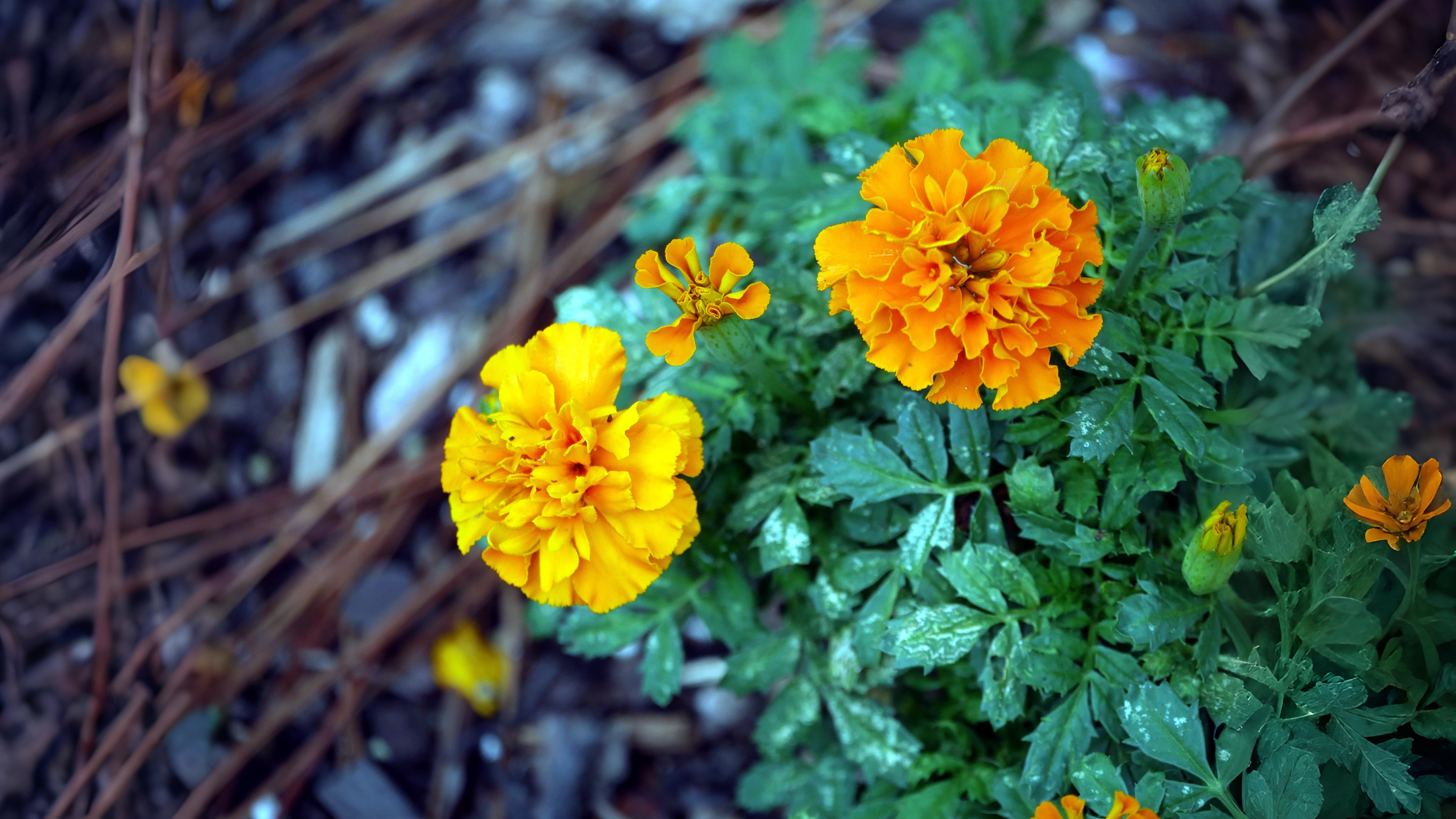
Tough bedding plants such as Lobelia, Liriope, Alyssum, Ageratum and Tagetes are all among the last to succumb in parks. Where there are herbaceous borders perennials such as Solidago, Phlox, Gaura, Gaillardia, Helianthus, Helenium, Scabiosa and Rudbeckia do a little better.

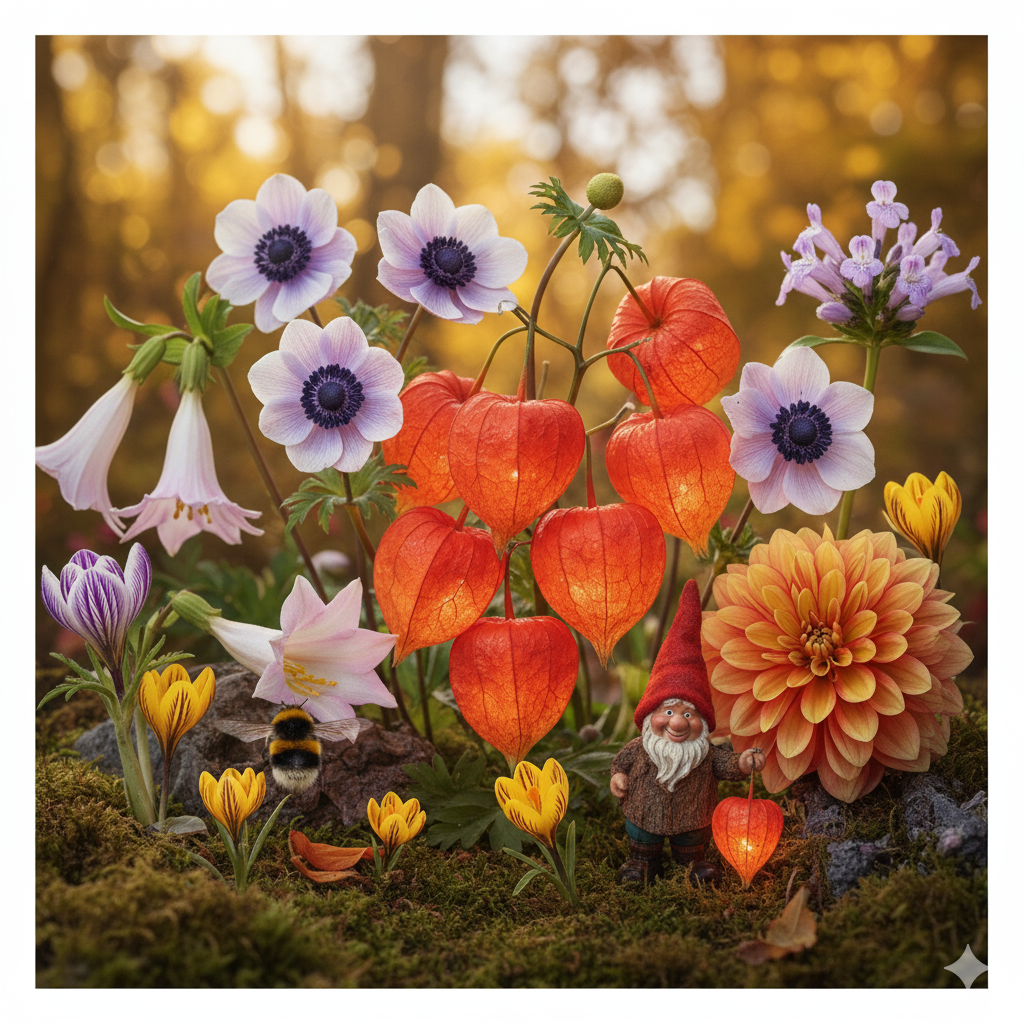
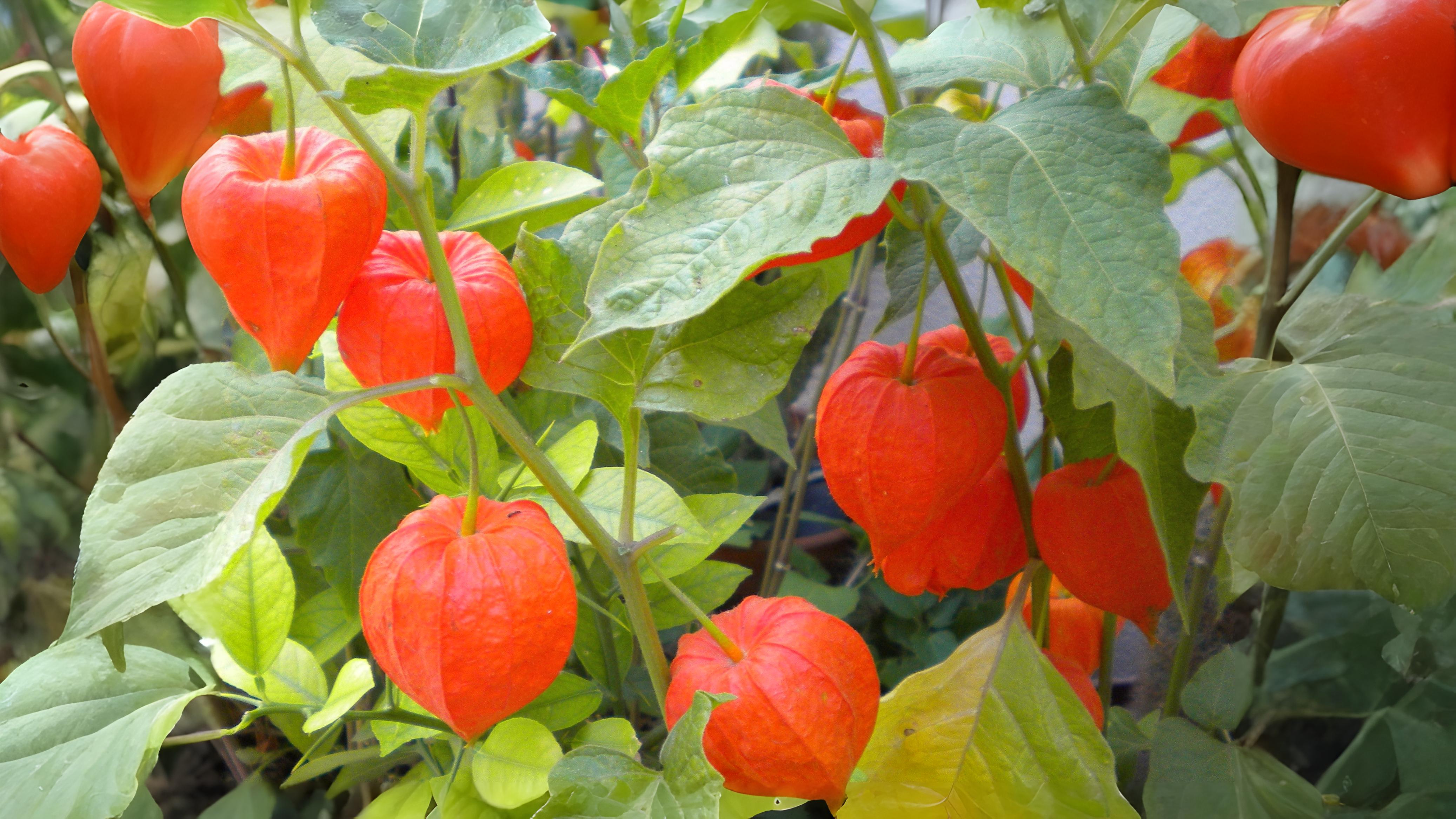
With the shorter days and colder nights most plants are now starting to look worn out but species such as the Chinese lantern, Yellow corydalis, Cosmos and Nicotiana can still look fresh enough to put on a show. Chinese lanterns have been grown for their scarlet and orange “lanterns” for centuries. The lantern is just the papery covering of the edible cherry-like fruit within.
09-Oct Autumn's Final Flourish Section Image

09-Oct Autumn's Final Flourish Section Image

Physalis alkekengi is usually the species we see in gardens with its bright coloured orange lanterns and it is the other related species such as P. pubescens we see in supermarkets with the bladder pulled back to reveal the edible Cape gooseberry within. Such an attractive plant has acquired a wealth of other names such as Strawberry tomato, Husk tomato, Bladder cherry and Winter cherry. It is often the range of differently coloured Cosmos bipinnatus that catch our eye in October. Cosmos flower earlier in the year and then seem to have a rest period when their brittle stems usually get broken by winds. When it comes to the autumn they seem to have a second flush when the smallest flower buds open readily, even when cut and brought indoors.

09-Oct Autumn's Final Flourish Section Image

09-Oct Autumn's Final Flourish Section Image

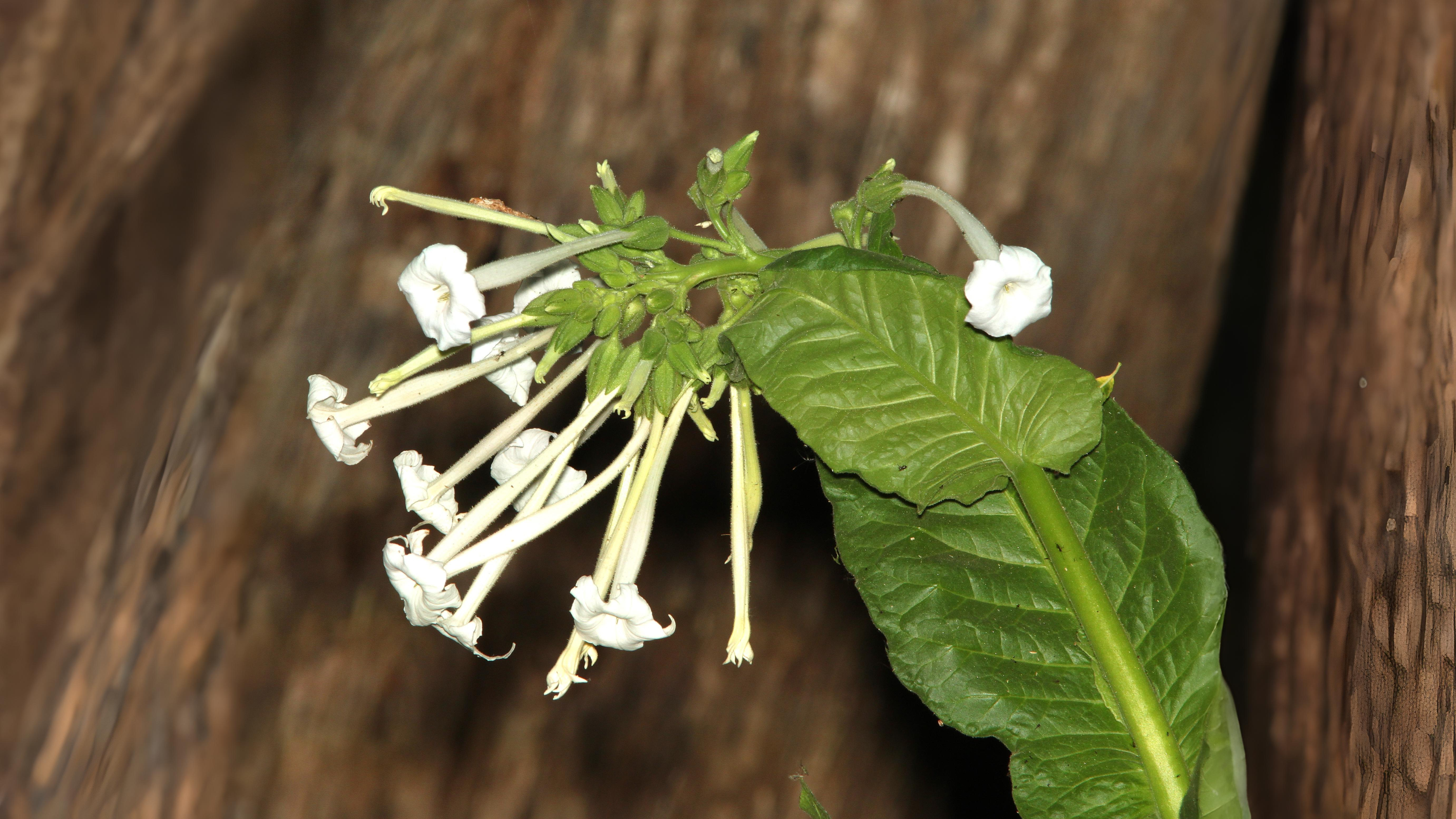
Tobacco plants Nicotiana sylvestris are widely planted for their heady fragrance on warm evenings. They only arrived in London in 1897 whereas their relation N. tabacum, the species used to make tobacco, arrived with Sir Walter Raleigh three centuries earlier. There was probably more opposition to the import of the tobacco plant than any other, with kings and popes joining in the condemnation and even a sultan throwing in the death penalty for good measure.

09-Oct Autumn's Final Flourish Section Image

09-Oct Autumn's Final Flourish Section Image

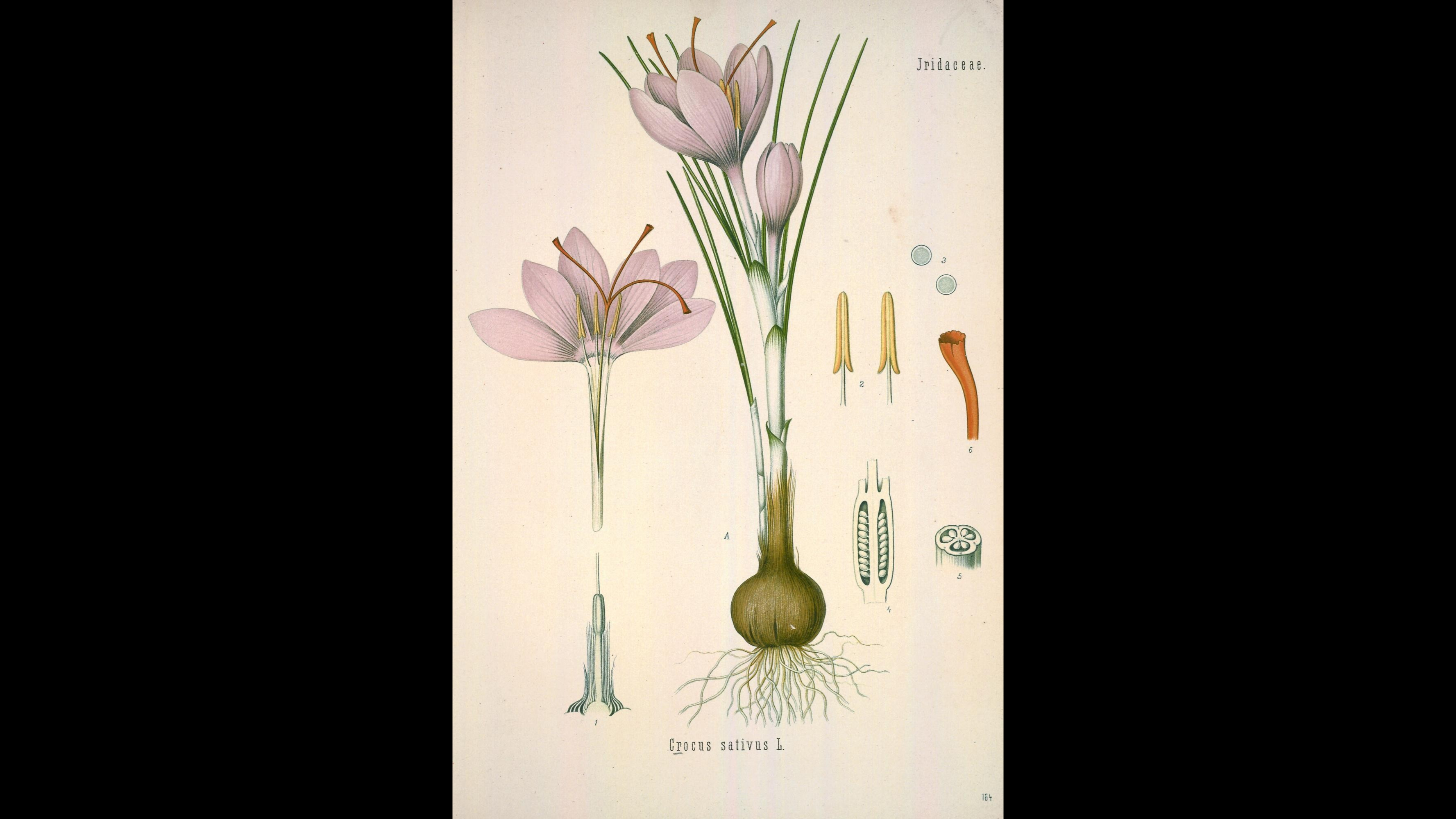
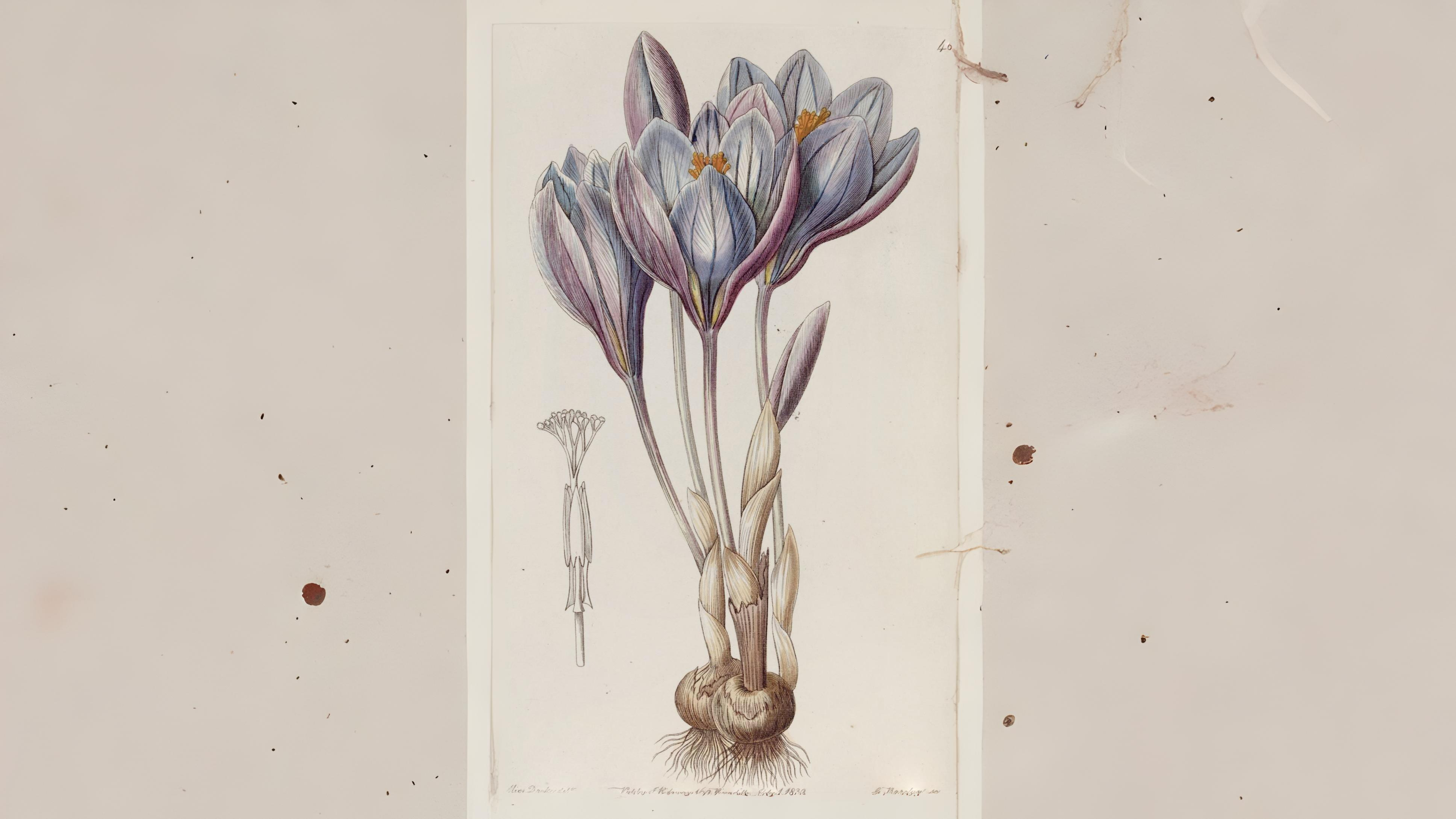
As already mentioned, one group of plants that just start to open this month are the autumn crocuses. They are occasionally seen naturalised in short grass, open ground or under trees. There are several coming from different parts of the Mediterranean but Crocus kotschyanus, C. nudiflorus, C. pulchellus and C. speciosus are the most likely to be seen. C. kotschyanus comes from Turkey and the Lebanon and is often the first to open. It is vigorous, naturalises easily and has a number of different coloured hybrids. Usually pale mauve or pink it often looks like a Colchicum. C. nudiflorus comes a little later and is much darker. At one time it grew wild on Keston common. C. pulchellus is more of a pale blue with a dark yellow throat and C. speciosus is usually the darkest mauve of all as well as having lines along its petals.

09-Oct Autumn's Final Flourish Section Image

09-Oct Autumn's Final Flourish Section Image

There are others that might possibly be seen, such as the violet-scented C. medius from Italy and the exotic Byzantine crocus C. banaticus from Transylvania which can look almost like an iris. Best of all is when they are seen covering traffic roundabouts in some of the more botanically enlightened boroughs.

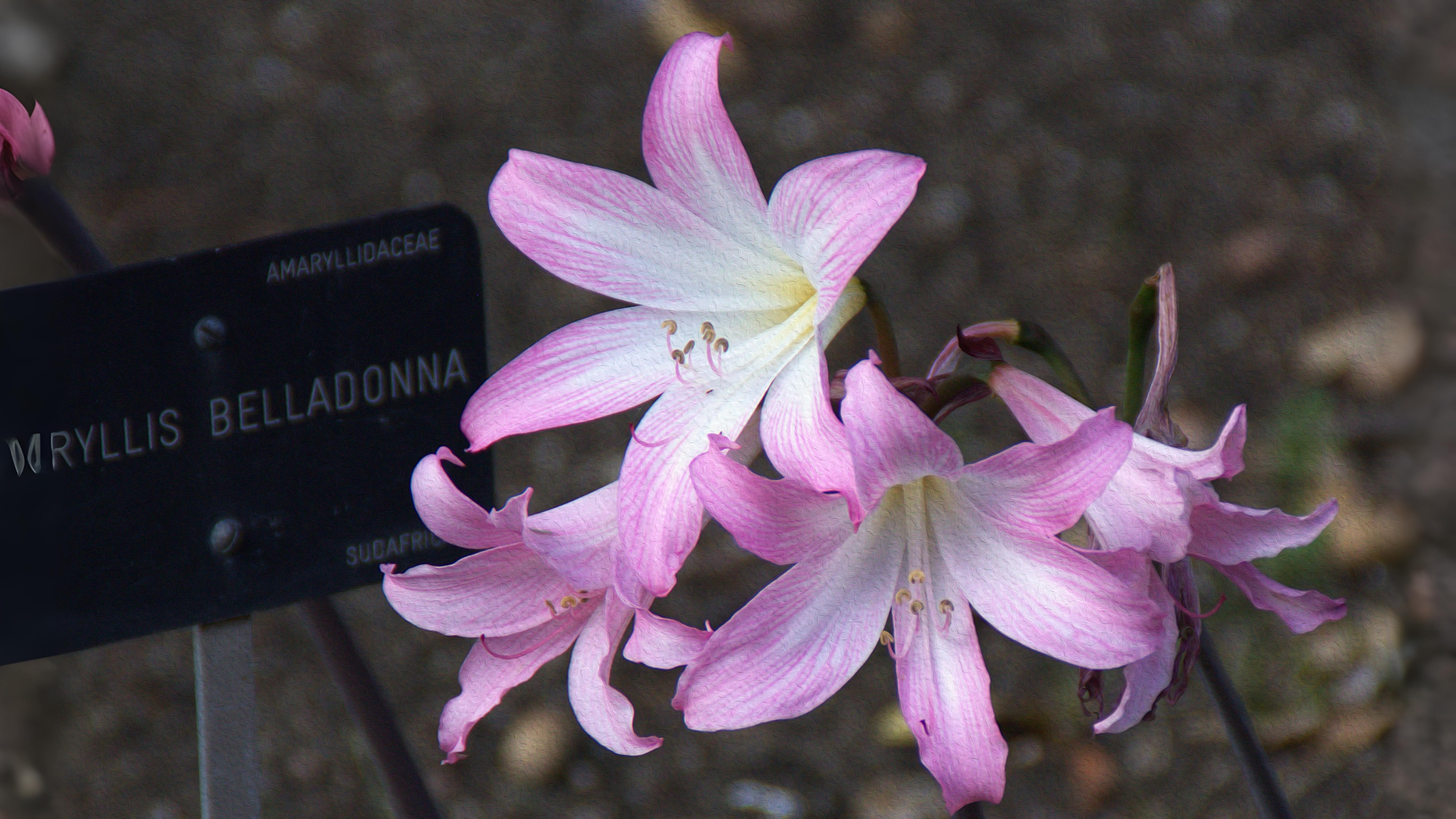
Another bulb that cannot help being noticed this month is the Cape belladonna Amaryllis belladonna whose bulbs can reach the size of coconuts. It is a close relation of Nerines as well as Crinum powellii and can even hybridise with the latter.
09-Oct Autumn's Final Flourish Section Image

09-Oct Autumn's Final Flourish Section Image

We often see their large metre-high pink trumpets in the unlikely setting of disused gardens. The reason for this is that they hate disturbance and like the warmth of walls. Left alone they clump up to produce one of the most unlikely displays of the month. Another much smaller bulb is Sternbergia. These can look like yellow crocuses among the mainly purple autumn crocuses. However, although never particularly popular, they have a satin quality of their own and are referred to in the bible as “the lilies of the field, more richly clothed than Solomon in all his glory”.

09-Oct Autumn's Final Flourish Section Image

09-Oct Autumn's Final Flourish Section Image

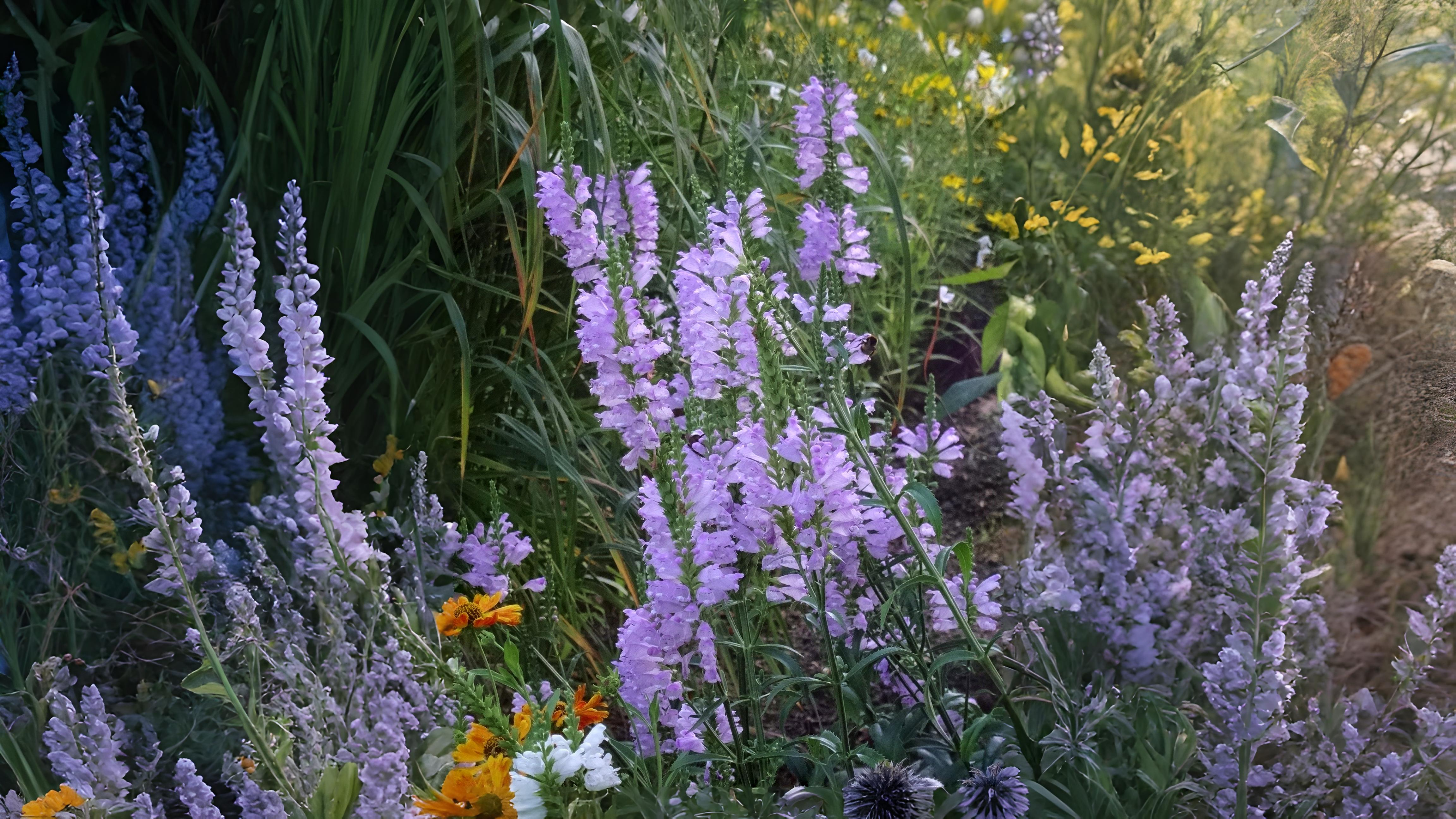
One last flower to look out for is the False Dragon-head or Obedient plant Physostegia. It has one particular feature that particularly appeals to children. Because of its strong pliable flower stalks its flowers can be turned in different directions where they will then remain. At one time large beds of them at Kew were quite an October attraction.

09-Oct Autumn's Final Flourish Section Image

09-Oct Autumn's Final Flourish Section Image