08-Oct October's Lingering Blooms Tile Image

08-Oct October's Lingering Blooms

Summary

Don't let the autumn colours distract you; London in October still holds a delightful secret: a surprising array of wildflowers waiting to be discovered! While many are at the tail end of their season, an unseasonably warm "St. Martin's summer" can sometimes coax a 'false spring,' bringing primroses and violets back to life. From the vivid scarlet pimpernel to the duck-egg blue chicory, vibrant splashes of colour punctuate the golden landscape. We'll explore where to find these resilient beauties, including the fascinating alien composites 'Gallant Soldier' and 'Shaggy Soldier,' which thrive in London's very heart. Even in waste areas and along riverbanks, a patient eye will be rewarded with nature's enduring artistry.

Article

Wildflowers

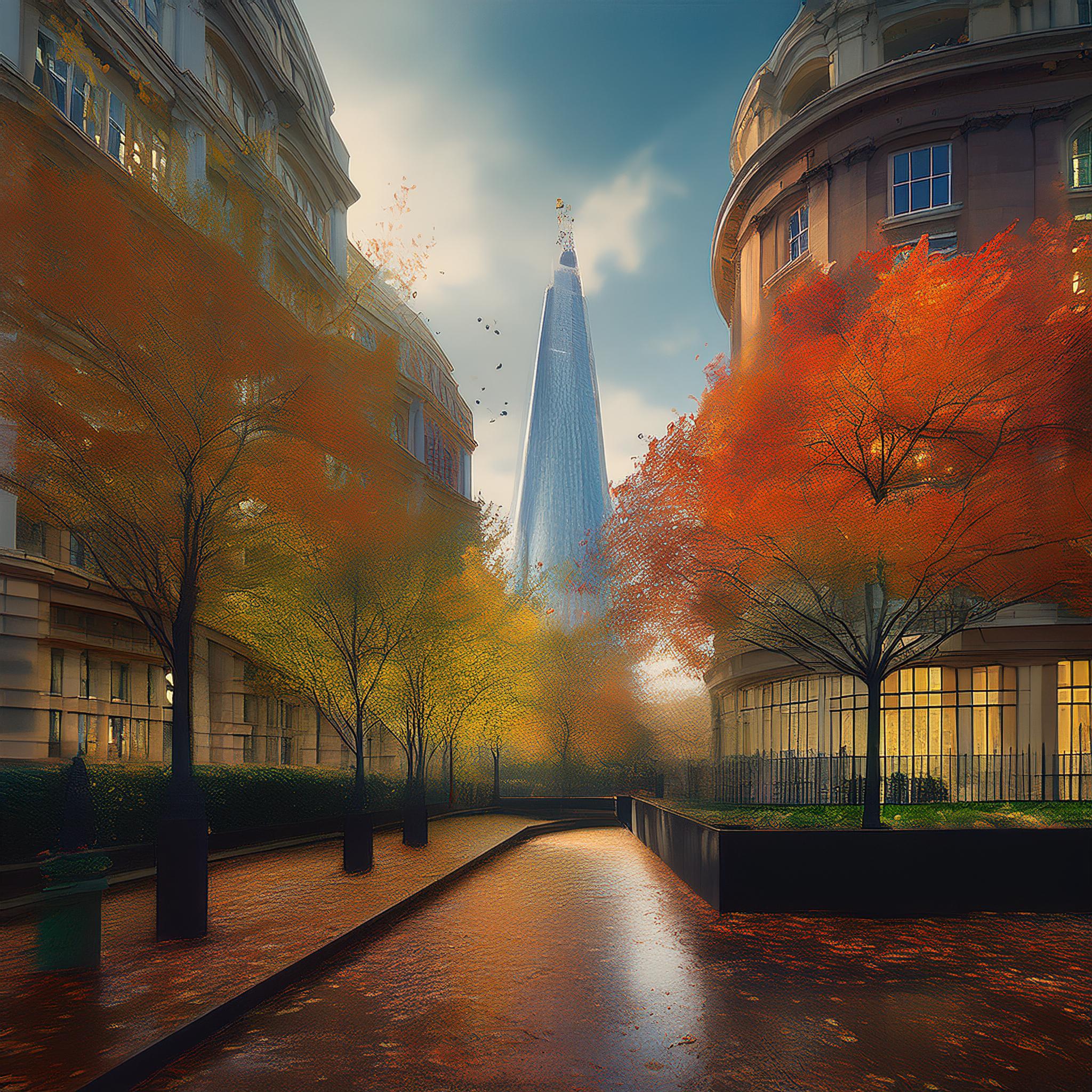
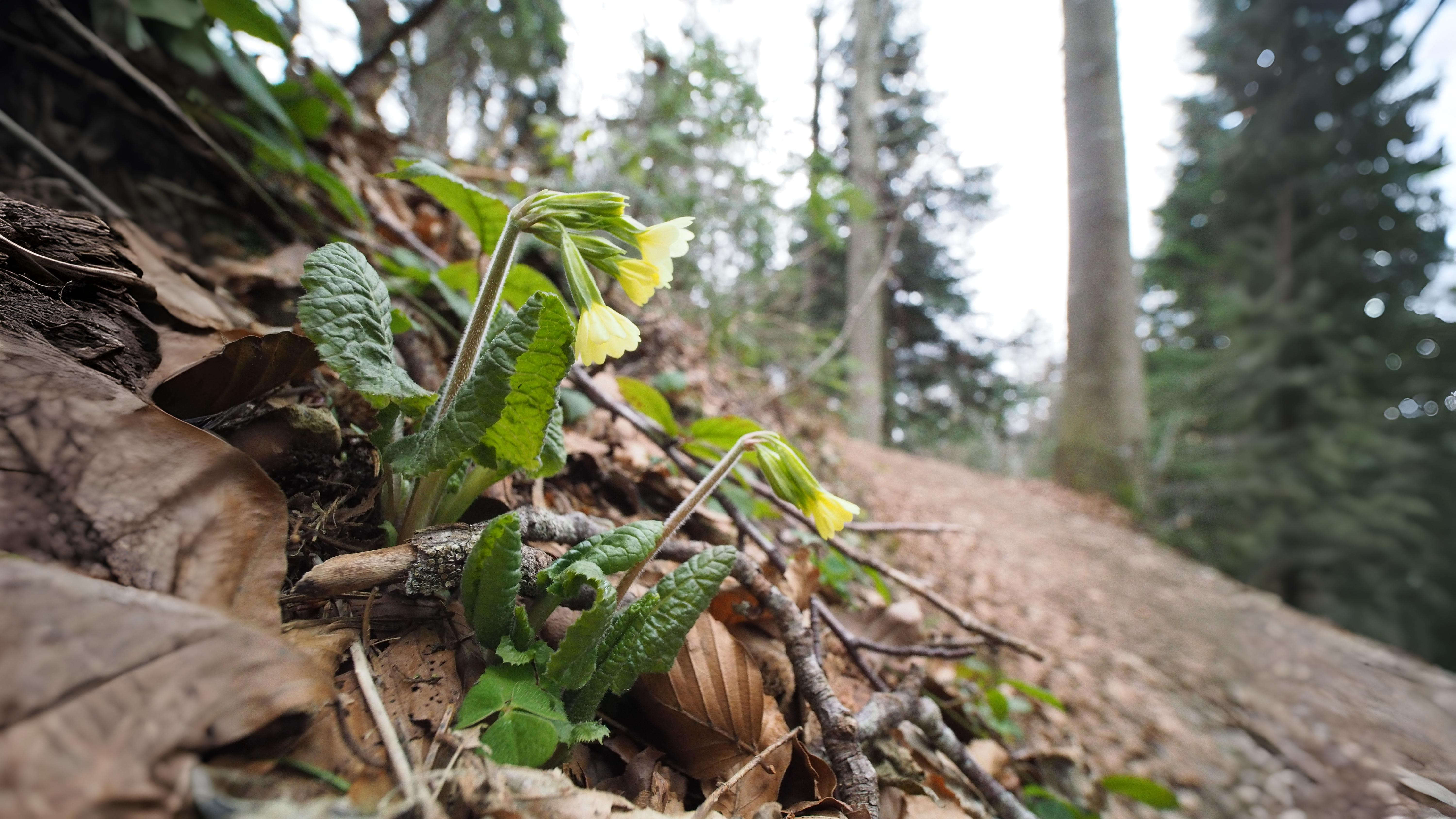
Although not noticeable across the landscape it is still quite possible to go for a walk in October and encounter over a hundred different wildflowers. Many, as usual, will have continued to flower from last month and most will be in poor condition being at the tail end of their flowering period. Nevertheless, for many these are among the most pleasant days of the year, the few flowers there are being set off by the rich colours of autumn. If there has been an unseasonally warm period in the middle of the month i.e. a St Martin’s summer, things can be quite different. This warm weather can sometimes induce another second or false spring when primroses, violets, cowslips as well as red and white campion can all briefly come back into flower. Rather brighter coloured flowers also tend to be noticed more e.g. the vermillion coloured scarlet pimpernel, the duck egg blue of chicory and the acid yellow of common toadflax. Gerard described the last species as “a glorious and good flower but at the nose loathsomely stinking”.

08-Oct October's Lingering Blooms Section Image

08-Oct October's Lingering Blooms Section Image

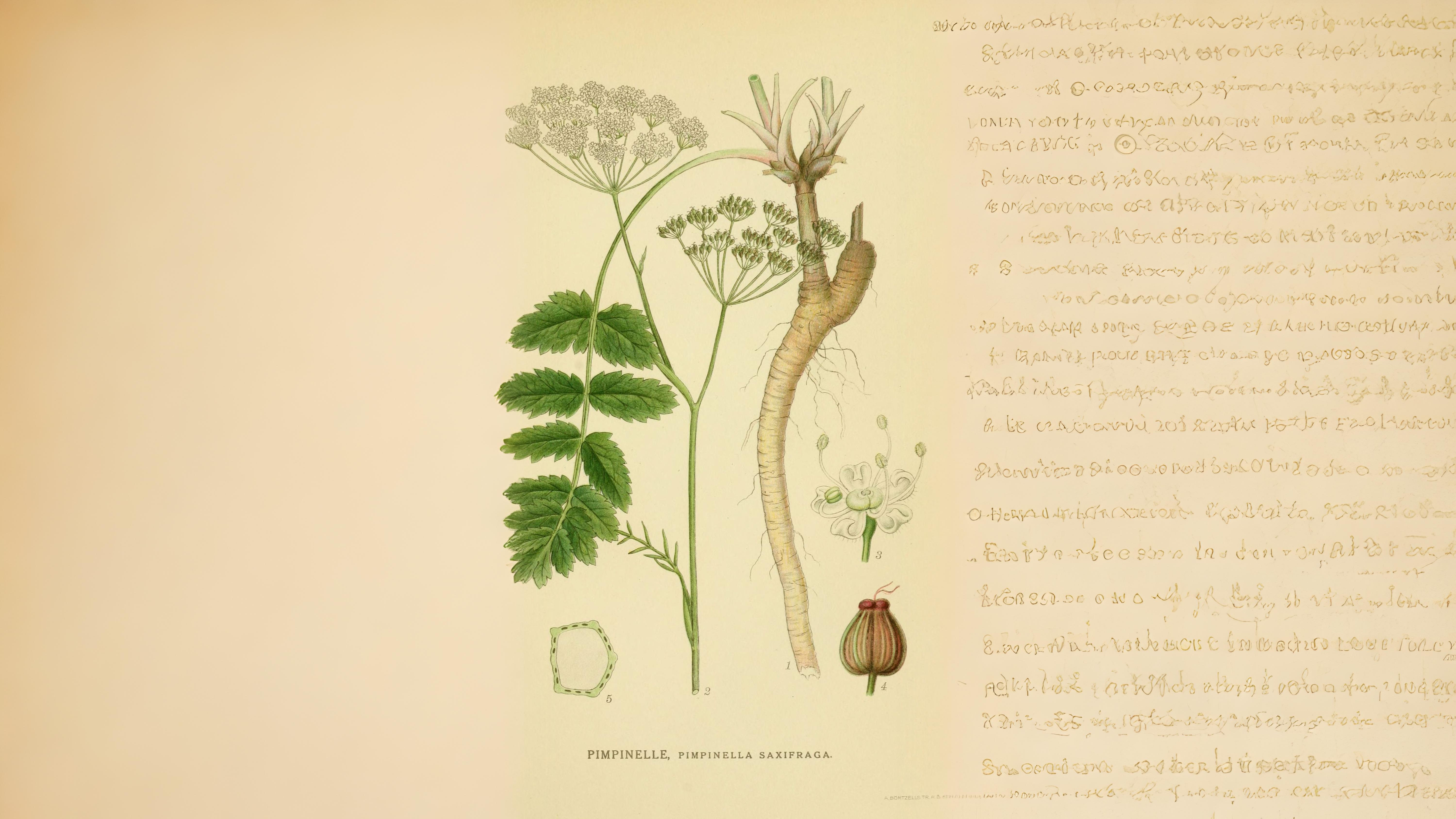
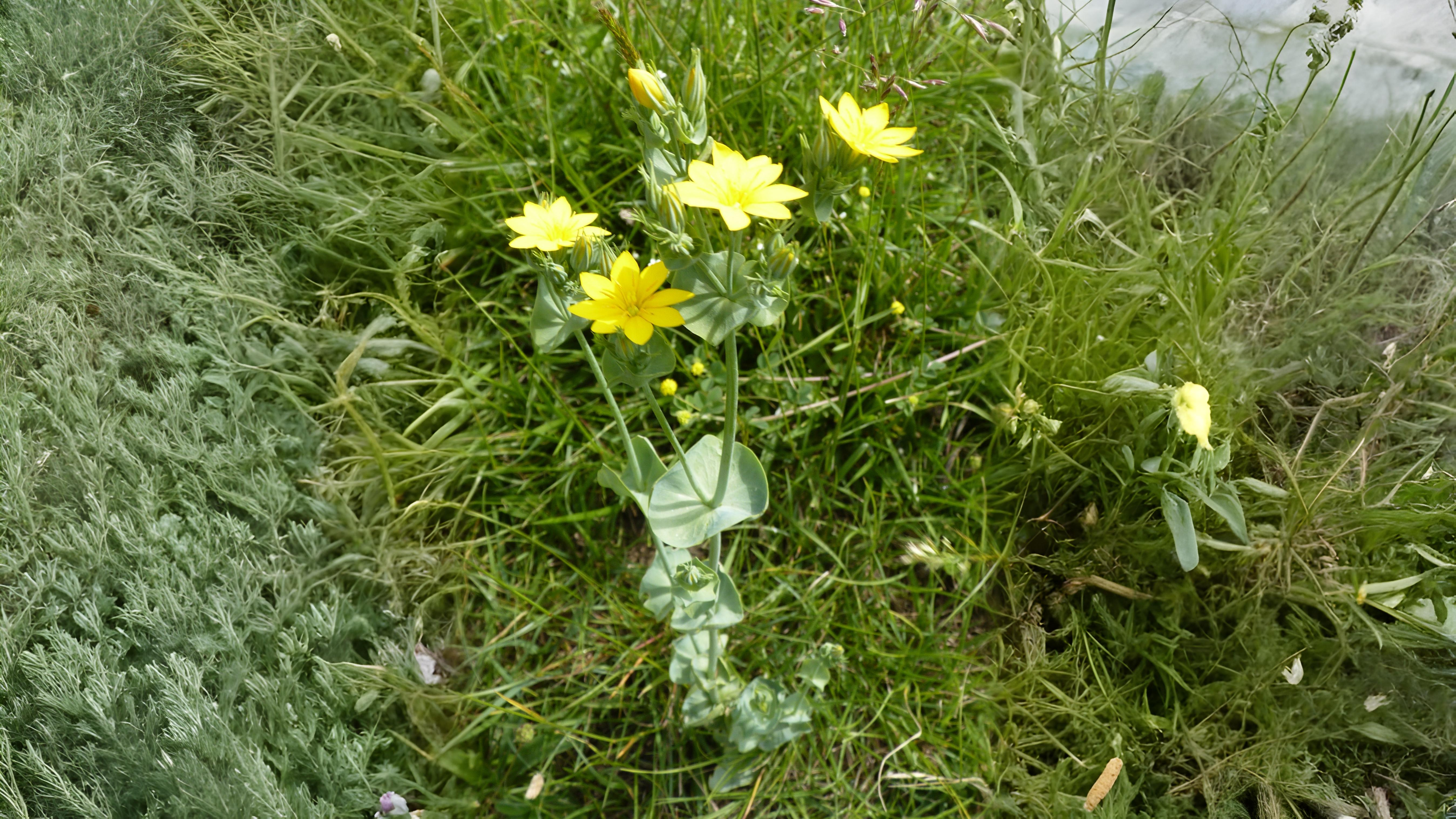
Downs are still places to see a few flowers such as knapweeds, harebell, wild basil, centaury, burnet, saxifrage, yellowort, devil’s bit scabious and perhaps even a felwort on Banstead downs or a clustered bellflower on another Surrey down. Woods are now less floriferous with just the possibility of the occasional foxglove, figwort or hemp-nettle. Someone seriously looking for wild flowers in October would be better rewarded hunting in waste areas.

08-Oct October's Lingering Blooms Section Image

08-Oct October's Lingering Blooms Section Image

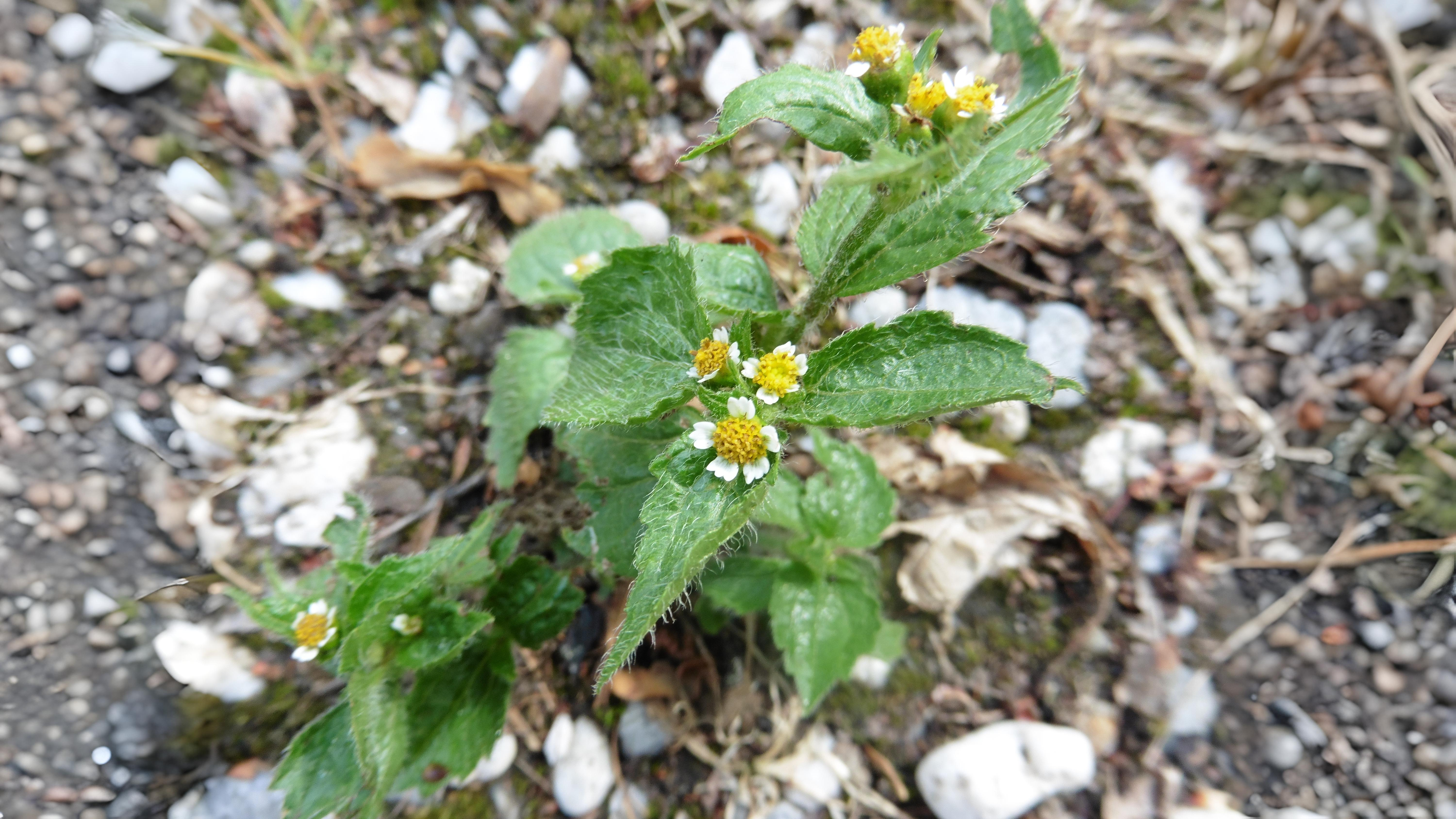
Ragwort, stinkweed, spurges, mayweeds, clovers, thistles, dandelions, cranesbills and deadnettles in such places are all still quite common, although in greatly reduced numbers. Some composites, usually so difficult to identify, are now easier than usual to recognise as there are so few left in flower. All three sowthistles i.e. smooth, prickly and perennial are common enough as is Bristly oxtongue, autumn hawkbit and cat’s ear. Two alien composites very much associated with October and also with London are Gallant Soldier Galinsoga parviflora and Shaggy Soldier G. quadriradiata.

08-Oct October's Lingering Blooms Section Image

08-Oct October's Lingering Blooms Section Image

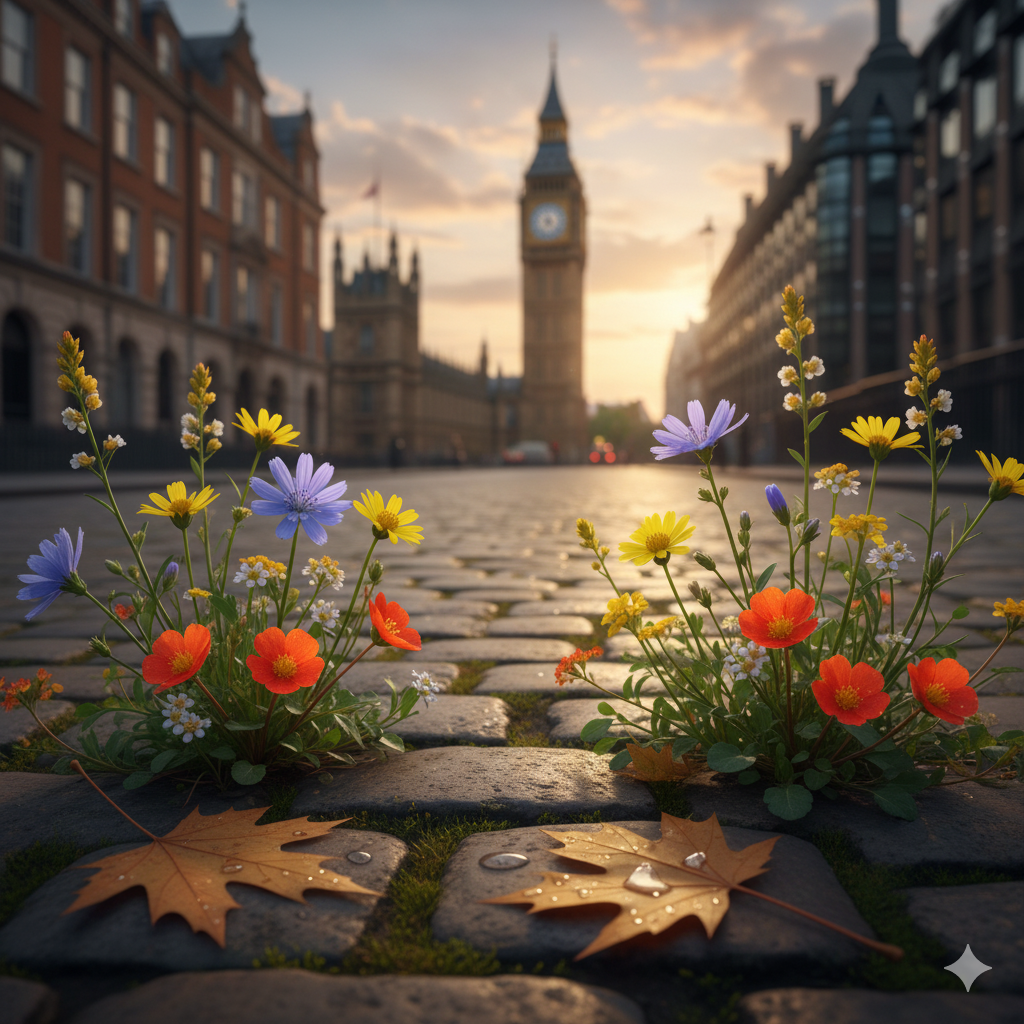
These small, bright yellow and white flowers appear in many pavement cracks all over London and even seem to prefer the very central areas of the city. Although Gallant Soldier arrived from South America in 1860 and quickly jumped over the wall at Kew, it is Shaggy Soldier which is much more common now, even though it arrived fifty years later. Its grand name derives from a certain Don Mariano Martinez de Galinsoga but Londoners quickly, as you might expect, demoted this to Gallant Soldier. It certainly is one of the most loved of all October’s wild flowers being more common in London than virtually anywhere else in Britain.

Other than waste ground, wetter areas along the edges of rivers and lakes are also still reasonable places to look for plants still in flower. You may still come across hemp agrimony, purple loostrife, musk mallow, gypsywort, great willowherb, flowering rush and branched bur-reed as well as quite a range of sedges and rushes in places such as Barnes Wetland Centre.
08-Oct October's Lingering Blooms Section Image

08-Oct October's Lingering Blooms Section Image

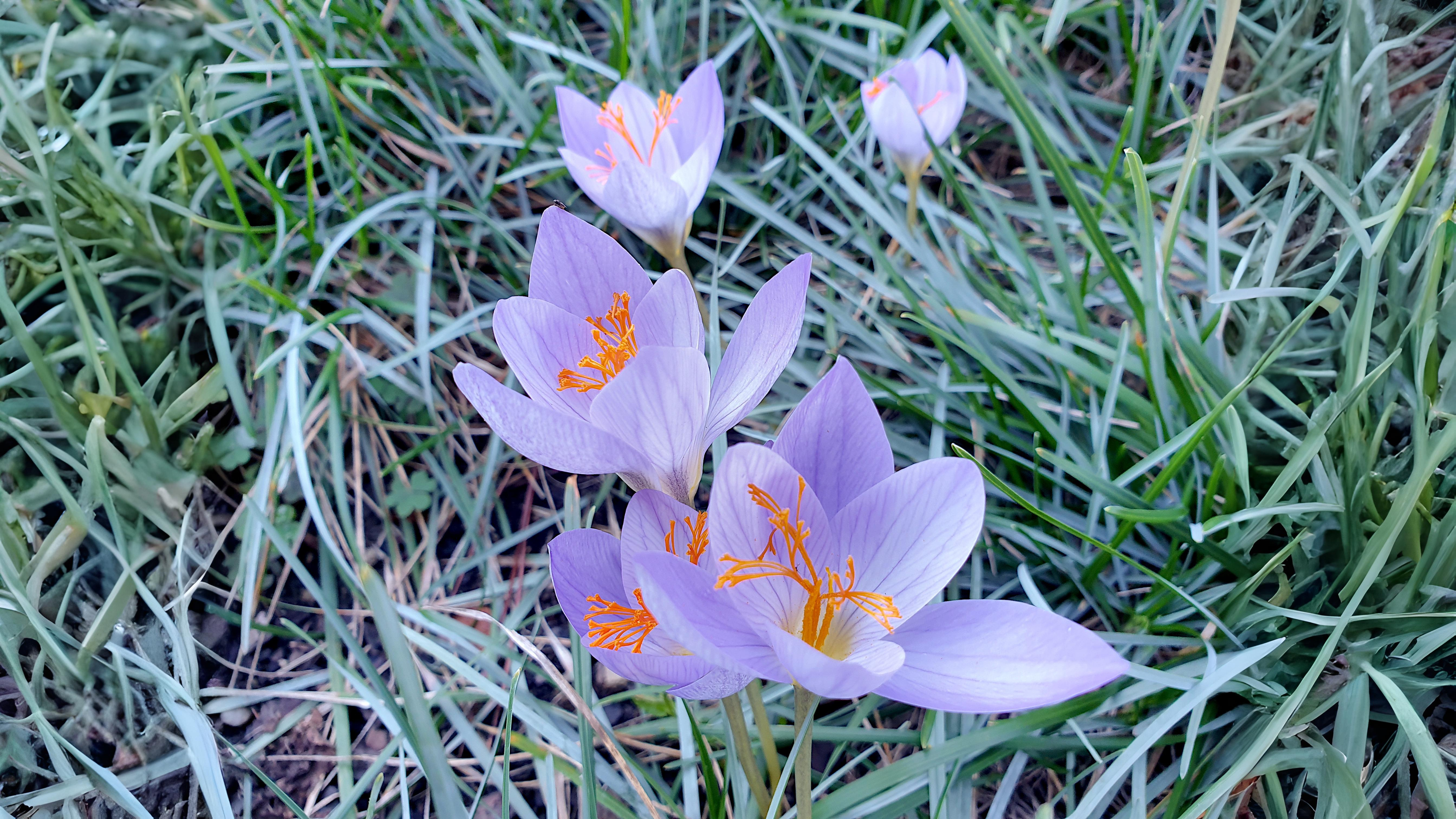
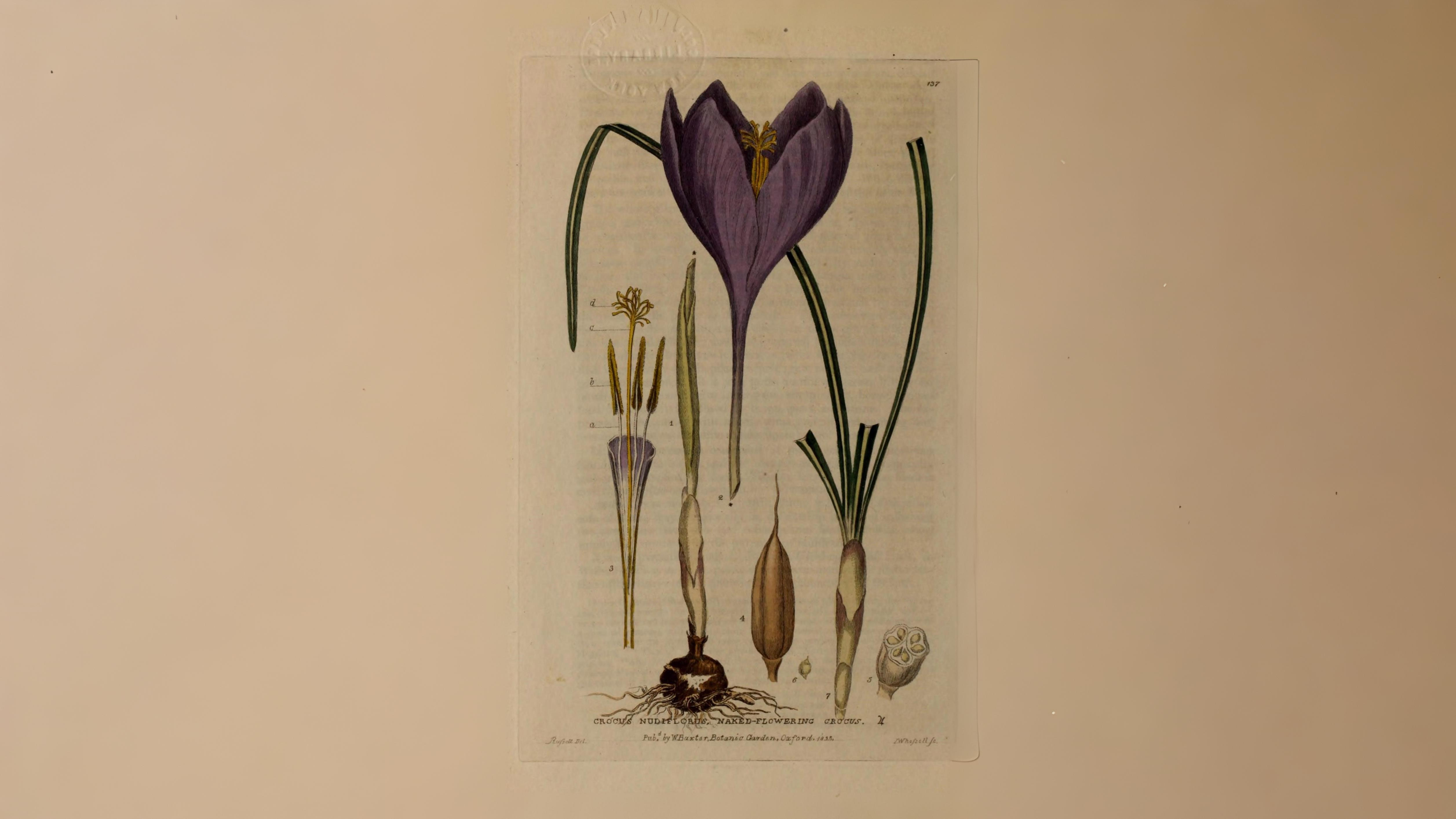
Although sadly not a wild plant in London, Meadow saffron Colchicum autumnale has a long and illustrious history with the city. It was grown by Mongols, Persians, Greeks and Romans long before it found its way to the Bishop of Ely’s garden in Holborn in the fourteenth century. Here it was grown and sold to mask the smell of bad meat. A road running through the estate became known as Saffron Hill, which is the name it still retains today. The area has gone through many changes over time, becoming the infamous ‘rookery’ where Dickens set Oliver Twist and then becoming the centre of the diamond trade with Hatton Gardens. Although no meadow saffron can be found in the area now it can still be seen growing at Wisley and Myddleton House.

08-Oct October's Lingering Blooms Section Image

08-Oct October's Lingering Blooms Section Image

If growing together with last month’s autumn crocus, the two can be told apart from the number of stamens, three inside the flower indicating an autumn crocus and six for true saffron.

08-Oct October's Lingering Blooms Section Image

08-Oct October's Lingering Blooms Section Image