07-Oct London's Olympian Travellers Tile Image

07-Oct London's Olympian Travellers

Summary

This October, the great migration continues, inviting you to look closer at the birds arriving on London's shores, marshes, and reservoirs. It's a prime month for spotting waders like greenshanks and rare sandpipers, and we'll share tips on how to tell them apart. But the true stars are the epic travellers. Discover the incredible Arctic tern, a bird that enjoys more sunlight than any other creature by flying from the Arctic to the Antarctic and back each year. We'll also delve into the subtle art of gull-spotting, helping you identify rare visitors from the sulky Mediterranean gull to the thuggish-looking Caspian gull.

Article

Migrants

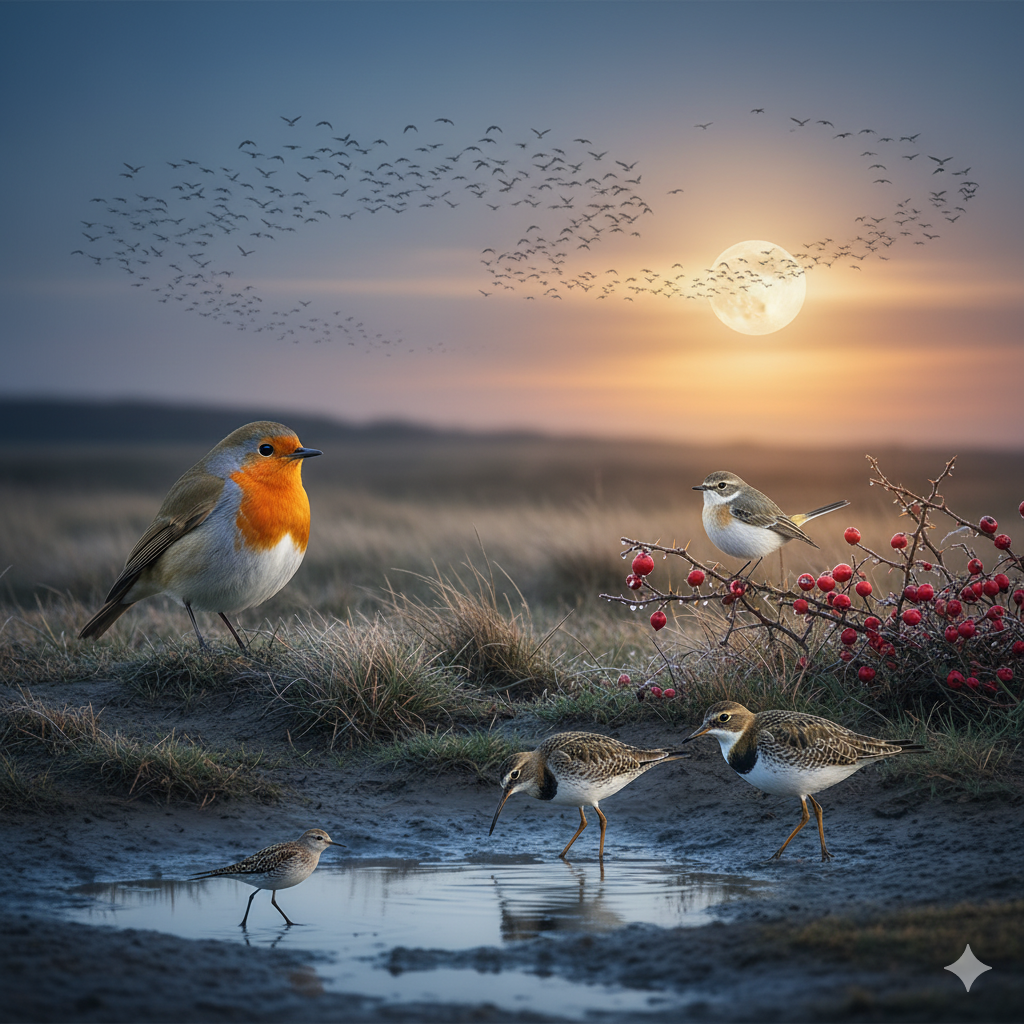
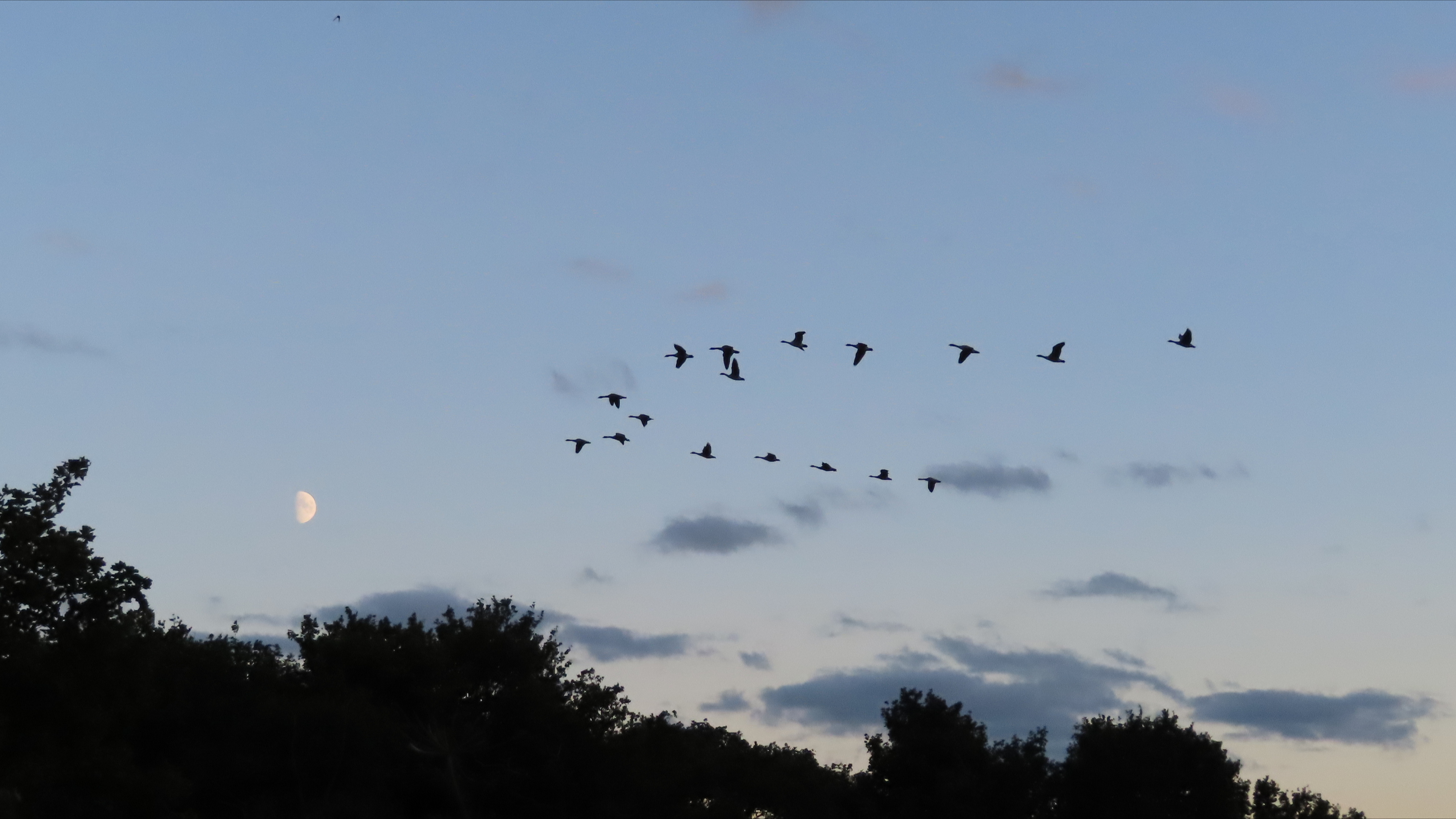
Besides reservoirs for ducks and marshes and mudflats for waders, sewage outlets in places such as Crossness and Barking are also magnets for birds. With rather more hope than certainty, it is also always worth gazing south from the top of the North downs to see the last of the swallows and martins. Rather less romantic is Hatfield aerodrome which always seems to be a good place to see birds of prey. There is also always the possibility of hearing birds such as skylarks, pipits or wagtails in the dead of night flying overhead and perhaps even seeing redwings or geese crossing a full moon.

07-Oct London's Olympian Travellers Section Image

07-Oct London's Olympian Travellers Section Image

In October we tend to see the advance guard of waders arriving on mudflats, sandbars or saltings with larger flocks arriving later. There will be redshanks, lapwings and golden plovers recently arrived from the upland moors further north, where they chose to raise their families.

07-Oct London's Olympian Travellers Section Image

07-Oct London's Olympian Travellers Section Image

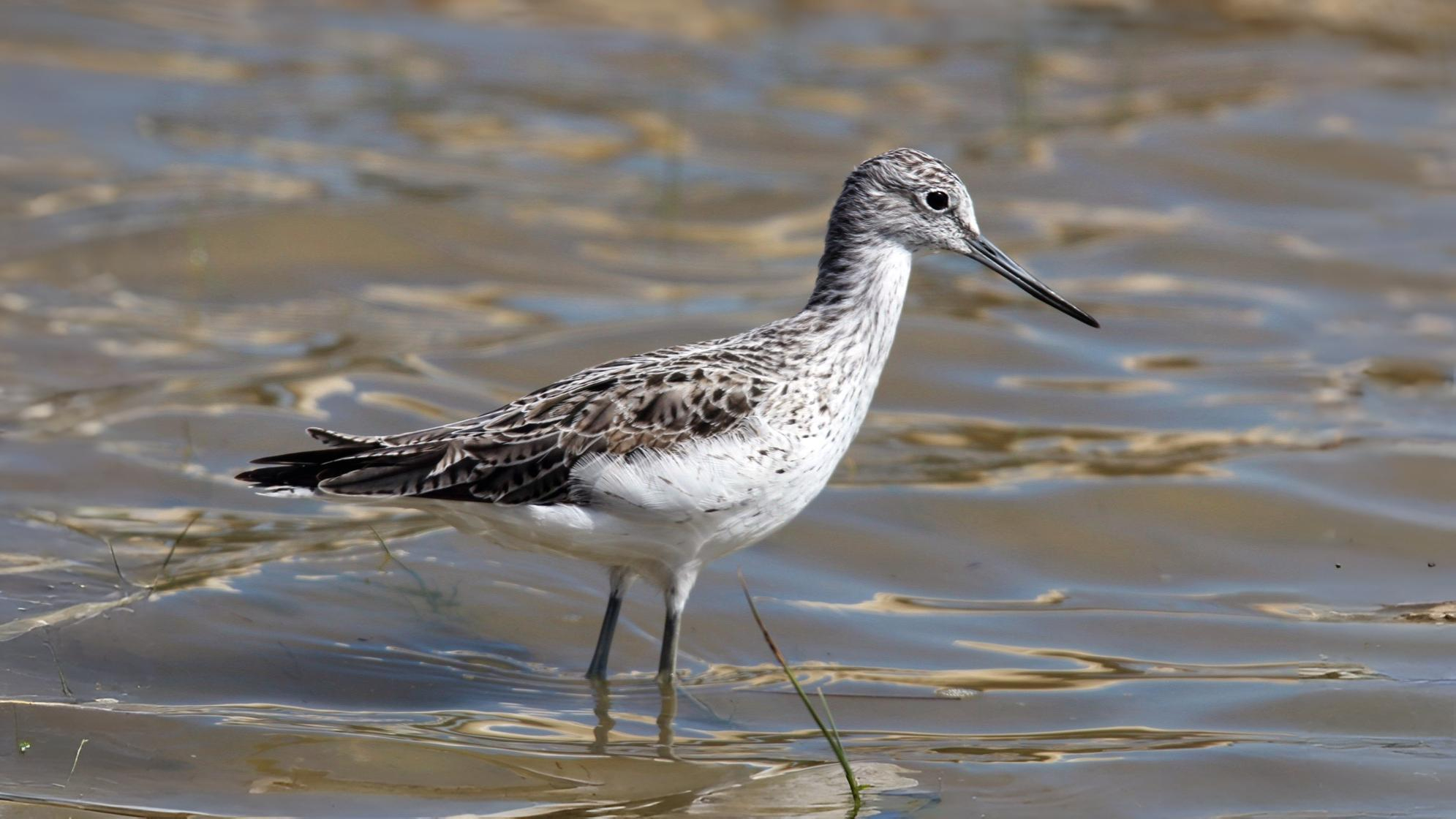
Any dunlin could include a stint or perhaps a curlew or two. When looking at redshanks it is also worth looking for a slightly larger, slightly paler bird, possibly with a slightly upturned beak which could be a recently arrived greenshank. A visit to Rainham could also be rewarded with a wisp or two of not only the common snipe but also the jack snipe.

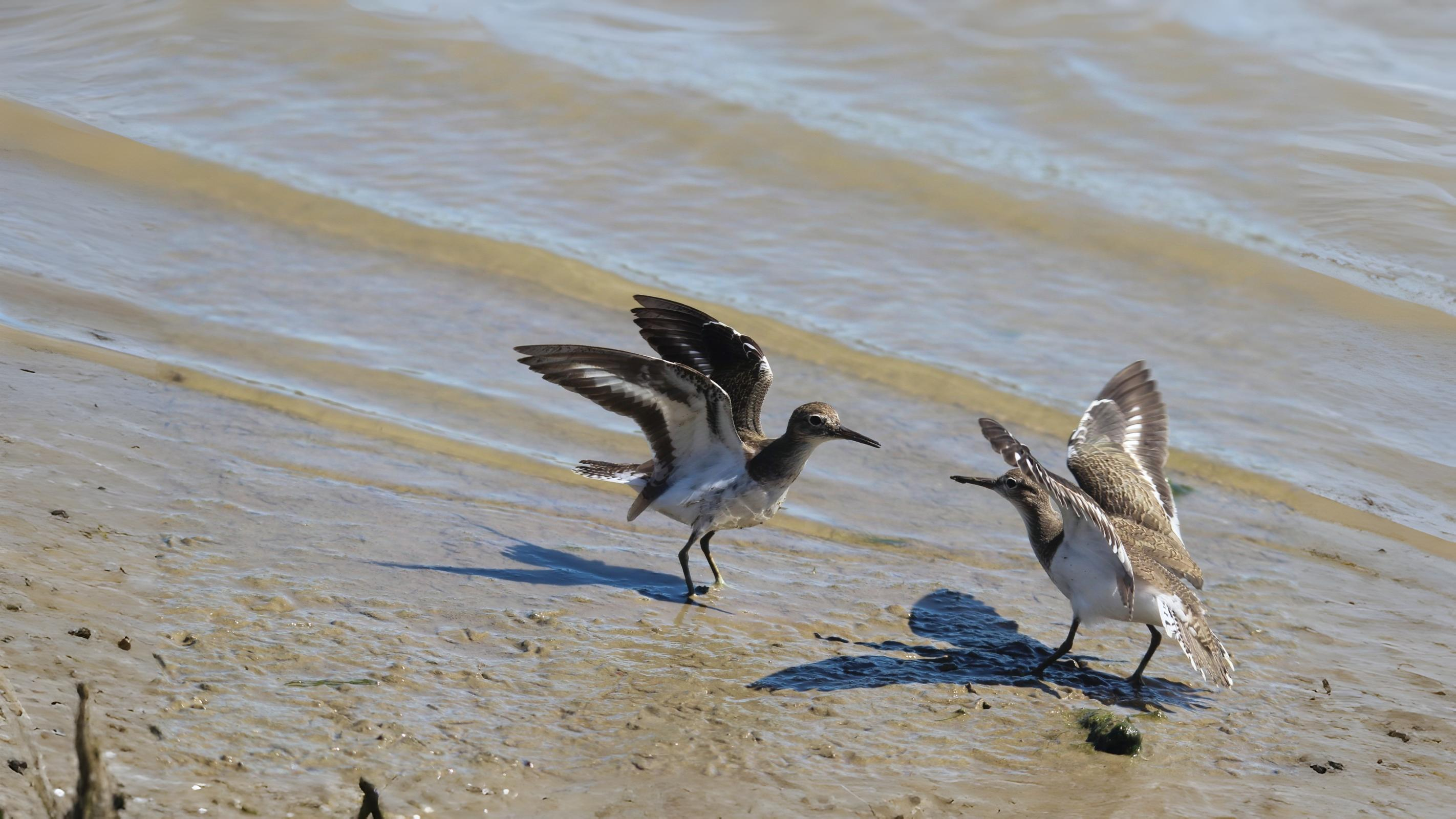
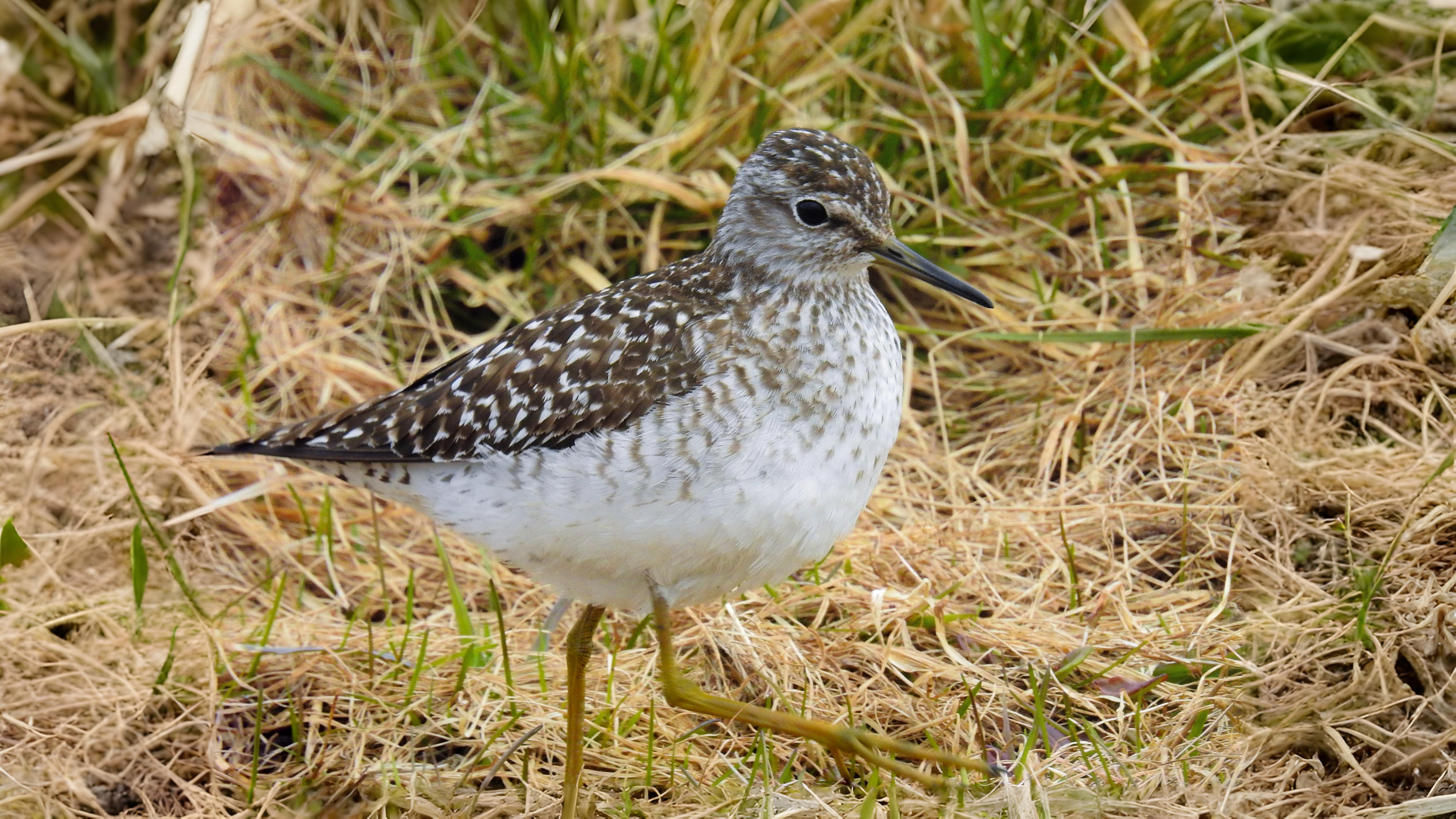
This is also good month to look out for rare sandpipers. Small numbers of common and green sandpipers can be expected on the Walthamstow reservoirs but the much rarer pectoral, curlew and even wood sandpiper can also turn up.
07-Oct London's Olympian Travellers Section Image

07-Oct London's Olympian Travellers Section Image

Common sandpipers, the most likely to be seen, are recognised by their characteristic ‘flicking’ flight with rapid shallow wing beats and striking white wing bars. Green sandpipers are noticeably more black and white as they fly with their dark underwings and pale undersides.

07-Oct London's Olympian Travellers Section Image

07-Oct London's Olympian Travellers Section Image

If any yellow dangling legs are noticed this could suggest a wood sandpiper, just as a curved bill could suggest a curlew sandpiper. A distinctly dark bib above a white belly might even be a pectoral sandpiper.

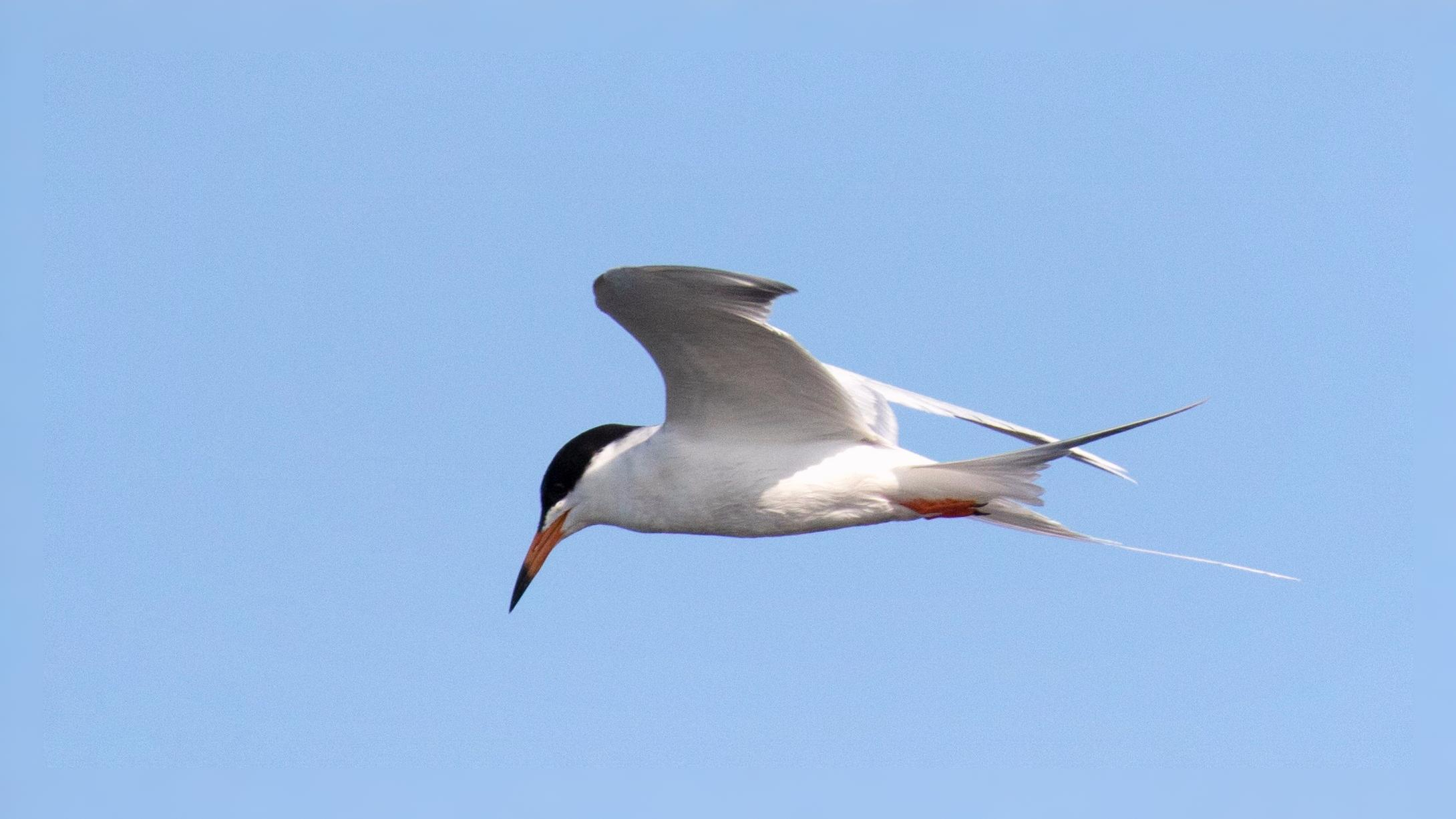
A trip to Southend to gaze out to sea from the end of the pier, with enormous luck could result in skuas, scoters, scaup and rare terns all being seen. At this time of year you might expect to see common terns and, more rarely, perhaps even a sandwich or black tern.
07-Oct London's Olympian Travellers Section Image

07-Oct London's Olympian Travellers Section Image

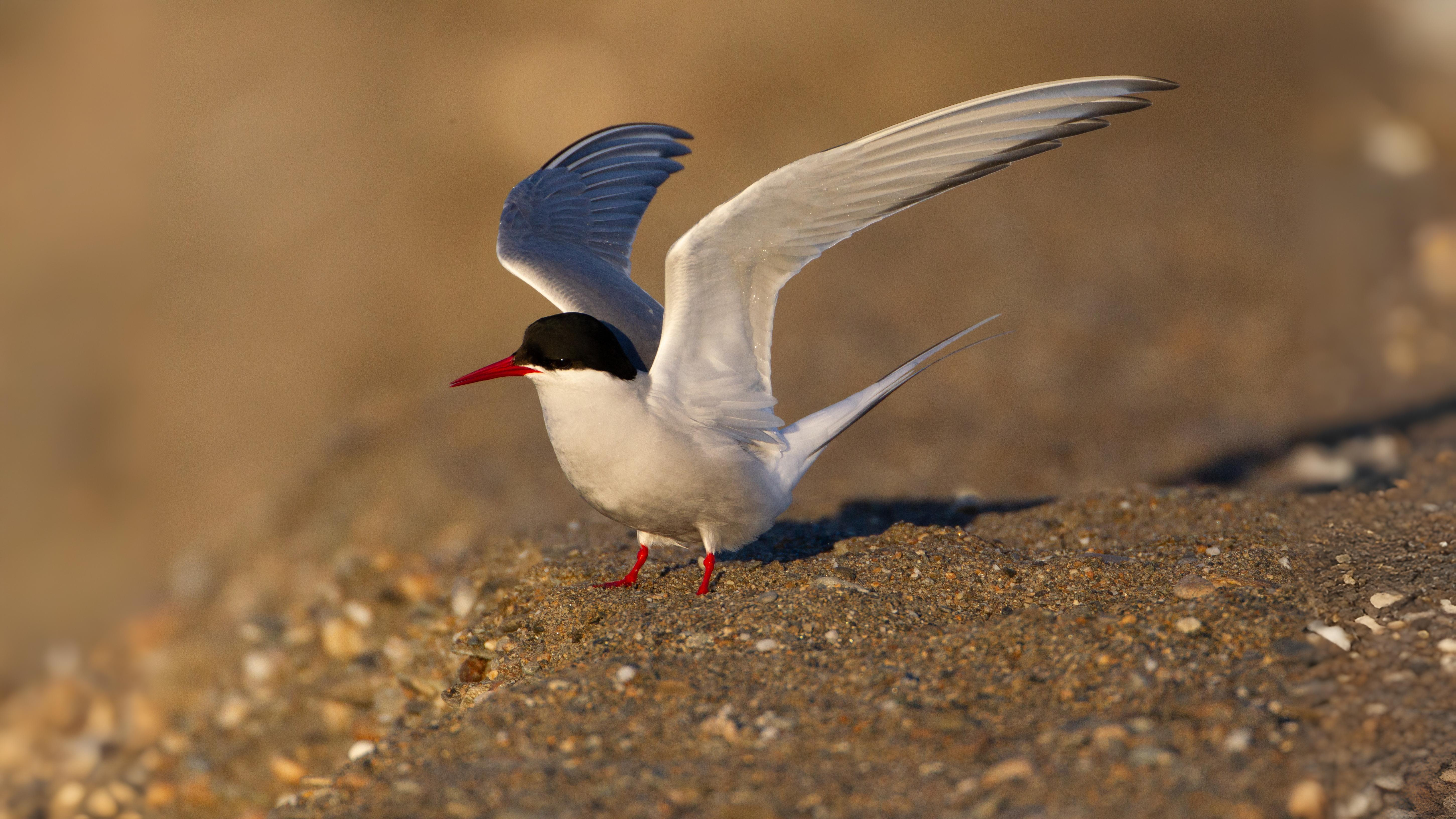
It is the arctic tern which is the greatest thrill as this bird is one of the greatest of all migrants on the planet. They breed across the whole top of Europe and America right up to the Arctic circle yet choose to migrate each year to the Antarctic. This way they avoid winter and gain two summers and consequently are said to enjoy more sunlight than any other creature on earth.

07-Oct London's Olympian Travellers Section Image

07-Oct London's Olympian Travellers Section Image

Estimates of their annual journey vary from ten to forty thousand miles and as they are thought to live between ten and forty years their total flying time is little short of astonishing. The wheatear which we occasionally see on the North Downs is another Olympian traveller. Those we see in London possibly just fly down to South Africa but there are wheatears born in Canada that, after crossing the Bering Straits, go on to cross the whole of Russia before bearing south to Africa covering perhaps twenty thousand miles.

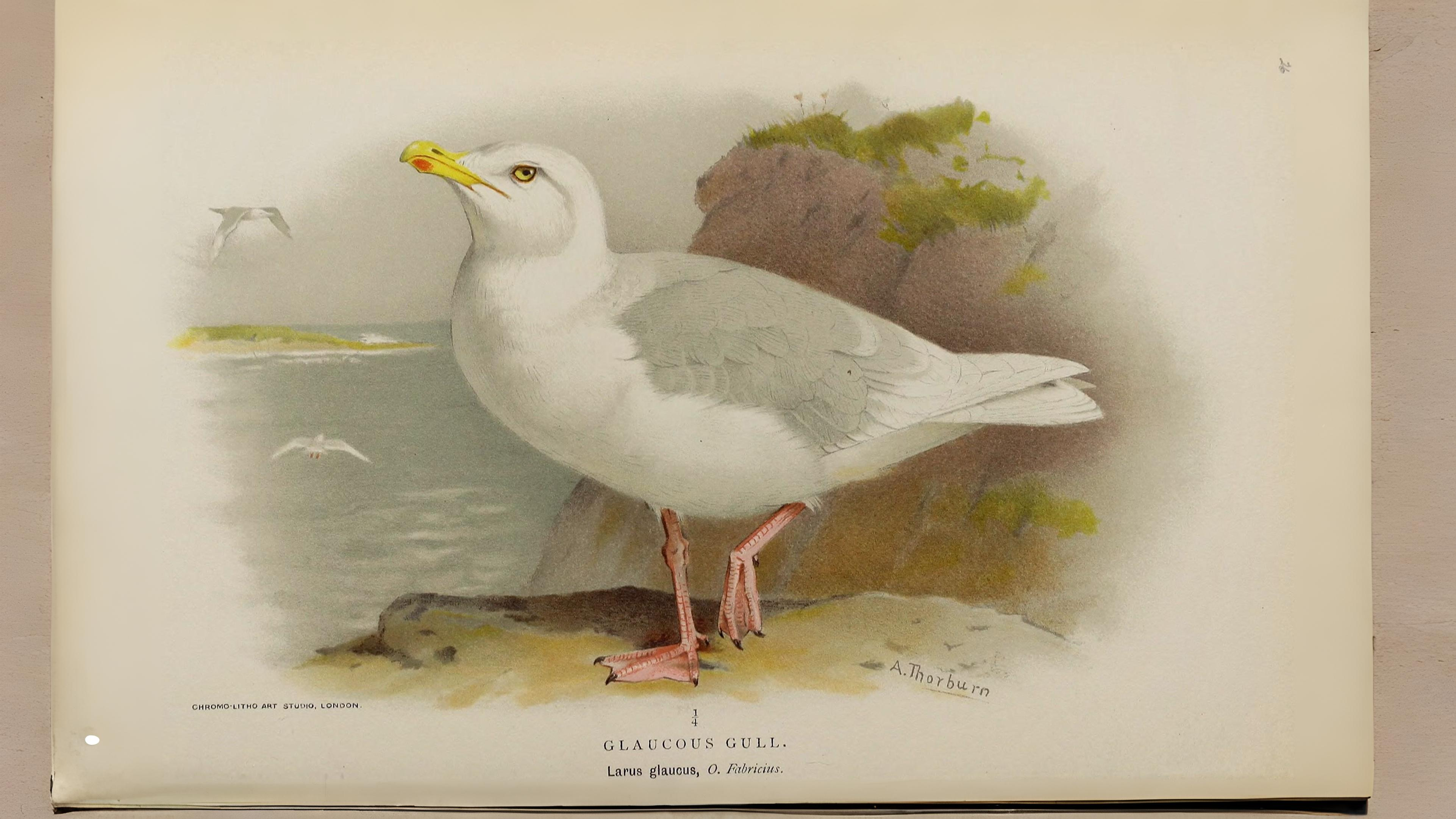
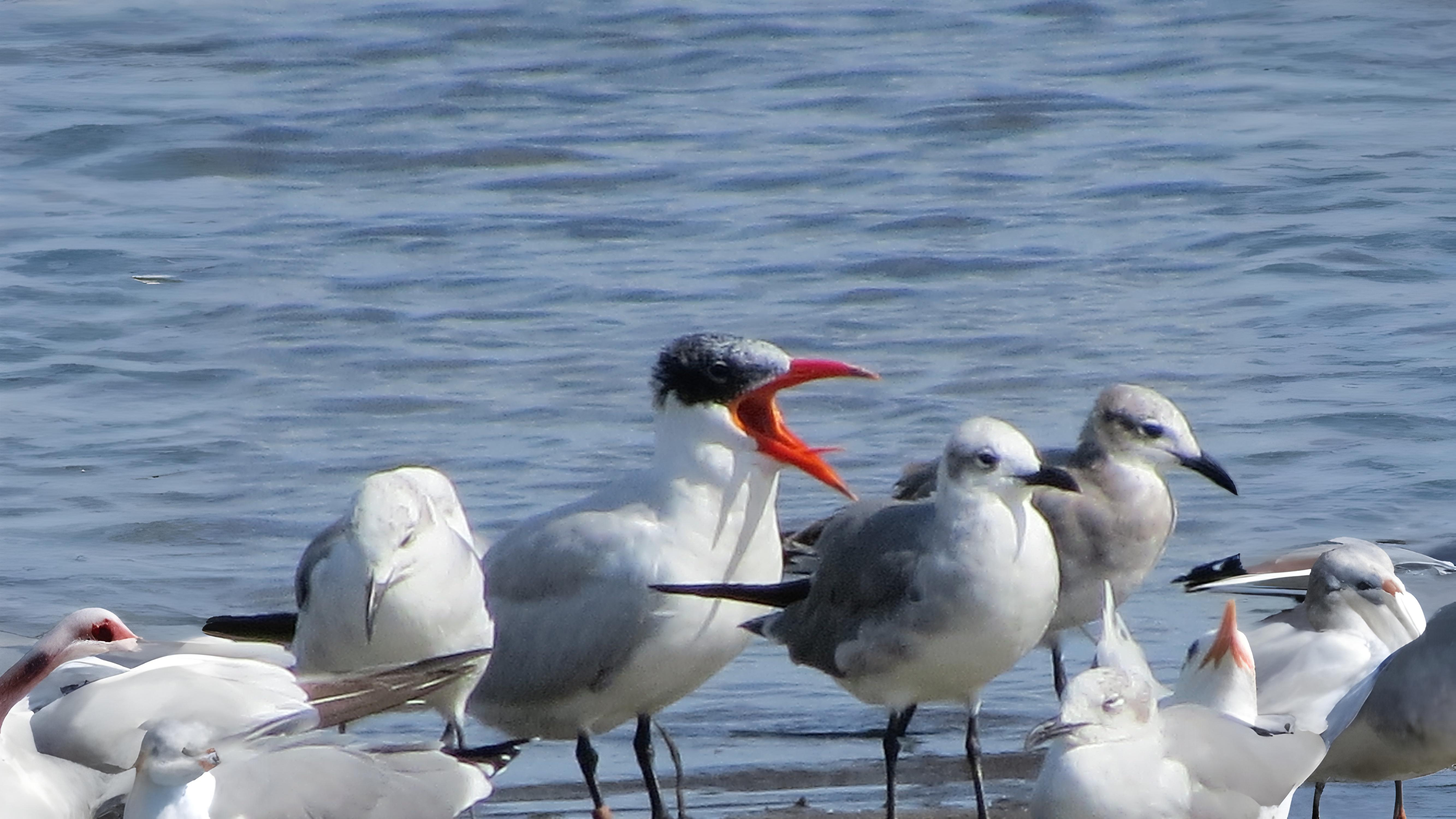
Our gull population is also changing now. We tend to notice more blackheaded gulls arriving and perhaps more lesser blackbacked gulls, but there is also a host of rare gulls which have a habit of stopping off on our reservoirs, especially those along the Lee valley. Those to look out for, although they will only be individuals, are the little, yellow-legged, kittiwake and Mediterranean gull, although there is also the faint possibility of a Caspian, Glaucous or Sabine’s gull.
07-Oct London's Olympian Travellers Section Image

07-Oct London's Olympian Travellers Section Image

Little gulls are generally given away by their small size and tern-like appearance as well as the absence of any black wing tips. Kittiwakes are famous for their soft, attractive features and wing tips which look as if they have been dipped in black ink. The Mediterranean gull has a slightly drooping look giving it a sulky appearance, whereas the Caspian gull, with its heavy dagger-like bill, has a much more thuggish look. The eyes of the Yellow-legged and Glaucous gulls are their diagnostic features.

07-Oct London's Olympian Travellers Section Image

07-Oct London's Olympian Travellers Section Image

The first has a piercing vermillion eye-ring and the second a pronounced yellow eye. If you are not close enough to see their eyes it may help that the first has dark wing tips which are missing in the second. Sabine gulls are easier gulls than most to identify having forked tails.

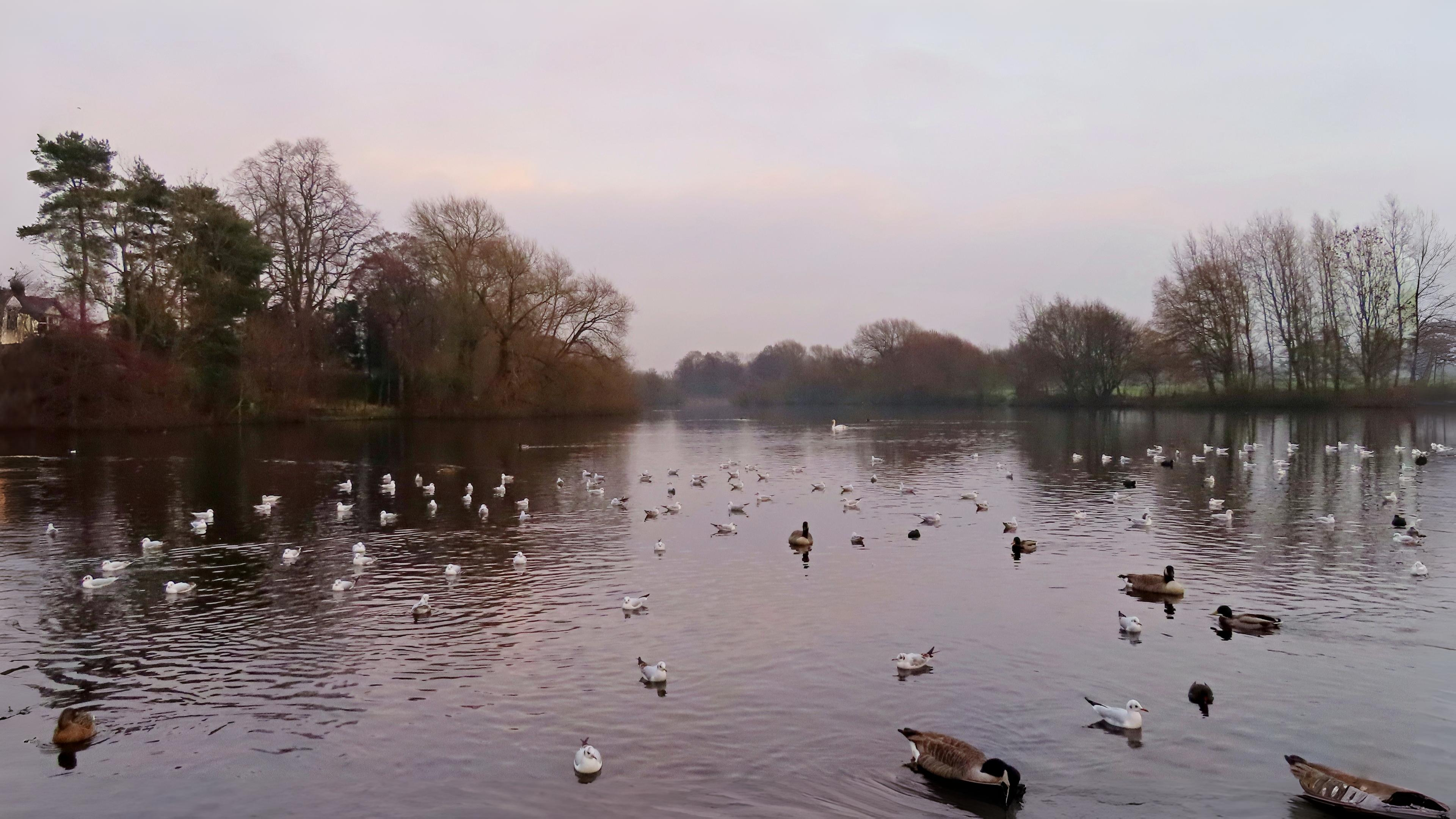
There are also other birds that migrate much smaller distances. Many will move either in or out of town or across and back from France just to avoid bad weather or even just to look for better food opportunities.

07-Oct London's Olympian Travellers Section Image

07-Oct London's Olympian Travellers Section Image

A lot of our garden robins, thrushes and blackbirds spend the winter abroad yet we hardly notice their disappearance as their places are so quickly taken by others from northern Britain. Other birds will travel surprising distances just to find their favourite fruits or seeds. Our oak woods, when they are full of acorns, attract many more woodpigeons, woodpeckers, pheasants and jays. Not only foreign jays are attracted but even those from surrounding counties. Similarly beech woods, when they are full of beech mast, bring in more finches, tits and redpolls. It is worth remembering that even our garden robin, who we think of as such a permanent resident, is regarded as a summer migrant in Germany.