06-Oct October's Winged Visitors Tile Image

06-Oct October's Winged Visitors

Summary

This month, London transforms into a bustling international airport for birds as the autumn migration reaches its spectacular peak. Hordes of starlings and woodpigeons arrive, joined by countless other species journeying from the Arctic, Scandinavia, and Central Europe. Discover the incredible routes these feathered travellers take, from island-hopping across the Atlantic to following the European coastline. Keep your eyes peeled for rare and fascinating visitors like the formidable great grey shrike with its gruesome 'larder', or the tiny, exhausted goldcrests arriving after a perilous North Sea crossing. With vagrants blown in by storms, every bird you see could be a new arrival on an epic journey.

Article

Autumn migration

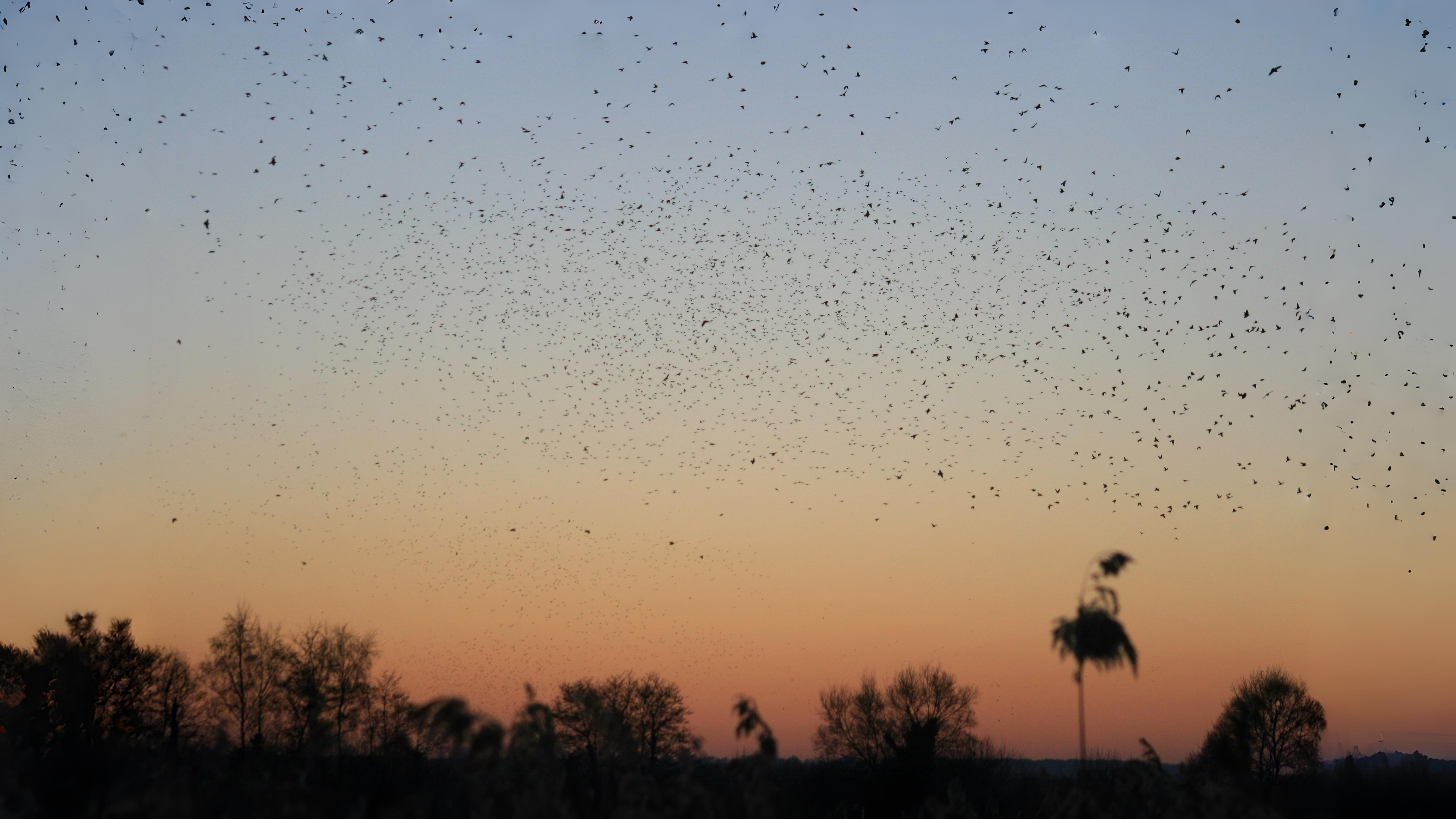
The autumn migration reaches its peak this month with literally hordes of starlings and woodpigeons arriving in London and lesser numbers of a great range of other birds. Most birds are travelling from the peace and safety of their winter quarters, where they chose to raise a family, to new areas where there will be enough food and protection to get them through the next winter. For some, this will be somewhere in or around London and for many others it will be further south, perhaps even as far as the southern tip of South America. October is also the main month for the arrival of our winter visitors and this is why Londoners start to notice more and more birds.

06-Oct October's Winged Visitors Section Image

06-Oct October's Winged Visitors Section Image

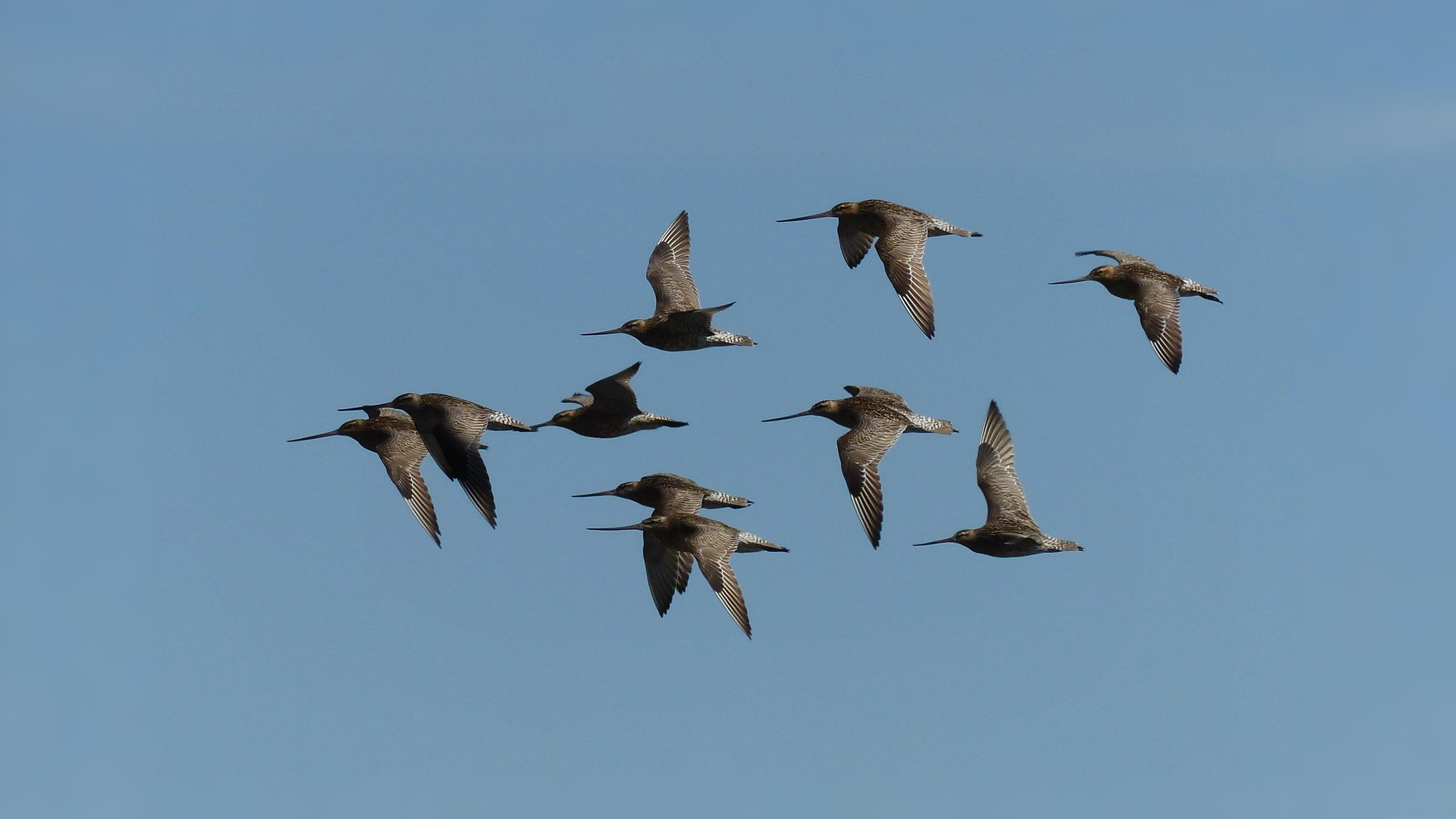
Summer has now ended in the high arctic and days of endless sunshine are now turning into days of endless night. With colder temperatures, less food and less daylight to find it, birds have no other option than to fly south. Vast numbers sweep across the top of Russia, past the Urals and down the western coast of Europe. Some will pass through Scandinavia and then decide to cross the North sea to reach us whereas others will prefer to follow the coastline a little further south before crossing over. Another phalanx of migrants will fly south from the arctic and then island hop from Greenland to Iceland and on to Scotland before travelling down our East coast till they reach the Thames estuary.

06-Oct October's Winged Visitors Section Image

06-Oct October's Winged Visitors Section Image

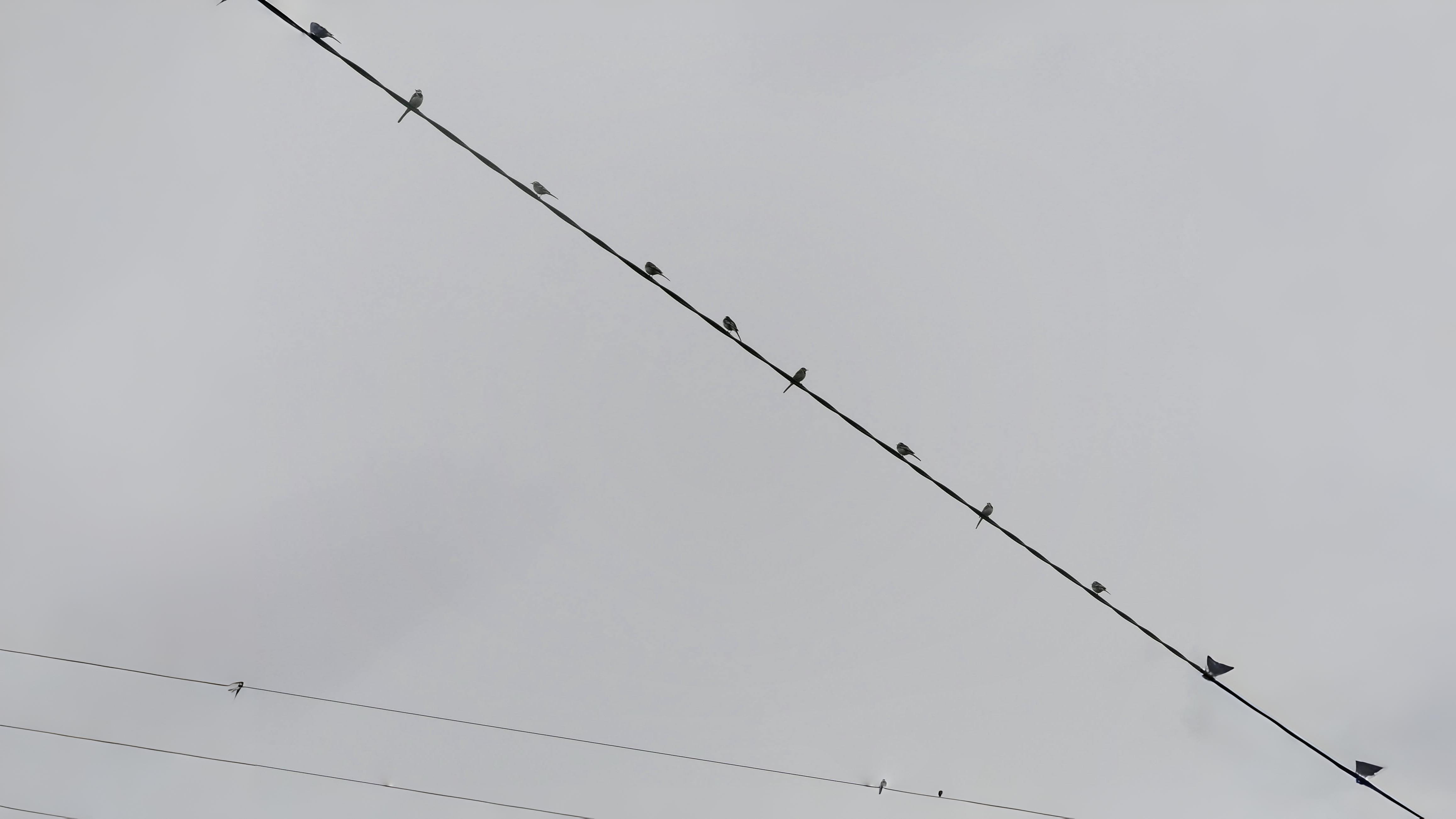
Birds that might be passing by with the help of a north wind could include thrushes, lapwings, golden plovers, wagtails and herring gulls. Some of these birds will pass by, others will decide to stay a few days and a small number will decide to spend the winter with us. Any male mallards arriving are now in full new livery, having completed their eclipse.

06-Oct October's Winged Visitors Section Image

06-Oct October's Winged Visitors Section Image

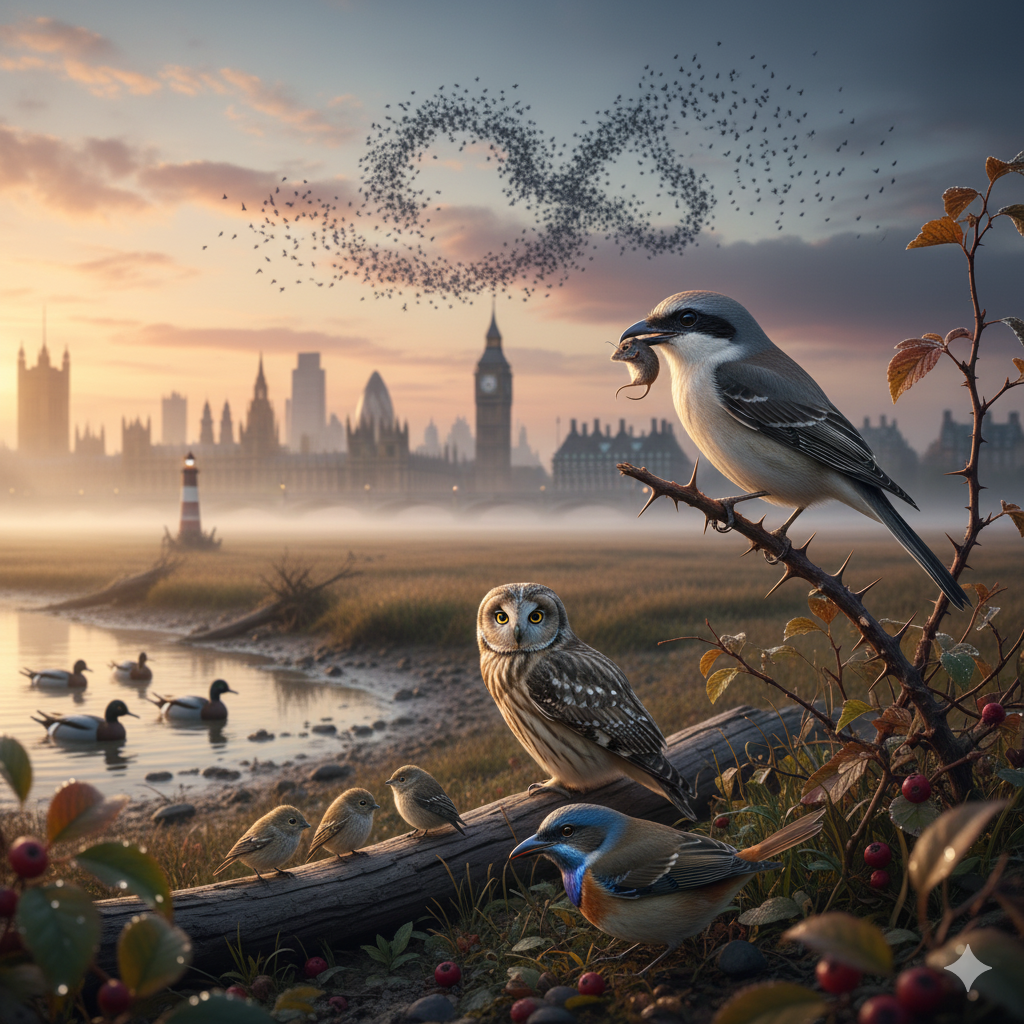
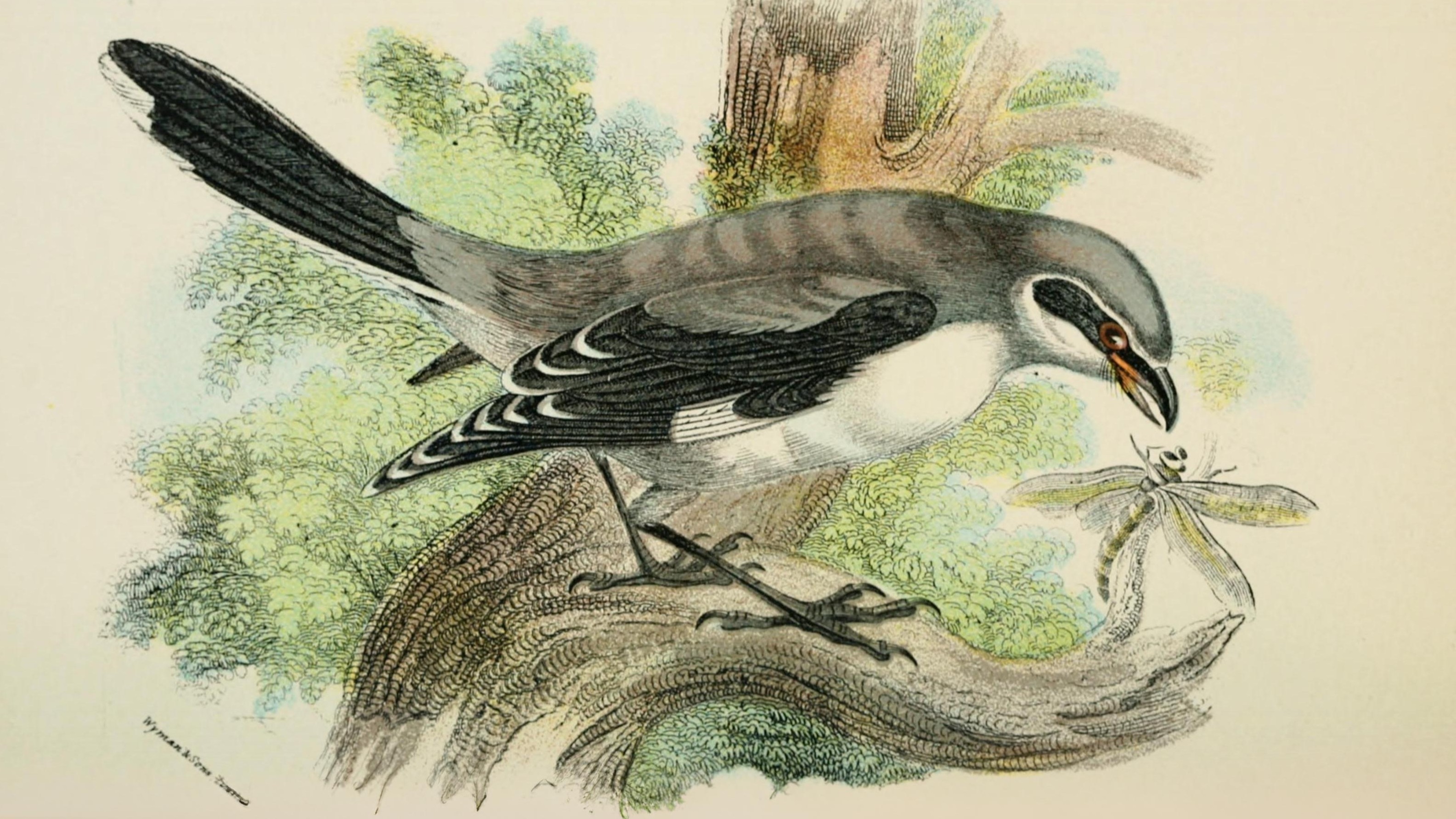
A rarity to look out for is the impressive great grey shrike. It is pied and about the size of a blackbird but with enough attitude to frighten even crows. They breed in the far north, right up to the tree line and are famous for their ‘larders’. These are where they impale their prey on thorns and then leave them to eat later. Most fly past London but one or two usually decide to stay the winter with us, possibly on a Surrey heath. Other rarities flying south along our East coast include phalaropes, shore larks, snow buntings and perhaps the holy grail of migrants, the bluethroat. Its famous metallic blue throat is thinner this month and you are probably more likely to notice the chestnut patch on its tail as it skulks in undergrowth.

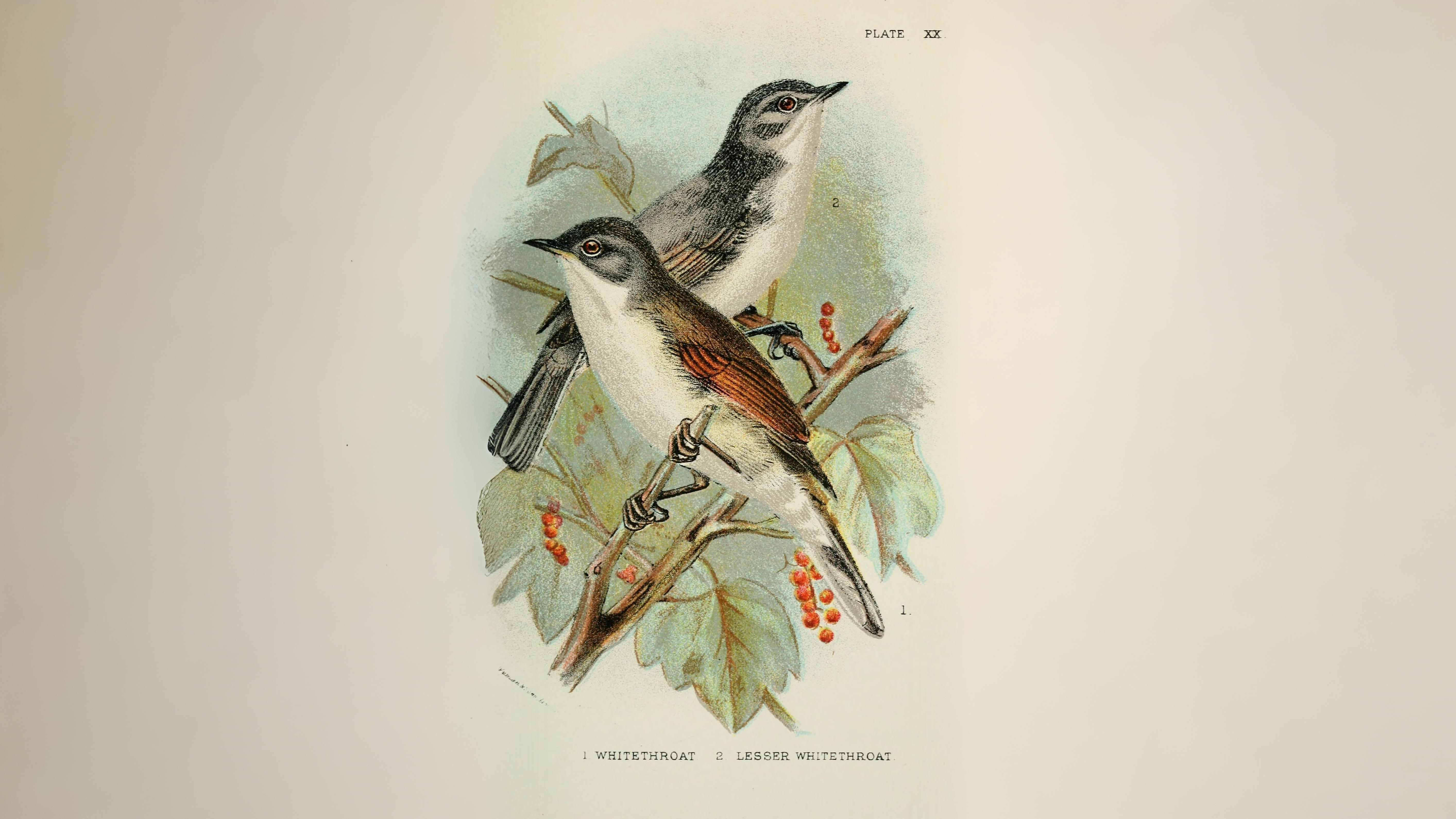
With intercontinental winters being harsher than those on the coast we also have another army of migrants arriving from East and Central Europe. These could include woodpigeons, starlings, jackdaws, linnets, jays, mallards, more plovers and possibly even a small number of willow warblers and lesser whitethroats.
06-Oct October's Winged Visitors Section Image

06-Oct October's Winged Visitors Section Image

Arriving across the sea from Scandinavia on suitable winds there may be wigeon and pochard as well as landfalls of goldcrests. Sedge warblers earlier in the year doubled their weight before setting off on their migration, so it is little surprise that a flock of tiny goldcrests, after crossing the North Sea together, arrive totally exhausted with stories of them being found half dead on beaches, around lighthouses and even on the decks of fishing boats. Other rarities to look for with some degree of hope in among these immigrants are wrynecks and the elusive Great snipe.

Then there are the vagrants arriving from the West that might have been blown here across the Atlantic in a storm. Although rare, there have been over a hundred different birds that have arrived in Britain this way. There are even migrants that arrive in London contraflow. Chaffinches, starlings and thrushes are all known to take circuitous routes around Britain, some eventually flying north to reach us here in London, possibly to avoid a dangerous sea crossing. For all these reasons it is worth looking at every bird this month and questioning whether or not it is a local or a new arrival.
06-Oct October's Winged Visitors Section Image

06-Oct October's Winged Visitors Section Image

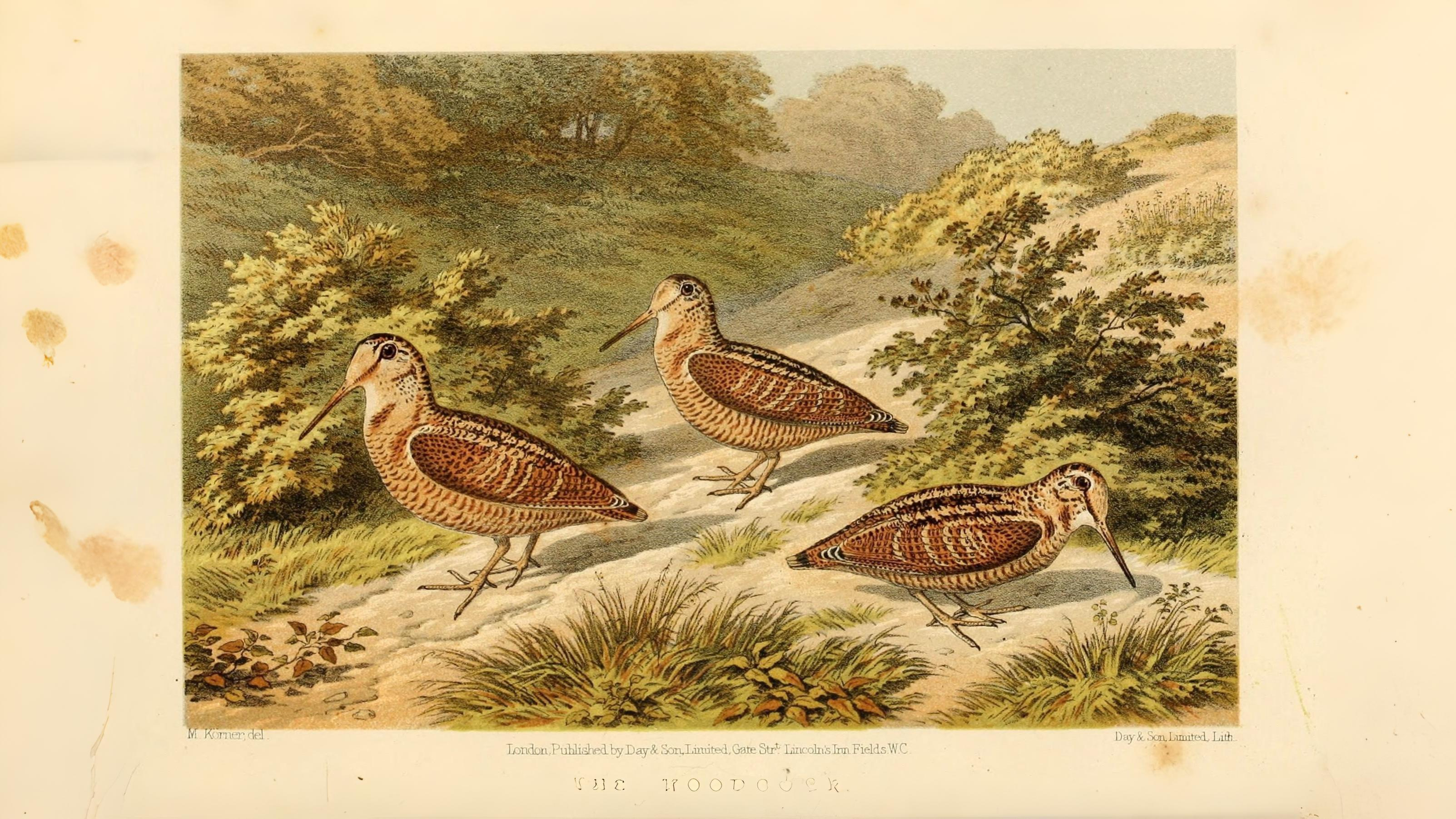
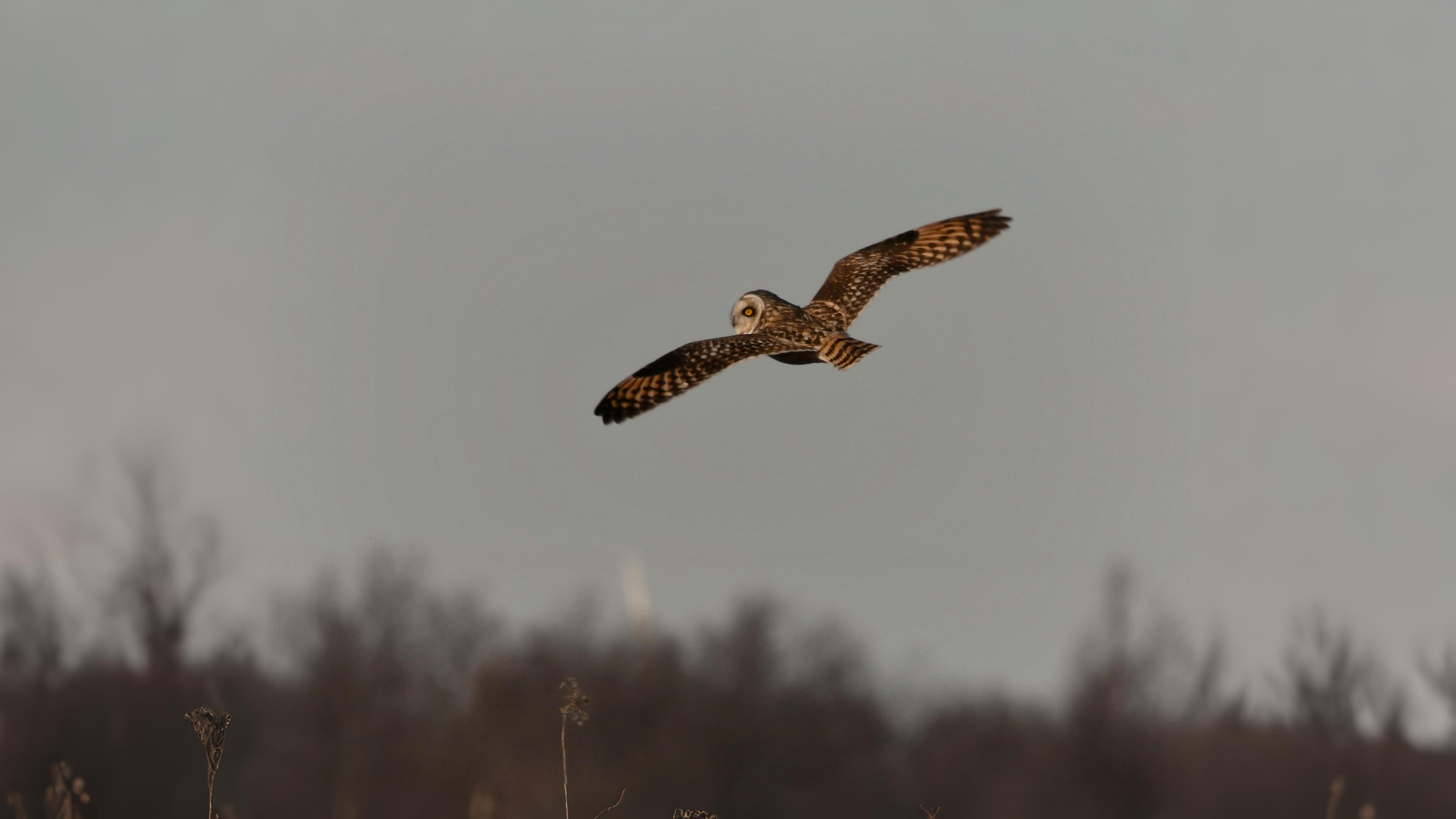
As many as two hundred and fifty short-eared owls have been known to arrive in Britain from Eastern Europe with small groups sometimes keeping together. These population explosions seem to be related to irruptions of voles elsewhere. In London we just expect to see one or two of these owls with their highly patterned wings flying at dusk or dawn over a Thames marsh such as Crayford or Dartford. Years ago, when these owls crossed the North sea, they were thought to be accompanied by woodcocks and perhaps even be carrying one or two goldcrests.

06-Oct October's Winged Visitors Section Image

06-Oct October's Winged Visitors Section Image

On arrival they would be shot and roasted with their entrails intact as their guts were nearly always empty after such a journey. The ‘soup’ created in the body cavity by their entrails is still regarded as a great delicacy and traditionally eaten with a silver spoon. The pin feathers of woodcocks are equally renowned, being made into fine paint brushes which were at one time used to paint the gold lines along the sides of Rolls Royce cars. Now we see very few in London, although one or two do turn up on Wimbledon Common from time to time.

06-Oct October's Winged Visitors Section Image

06-Oct October's Winged Visitors Section Image