05-Oct London's Gathering Flocks Tile Image

05-Oct London's Gathering Flocks

Summary

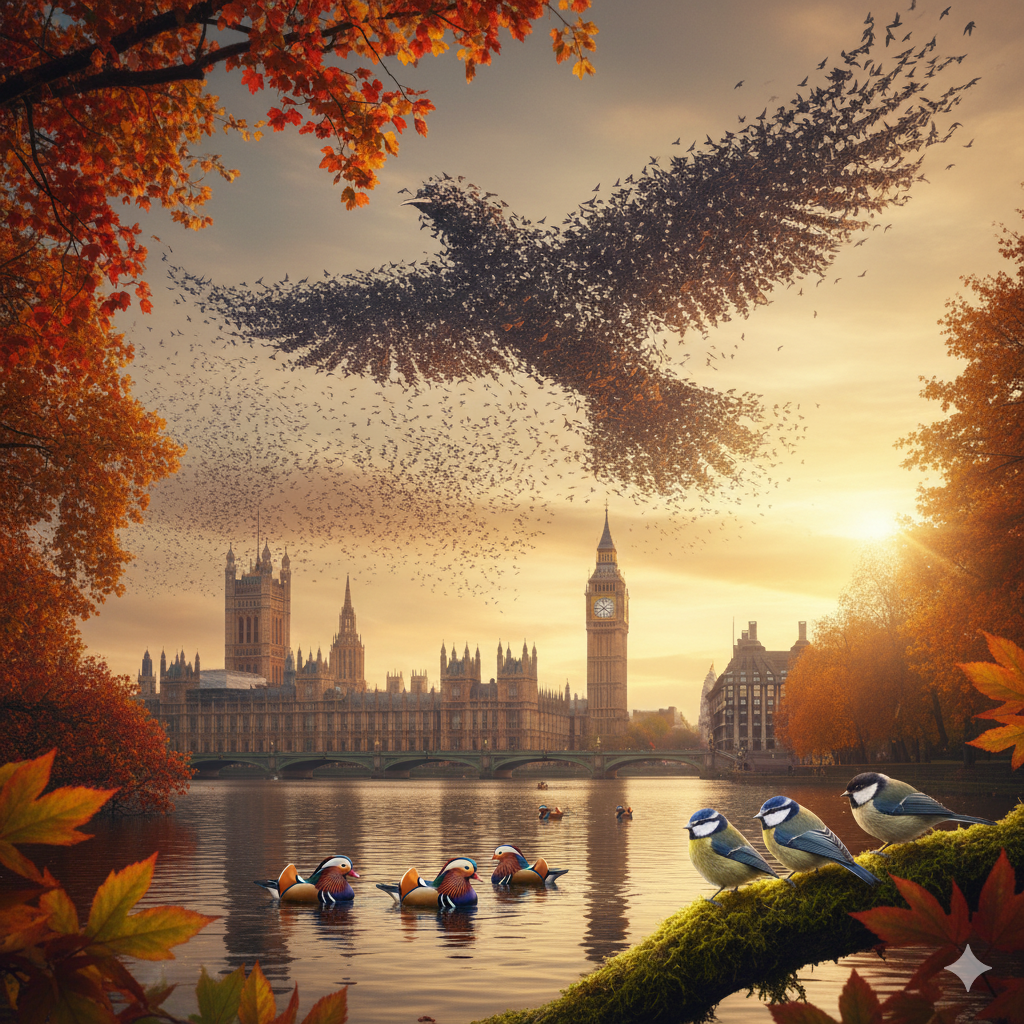
October in London brings a spectacular show of avian gatherings. From tiny family groups merging into larger assemblies to newly arrived immigrants swelling the ranks, the city's skies and waterways teem with fascinating feathered formations. Imagine seventy-five chaffinch flocks zipping through Trafalgar Square, or thousands of starlings creating mesmerizing murmurations. Whether it's the distinctive rising and falling flight of finches, the noisy aerial antics of rooks, or the shy movements of newly arrived waterfowl, each flock tells a story. Explore London's reservoirs, woodlands, and marshes to discover everything from expanded groups of coots and wigeon to the diverse, chattering mixed flocks of tits, goldcrests, and treecreepers, each with their own unique "vocabulary."

Article

Flocks

05-Oct London's Gathering Flocks Section Image

05-Oct London's Gathering Flocks Section Image

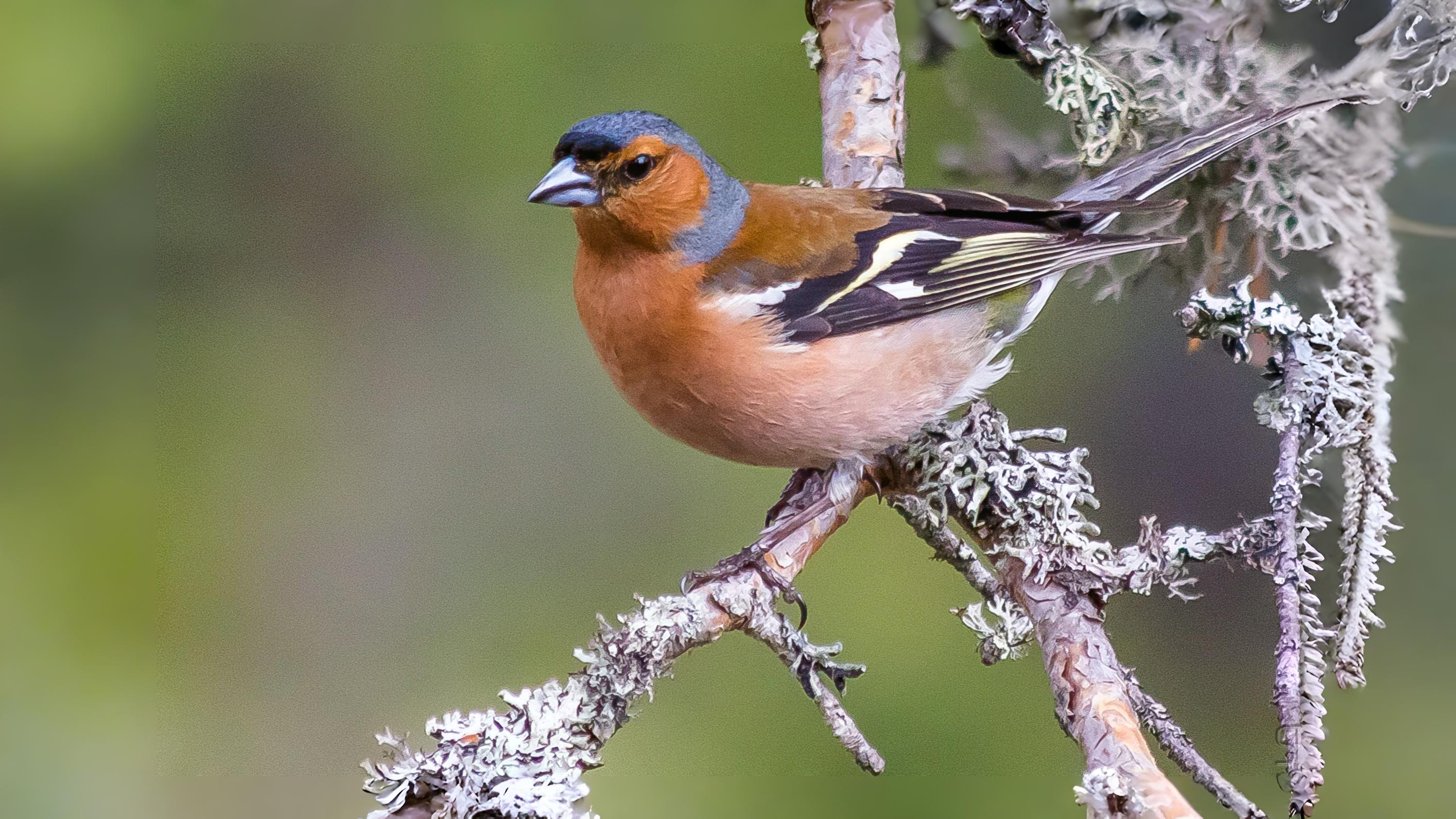
Any flocks seen this month are well worth examining more closely. Some are just family groups now coalescing into flocks but others are recently enlarged due to the inclusion of newly arrived immigrants which may include the occasional rarity or vagrant. There are also just flocks of passage migrants flying over the city en route to their winter quarters. Some of these movements can be quite spectacular. Seventy-five flocks of the humble chaffinch, making a total of around seven hundred individuals have been recorded flying through Trafalgar Square in a mere two and a half hours. Chaffinch flocks are often single-sexed, the ‘gentlemen’ flocks travelling together and females with juveniles travelling separately.

05-Oct London's Gathering Flocks Section Image

05-Oct London's Gathering Flocks Section Image

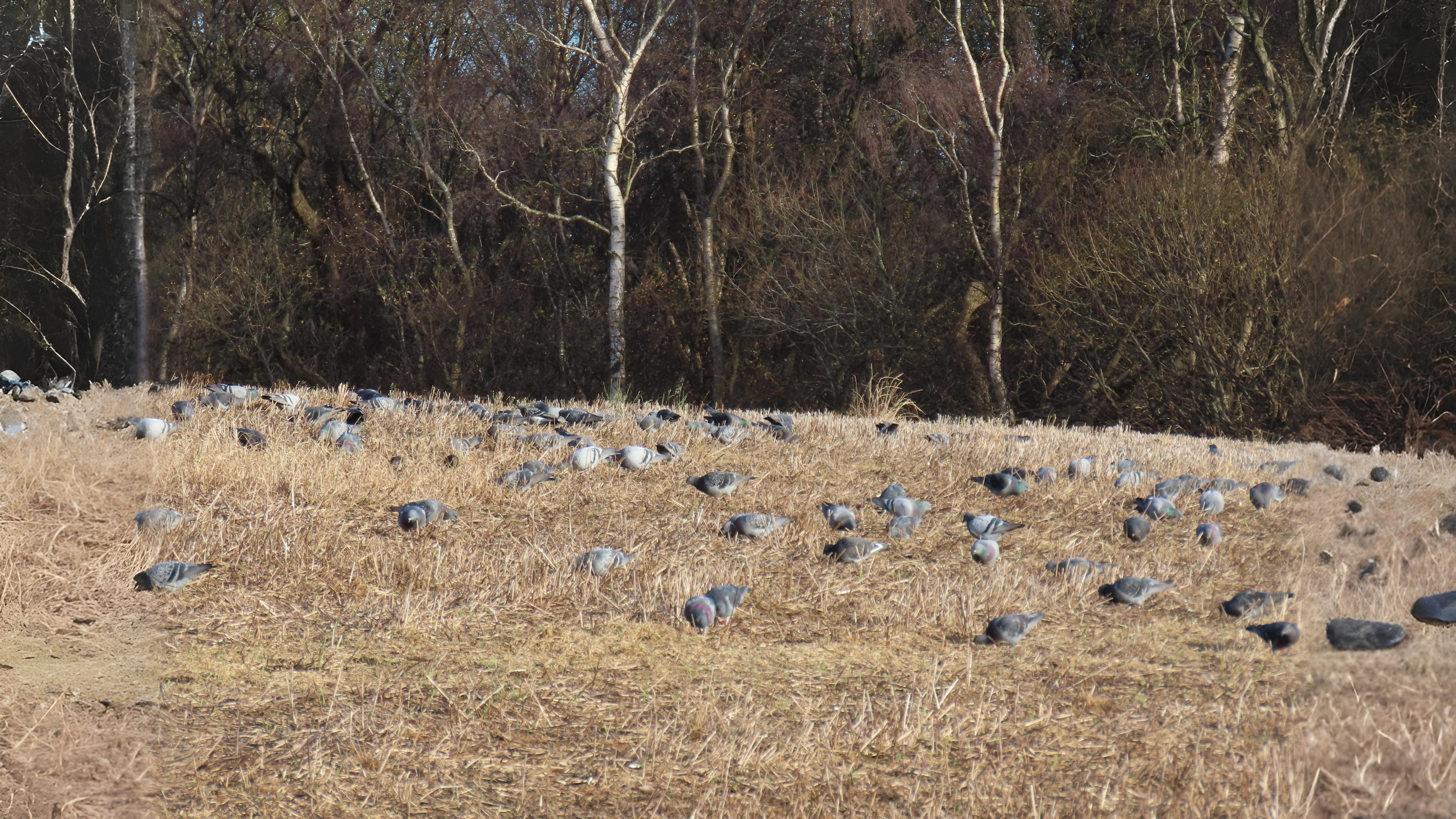
The most familiar flocks seen this month are those of starlings, woodpigeons, crows, feral pigeons, Canada geese and parakeets. Some of these can swell to over a thousand and, exceptionally, over four thousand. Other flocks occasionally reaching one hundred or more include jackdaws, greenfinches, linnets, meadow pipits and redshanks. Rather smaller flocks are formed by skylarks, stock doves, thrushes, lapwings and pied wagtails. More rarely encountered are those of siskins, lesser redpoll and meadow pipits as well as reed and corn buntings. Small groups of ducks are also typical of October with any larger flotillas developing later.

05-Oct London's Gathering Flocks Section Image

05-Oct London's Gathering Flocks Section Image

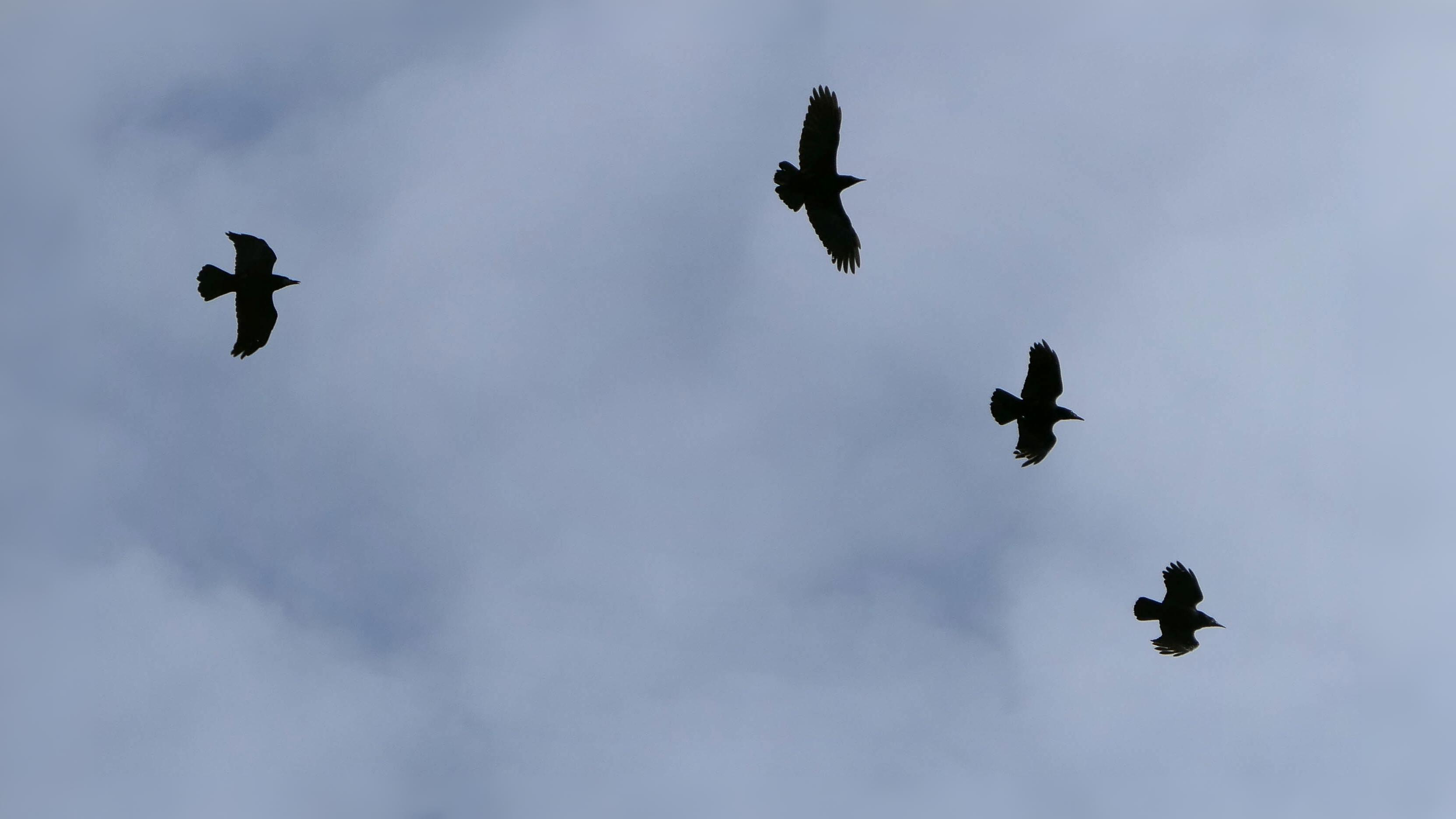
Some flocks, for various reasons, can be identified from a distance. Flocks of finches rise and fall in open areas in an easily identifiable way, whilst they are busy looking for seeds. Skylarks do the same in places like Wanstead flats but settle again much more quickly. Flocks of rooks seem to enjoy flying together more than other birds with much more unnecessary ducking and diving. Flocks of waterfowl seem shyer than usual, possibly due to nervous new arrivals who have just joined them. Wood pigeons often prefer to feed silently in remote areas of woodland before suddenly producing a great clatter of wing clapping when they are disturbed. Redwings that have just arrived have a habit of remaining in the same area. Although yellowhammer flocks are rare in October they can be instantly identified by their colour alone. Similarly, flocks of linnets can be recognised by their charming calls to each other which have been called “the merriest music” of the month.

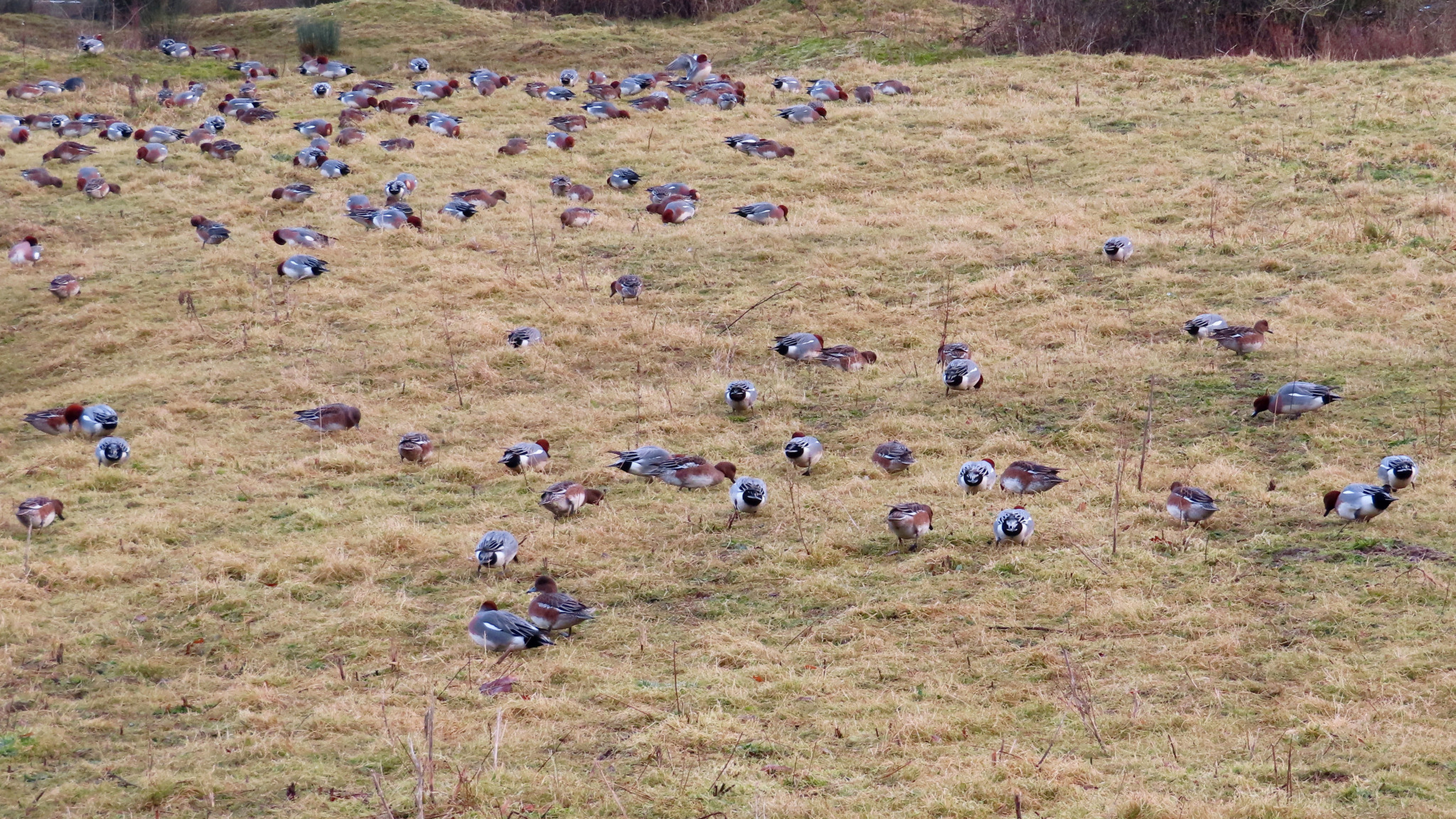
The best place to look for interesting flocks are London’s reservoirs, woods, open farmland and marshes along the lower Thames. Particularly good reservoirs are those around Staines, Walthamstow and along the Lee Valley. Here enlarged flocks of coots, moorhens, wigeon, pochards, tufted ducks and shovellers can all be found as well as great crested grebes and possibly even little grebes.
05-Oct London's Gathering Flocks Section Image

05-Oct London's Gathering Flocks Section Image

Some flocks, for various reasons, can be identified from a distance. Flocks of finches rise and fall in open areas in an easily identifiable way, whilst they are busy looking for seeds. Skylarks do the same in places like Wanstead flats but settle again much more quickly. Flocks of rooks seem to enjoy flying together more than other birds with much more unnecessary ducking and diving. Flocks of waterfowl seem shyer than usual, possibly due to nervous new arrivals who have just joined them. Wood pigeons often prefer to feed silently in remote areas of woodland before suddenly producing a great clatter of wing clapping when they are disturbed. Redwings that have just arrived have a habit of remaining in the same area. Although yellowhammer flocks are rare in October they can be instantly identified by their colour alone. Similarly, flocks of linnets can be recognised by their charming calls to each other which have been called “the merriest music” of the month.

05-Oct London's Gathering Flocks Section Image

05-Oct London's Gathering Flocks Section Image

The best place to look for interesting flocks are London’s reservoirs, woods, open farmland and marshes along the lower Thames. Particularly good reservoirs are those around Staines, Walthamstow and along the Lee Valley. Here enlarged flocks of coots, moorhens, wigeon, pochards, tufted ducks and shovellers can all be found as well as great crested grebes and possibly even little grebes.

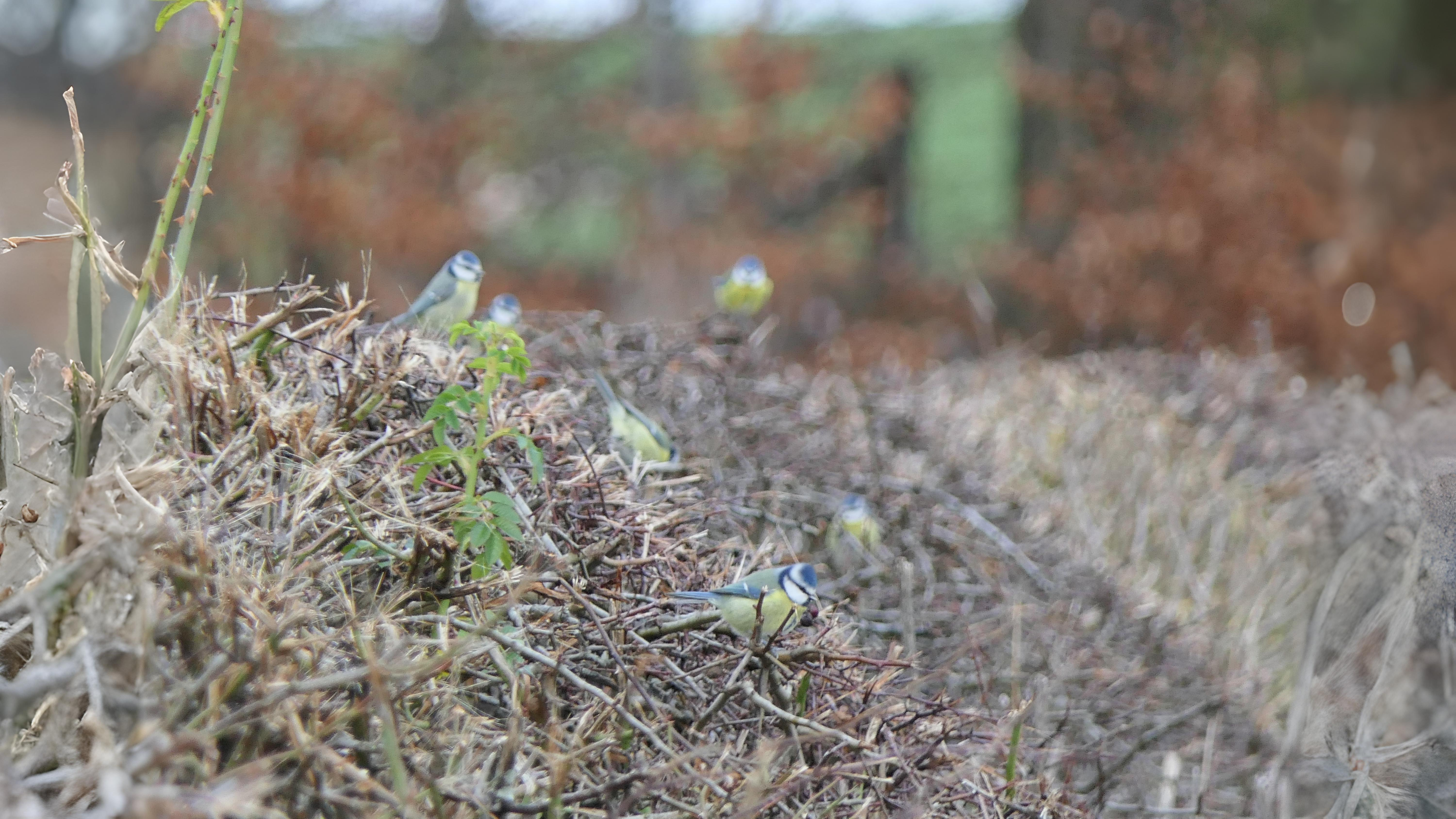
Especially good woodlands where flocks are liable to be seen include Wimbledon and Putney commons as well as Banstead wood in the south and Northaw Great wood in the north. Where conifer woodland can be found e.g. Oxshott, there may well be parties of goldcrests. Flocks of tits seem invisible as they are often heard yet not seen. This month there is the possibility of six different tits making up such flocks as well as the occasional nuthatch, goldcrest or treecreeper, all of which are known to join them. It is the wide vocabulary of all these birds that can make these flocks so fascinating. There is always the typical see-saw call of great tits and the fish-fish-fiddle diddle dee of blue tits. Long tailed tits calling to each other has been compared to the sound of rain on leaves. In places like Wimbledon Common where there is a good population of coal tits, you may well also hear their higher, more bouncy calls. In places such as Northaw Great wood, Rye meads or even Selsdon wood, where marsh tits are still present, you may hear them pinging. Unfortunately, the delicate nasal calls of willow tits which used to be heard in North London woods seem to be heard no more. On top of all this, tits are good mimics and often copy the birds who are flying with them.
05-Oct London's Gathering Flocks Section Image

05-Oct London's Gathering Flocks Section Image

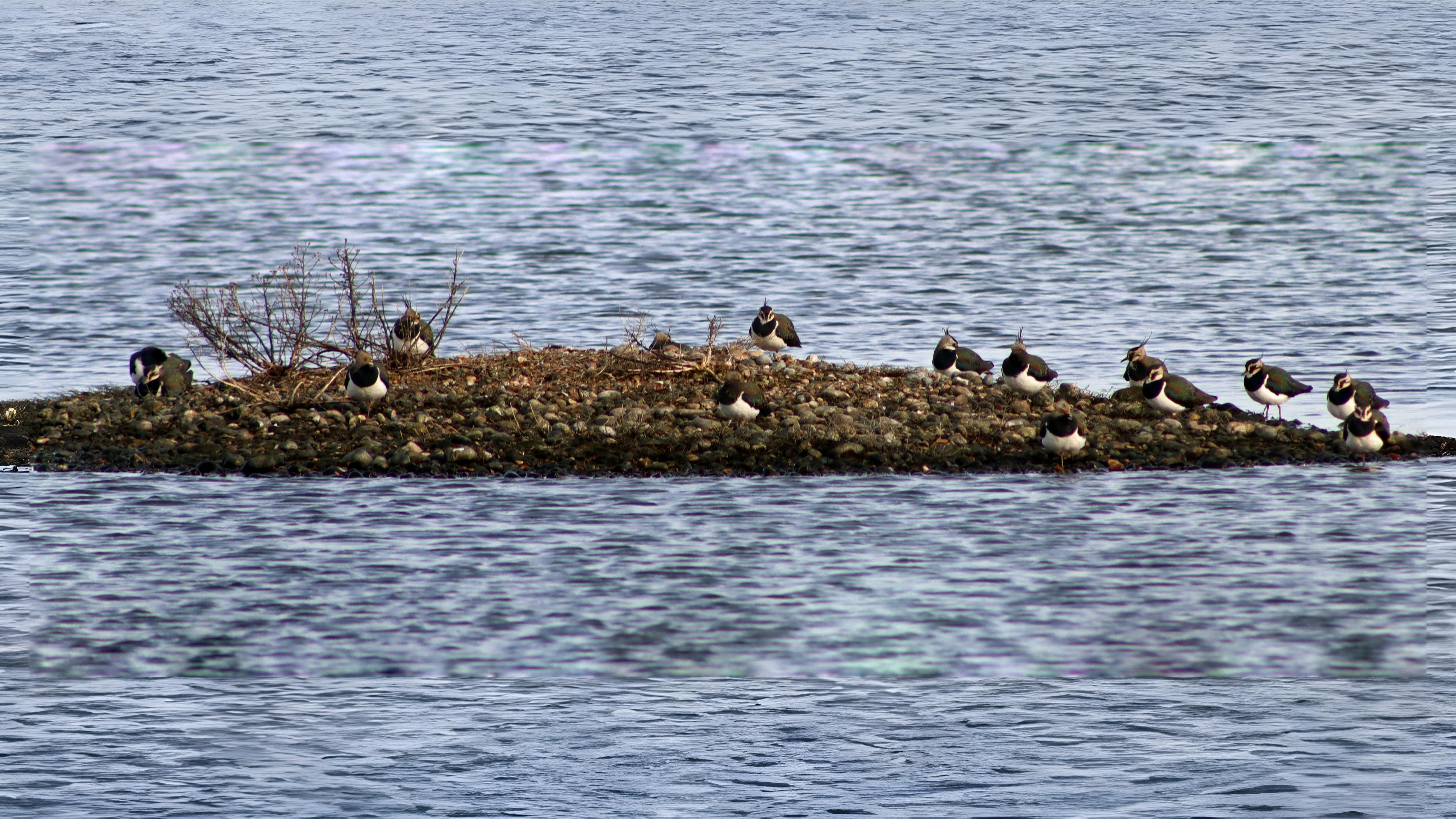
Along the edges of the Thames there may well be new springs of teal, wings of golden plovers, crowds of redwings and deceits of lapwings. In open farmland, where there are good patches of weeds, finch and bunting flocks are also possibilities. Those of greenfinches and goldfinches can reach one hundred or more in places such as Horsenden Hill and rather smaller flocks of corn buntings are regularly seen on Rainham marshes.

05-Oct London's Gathering Flocks Section Image

05-Oct London's Gathering Flocks Section Image

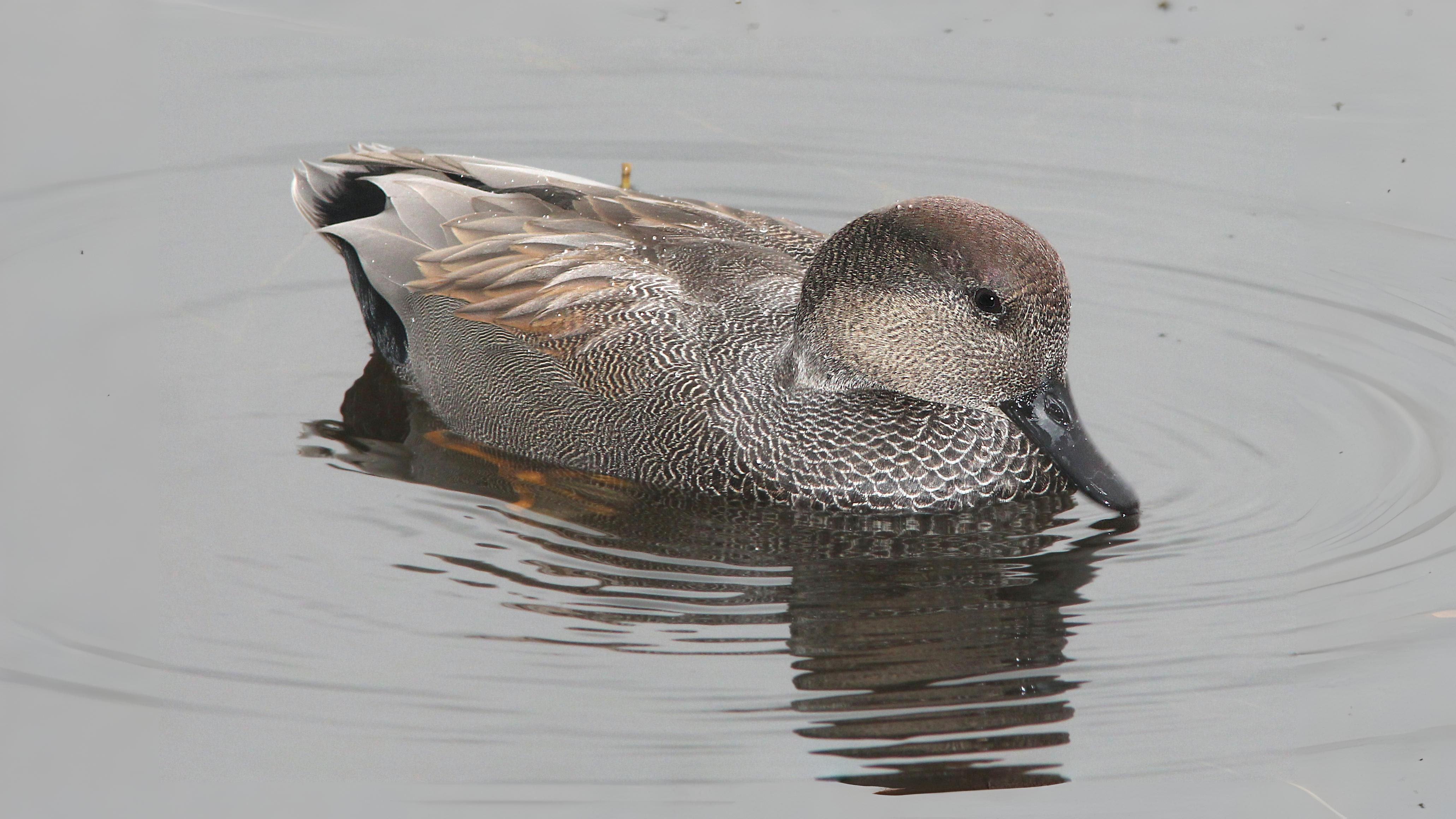
Rarer, more local flocks worth seeking out include those of gadwall in Richmond park, reed buntings at Barnes Wetland Centre and tree sparrows around Beddington farmlands. The most unusual flocks to be seen have to be those of mistle thrushes, with their marked preference for the gloomy yew woods along the North Downs. In contract, the most dazzling flocks have to be those of Mandarin ducks, small colonies of which can be seen at Kew and Connaught Water.

05-Oct London's Gathering Flocks Section Image

05-Oct London's Gathering Flocks Section Image