04-Oct October's Lingering Melodies Tile Image

04-Oct October's Lingering Melodies

Summary

While most birds quiet down by October, the month still offers a symphony of sounds across London. From the robin's melancholic autumn song in your garden to the harsher calls of jays and green woodpeckers in the woodlands, there's a rich soundscape to explore. Keep an ear out for the clamour of rooks over their rookeries and the softer contact calls of drifting tit and finch flocks. It's also prime time to spot the dazzling male pheasant, a stunning mix of Asian heritage, now more visible as their shooting season begins. And if you're lucky, you might even hear the rare woodlark's soft, trickling song or the creaky phrases of bullfinches in your garden.

Article

Bird Song

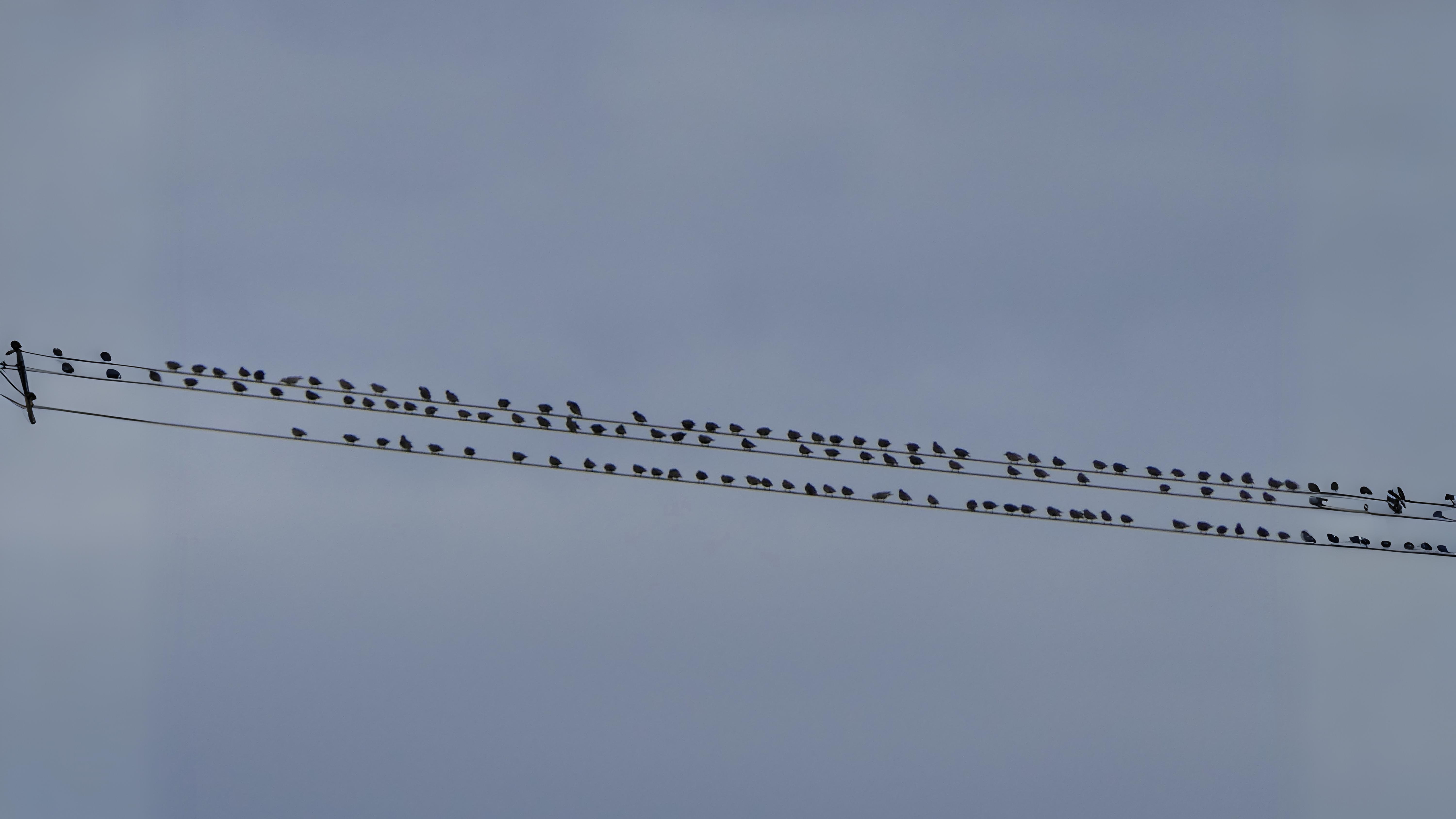
After all the rigours of defending territories, courting females and crooning to nestlings, most birds have finished virtually all their vocalisations by October. There are one or two exceptions and plenty of birds, particularly in flocks, are keeping in touch using contact calls as well as indignant alarm calls to keep together and avoid predators. There are perhaps twenty or more birds that can be heard in and around London with gardens and woodland being the most rewarding places to listen for them.

04-Oct October's Lingering Melodies Section Image

04-Oct October's Lingering Melodies Section Image

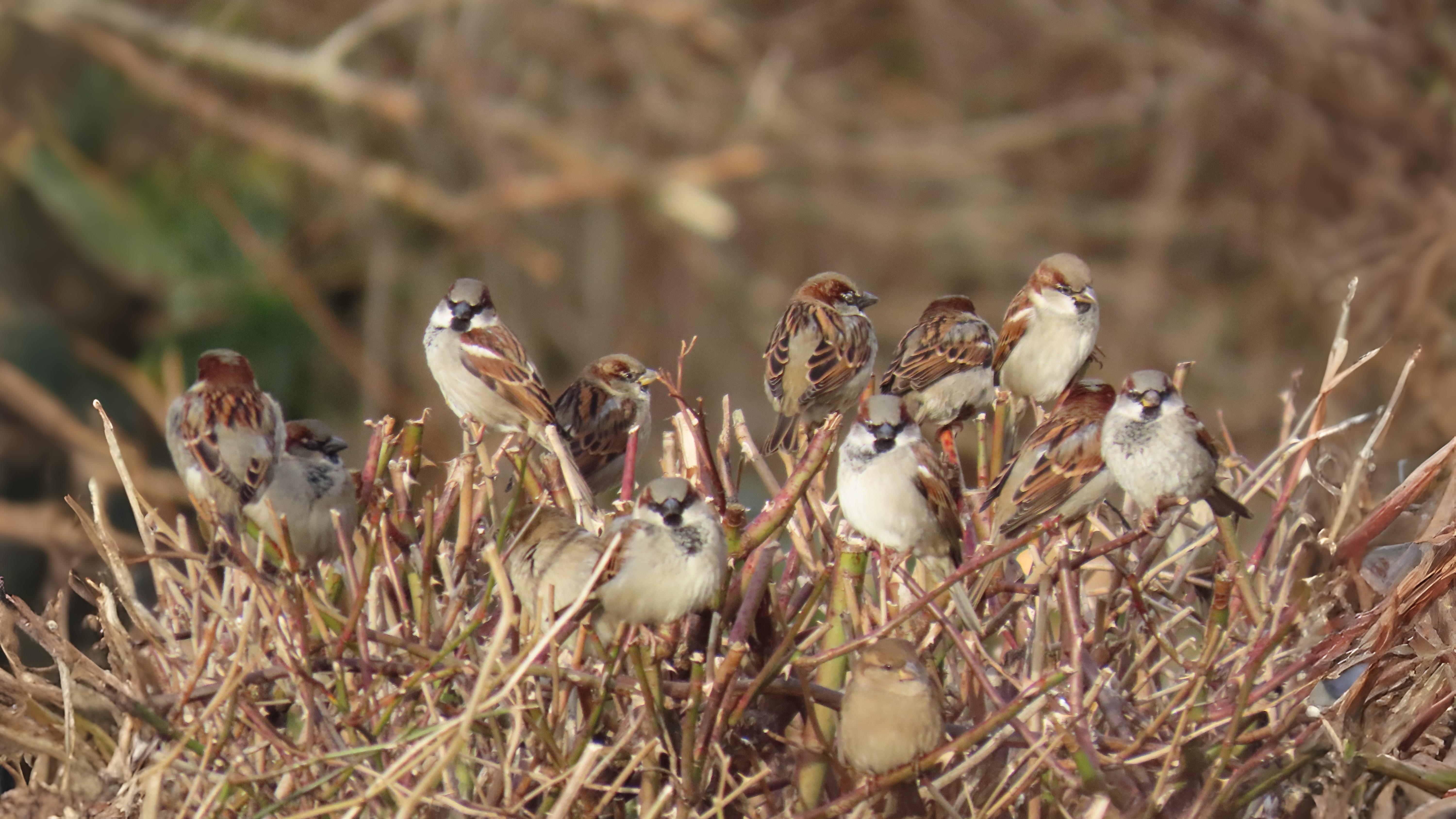
In gardens there is always the ever reliable robin now singing his autumn melancholy song with a few of his alarm calls which sound like two stones being knocked together. Wrens are calling loudly again, occasionally joined by the happy warble of hedge sparrows. Where present, the jumbled calls of starlings and house sparrows may also be heard as well as the soft contact calls of drifting flocks of tits and finches.

04-Oct October's Lingering Melodies Section Image

04-Oct October's Lingering Melodies Section Image

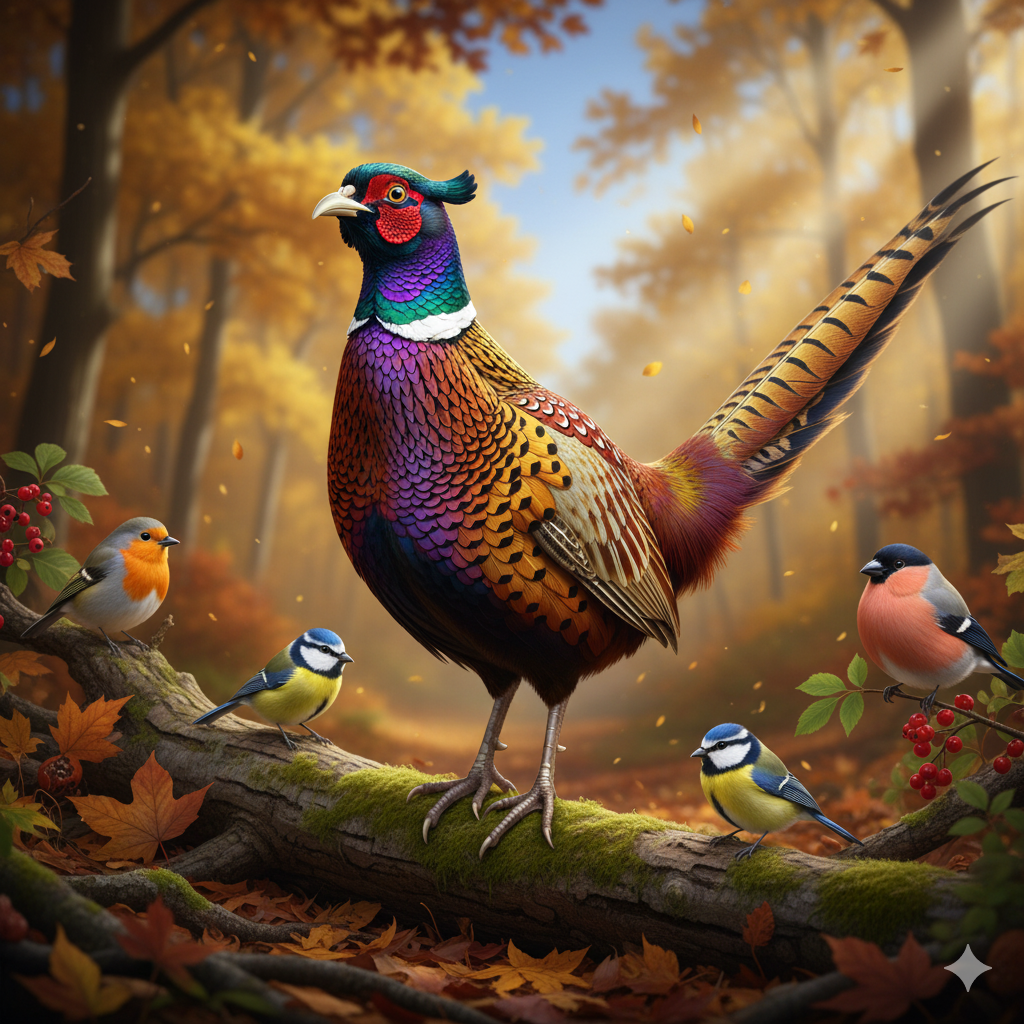
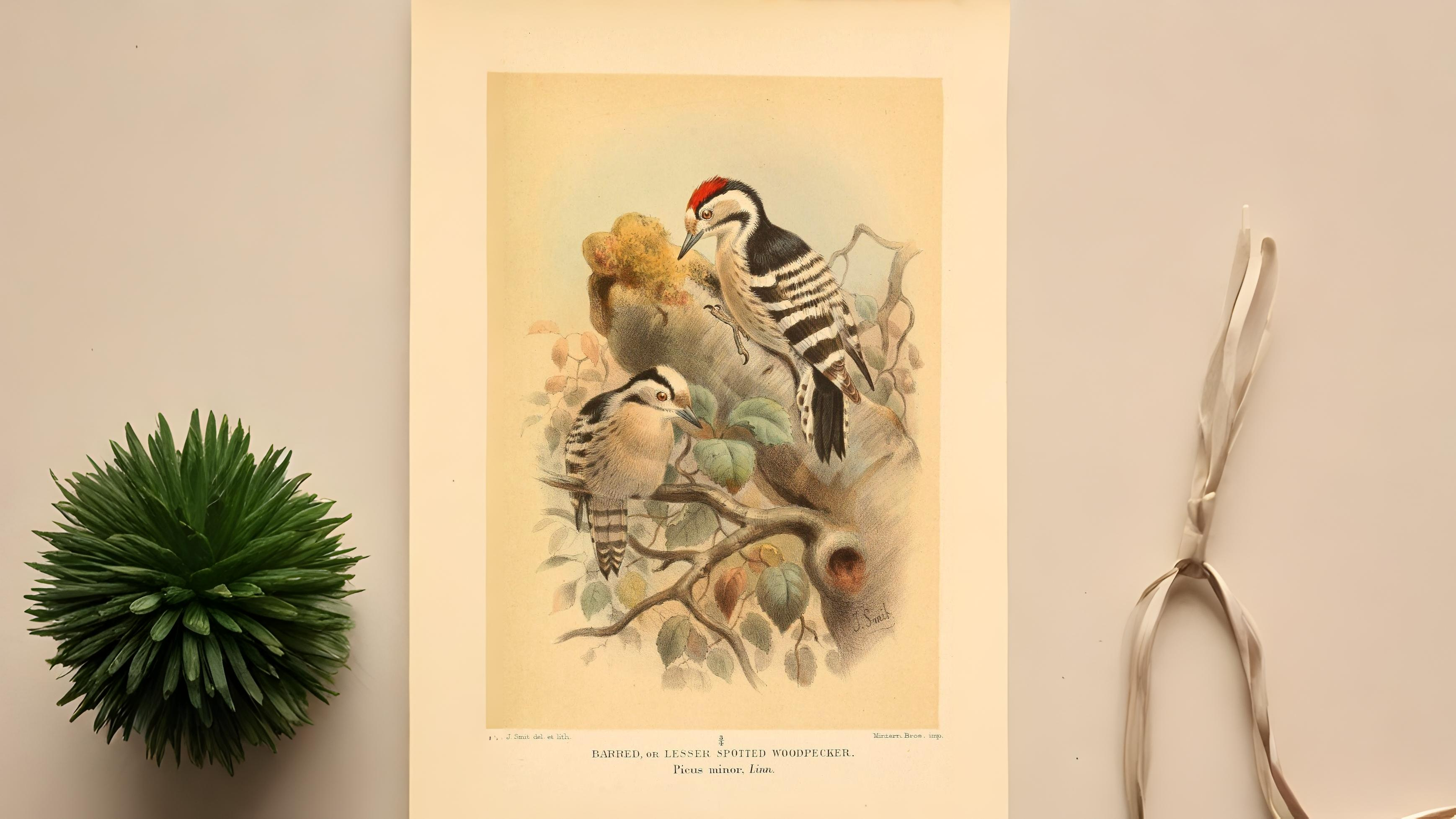
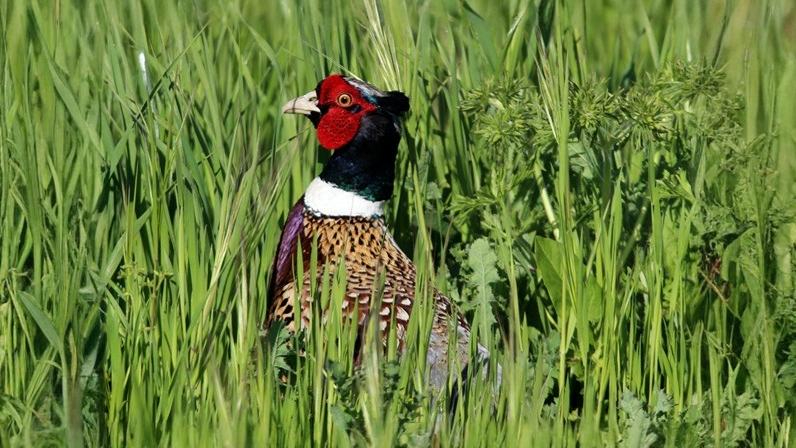
Rather harsher sounds are heard in woodlands, particularly from jays and green woodpeckers. If any drumming is heard it will almost certainly be a lesser spotted woodpecker as its ‘greater’ relation has now fallen silent. Other species heard in woods this month include chaffinches, wood pigeons and perhaps the occasional thrush and chiffchaff that has not yet flown south. Where pheasants are reared in coverts the whole wood can resound in them coughing as well as the clockwork whirr and claps of their wings as they take off. October 1st marks the first day of their shooting season and so they are far more common now than usual. The male is undoubtedly one of London’s most beautiful birds.

04-Oct October's Lingering Melodies Section Image

04-Oct October's Lingering Melodies Section Image

His metallic green head has small ear tufts with scarlet wattles around his eyes. Other colours across his body include glossy purple, golden red, burnished copper and mottled black as well as crescent and horseshoe markings. There is also the half a metre long black banded tail often held out so firmly erect. In comparison, the female is a sombre brown with a smaller tail and she whistles as she takes off rather than ‘whirrs’.

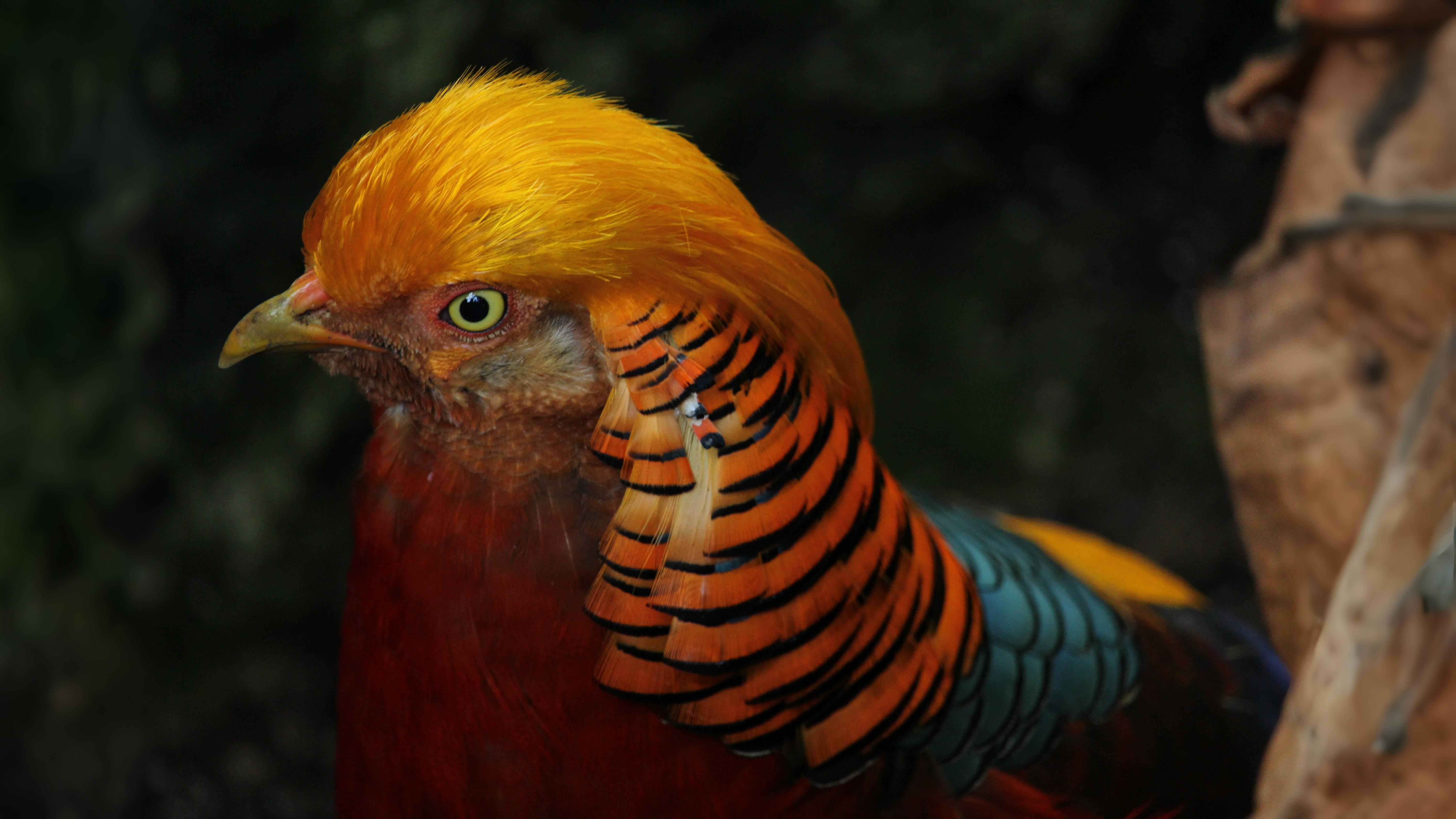
Legend says Jason found the first pheasant around the Black Sea whilst he was searching for the golden fleece. He then brought the bird back to Greece from where it was taken to Italy and then on to Britain by the Romans. What we see today is actually a mixture of different races all originating from Asia. Pheasants with names such as Pallas’s, Japanese, Mongolian and the Prince of Wales pheasant have all interbred to create the beautiful mongrel we see in our woods today. This explains why we occasionally encounter paler, darker, greener and pinker birds. The presence of a white collar usually indicates some Chinese blood. In good weather the males have the habit of roaming which is when we tend to see them crossing country lanes. Golden pheasants can be seen in Kew gardens.
04-Oct October's Lingering Melodies Section Image

04-Oct October's Lingering Melodies Section Image

The best sounds to listen out for this month are the clamour made by rooks over their rookeries, the softer calls of tit and finch flocks as they drift past us and the rarer sounds of migrants as they pass overhead at night. Although the ‘merry music’ made by finches is common enough it is the flocks of tits moving through woodland that are so associated with October. These usually include blue and great tits and perhaps some coal tits, all of which have a rich vocabulary worth listening to carefully. Flocks of skylarks are another feature of the month, rarer now but they can still possibly be heard flying over at night.

04-Oct October's Lingering Melodies Section Image

04-Oct October's Lingering Melodies Section Image

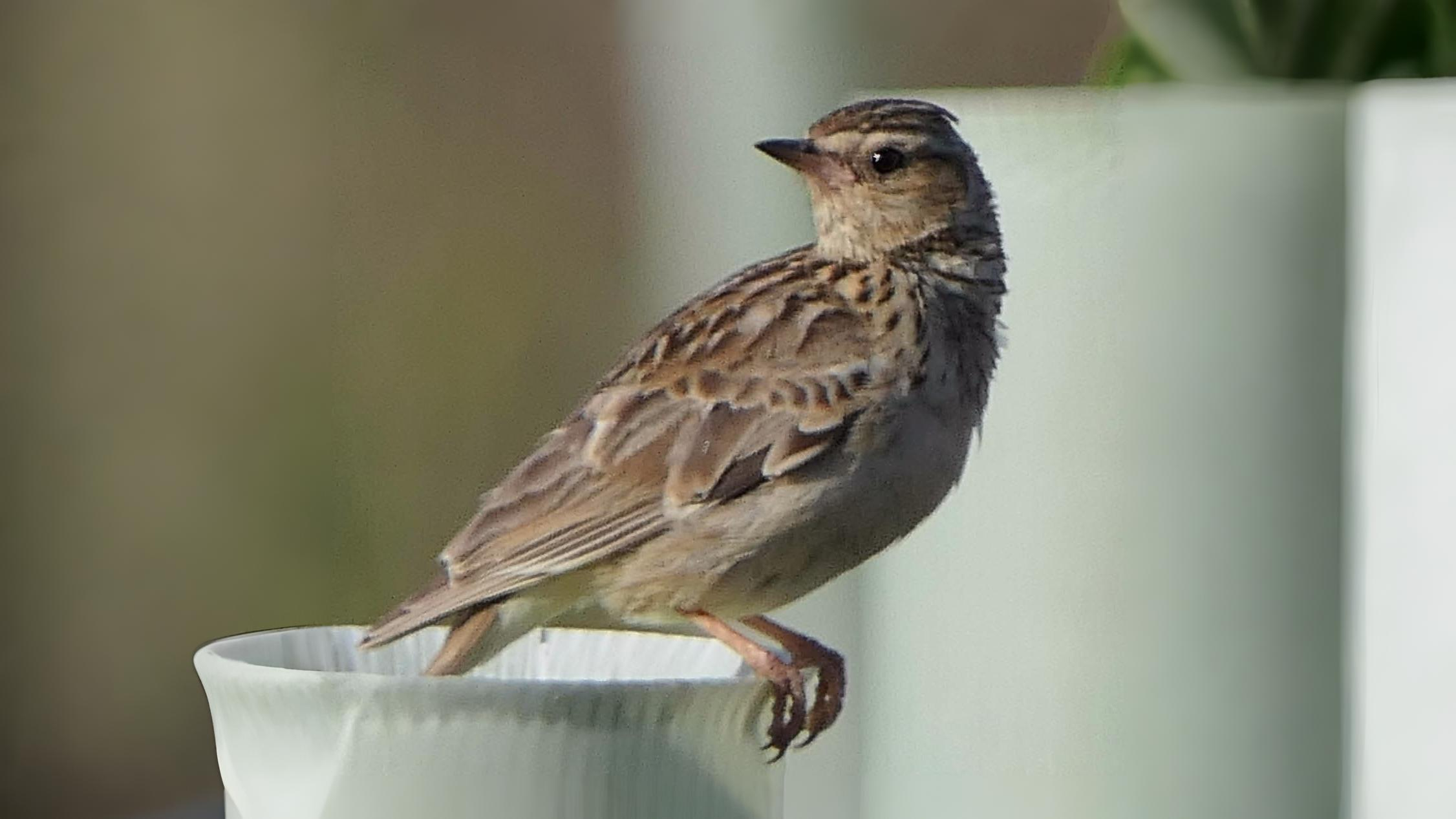
The skylark’s close relation, the rare woodlark, is regarded by many as the best sound of the month. It produces a soft trickle of musical phrases delivered peacefully compared with the passionate outburst so typical of skylarks. Another favourite sound is that made by bullfinches. As they are now more likely to be heard in gardens their strange creaky phrases stand out far more in the general silence.

Other sounds to listen out for include the high, thin calls of tree creepers and goldcrests in woods, yellowhammers and partridges in open countryside as well as redshank and any recently arrived migrants along the estuary. Virtually all of our warblers have now gone, except perhaps for the occasional Dartford warblers which may still be warbling on some areas of heathland.
04-Oct October's Lingering Melodies Section Image

04-Oct October's Lingering Melodies Section Image

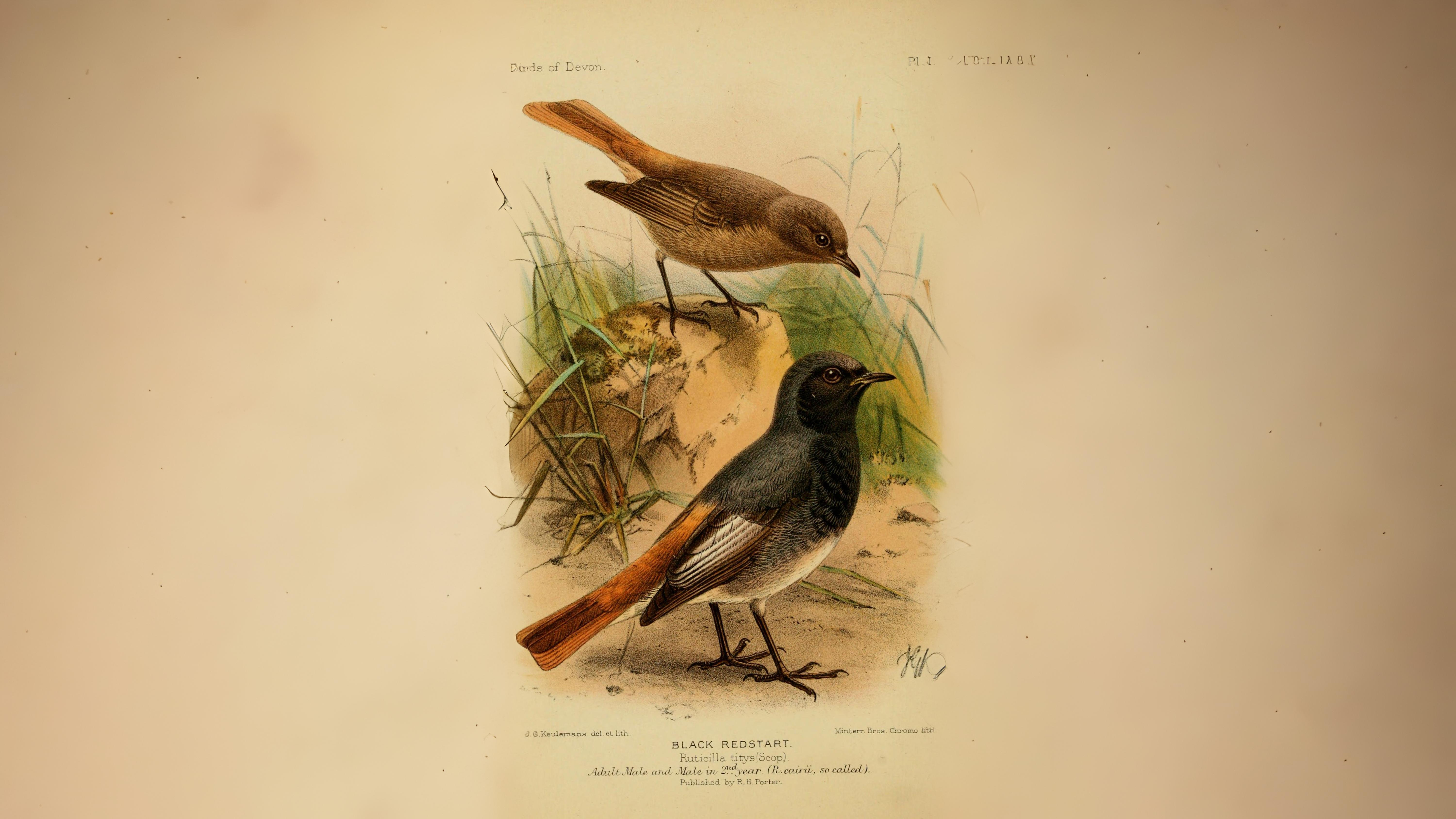
Rarer sounds could include lesser redpoll, black redstart, firecrest, greenshank or even peregrines in central London. At night there could also be flocks of pipits, wagtails and even thrushes passing over or redwings and fieldfares arriving. Among our owls, tawny owls are possibly most likely to heard although one or two short-eared owls may be arriving especially if it has been a ‘lemming’ year in northern Europe.

04-Oct October's Lingering Melodies Section Image

04-Oct October's Lingering Melodies Section Image