03-Oct October's Feathered Friends Tile Image

03-Oct October's Feathered Friends

Summary

As October dawns, London's skies and gardens become a bustling highway for birds. From the dramatic aerial ballets of rooks and the solitary grace of migrating raptors like merlins and peregrines, to the secretive arrival of short-eared owls, the city offers a spectacular showcase of avian life. Your garden birds might even be newly arrived visitors from Europe, shyer than their resident cousins. Discover which species prefer certain berries and seeds, and keep an eye out for the vibrant plumage of great tits and blue tits, newly resplendent after their moult. With woods filling with mixed flocks and robins marking their winter territories, there's a fascinating bird world to explore.

Article

Birds

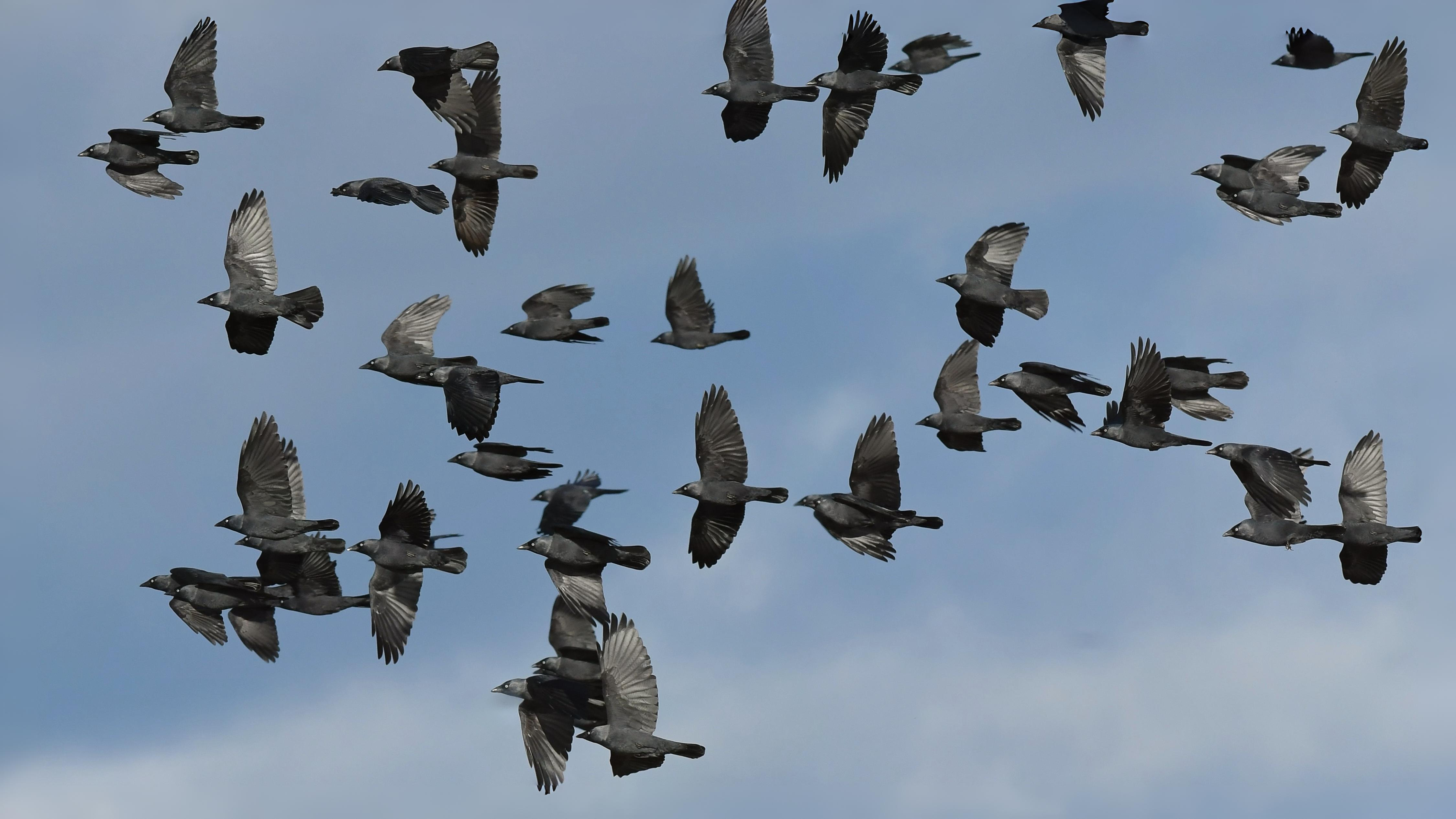
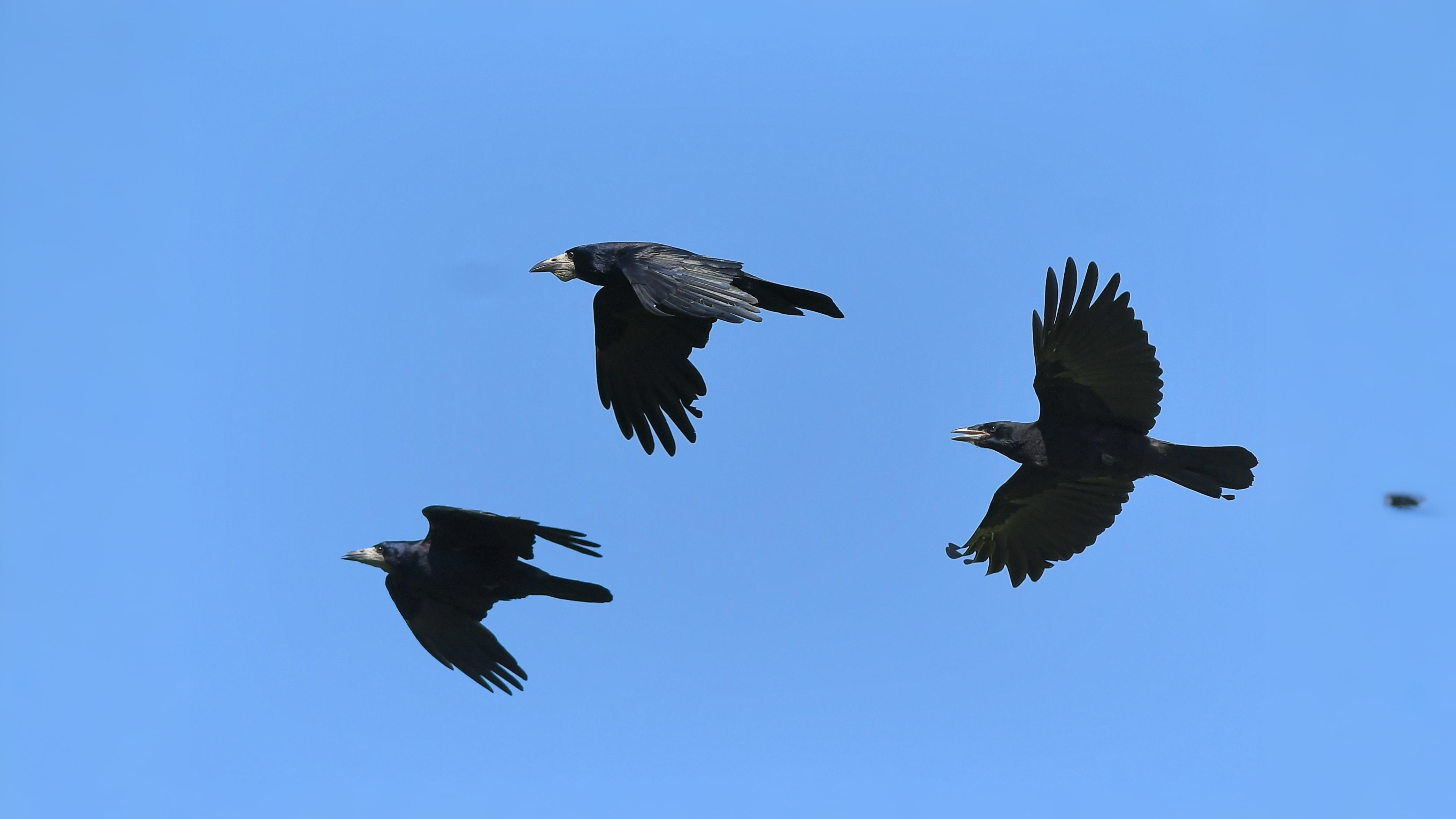
There was a time when in October young boys were employed to frighten away rooks from fields of recently sown wheat. The whole of the crow family is ever present this month and are especially known for their flying acrobatics on windy days. Carrion crows are constantly seen soaring and diving around high rise flats. A little further out of London, rooks can be seen quietly feeding on stubble or recently turned ground till something causes them all to rise together.

03-Oct October's Feathered Friends Section Image

03-Oct October's Feathered Friends Section Image

The huge clamour they make in the sky is one of this month’s spectacles. Another pleasing sight is watching them fly back together to their rookery where some seem to almost dance above it before settling down. If a bird of prey happens to pass, several rooks and possibly some jackdaws will almost certainly mob it. More centrally, crows and even parakeets do the same.

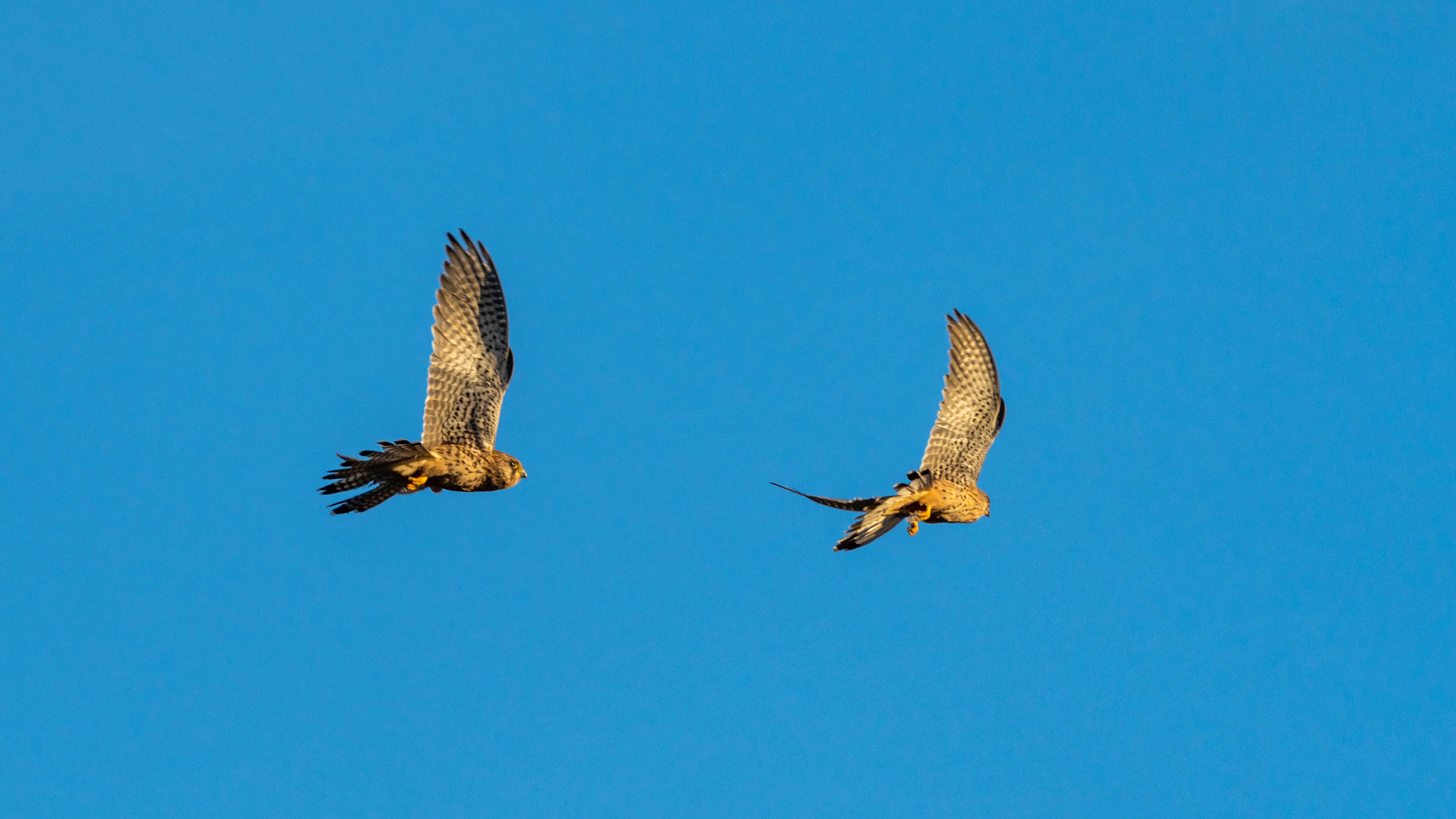
Several different raptors, nearly always alone, are now passing over London on migration. Every year there are occasional sightings of a red kite, honey buzzard, marsh harrier, hobby or even an osprey either at Rainham marshes, Barnes Wetland Centre or possibly Regent’s Park.
03-Oct October's Feathered Friends Section Image

03-Oct October's Feathered Friends Section Image

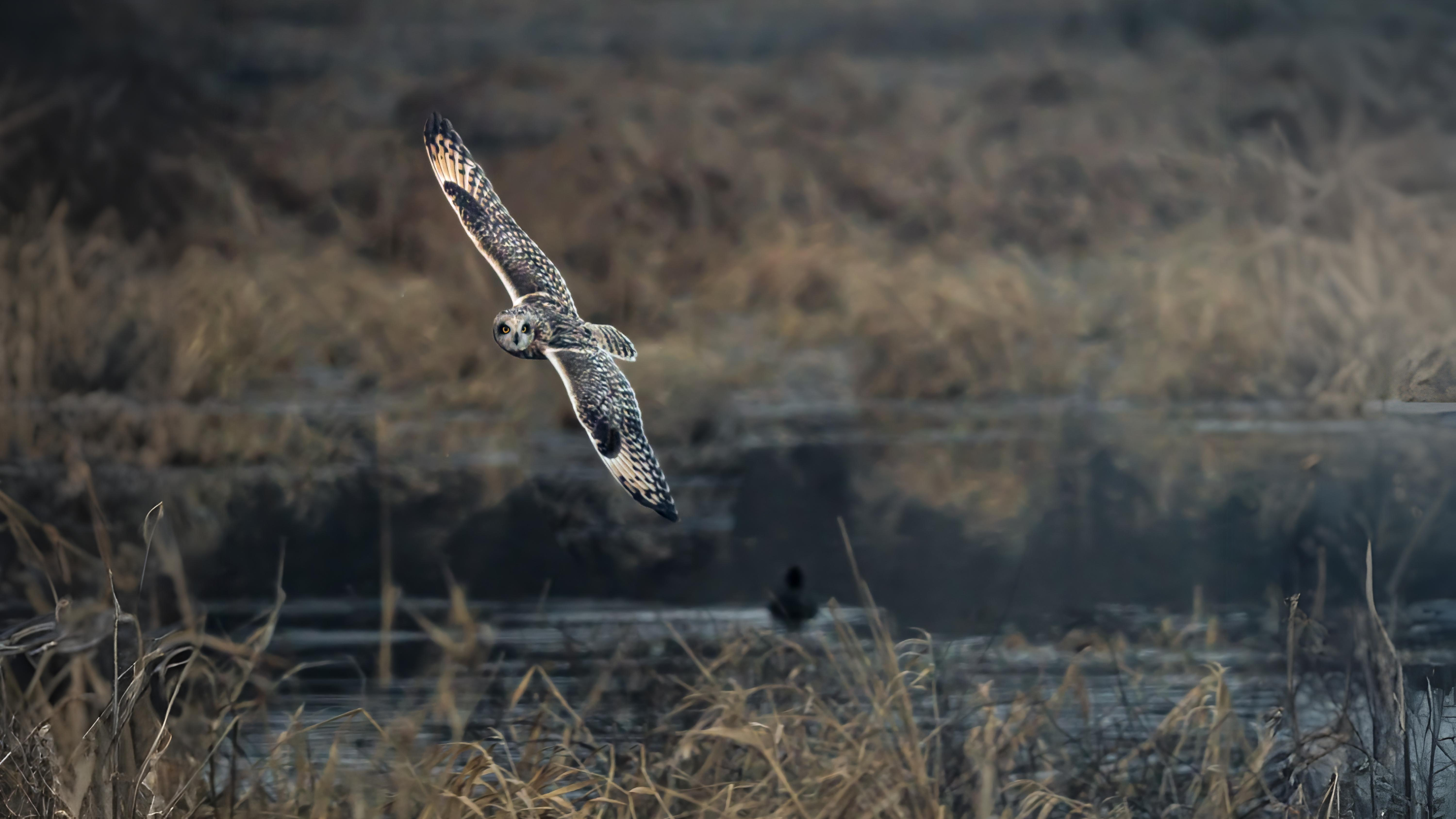
More rarely a goshawk or a Montagu’s harrier is also spotted. The birds of prey much more likely to be seen this month are either a passing merlin, buzzard or peregrine falcon. This is also the month when short-eared owls, which probably nested in Scandinavia, arrive here for the winter. A few of these stragglers visit places such as Rainham marshes and the more remote areas of rough grassland along the sides of the estuary. The best time to look for them is early evening on days when there is a full moon.

03-Oct October's Feathered Friends Section Image

03-Oct October's Feathered Friends Section Image

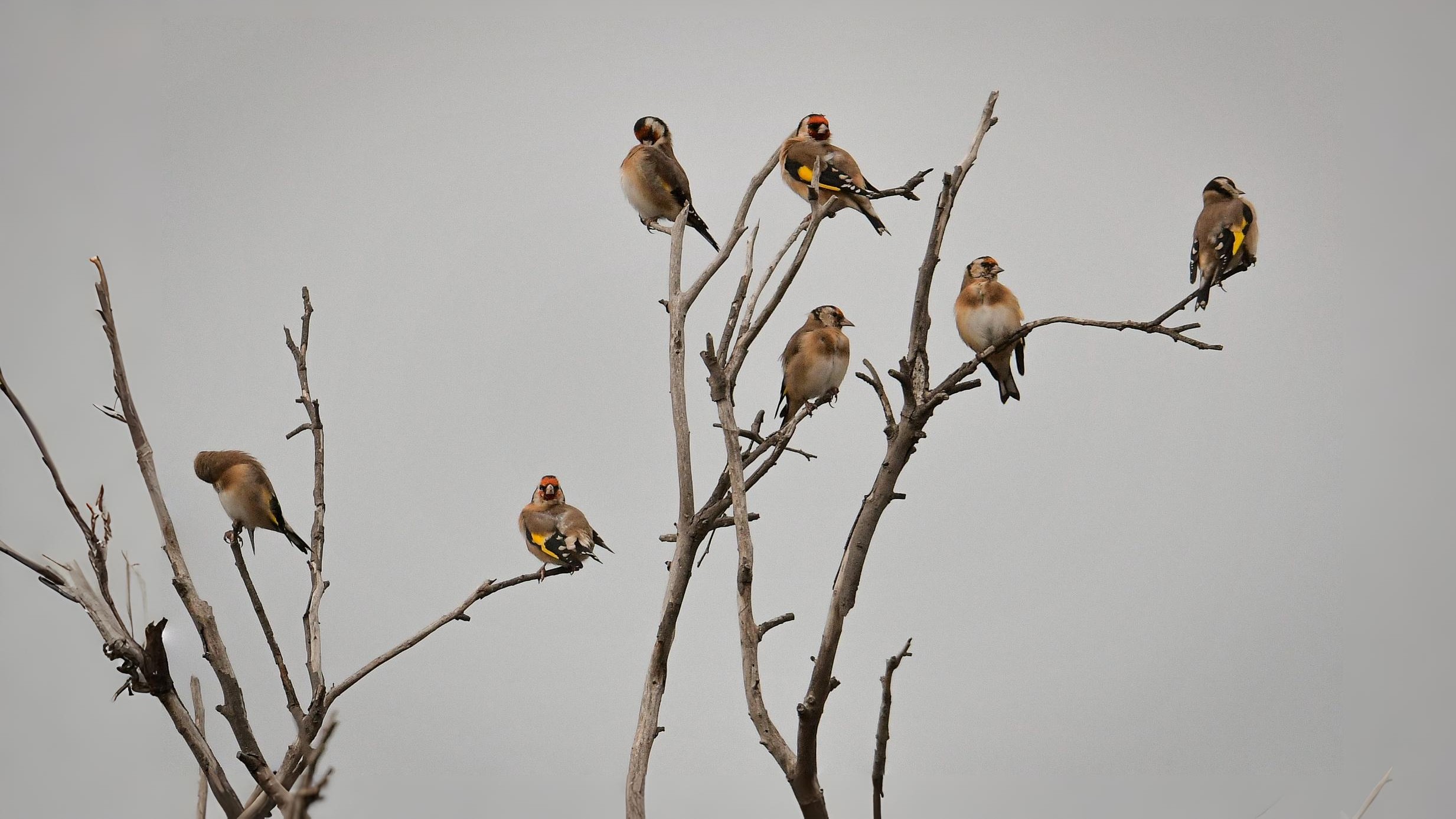
Besides raptors, there is a whole host of other migrants flying over the city. Blackbirds and goldcrests arrive in small discrete parties whereas starlings and woodpigeons can arrive in thousands. Immigrant flocks of finches are among the most attractive. Linnets should also be looked for. They are still with their rose-coloured chests and any goldfinches around are attracted to thistles and teasels in such places as Wanstead flats.

03-Oct October's Feathered Friends Section Image

03-Oct October's Feathered Friends Section Image

In the region of thirty different birds inhabit London’s gardens and October is a good month to examine all of them more closely. Many of the robins, blackbirds or thrushes may not be residents but recently arrived migrants from other parts of Europe. Some of them look slightly different and all of them are usually more shy than our resident birds.

03-Oct October's Feathered Friends Section Image

03-Oct October's Feathered Friends Section Image

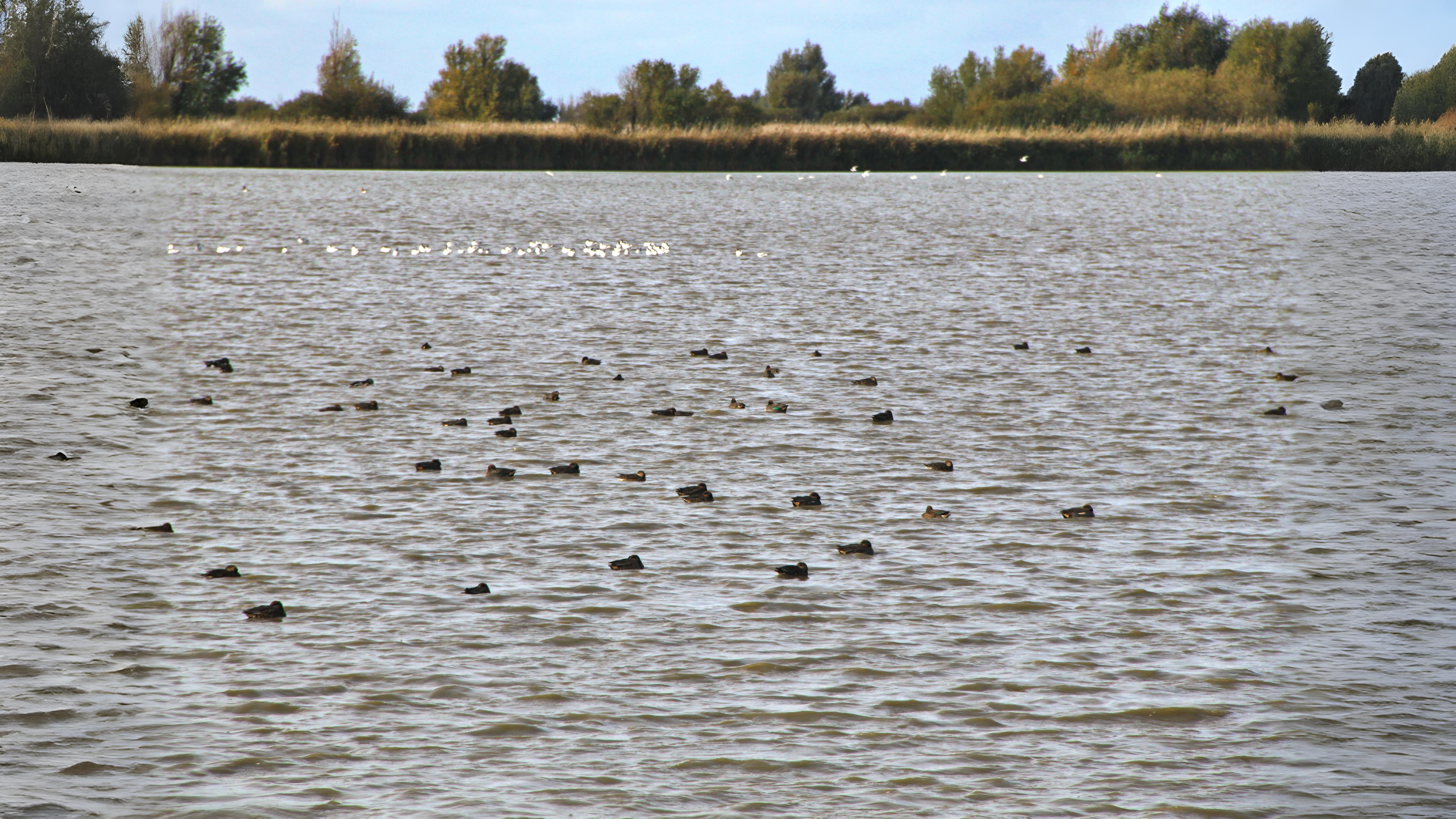
Other habitats such as reed beds and tidal mudflats often seem almost devoid of birds, except for a few mallards, coots and gulls. Other birds are still hiding and may possibly still be flightless as they are still moulting. With patience, small parties of recently arrived shovellers, teal and tufted ducks may well be seen.

03-Oct October's Feathered Friends Section Image

03-Oct October's Feathered Friends Section Image

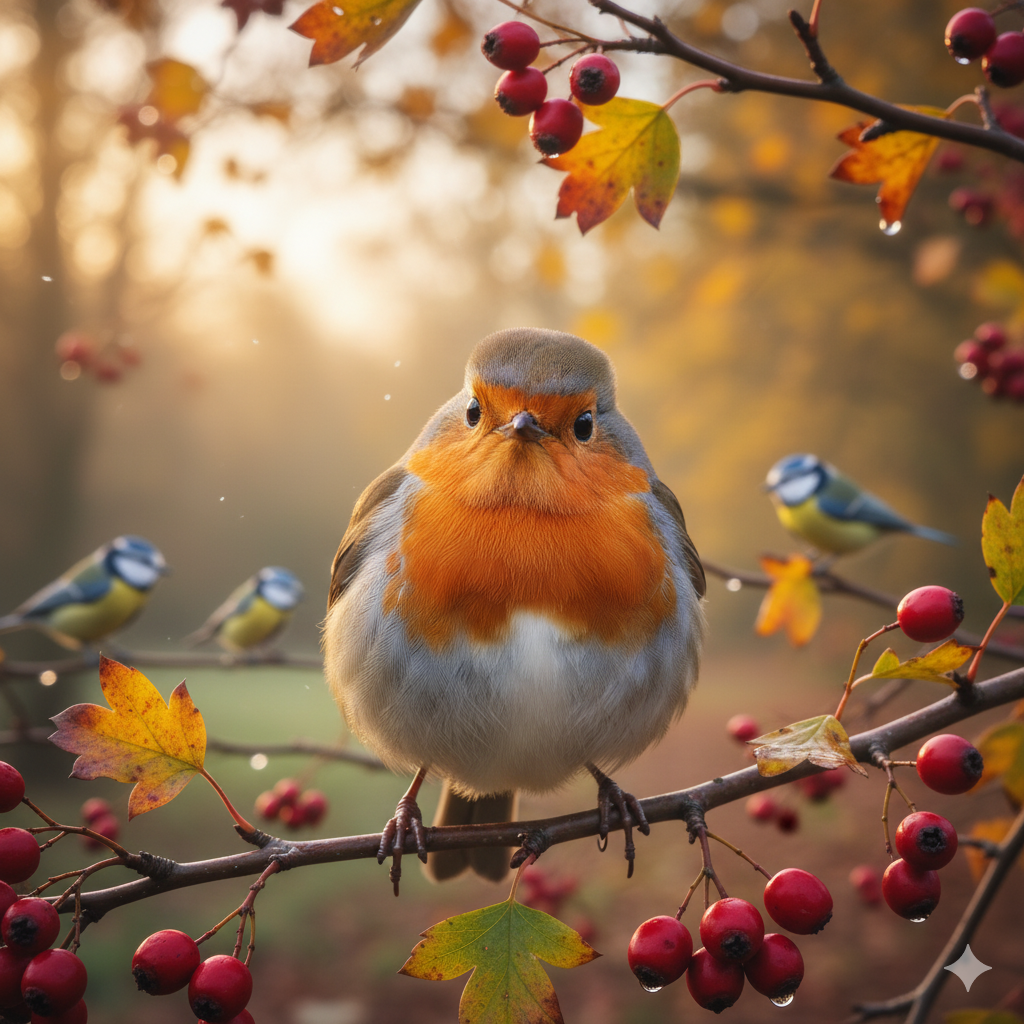
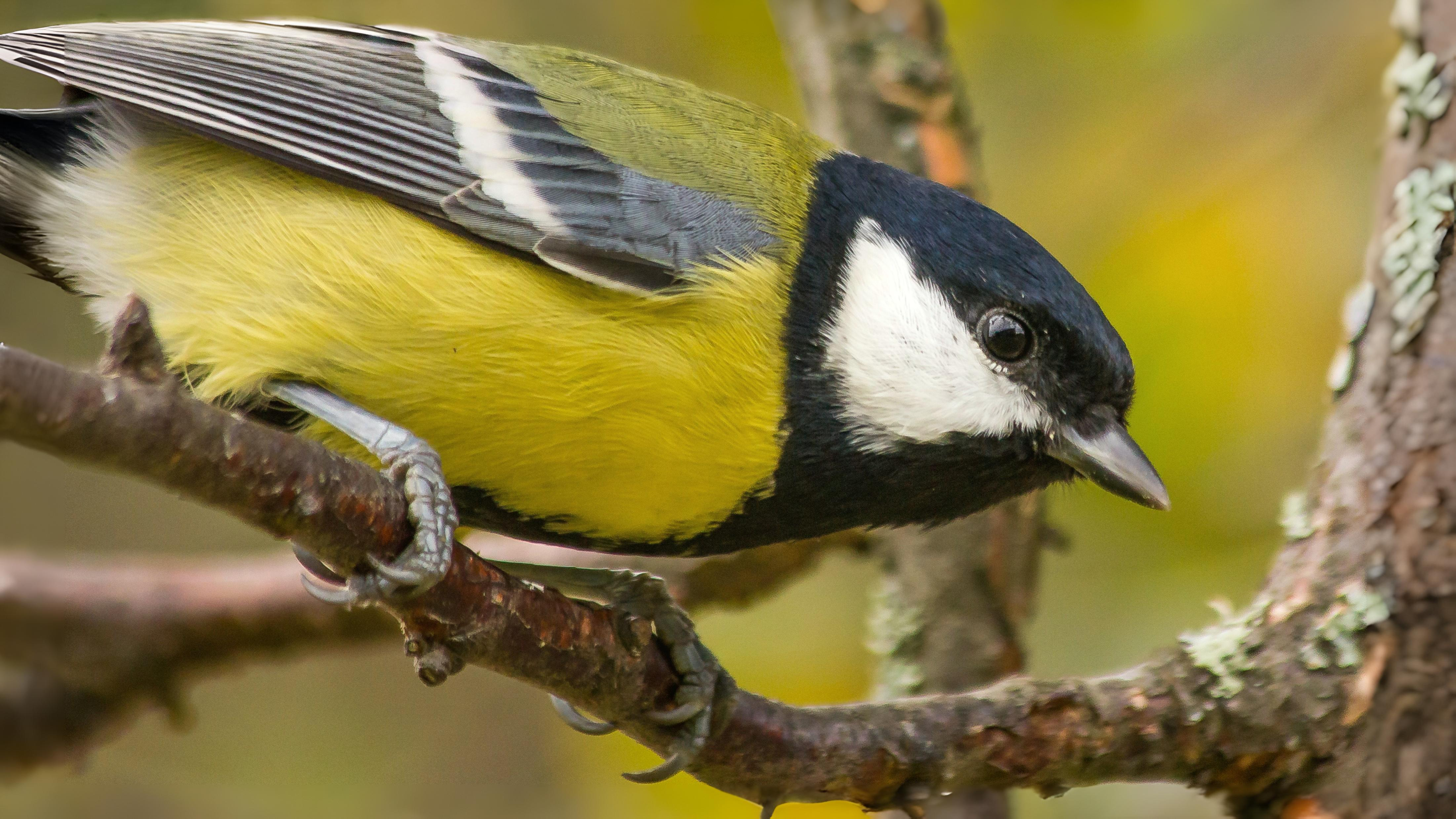
In woods, mixed flocks of tits are often heard yet not immediately seen. Most vocal among them is the great tit, resplendent after his moult with his black crown, white cheeks, blue, olive and white wings and sulphur yellow chest. Any blue tits are now equally eye-catching with their cobalt blue caps and lemon waistcoats. Any coal tits in the flock are less noticeable, being just black and white except for their juveniles which have yellow cheeks and napes. Pink long-tailed tits may also be present with their long black tails edged in white piping. Marsh tits and willow tits as already mentioned are rarer and less human friendly and so are seen far more rarely.

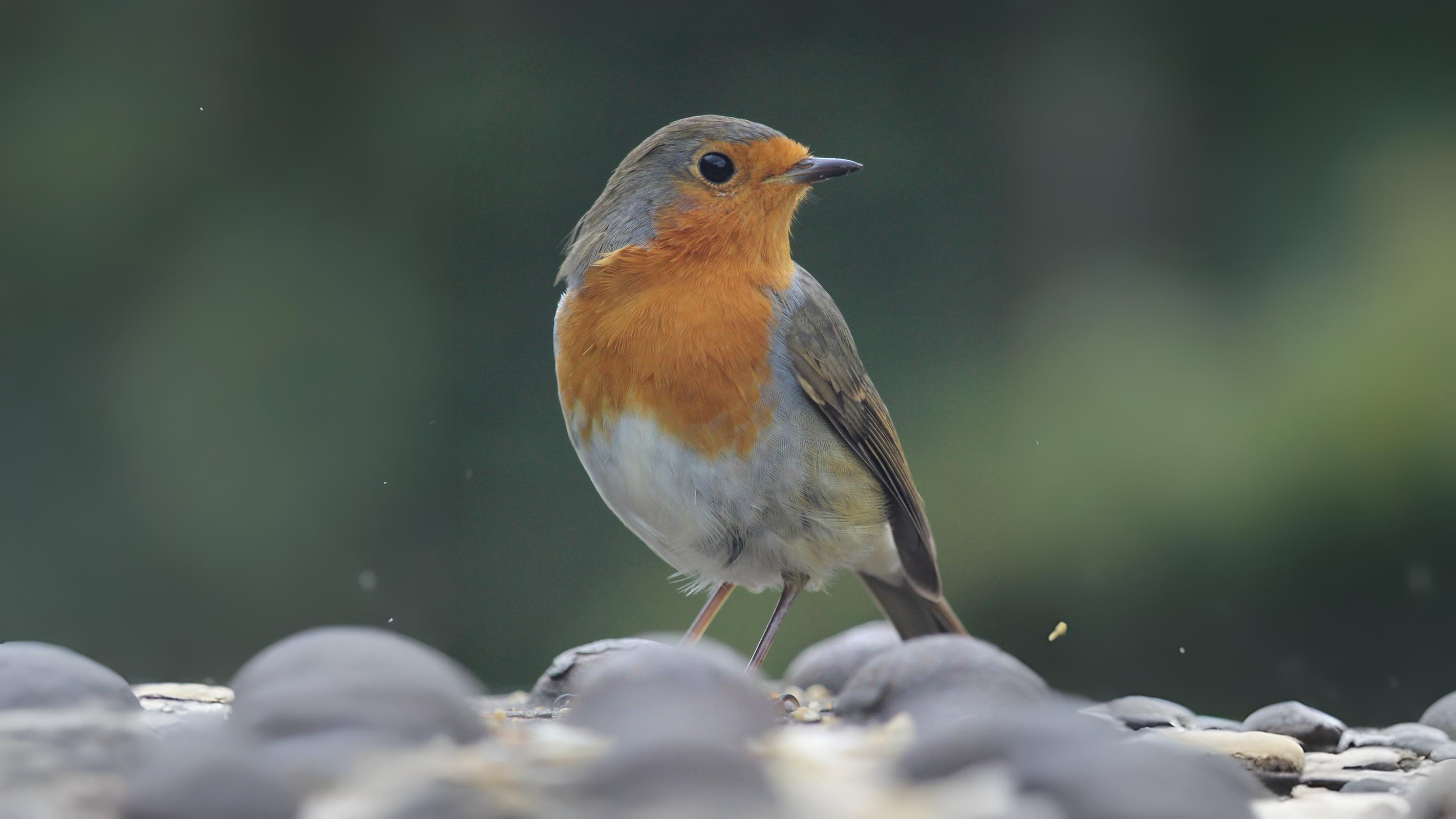
Nesting now is all but over except perhaps for woodpigeons which may still be feeding their young. Sparrows are notorious for encouraging any lingering house martins to leave their nests so that they can move in. Other birds such as robins and blackbirds have already started marking out their winter territories. Robins may have already driven away their females and will not allow them back into their territory for the next three or four months. The robin that is left is still our most reliable singer, pausing only to stop and look at us with a questioning look, its head leant to one side and its beady eye looking straight at us.
03-Oct October's Feathered Friends Section Image

03-Oct October's Feathered Friends Section Image

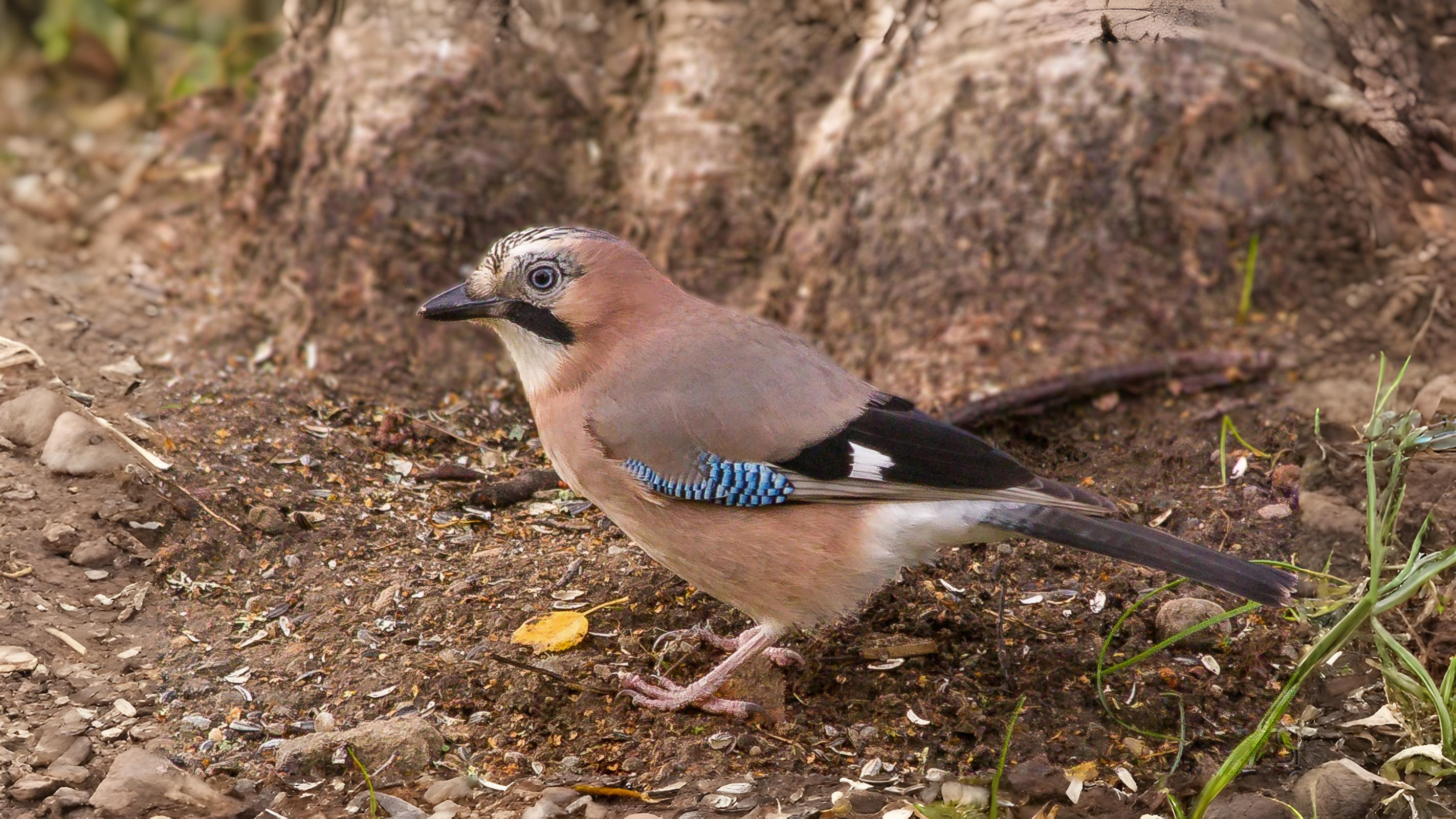
Often the birds we notice in October are feeding on the autumn harvest all around us. Many show marked preferences for particular fruits and seeds which are now available. Woodpigeons are notorious for eating so many acorns their crops become almost solid. They are also often seen in cherry trees, silently and systematically devouring the cherries. Jays like acorns, their latin name Garrulus glandarius even translating as the noisy bird that eats acorns.

03-Oct October's Feathered Friends Section Image

03-Oct October's Feathered Friends Section Image

It is thought black-headed gulls also ate acorns till they decided to scavenge on rubbish left by humans instead. Finches and tits prefer seeds and seem especially fond of thistles, ragworts, teasels and knapweeds in the wild and sunflowers in our gardens. Linnets seem to prefer crucifers such as charlock and shepherd’s purse.

03-Oct October's Feathered Friends Section Image

03-Oct October's Feathered Friends Section Image

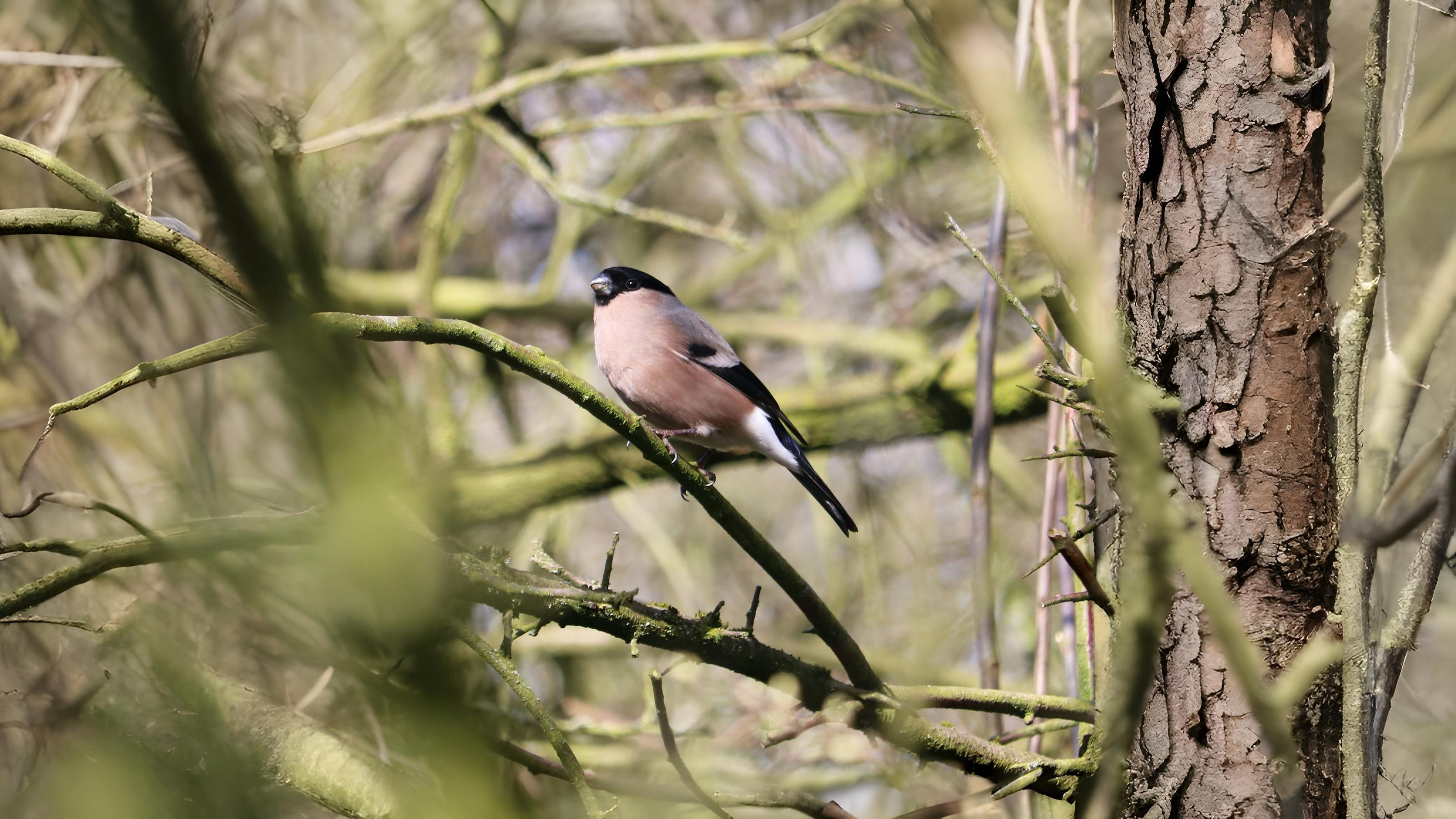
More garish-looking fruit such as bryony, guelder rose and bittersweet seem so far to be left alone this month in favour of rosehips and hawthorn berries. Thrushes and blackbirds can often be seen fighting over rowan berries. The fussiest eater is probably the bullfinch with its well known preference for young, fresh ash keys. He and his ever-present wife are even tempted into gardens and parks at this time of the year to find them. Being notoriously shy, it is usually only two white rumps we see disappearing from the ash tree. If ash keys are not common they are said to be equally fussy about Clematis seeds as well as privet berries.

03-Oct October's Feathered Friends Section Image

03-Oct October's Feathered Friends Section Image

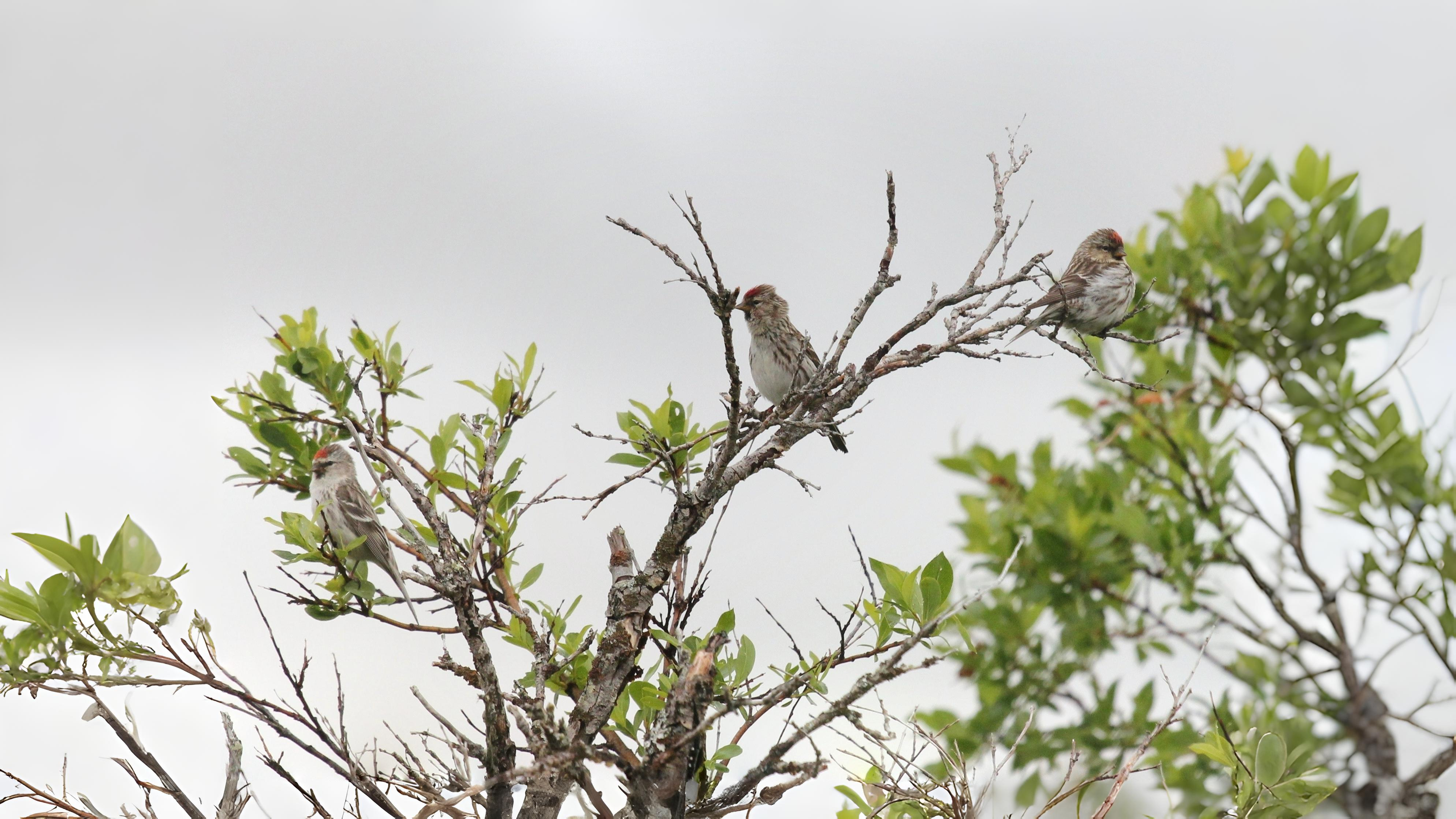
Harder hazel nuts and marble galls even attract chaffinches, tits and any recently arrived bramblings which tap away at them to extract their contents. If any fragments of birch catkins are found under the trees with seeds split open it is worth keeping an eye out for redpolls or siskins which are greatly attracted to them.

03-Oct October's Feathered Friends Section Image

03-Oct October's Feathered Friends Section Image