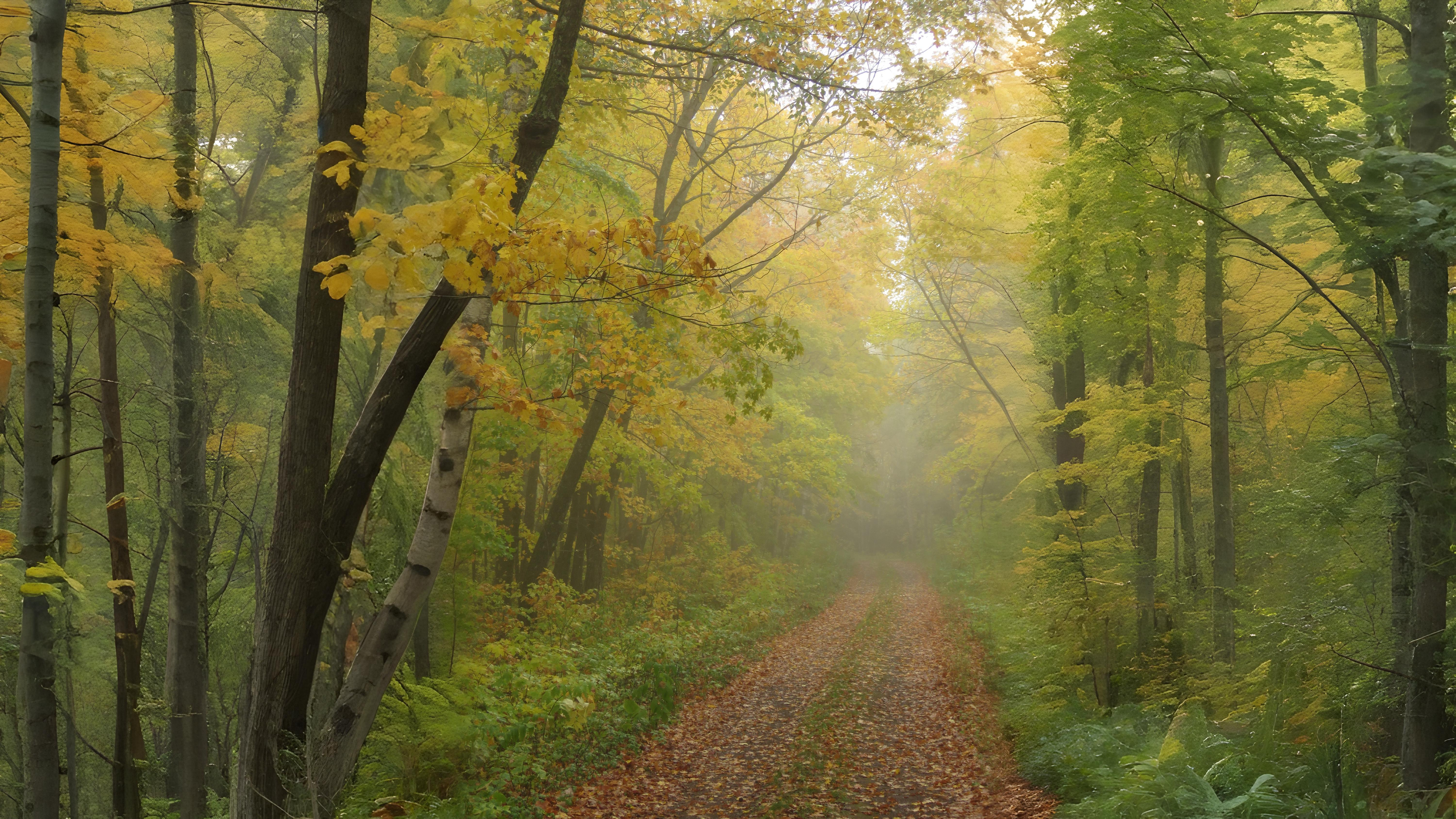
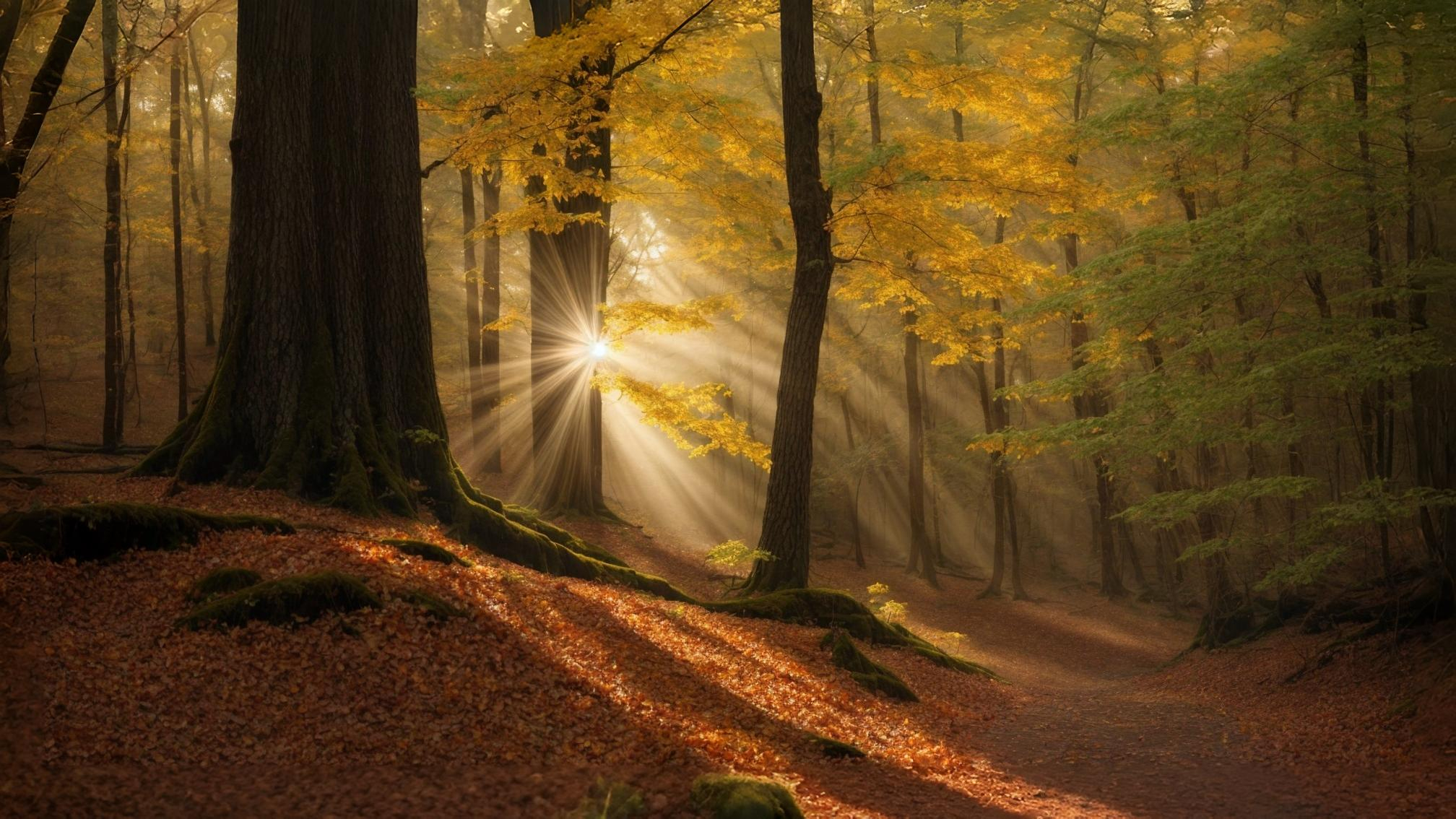
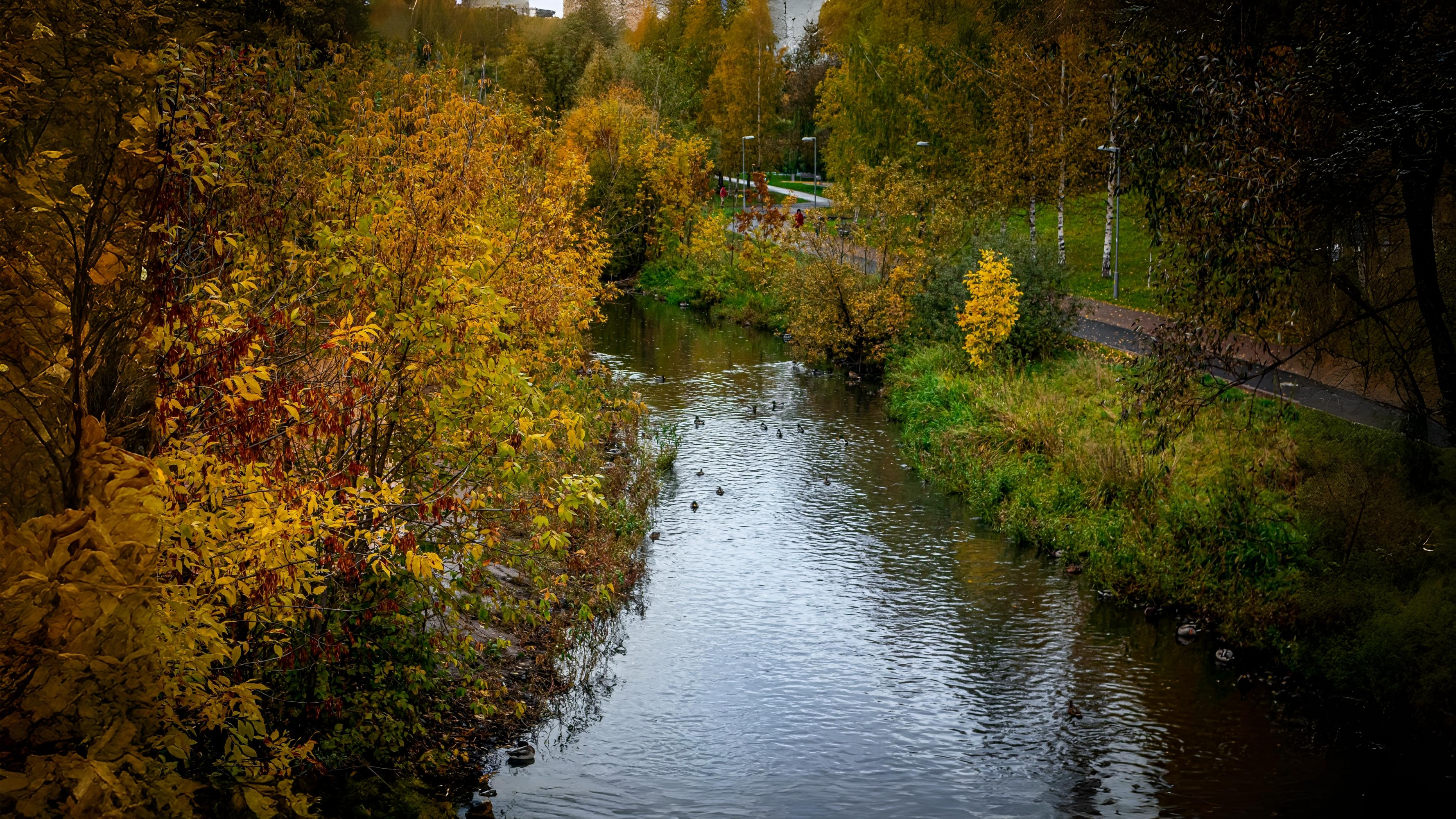
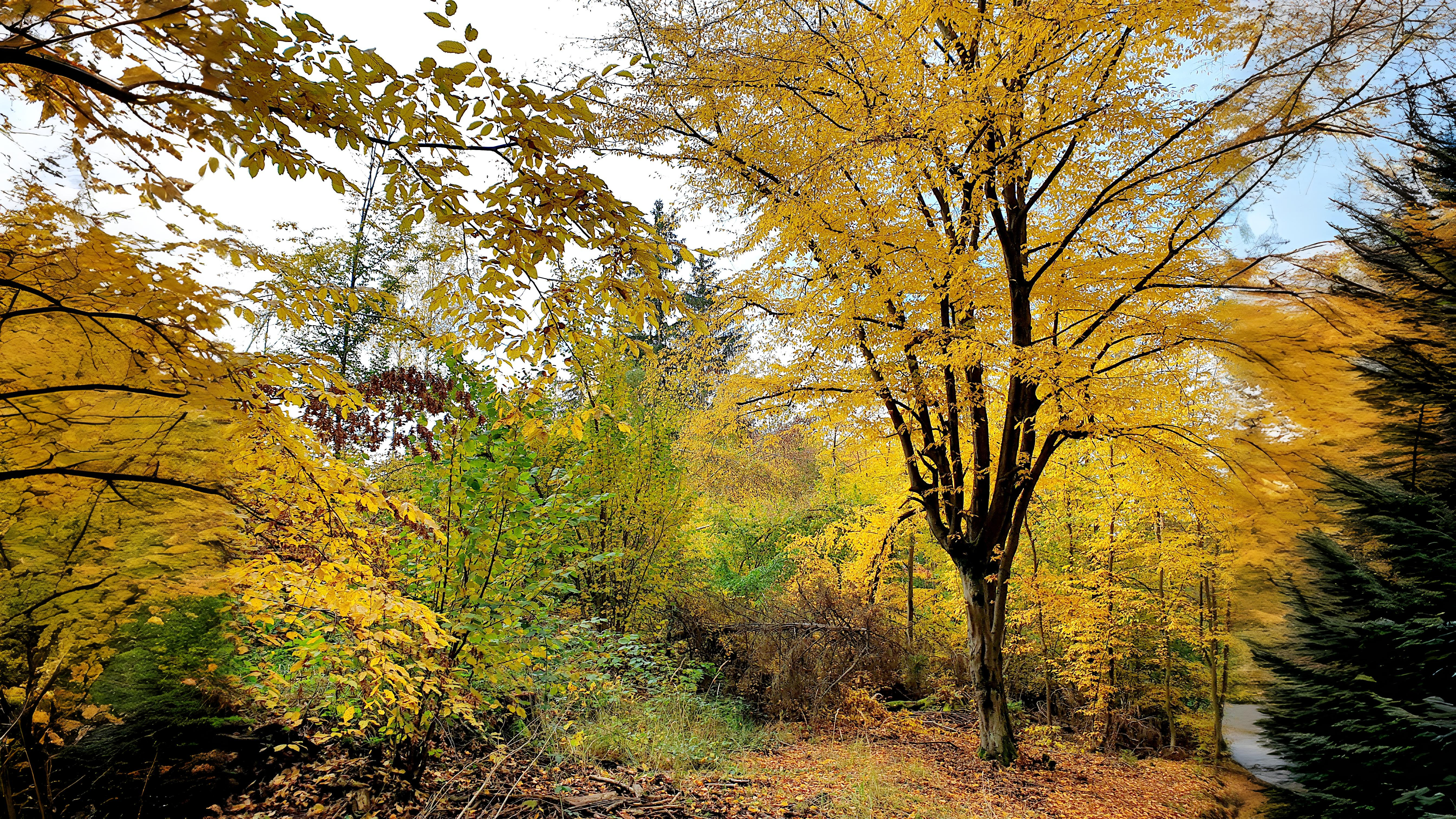
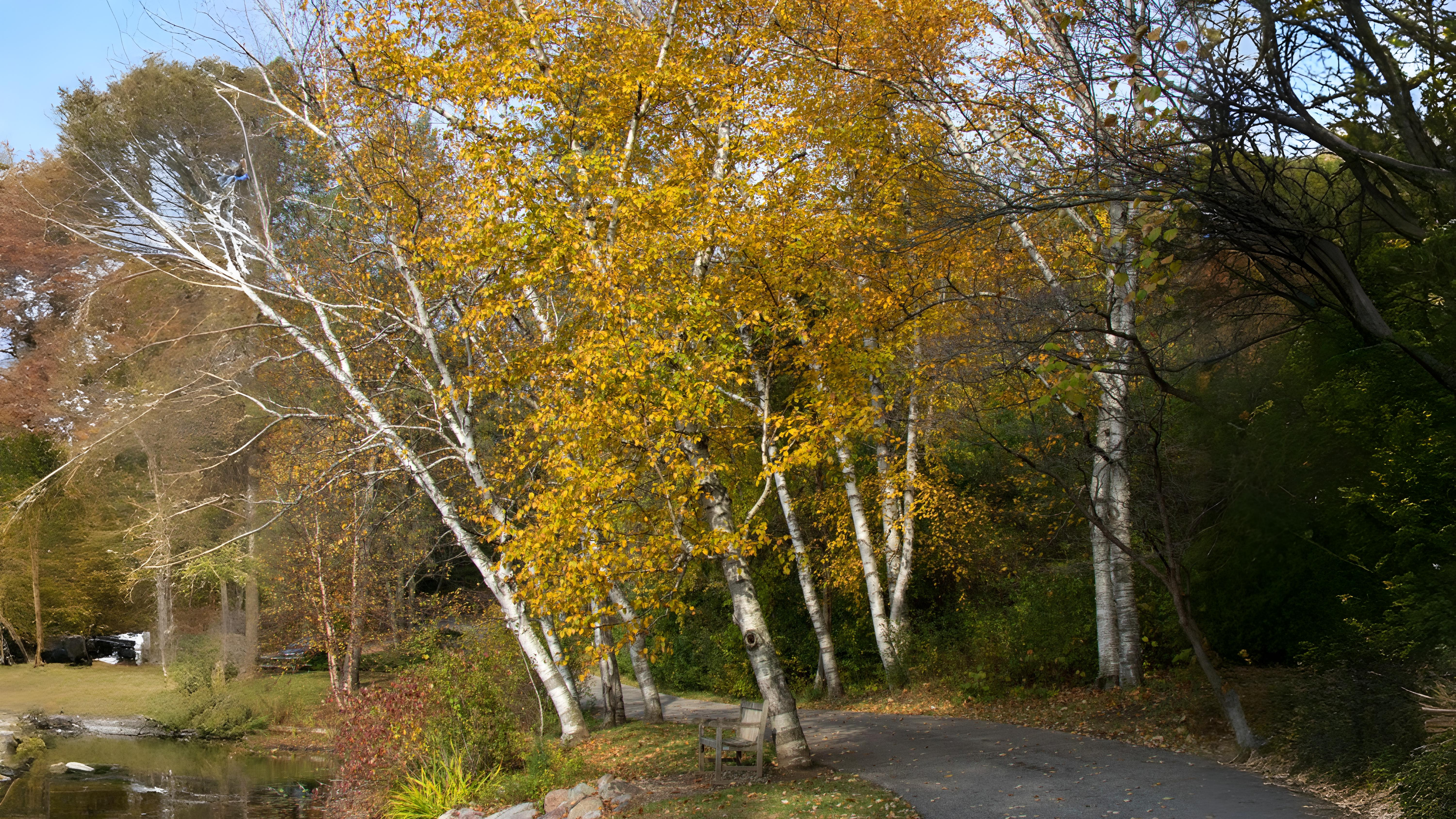
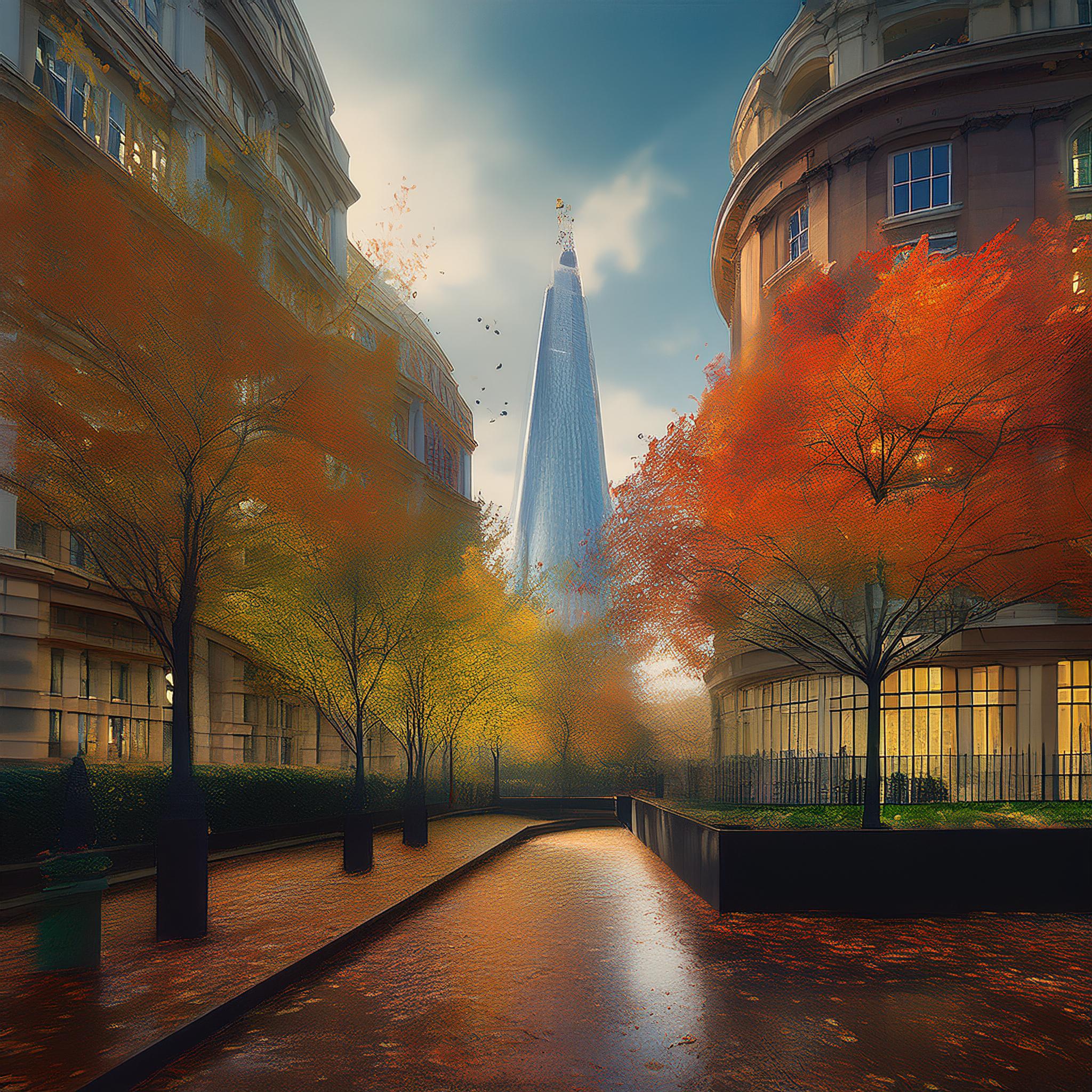
October marks the true beginning of London’s spectacular autumn display. While Japan, Korea, and North America may be more famous for their “fall” colours, London’s streets and parks rival them thanks to the city’s diverse collection of trees from around the world. From buttery golden maples to fiery red sumacs, bronze-tinged ashes to turmeric-hued hornbeams, every week brings fresh transformations. Even within the same species, subtle differences in light, age, and health create endless variations of yellows, reds, browns, and purples. Early October offers the first real glimpses of this kaleidoscope, with colours shifting rapidly as the days shorten. Whether strolling through Hyde Park or simply down your local street, now is the perfect time to watch London’s trees burst into life.
Article
Tree Colour in early October
Now at the beginning of October the greatest colour show of the entire year begins. It may not be as celebrated as the ‘fall’ colours in Japan, Korea or North America but London holds as diverse a collection of trees from the temperate world as pretty well anywhere else. Consequently, the streets of London are just as good a place to look for autumn colour as are its parks and gardens. This is because so many of the better coloured tree cultivars are preferred for street planting giving residents more all year round interest. As the month progresses every conceivable shade of yellow, brown and red will be seen compared with the vibrant greens so typical of spring and the bright tropical colours of the summer. After a relatively slow start in August and September, from the first week of October colours change ever more rapidly, usually peaking in the third week of the month.
The age, aspect, health and even proximity of a tree to water can all play a big part in the way it develops its colours. This explains why trees of the same species growing near each other can differ so radically. Londoners are always planting their trees in semi-shade and then complaining about poor colour performance. A warm, sunny summer ensures the high sugar levels in the leaves so necessary for good pigment production. Calm weather can slow down leaf fall leading to less thinning later in the month and therefore a longer display.
Frost is well known for adding an extra brilliance to some leaves as well as bringing out the reds more. Any change in leaf colour often comes a little earlier in central London compared with the suburbs so it may be worth visiting somewhere like St James’ park or Hyde park early on to get a glimpse of what may lie ahead. The ideal time to enjoy autumn colour is either at dusk or dawn when any reds are enhanced by the sun. A blue sky above gives an ideal contrast and a slight wind may cause the leaves to rustle, possibly giving some added pleasure.
At the beginning of the month there is still little change in local oak and beech woods, although wild birch trees may be starting to turn yellow and wild ash trees are getting a little paler. Mixed deciduous woods are also still very green but the hornbeam woods in North London are beginning to turn a distinct turmeric colour as are the endless fastigiate forms of this tree Carpinus betulus ‘Fastigiata’ planted in London’s streets. The cherries, red horse chestnuts and Persian ironwoods that started changing last month are getting ever more colourful and crab apples as well as some poplars are becoming noticeably more dappled. Any small colour changes in laburnums and whitebeams as yet tend to go unnoticed. It is mainly foreign trees that catch our eye especially maples, sumacs and hawthorns as well as the Claret Ash Fraxinus angustifolia ‘Raywood’ and Snowy Mespil Amelanchier laevis.
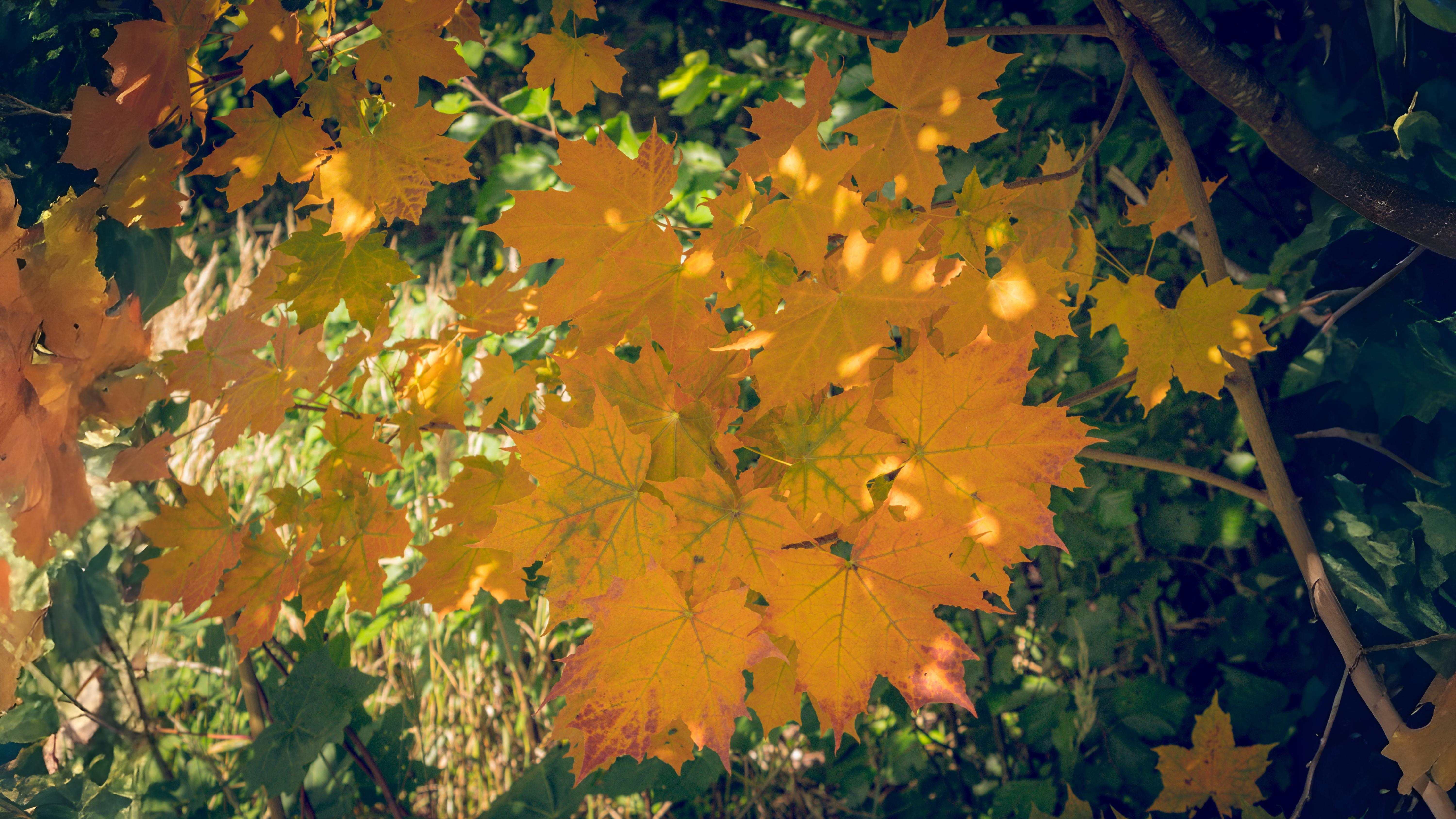
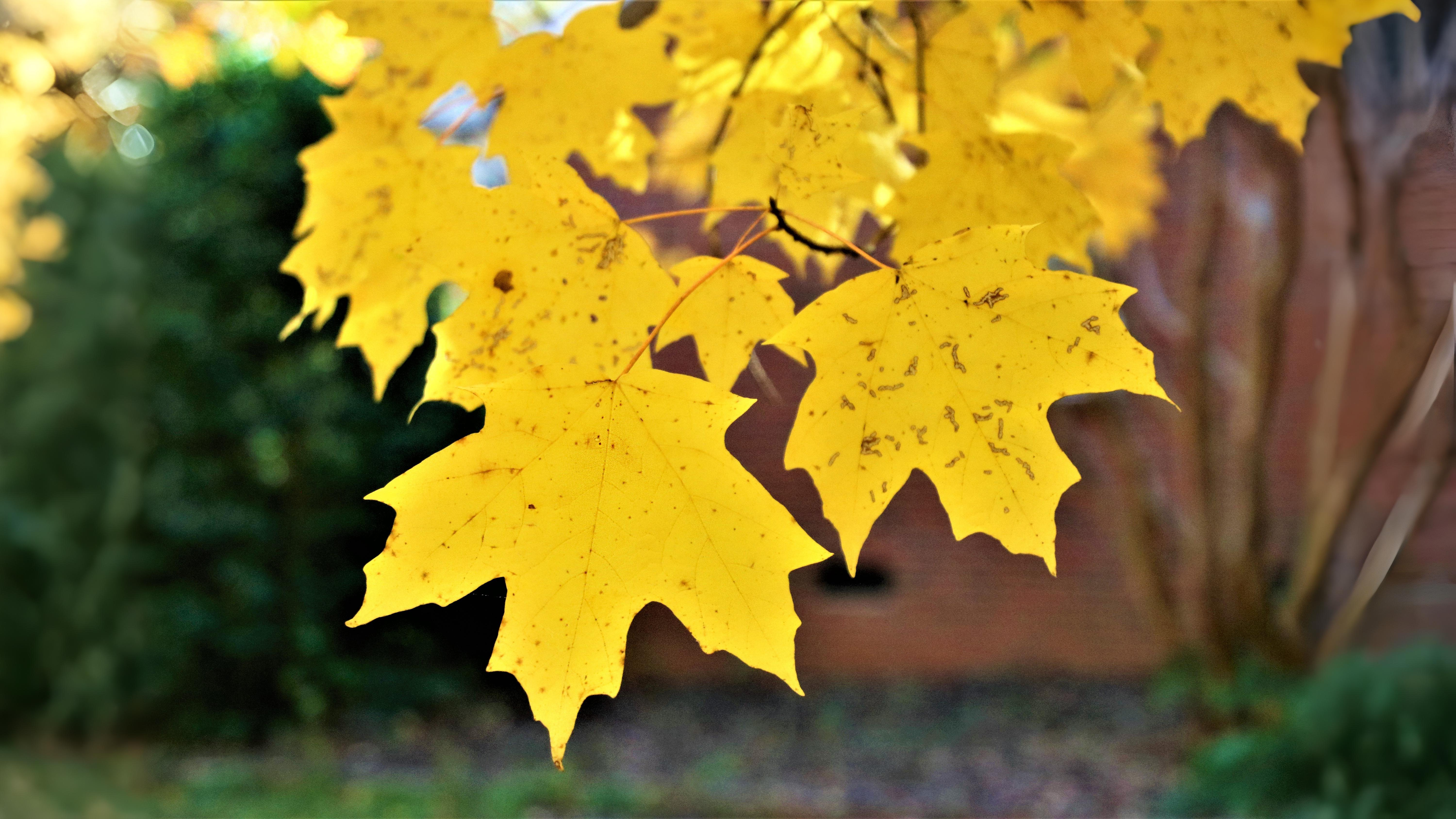
Now is a particularly good time to look at maples, especially the larger ones. Two of the most common are Sycamores and Norway maples. Both are wild European species and neither colour that well. Fortunately, their cultivars do and consequently can be found all over London e.g. Norway maple ‘Crimson King’ and Sycamore ‘Atropurpureum’. Our only wild native maple, although not in Scotland or Ireland, is the Field maple Acer campestre. It is its cultivar ‘Louisa Red Shine’ that causes such excitement when planted in streets but the old veteran wild field maples in places like Epping forest and the champion tree near Chevening church put on a grander show, slowly but eventually completely turning a sunshine yellow. Other larger maples to look out for in streets are the Red, Sugar and Silver maple as well as the smaller Japanese maples in gardens.
Interesting collections of maples can be found in Cannizaro and Syon park. Arguably the best of all at the moment is often the Golden Cappadocian maple Acer cappadocicum which, considering its large size, is still common enough in London’s streets. It hales from the mountainous region of Turkey bearing the ancient name of Cappadocia. Like the Field maple it turns completely yellow, but in this case a dramatic butter yellow. Being a much bigger tree it has far more impact as well as having attractive ‘eagle claw’ leaves.
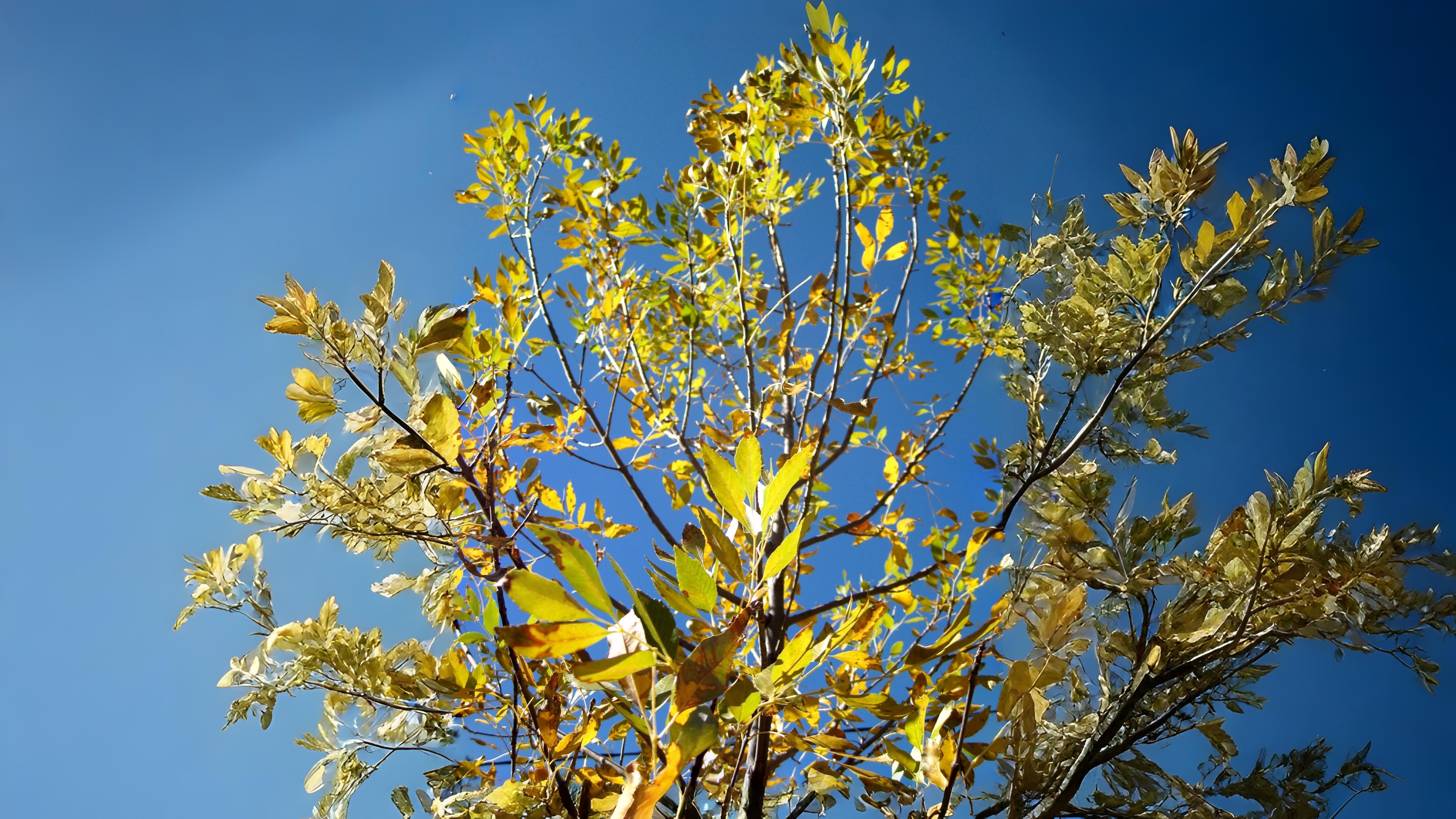
Claret ashes are now noticed for a short time all over London. This is because their purple leaves have a distinct bronze sheen. This tree has been toasted as a good street tree as its leaflets are too small to block drains, its other habit of dropping entire branches seemingly having been ignored. Other purple-leaved trees such as purple beeches and the purple form of myrobalan plum also now, for a short time, develop more intense and darker purples before browns creep in and they quickly start to fade.
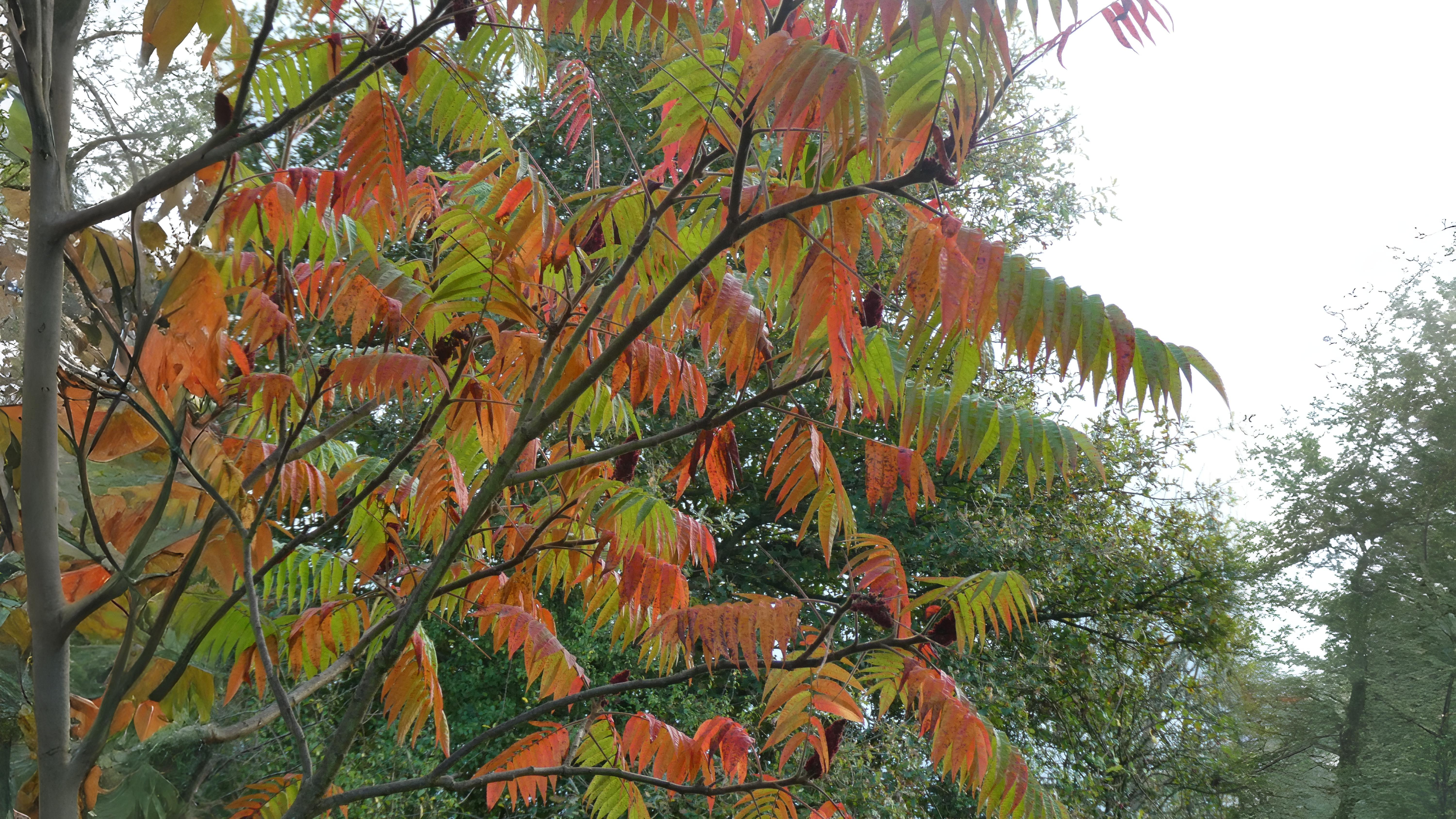
Stag’s horn sumacs are probably the most noticed of all the colourful trees at this time due to the wide range of fiery reds and yellows they produce on their huge, highly dissected leaves. It comes as some surprise that these colours have been exciting comment since 1629 when the tree was first brought to London by John Parkinson. He had a famous garden in Long Acre and became King’s Botanist to Charles I. Snowy mespils, also coming from North America, look like large, multi-stemmed shrubs. They are popular because of the wide range of milky reds and oranges they produce. They also have a surprising number of other names e.g. service berry, sashatoon and juneberry because of their fruits and shadbush and shadblow because they flower during the ‘run’ of shad fish which occurs in the area from which they originate. Surprisingly no name refers to their marvellous autumn colours, snowy mespil referring solely to the colour of their flowers.
Two other large shrubs that usually stand out early in the month are the Cockspur thorn Crataegus crus-galli and the Broad-leaved Cockspur thorn C. prunifolia. They develop some of the most unusual of all colour patterns. It is as if some leaves have been dipped in green, yellow and then scarlet paint producing clear, horizontal bands of each colour on a single leaf. Around all this developing colour there will be white ashes and common horse chestnuts that are already almost leafless. Foxglove trees are also quickly losing their huge leaves just leaving their unusual upright fruits, while magnolias, willow and alders are as yet completely unchanged.