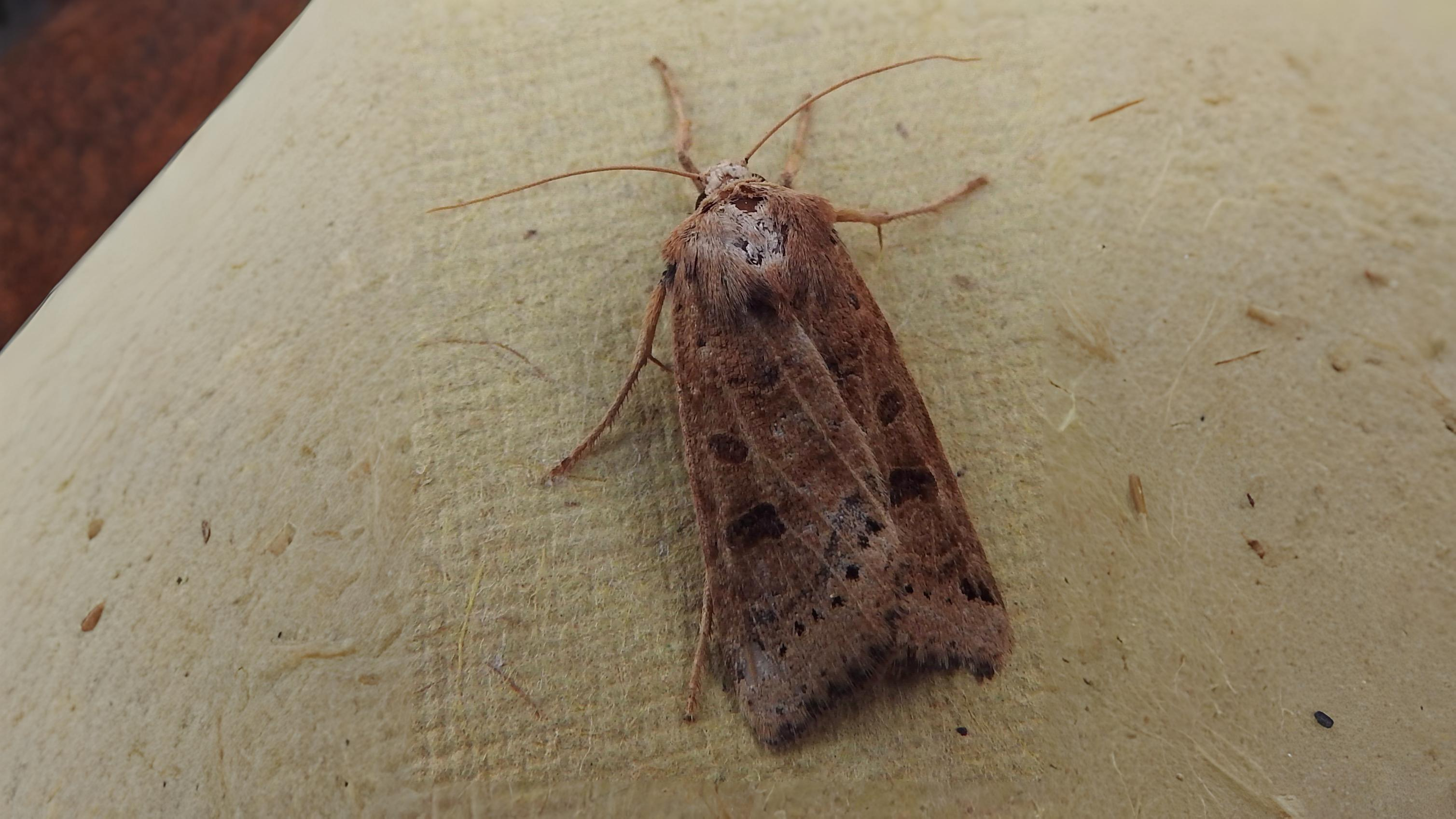
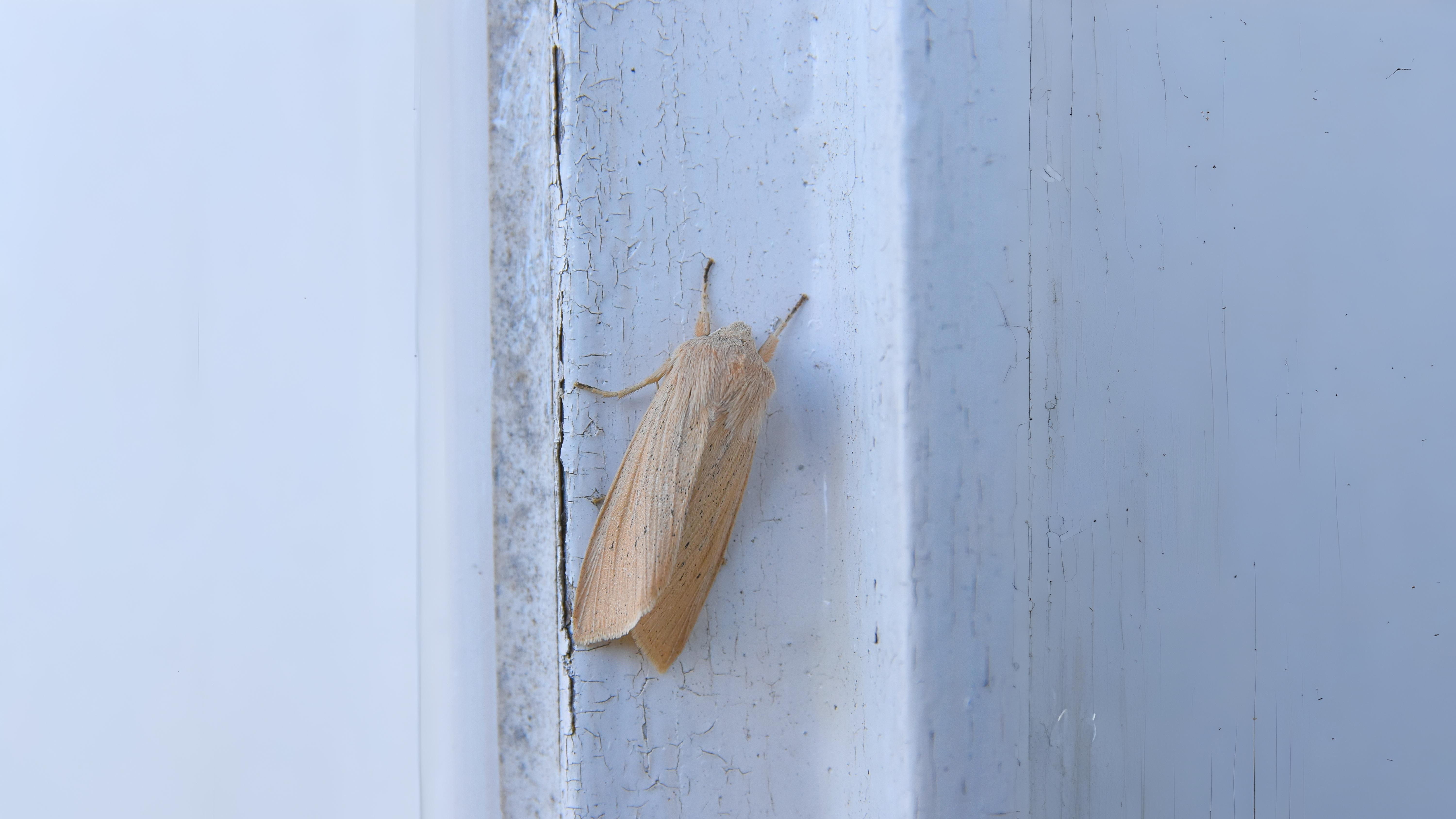
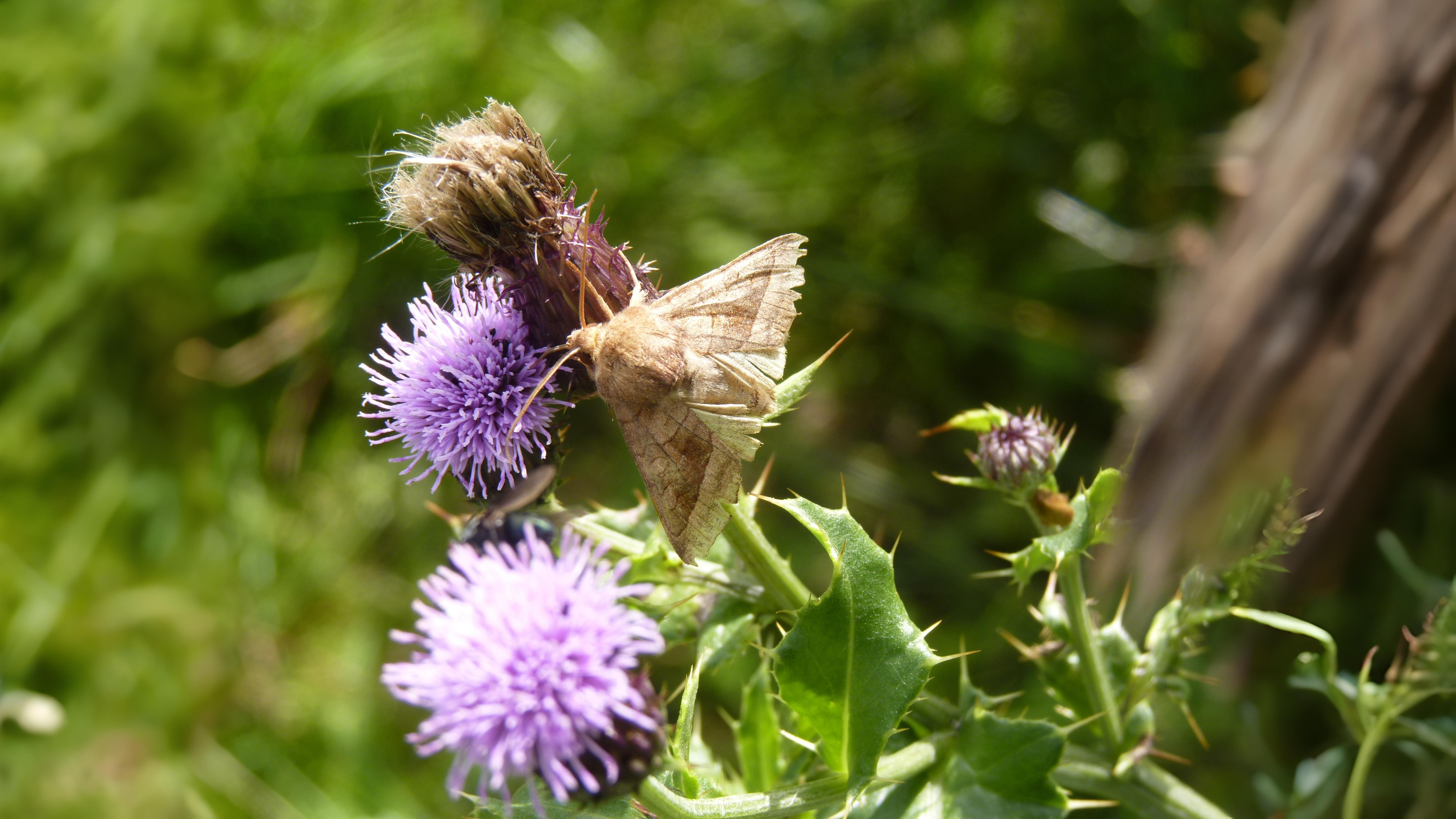
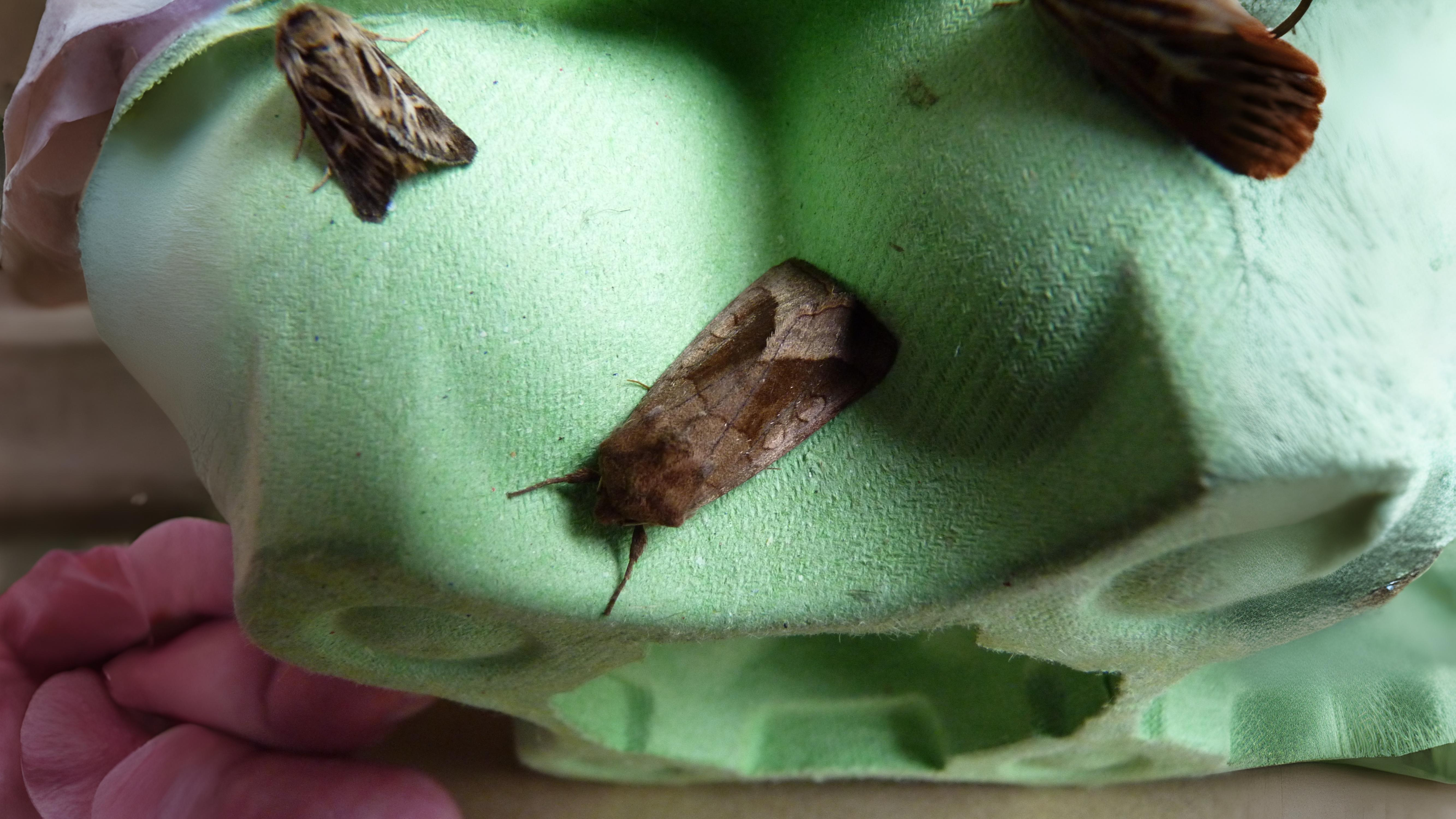
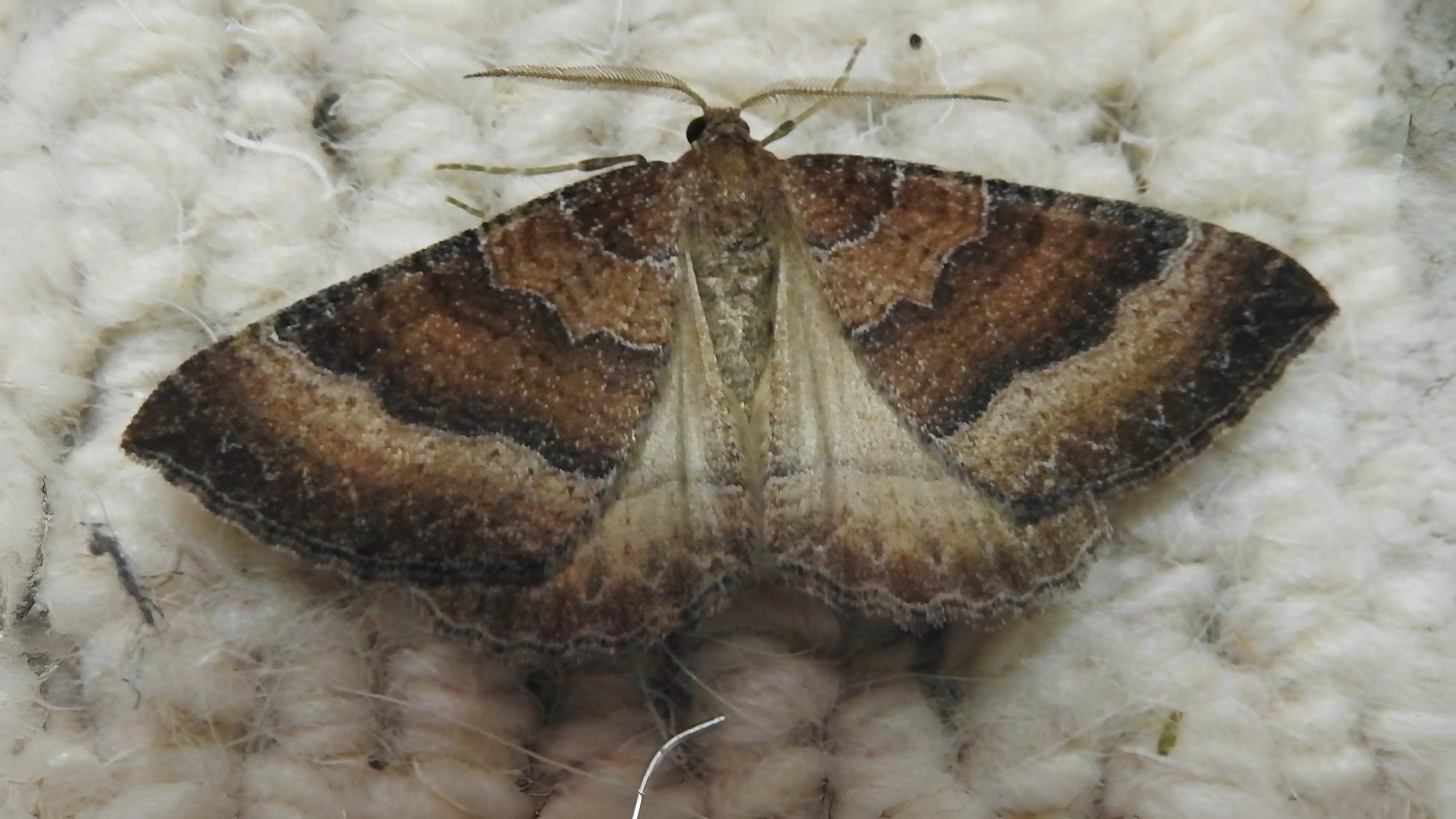
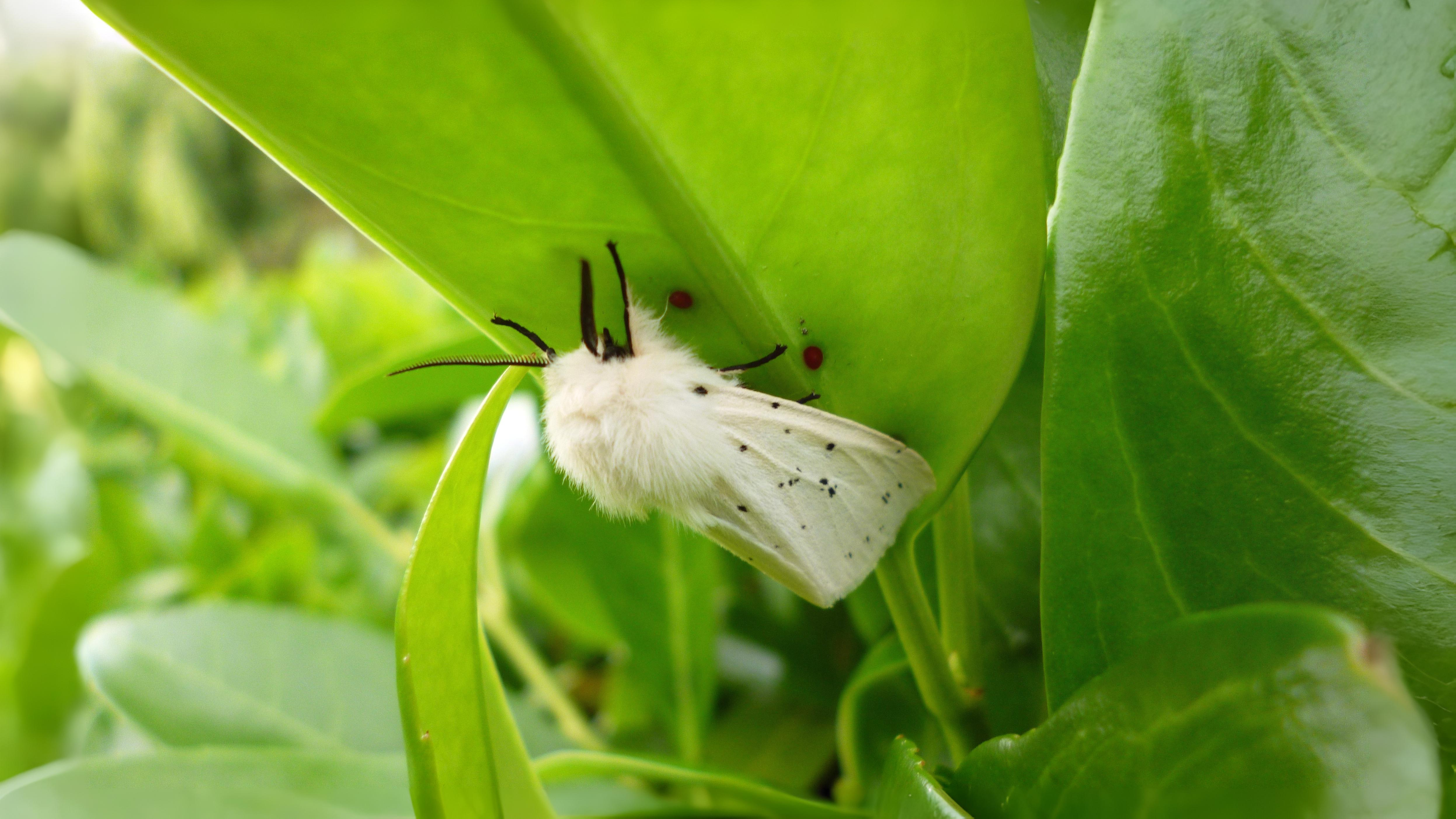
As September draws to a close, the diversity of moths is dazzling. From the emerald Brindled Green to the fiery yellows and oranges of the Sallows, the month is painted with colour. The Canary-shouldered Thorn glows with its bright thorax, while the Copper Underwing flashes copper brilliance when disturbed. Marshlands hide the Wainscots, ivy flowers attract Quakers with their crisp wing-lines, and the Pearly Underwing shimmers like mother-of-pearl. Some, like the Sword-grass, disguise themselves as twigs, while others, like the Brown-tailed moth, are remembered more for their rash-inducing caterpillars than their appearance. With such variety in form, pattern, and behaviour, September proves itself a feast for the night-time observer. Return on September 30th to discover the full spectrum of moths at month’s end!
Article
Moths
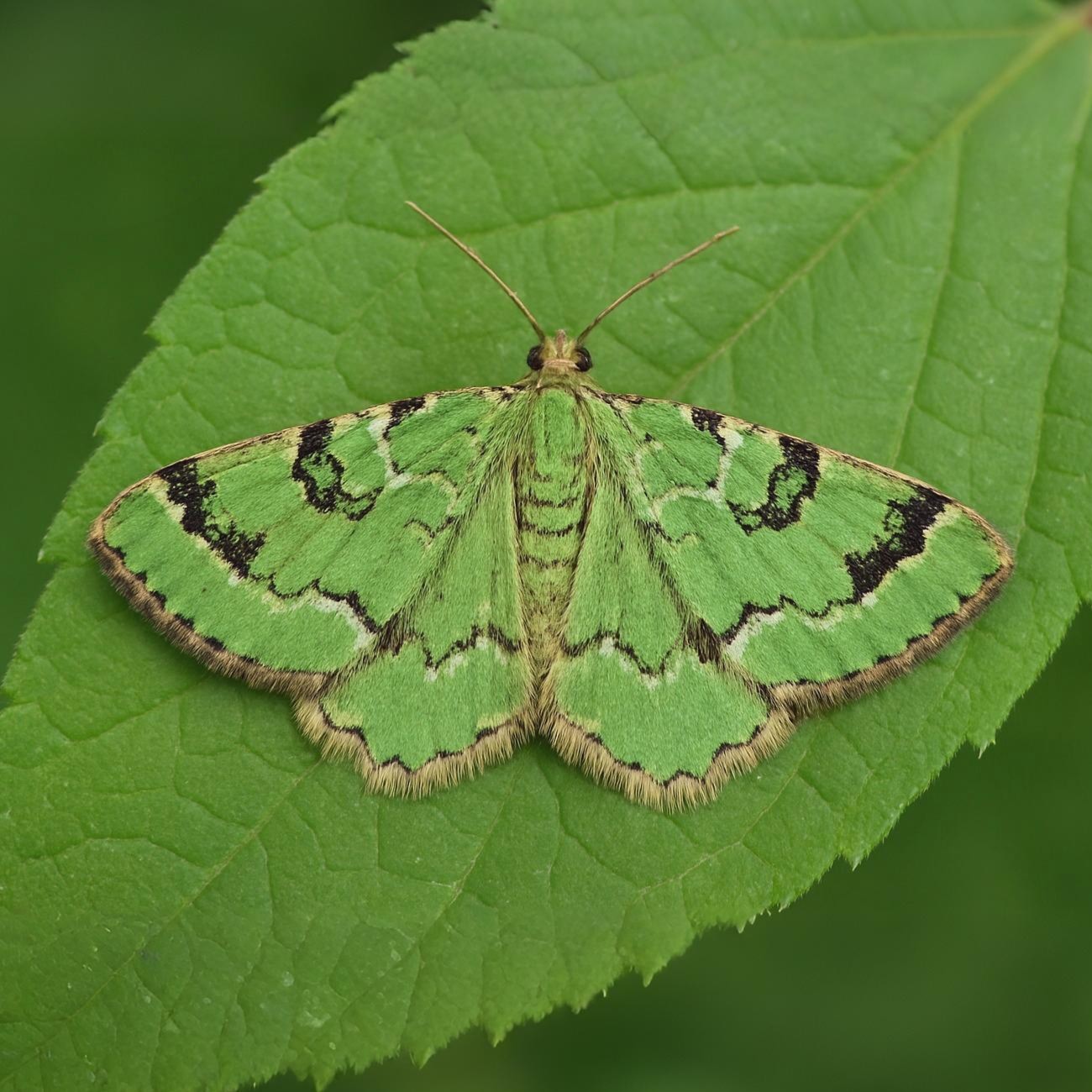
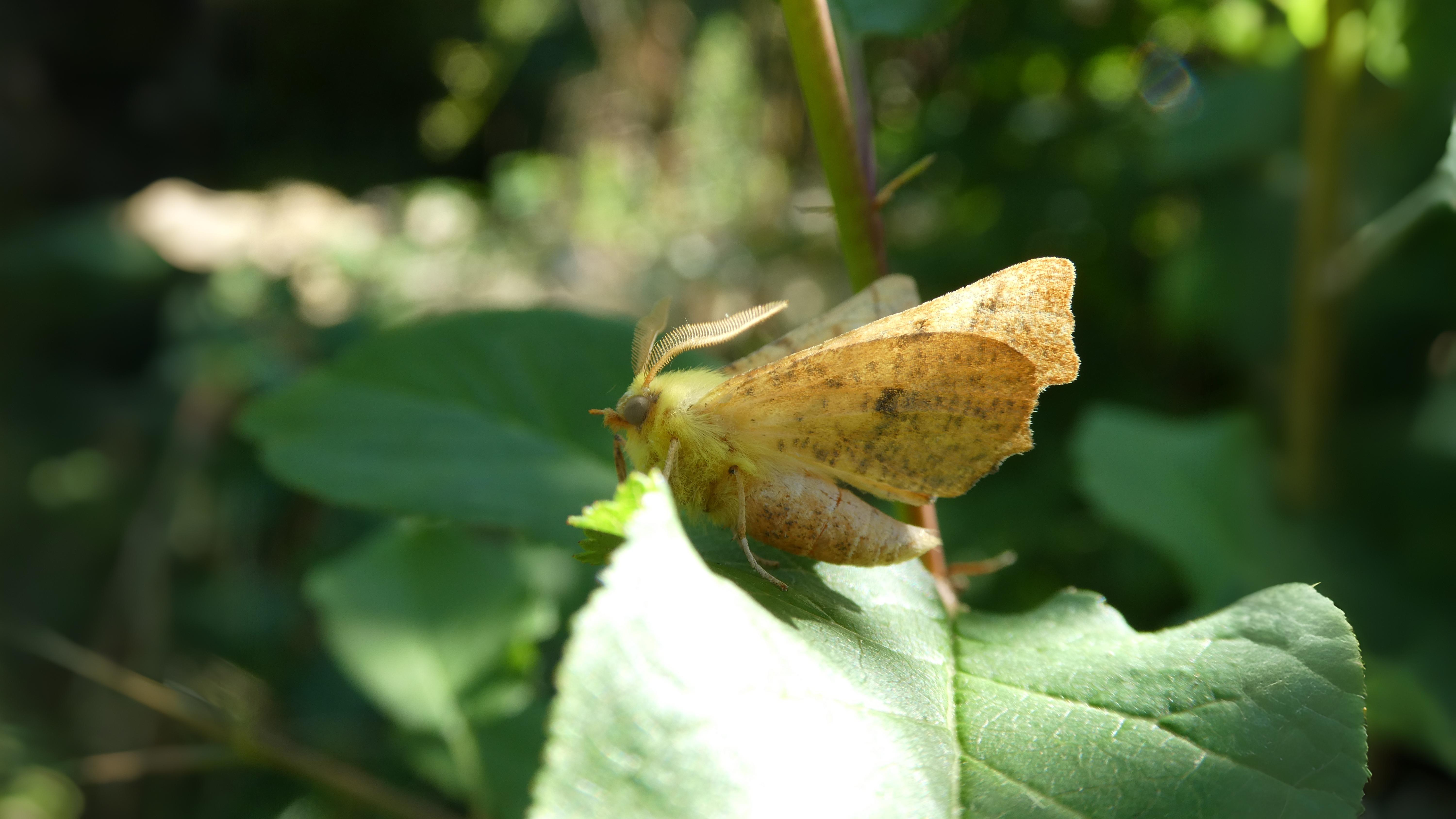
Green moths always tend to get noticed more than brown ones or grey ones and this month it could possibly be a Brindled Green. Any green markings are sharply separated from other black and white markings on its wings. They are similar to the Merveille du Jour but larger and a less conspicuous darker green. In the past Autumnal Greens may have been seen but now appear to be extinct. Sallows are another group of brightly-coloured moths, in this case oranges and yellows. The Angle-striped Sallow, Pink-bordered Sallow, Orange Sallow, Dusky Sallow, Centre-barred Sallow and the Sallow itself can all be seen this month. They are not all confined to areas of willow as their names suggest. However, the Sallow itself, which is probably the most yellow, does tend to be found among willows, especially later in the month. The Orange Sallow prefers lime trees. It is orange but not quite so orange as the Centre-barred Sallow which prefers ash trees, where its caterpillars eat the unopened black buds in the spring. It also possesses a broad rusty purple or brown band crossing its forewings which helps to identify it.
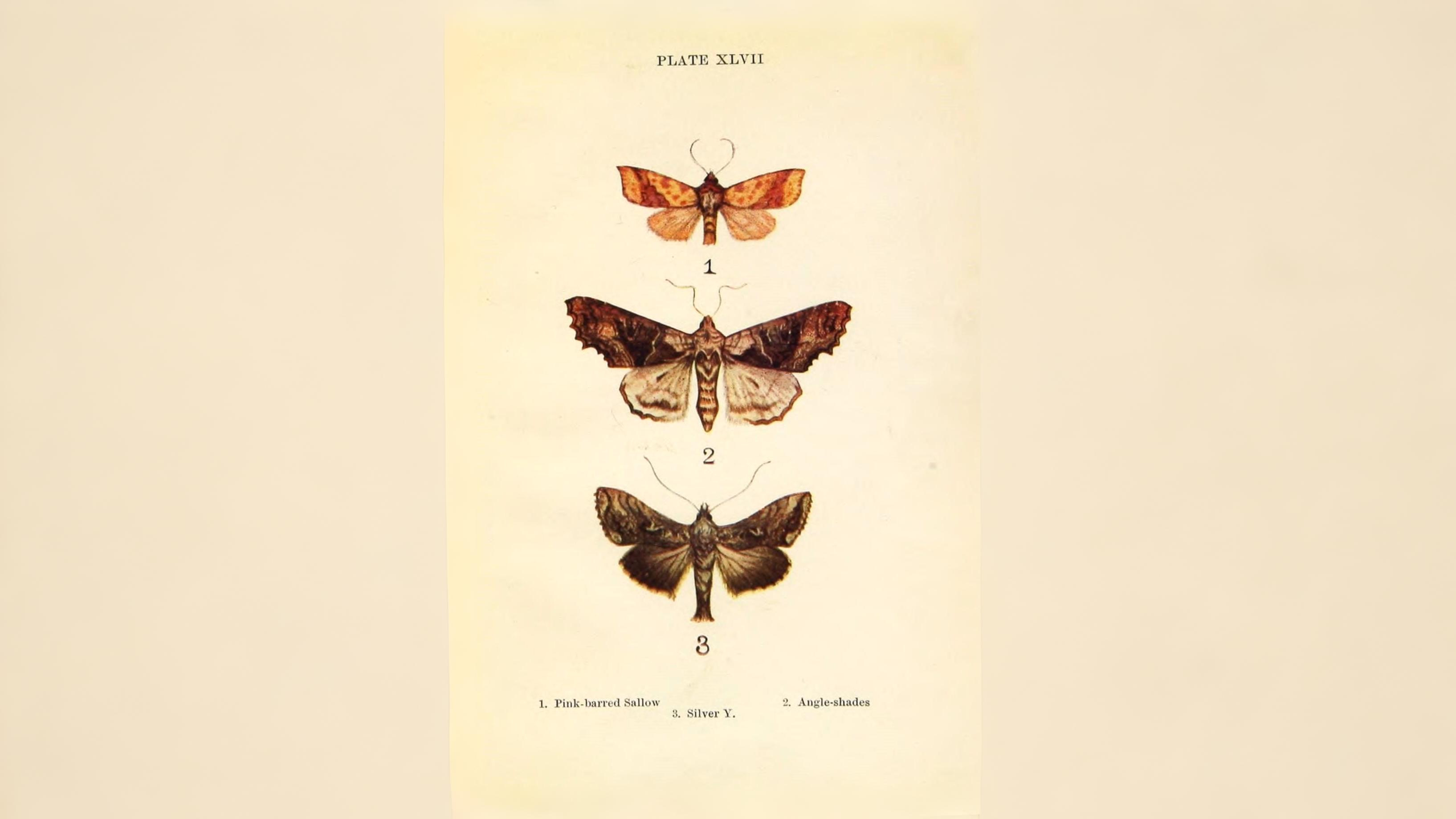
The Pink-barred Sallow has similar colours but is more dotted in appearance. Its pinkish brown head and shoulder set above a yellow thorax also marks it out. The Dusky Sallow has less flamboyant olive-brown and straw markings and frequents downland early in the month, where it may even be seen feeding on knapweed flowers during the day. The Angle-striped Sallow prefers yet another different tree. This rare migrant is usually seen among mature birch trees, sometimes in large numbers.
Thorns are similar colours to Sallows but can be told apart by the jagged edges of their wings. The September, Dusky and Canary-shouldered Thorn may all be encountered this month. They are all different colours which helps with their identification. The September Thorn has the brightest ochre-yellow wings and the Dusky Thorn is a little more leaden in colour, especially at the edges of its wings. The canary-coloured thorax of the Canary-shouldered Thorn is usually enough to mark it out.
Underwings are noticed in most months and this month the Lunar and Copper Underwing are worth looking out for. The Lunar Underwing is one of the most common moths throughout the autumn and gets its name from the crescent moon markings on its hindwings. The hindwings of the Copper Underwing are a pale copper colour but it is the dramatic white zig zag markings and white dots on its forewings that tend to get noticed.
It is also one of the largest moths to be seen in September. Wainscots are yet another group of moths, in this case associated with marshy areas especially along the Lea Valley.
This month the Small, Large and Bulrush Wainscots may be seen. The caterpillars of the Small Wainscot feed internally on sedges, the Bulrush Wainscot feeds on reedmace and the Large Wainscot on the exposed roots of sedges.
As in almost all months there are always large numbers of easily ignored dull-coloured noctuids. Sword-grasses are rare, but might get noticed due to the tiny dagger-like markings on their wings. At rest they hold their wings so close they often get confused with small twigs. The Brown-spot Pinion is also easier than most to recognise due to the large spots on its wings, finely outlined in white. The Rosy Rustic isn’t quite rosy-coloured but is pinkish-brown enough for us to recognise it.
Pearly Underwings immediately announce themselves with their shiny, translucent mother of pearl hindwings. If that is not enough, a closer look reveals a Mohican-style crest on the moth’s head. The Flounced Rustic is more typically dark brown in colour but may catch our attention due to its habit of resting on grasses.
The Quaker moths such as the Red-line Quaker and the Yellow-line Quaker have single, clear distinctive lines crossing their forewings. Both are common in late September, especially around ivy flowers, the Red-line Quaker being leaden in colour and the Yellow-line Quaker a yellow-ochre.
The Antler and Feathered Gothic also have distinctive line markings. For some the lines on the Antler are reminiscent of white-tined antlers set upside down. The lines of the Feathered Gothic are also white but are abundant and dramatically cover the whole of the resting moth. Other noctuids with lines, but seen far less often, are the Many-lined, Gem and Autumnal. The Many-lined possesses a bewildering number of parallel lines. Gems are similar but the male also has a smoky-brown central crossband. The lines on the wings of the Autumnal are among the most attractive of all and can look like a row of small hoops.
Other than the flowers and trees already mentioned it is worth hunting in conifer woodland for the Pine Carpet and Grey Pine Carpet moths. Wherever there are patches of mallows or hollyhocks you may find the large, impressive Mallow. Patches of St John’s wort may be home to the Treble-bar. It has two broad slate grey bars set across dove grey wings. It is occasionally disturbed on its food plant and tends to fly off rather lazily before landing nearby. Lastly, the inconspicuous Brown-tailed moth has no lines or bright colours to distinguish it yet it is well known to many Londoners because of its much feared caterpillars.
If touched they are capable of inflicting severe skin rashes and even wind-blown hairs can cause severe irritation. The caterpillars can be seen this month spinning their silken tents in trees where they will sequester together if they are not removed by the council throughout the winter. The all white adult flew in July and may have been noticed due to its unusual habit of raising its brown tail in a most threatening manner if disturbed.