September nights are alive with moths of every shape, size, and colour. From the elegant Jersey Tiger, with its cream stripes and fiery orange hindwings, to the dazzling Peach Blossom that looks as if petals have fallen on its wings, there is no shortage of beauty after dark. Some moths, like the Hummingbird hawkmoth, hover at flowers by day, while others such as the Frosted Orange or Grey Shoulder-knot reveal themselves only under torchlight or by garden lamps. Even rarities like the Great Brocade may put in a surprise appearance. Whether common garden visitors or spectacular wanderers, moths make this month a feast for the keen-eyed observer. Return on September 29th to discover the full story of September’s moths!
Article
Moths
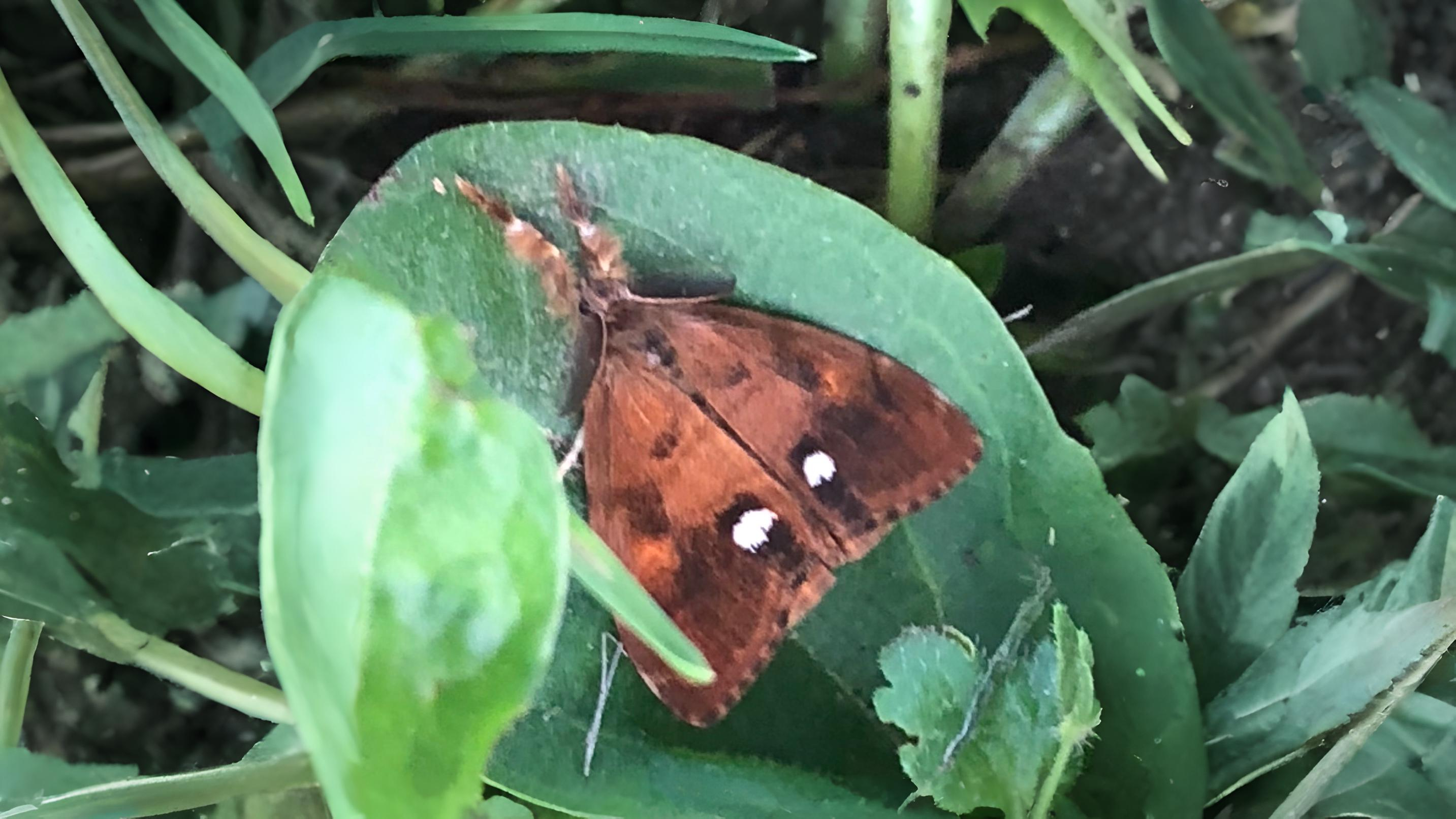
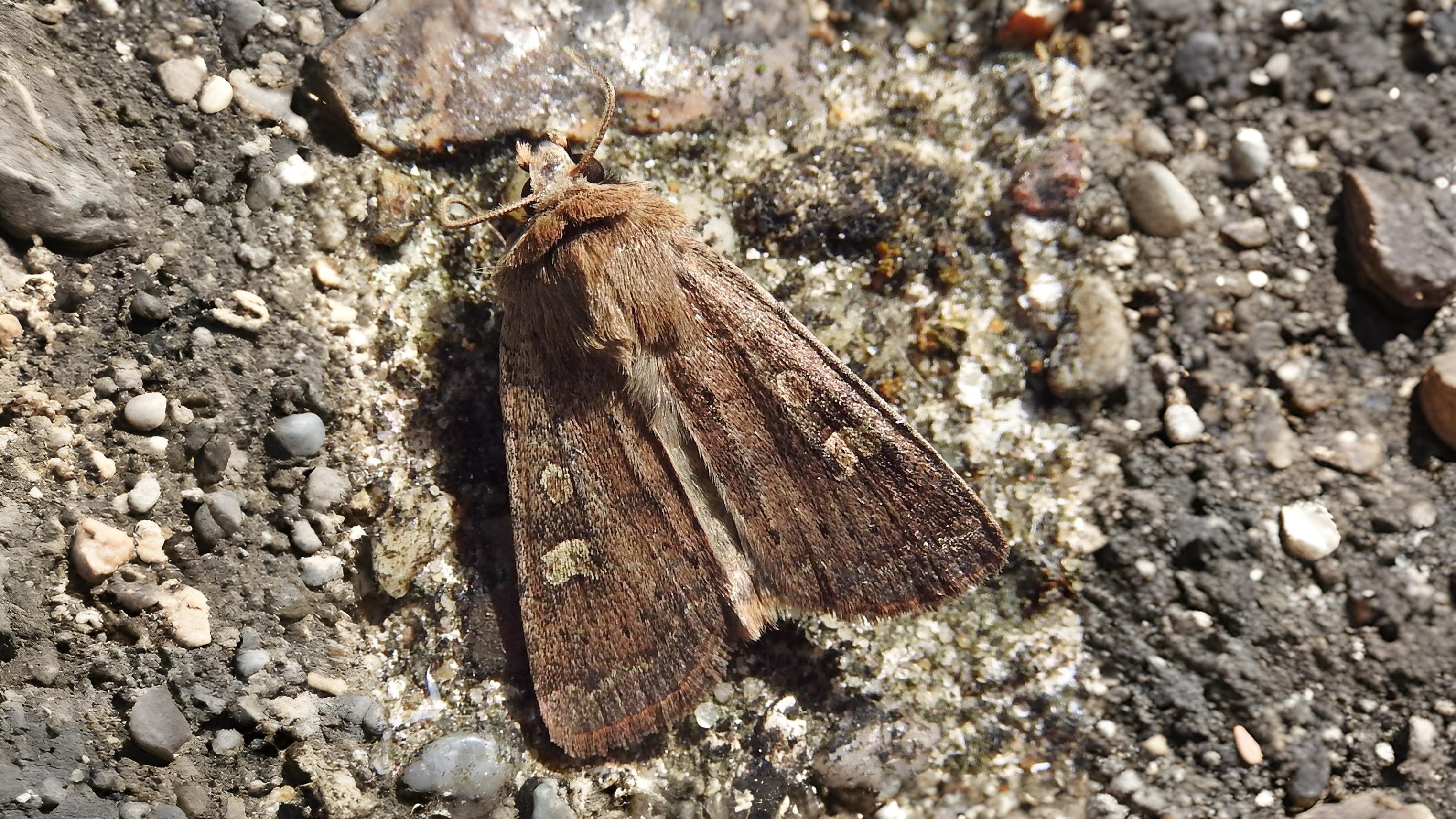
There are still many moths flying throughout September other than those already seen in previous months. Immigrants may be swelling numbers as well as others now producing a second generation. Moths with variable moultings and melanistic forms can easily be confused as completely new moths. The female Shuttle-shaped Dart is naturally much darker than the male and therefore easily confused with its melanistic forms which happen to be quite rare. Moths regularly seen now include the Sebaceous Hebrew Character, Vapourer, Brimstone and Herald as they all have such long flight periods.
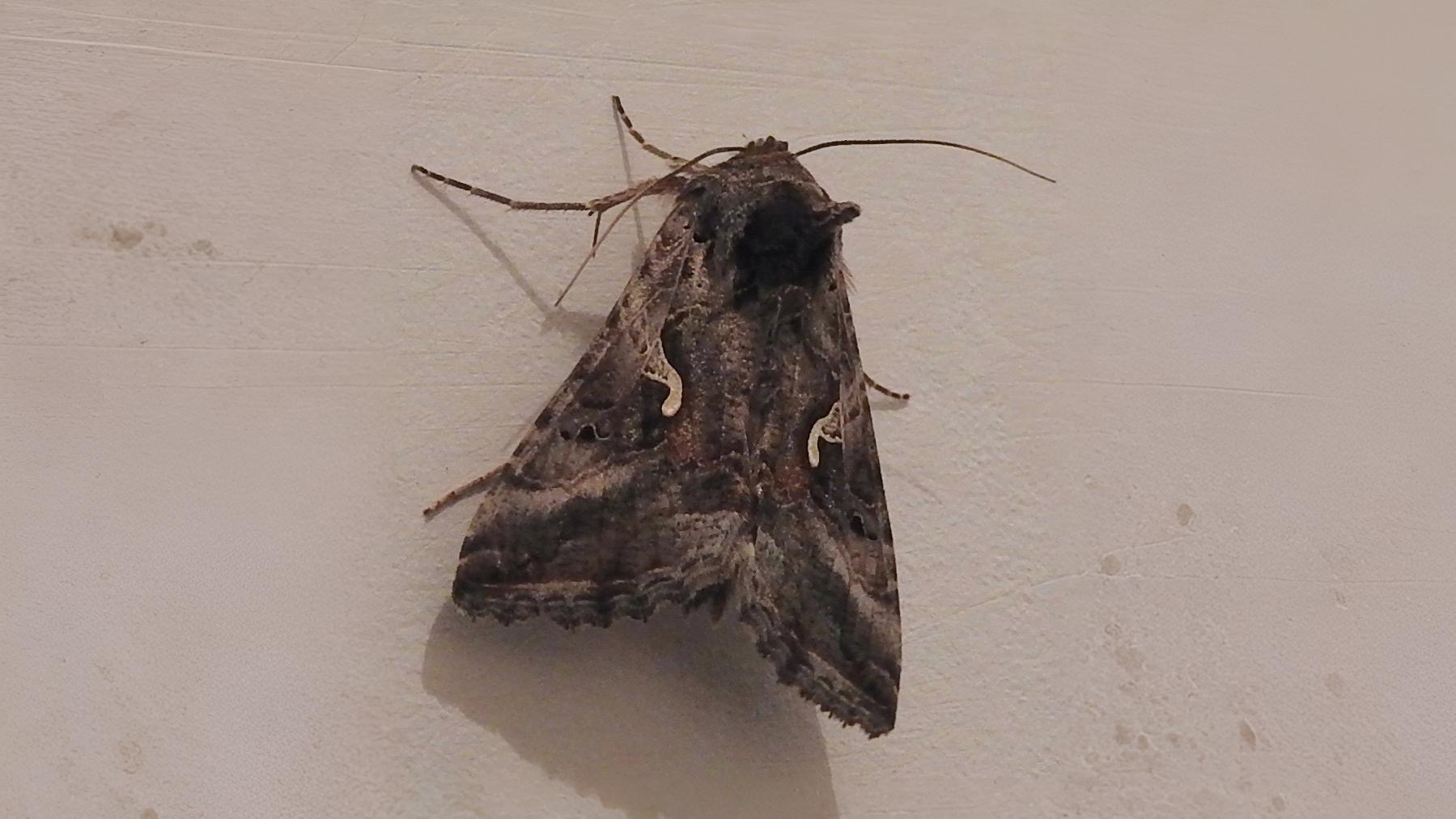
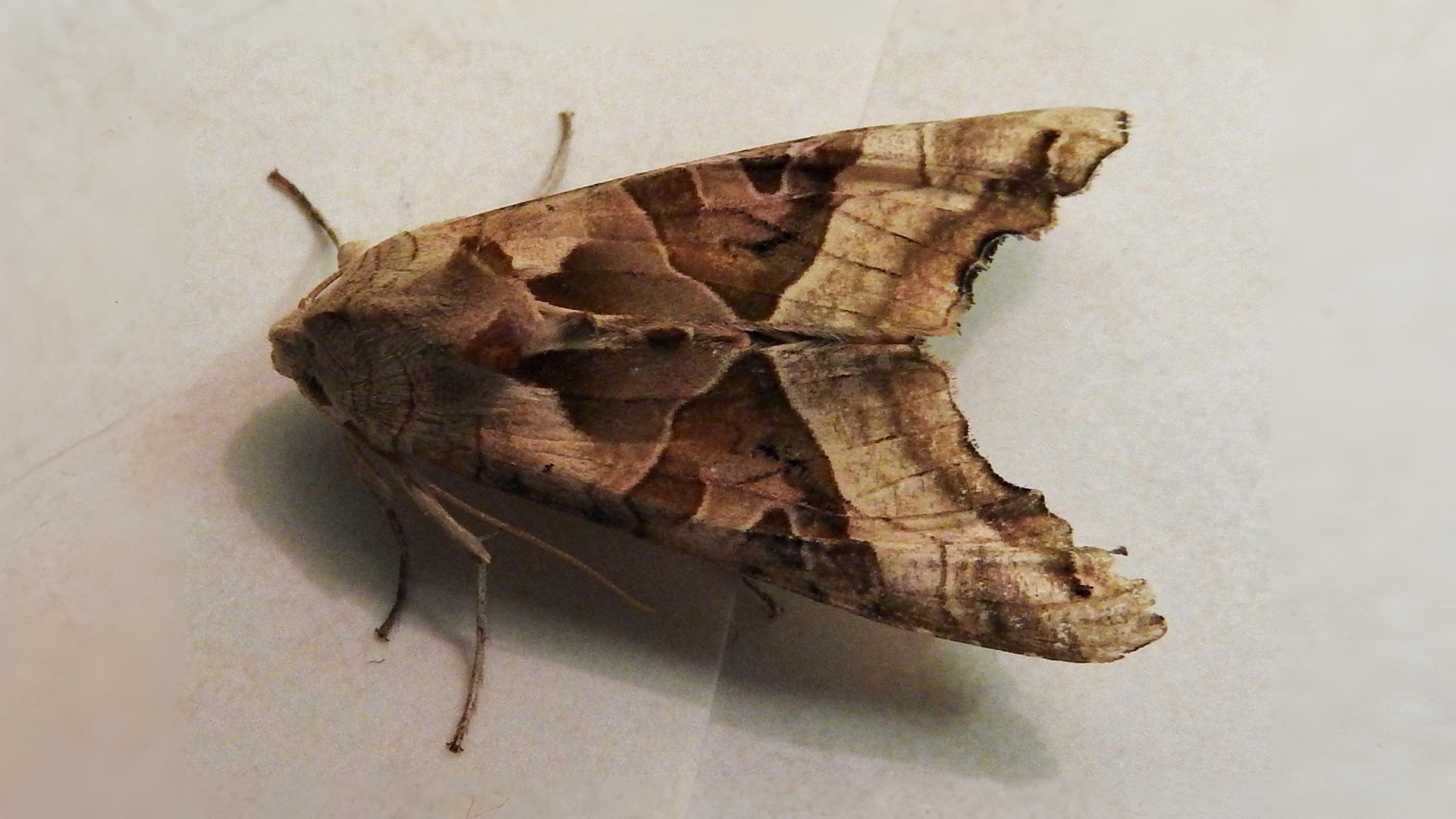
The Silver Y and Angleshades have so many generations they may well be seen in almost any month. Other moths easily encountered this month include the Square-spot Rustic, Flounced Rustic, Grey Pine Carpet and Brown-spot Pinion. The latter may well be found in almost all London gardens. It is always worth looking for moths around any outside lights but this month examining ivy flowers and blackberry bushes with a torch may be equally successful.
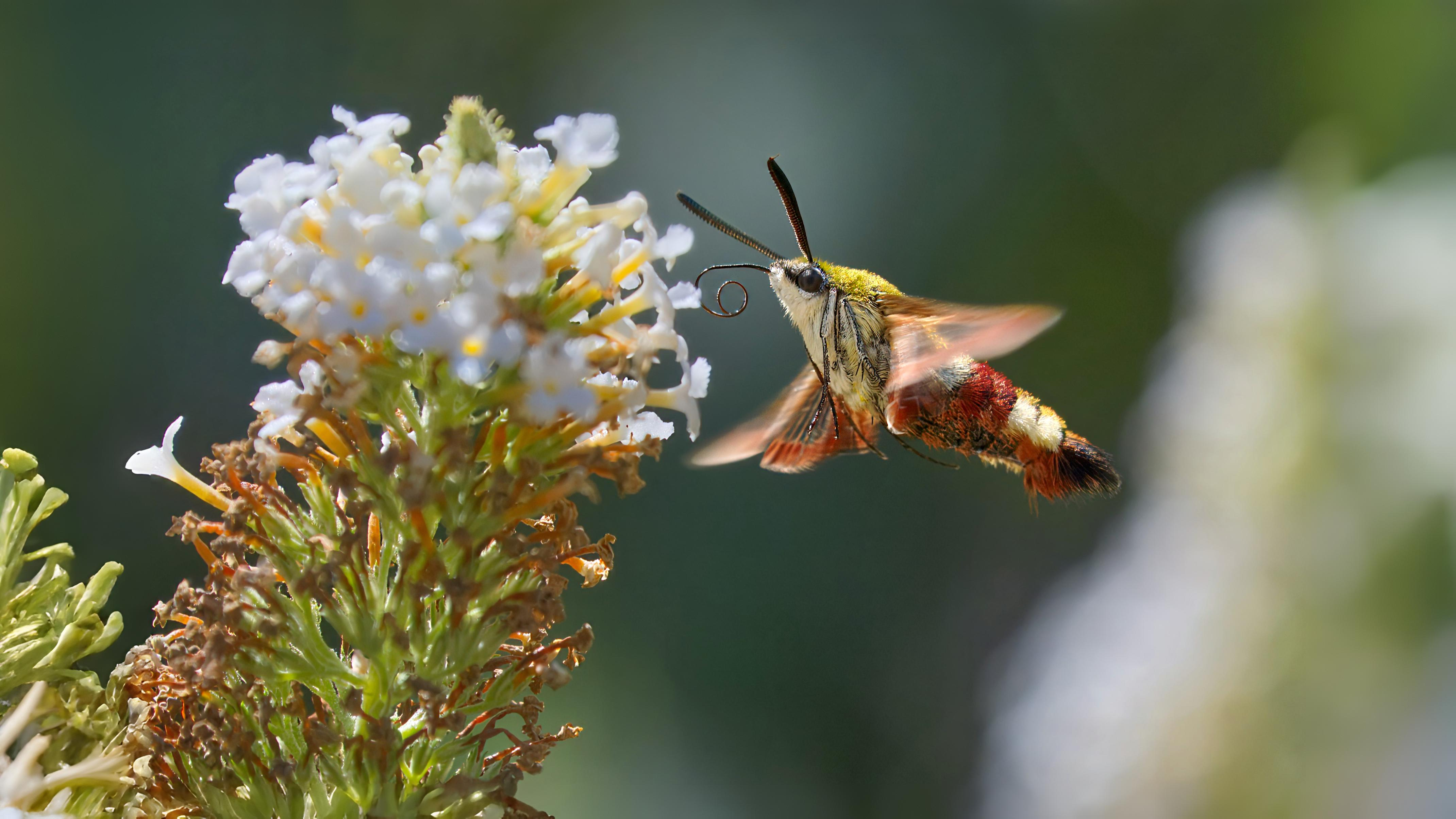
As in other months, it is usually the hawkmoths that are most impressive and tend to catch our attention. They first get noticed as they hurtle past, just allowing us a momentary glance. If you are lucky enough to find one resting, identification is usually easy due to their extravagant markings. The Eyed hawkmoth is one species that tends to be seen resting during the day but it is the Hummingbird hawkmoth that is most likely to be noticed when it stops abruptly then hovers as it feeds on its favourite garden plants such as Valerian, Phlox, Jasmine or Petunias.
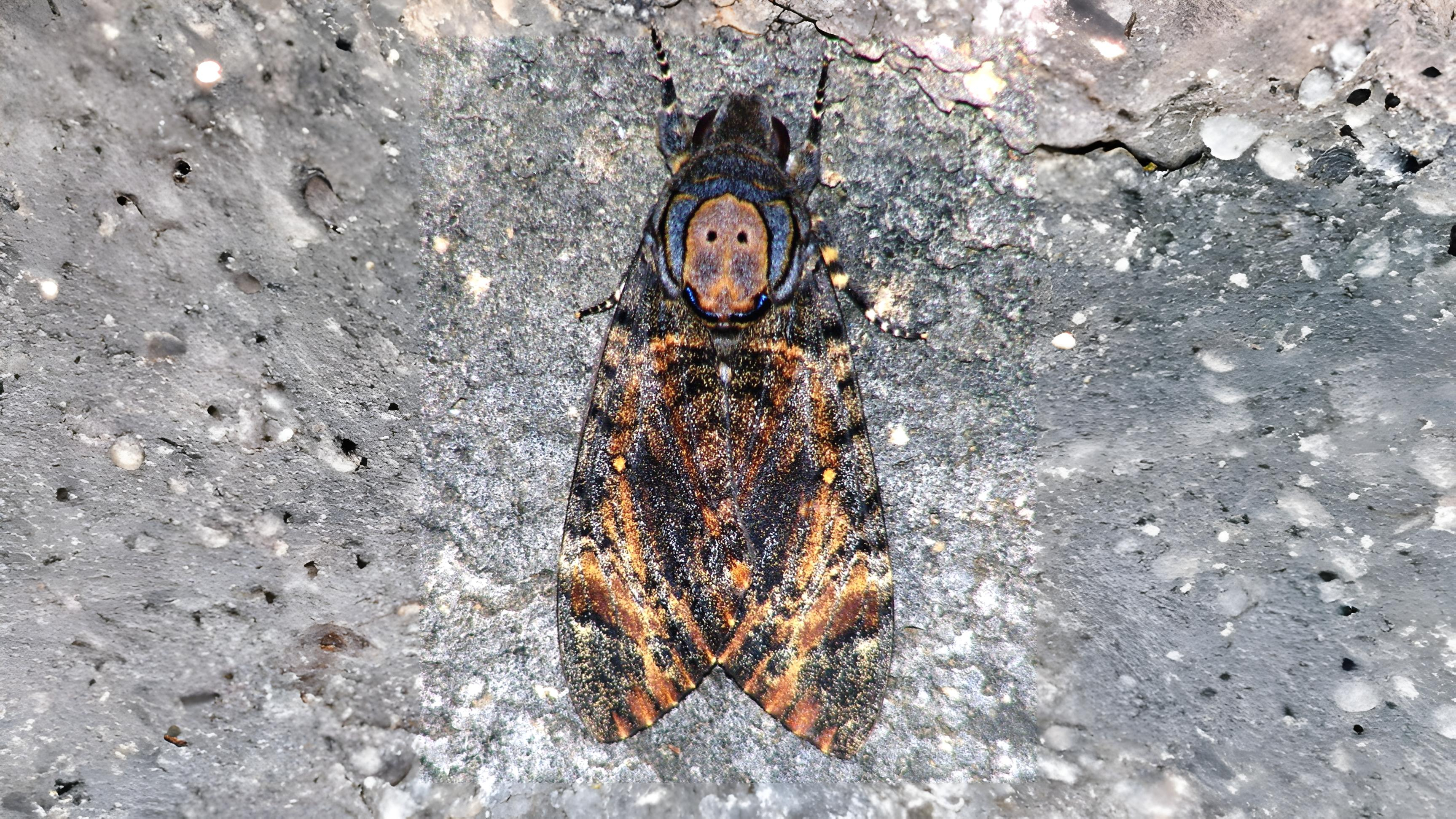
Other hawkmoths such as the Oleander, Spurge, Convolvulus, Silver-striped and the infamous Death’s head hawkmoth are all very rare, but there may still be a slight chance of seeing a Poplar hawkmoth which could easily now be on its second generation, especially if it has been a warm summer.
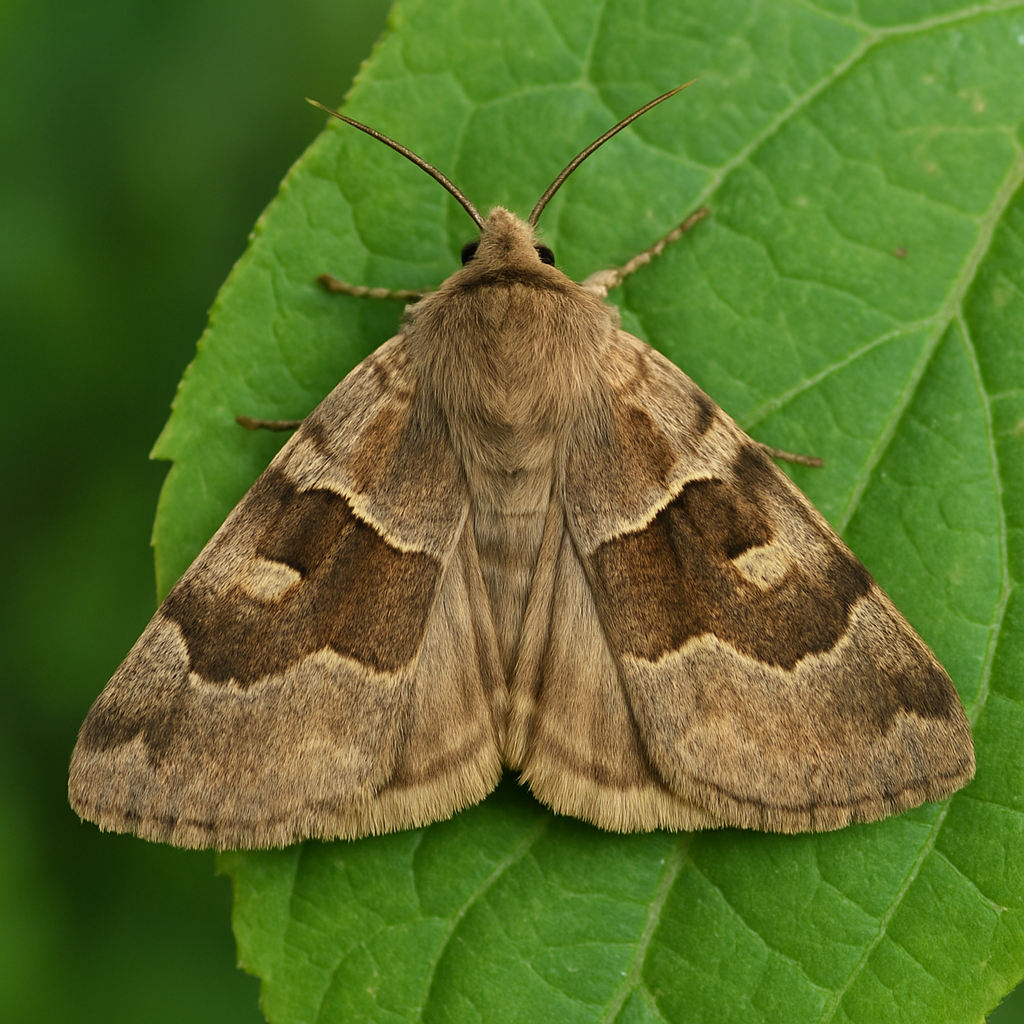
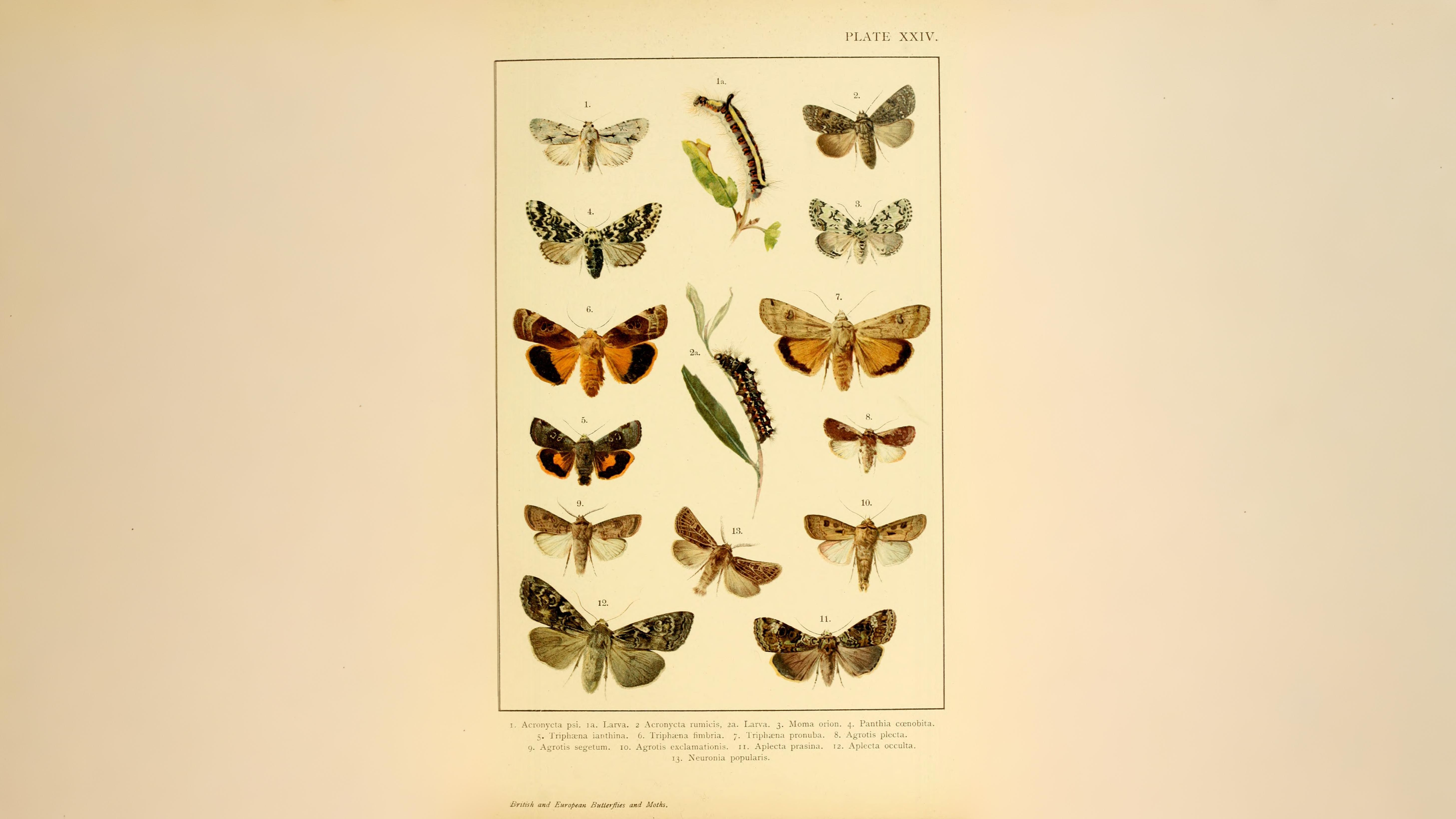
Other impressive moths worth looking out for are the Frosted Orange, Grey Shoulder-knot, Great Brocade, Peach blossom as well as the unassuming Mouse. Although small, the Frosted Orange has a striking golden yellow crossband as well as distinct kidney-shaped markings. Its caterpillars feed inside the stems of thistles, mulleins and burdocks, eventually always pupating with their heads point upwards. This month adults break out of these stems and may be just seen resting on the foliage. The Grey Shoulder-knot is one of the more handsome of an absolute legion of grey moths. In this case it is the cold grey marble colour that catches our attention. It is common enough in oak woods and parks and may even be expanding its range.
The Great Brocade is a very rare immigrant and one of the most beautiful of all the noctuids. It is both larger and longer than most and has a wealth of zig zag lines as well as a scalloped edge with a white fringe. It comes to lights, but mainly late in the night. The Peach blossom is always on most moth watchers wish list because of the large rosy-coloured spots on its wings that have been romantically compared to fallen petals. It is best looked for at the end of a hot summer on blackberry bushes where it likes to feed on over-ripe berries. It seems to avoid central London, although it has been recorded in Buckingham palace gardens.
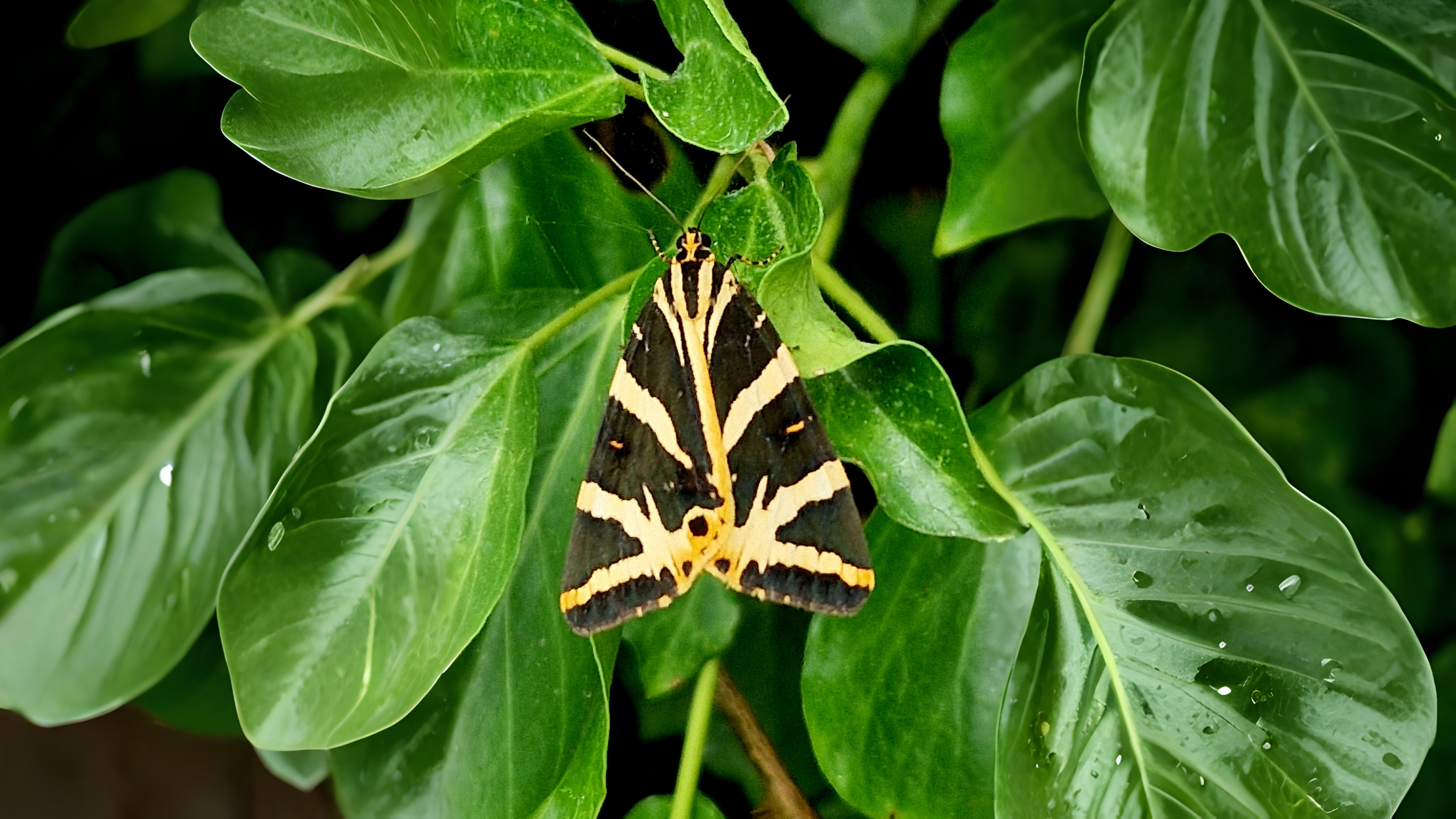
The Jersey tiger is more like a butterfly than a moth because of its tiger-like markings. In this case these are cream stripes set on a black background with bright orange hind wings which remain hidden away when it is resting. This moth used to be a very rare visitor but luckily is becoming more and more common with our autumns getting warmer. Although carpet moths are not usually impressive, it is worth looking for the different forms of the Common Marbled Carpet. Its wings are highly variable with different amounts of black, white, smoky brown or sienna.
Unfortunately, in London there seem to be rather too many melanistic forms. Lastly, any list of impressive moths has to include the Mouse. This is not for its shiny mouse-grey colour but for its curious way of running away like a mouse when it is disturbed. It is so reluctant to fly that it is often seen running into the entrances or exits of train tunnels.