28-Sept The Secret Lives of Leaf Miners Tile Image

28-Sept The Secret Lives of Leaf Miners

Summary

If you’ve ever noticed strange, winding patterns or blotches on your garden leaves, you might be seeing the handiwork of leaf miners. These tiny creatures, from moths to flies, burrow into leaves, creating tunnels filled with waste, warmth, and humidity. September is the peak of their activity, with the second generation larvae tunneling through your plants. Horse chestnuts are particularly affected, leaving behind characteristic brown blotch mines. While these little miners may seem harmless, their rapid life cycles and massive infestations can threaten entire trees. Curious to learn more about these fascinating creatures and their impact on our gardens? Come back on September 28th for the full story!

Article

Leaf Miners

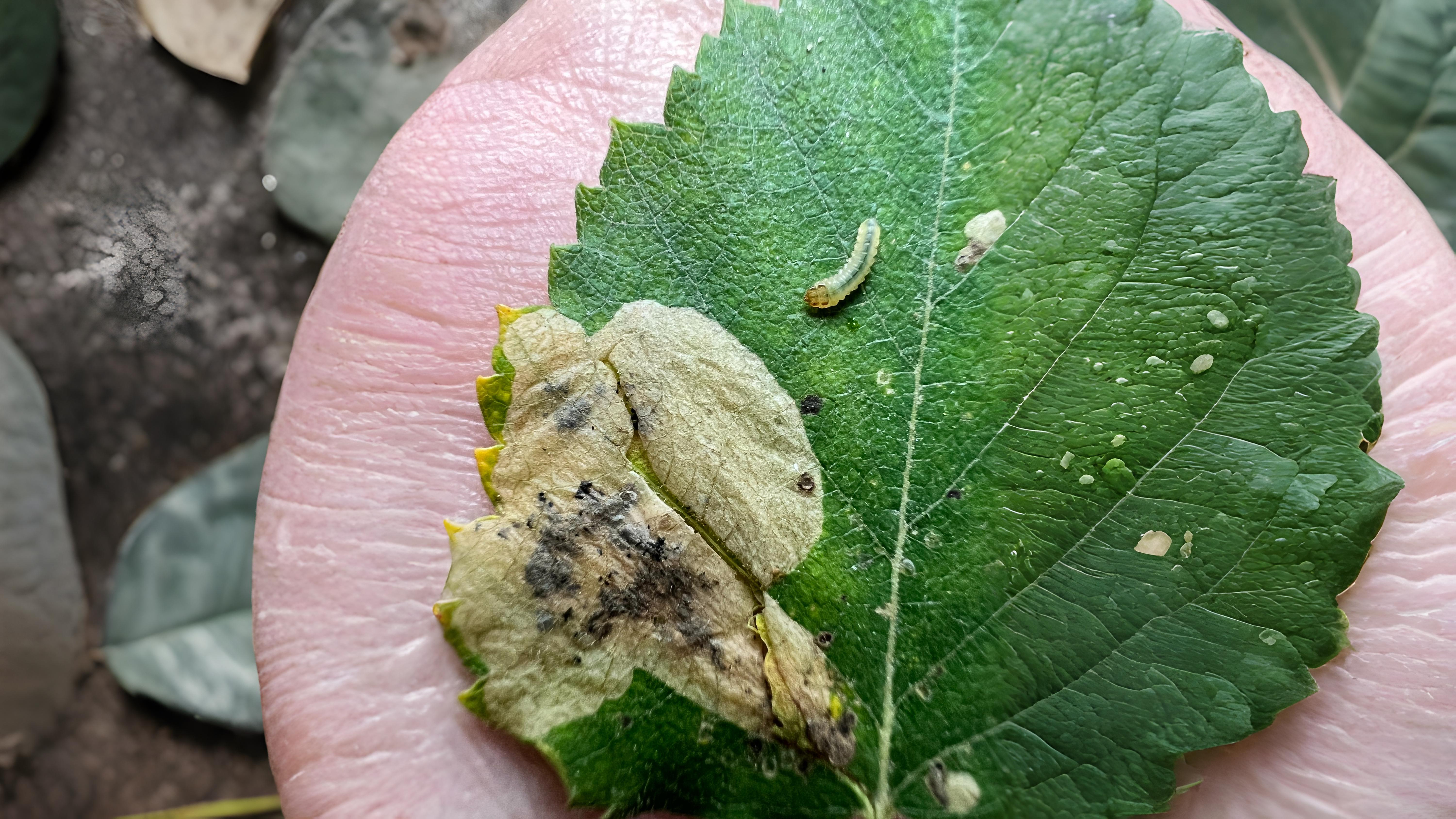
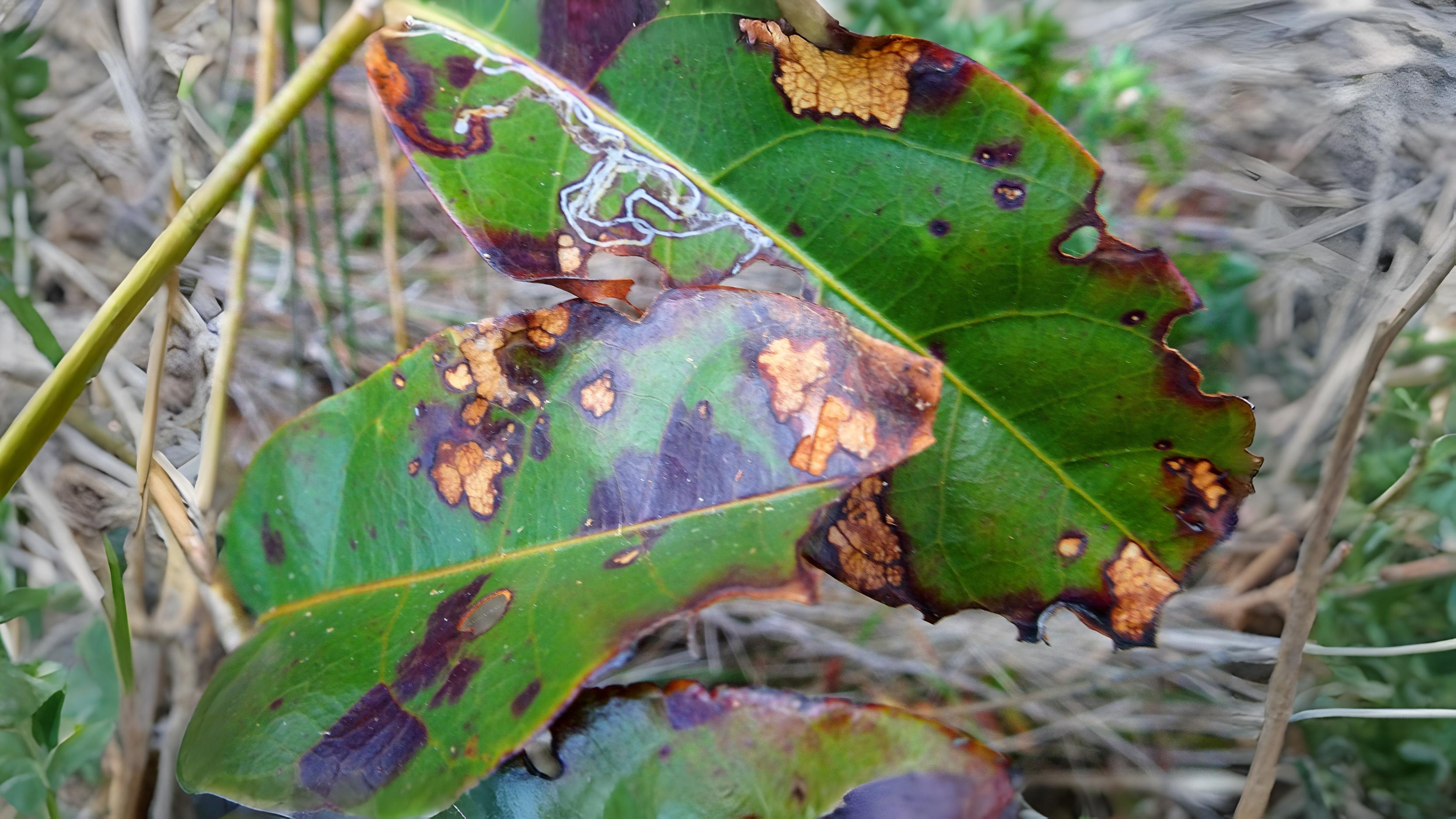
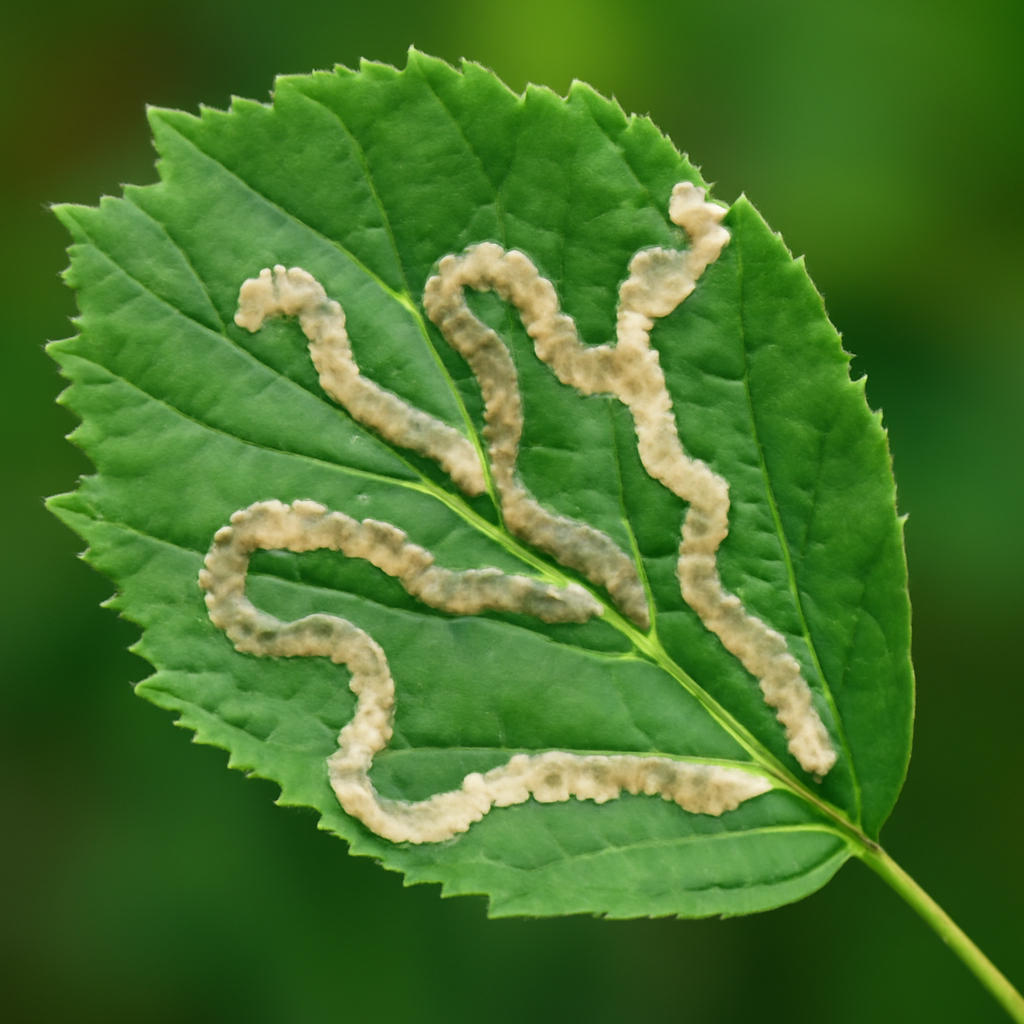
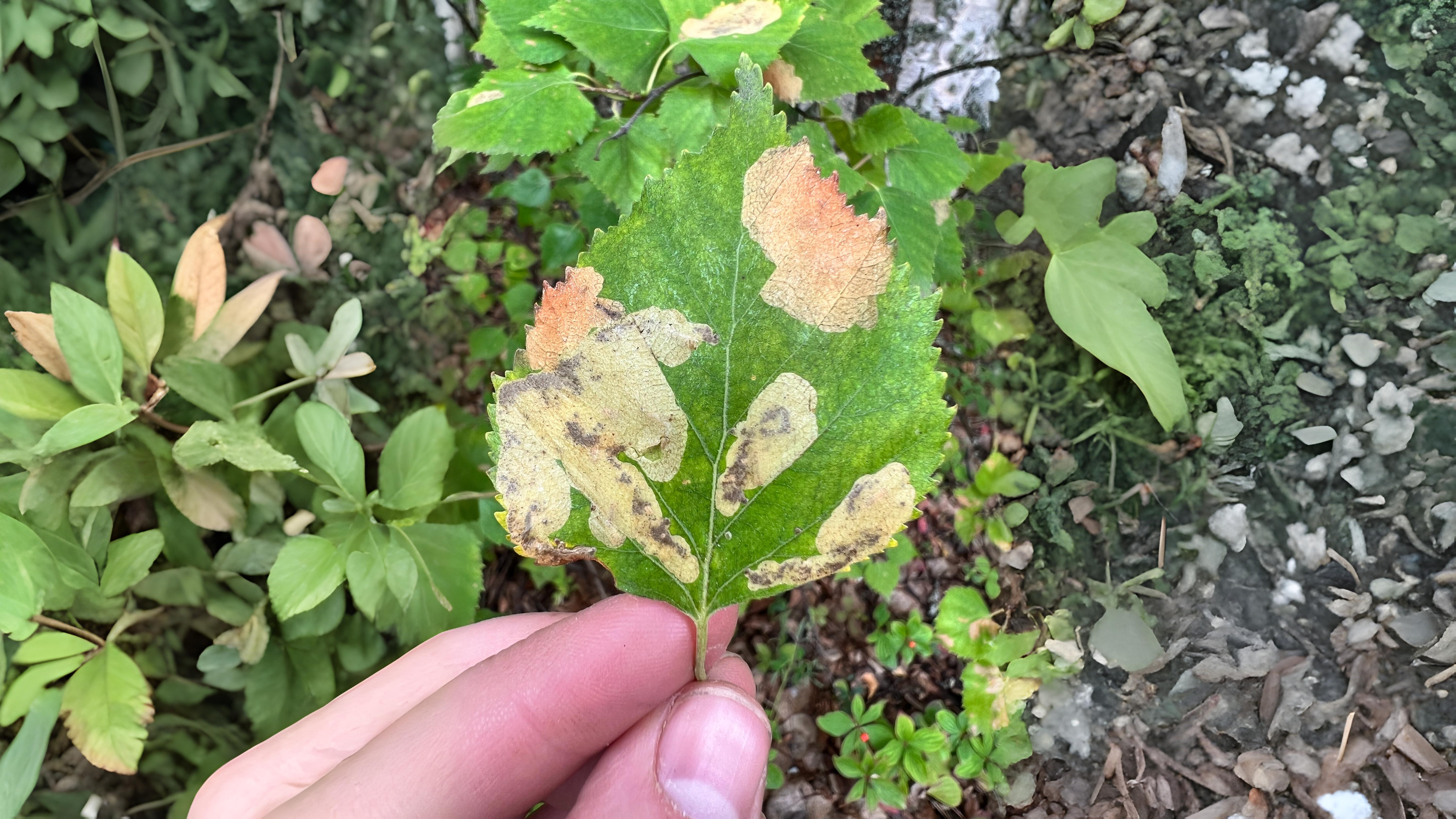
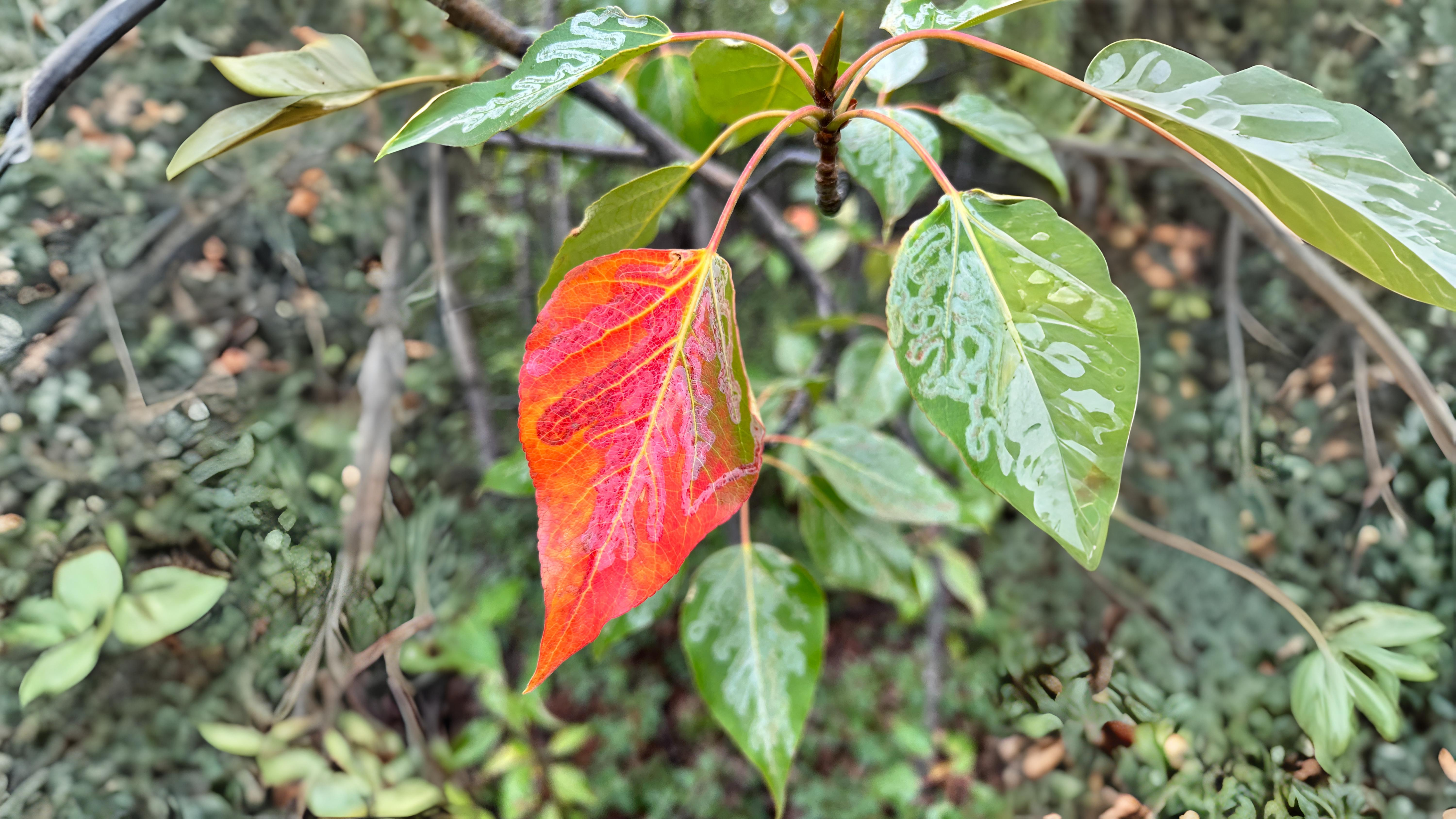
Leaf miners may well have already been noticed earlier in the year especially in hollies, brambles and sowthistles but there are many other plants affected by these insects. It is usually either a moth, fly, sawfly or perhaps a beetle larva that chooses to make its unusual home between the upper and lower epidermis of a leaf. As these tiny creatures burrow their way through the leaf tissue they create either a linear, serpentine or blotch mine. This is one of the most unusual of environments with the larva literally always faced with food but also enjoying the high humidity as well as a certain amount of warmth created by its own waste left in the tunnel. Not surprisingly these larvae tend to have rapid life cycles compared with their relatives elsewhere.

28-Sept The Secret Lives of Leaf Miners Section Image

28-Sept The Secret Lives of Leaf Miners Section Image

Most have just one generation in the spring and then another in the autumn. This means you are unlikely to find any mines occupied in high summer, especially if it is a dry one and there has been some shrivelling of leaves. September is often when the second generation larvae start tunnelling or perhaps just pupae may be found resting at the end of tunnels. Adults tend to emerge from these pupae in late autumn. Other than the plants already mentioned mines tend to be found on favoured trees such as oak, birch, elder and cherry and in gardens privet, lilac, wallflowers, carnations and celery sometimes get attacked.

Usually it is a tiny female that lays her tiny egg on the underside of a leaf which then hatches and burrows into the leaf going on to create the tunnel we notice. The larva will either choose to pupate at the end of its tunnel or remain active and pupate later in the soil after the leaf has fallen.
28-Sept The Secret Lives of Leaf Miners Section Image

28-Sept The Secret Lives of Leaf Miners Section Image

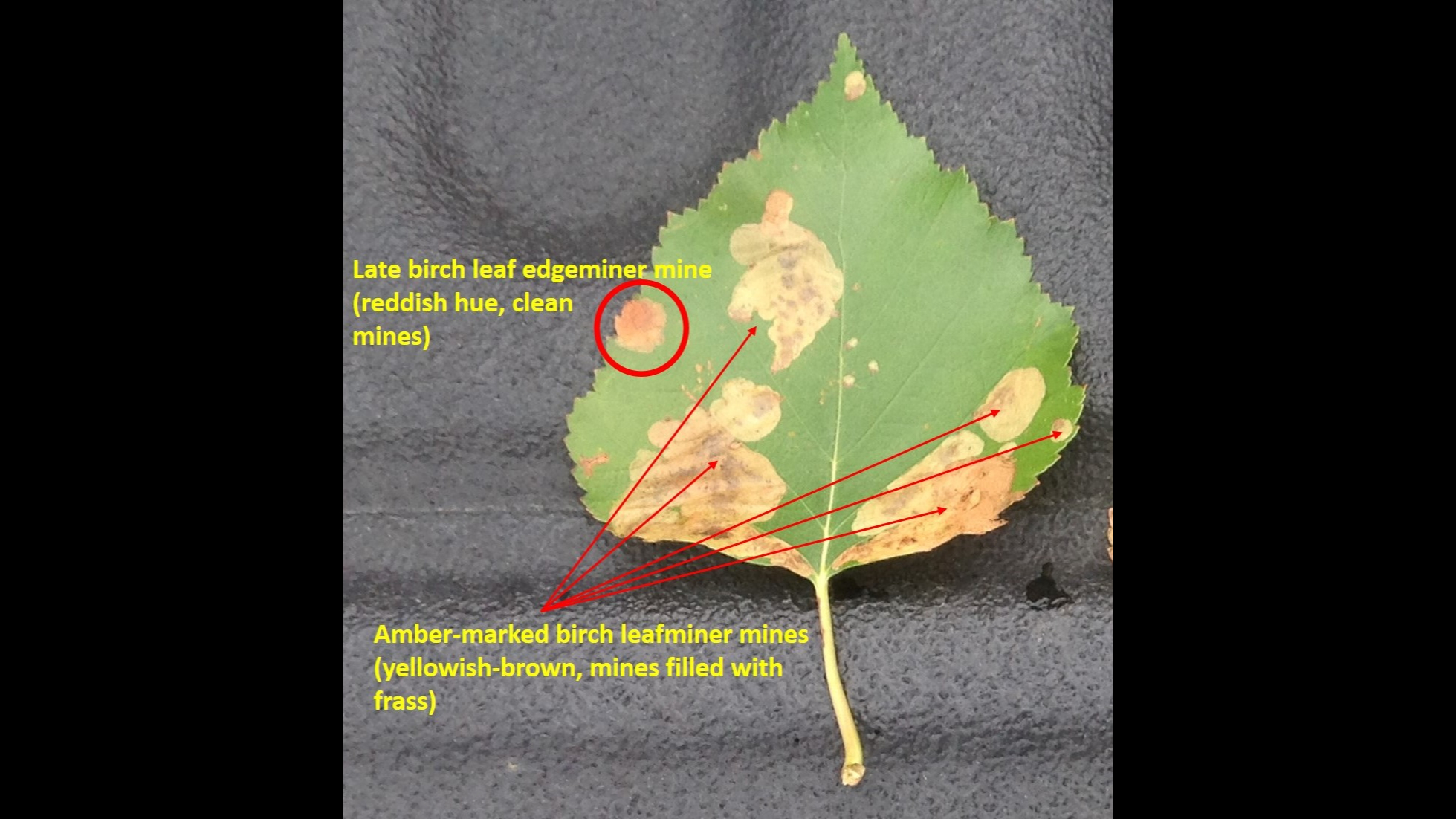
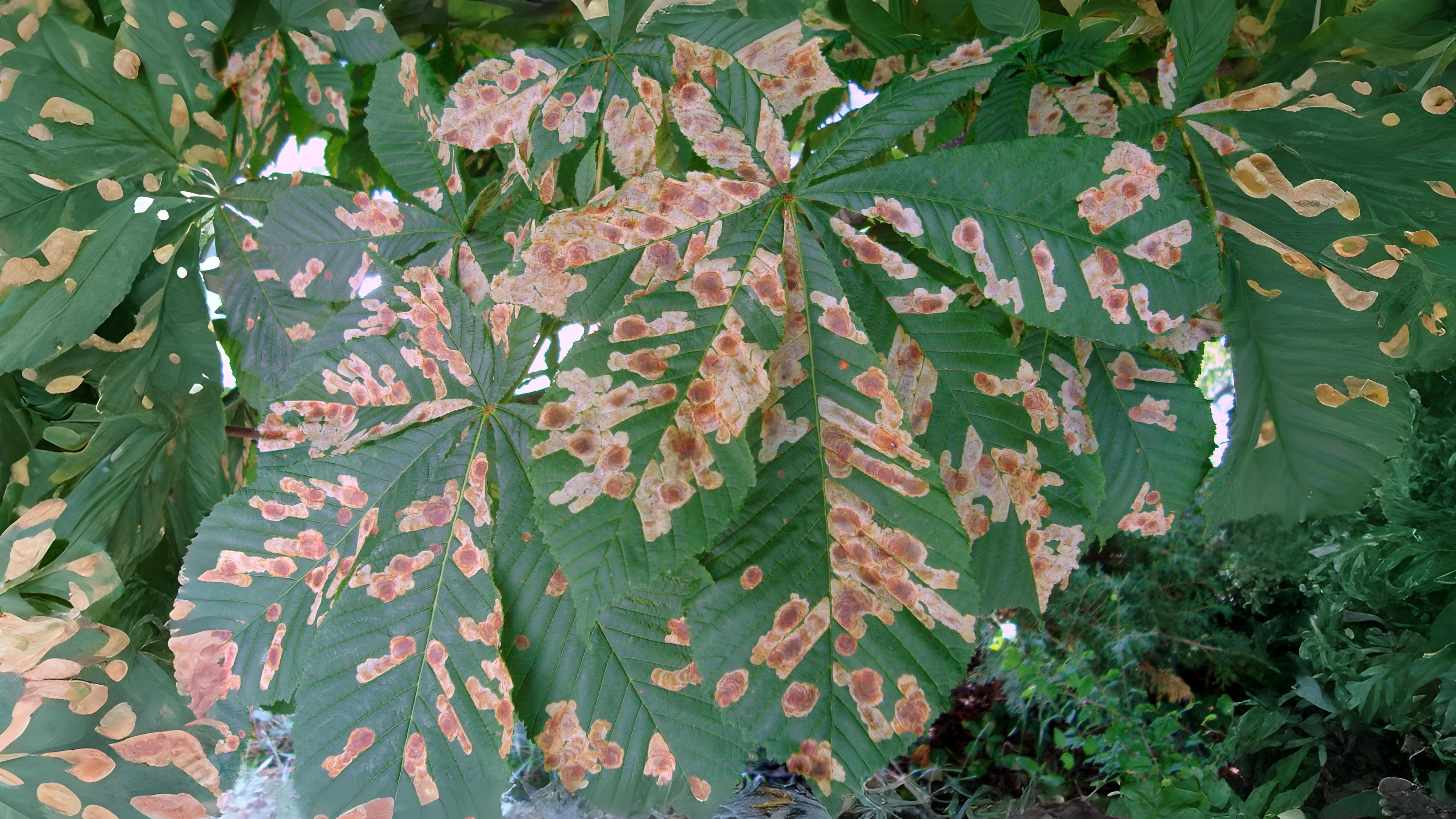
You can usually get some indication of the insect involved by examining the tunnel more closely. If the larva has left its frass (waste) in two separate lines along the tunnel it is likely to be a fly. If no frass is visible then it is usually a moth and a lot of dark frass often indicates it was a sawfly. If there is a mass of silk threads, these are likely to have been left by moths and if the mines are straight then this is more typical of flies. The mines themselves can also be different colours. Hollies and horse chestnuts have green blotches or brown mines and sowthistles white ones.

28-Sept The Secret Lives of Leaf Miners Section Image

28-Sept The Secret Lives of Leaf Miners Section Image

Midges are usually responsible for any raised purple spots that you might see on dandelions. Bramble mines come in a variety of different colours. They are usually white but, with some searching, yellow, green, silver, rust, black, blue and even violet mines can be found. Some docks have a propensity to turn red and so are prone to red mines. The mines produced by flies, moths and beetles tend to be light green in colour. When leaves turn a different colour in the autumn any mines often remain green and are then called by experts ‘green islands’.

28-Sept The Secret Lives of Leaf Miners Section Image

28-Sept The Secret Lives of Leaf Miners Section Image

The mine that is impossible to miss this month in London is the one produced by the horse chestnut leaf miner moth. Some trees are so infested they are covered in brown blotch mines and are so stressed they may even attempt to flower again. The moth involved is aptly named Cameraria ohridella and large numbers of this tiny brown and white banded moth can sometimes be seen floating around the trunks of horse chestnuts earlier in the year.

28-Sept The Secret Lives of Leaf Miners Section Image

28-Sept The Secret Lives of Leaf Miners Section Image

These trees that come into leaf so early in the spring are also one of the first to lose their leaves in autumn. Catastrophic levels of infestation hasten this leaf loss. The moth was first described from Macedonia as recently as 1986 although it was believed to have originated in the Balkans. The

story goes that some specimens were sent to an entomologist in Vienna who, as usual, managed to let some escape. Once free the moth proceeded to march across Europe arriving in Wimbledon sixteen years later in 2002. As up to seven hundred larvae can be found in a single leaf, the epidemic seems likely to continue and the future of the tree first introduced in 1616 and known to have grown in John Trandescant’s garden is becoming uncertain.

28-Sept The Secret Lives of Leaf Miners Section Image

28-Sept The Secret Lives of Leaf Miners Section Image