27-Sept September’s Hidden Invaders Tile Image

27-Sept September’s Hidden Invaders

Summary

As summer slips into autumn, not all color changes in the landscape are signs of seasonal beauty. Many are the hidden work of pests and diseases quietly shaping the look of leaves, stems, and fruit. From yellow streaks caused by viruses to black tar spots on sycamores, lacebug-speckled rhododendrons, and caterpillar-chewed holes in roses, each blemish tells a story of unseen battles. Aphids twist leaves, sawflies roll and skeletonize them, and fungi leave their marks as moulds, cankers, and dieback. Even beneath the soil, wireworms, eelworms, and cutworms gnaw unseen at roots and stems. These subtle signs remind us that the natural world is always a delicate balance between growth and decay.

Be sure to return on September 27th for the full story!
Article

Pests and Diseases

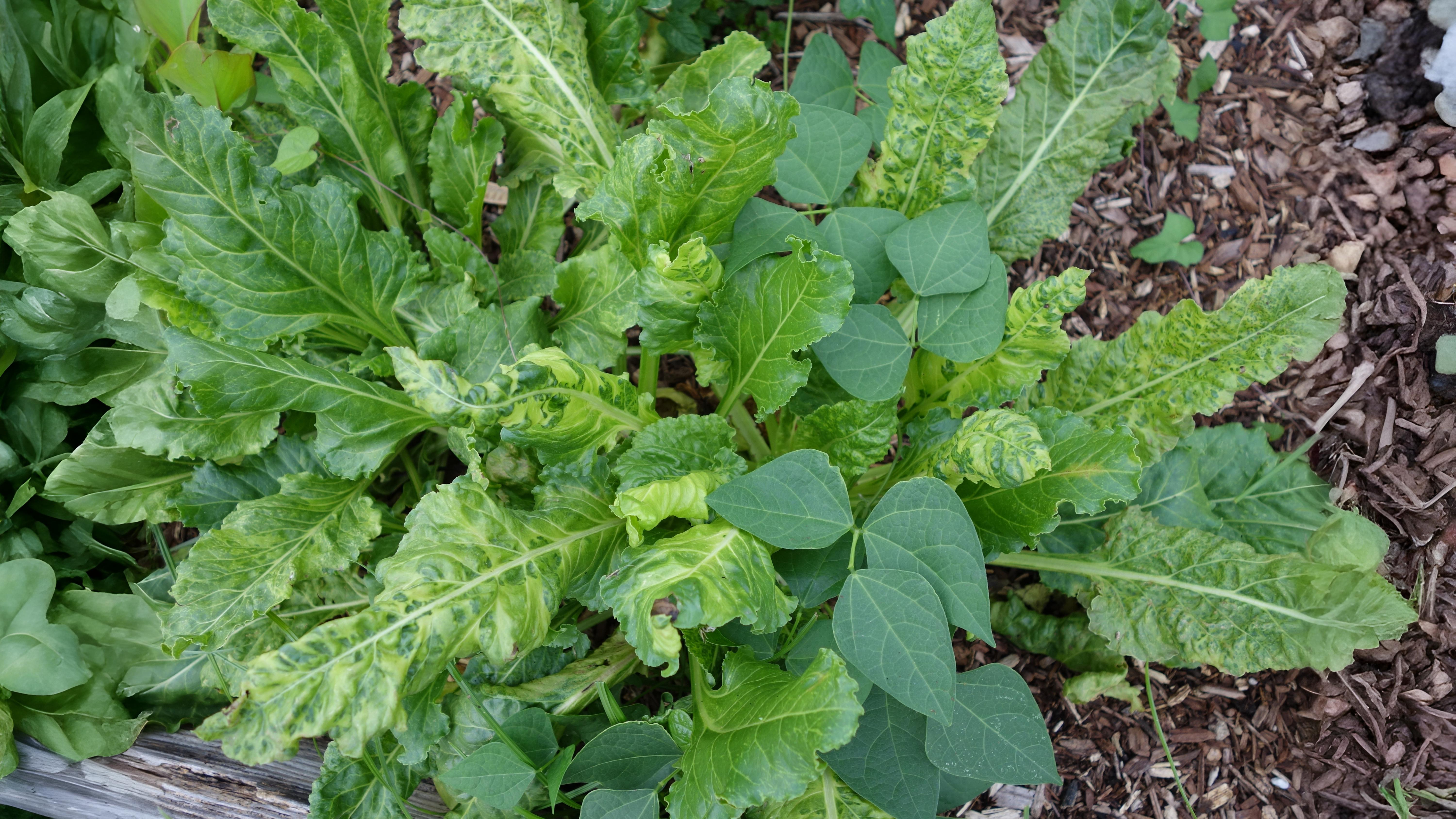
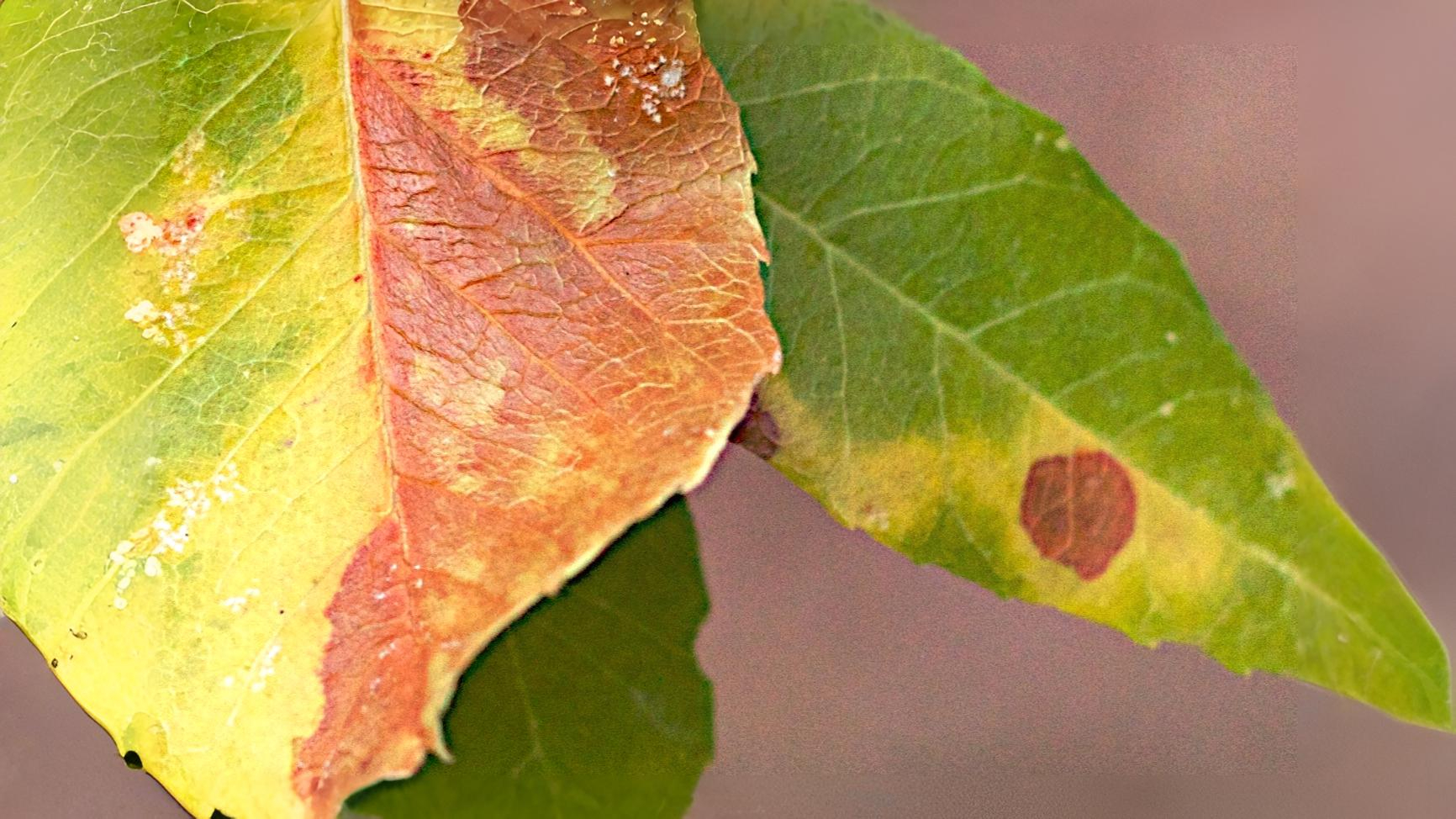
The end of summer sees a plethora of different colour changes developing across the landscape and many are not just due to the breakdown of chlorophyll in leaves. A whole host of largely unknown and ignored invertebrates such as flies, bugs, beetles, weevils and eelworms may be responsible as well as many fungi, bacteria and viruses. Leaves yellowing can be due to not enough magnesium or manganese in the soil. A lack of nitrogen can cause some leaves to go pale yellow and then develop some reds and purples. Deprived of potassium, leaves can even go blue green and develop brown margins. Any streaking of yellow is generally attributed to viruses. Bronze leaves on hawthorns may be due to mites, rust coloured leaves on rhododendrons can be caused by lacebugs and any silver coloured leaves could merely be due to an irregular water supply.

27-Sept September’s Hidden Invaders Section Image

27-Sept September’s Hidden Invaders Section Image

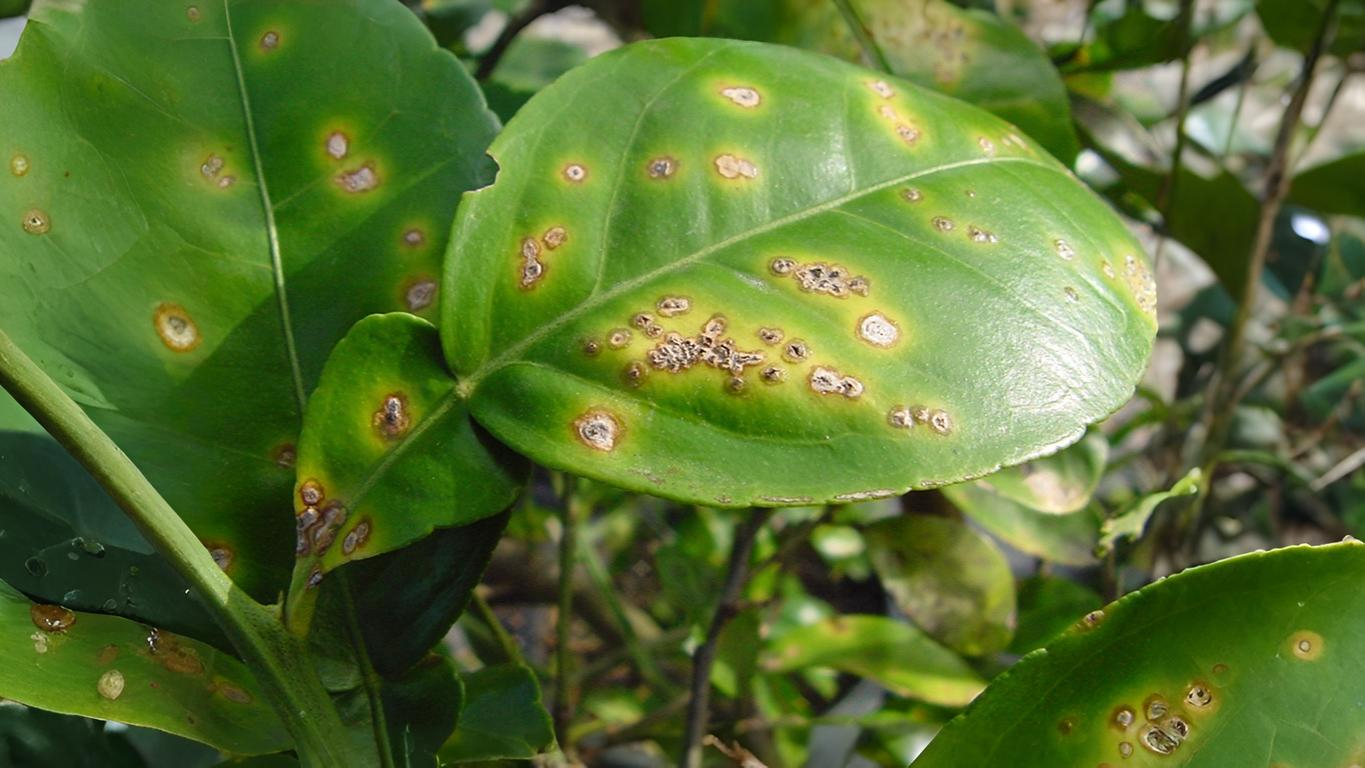
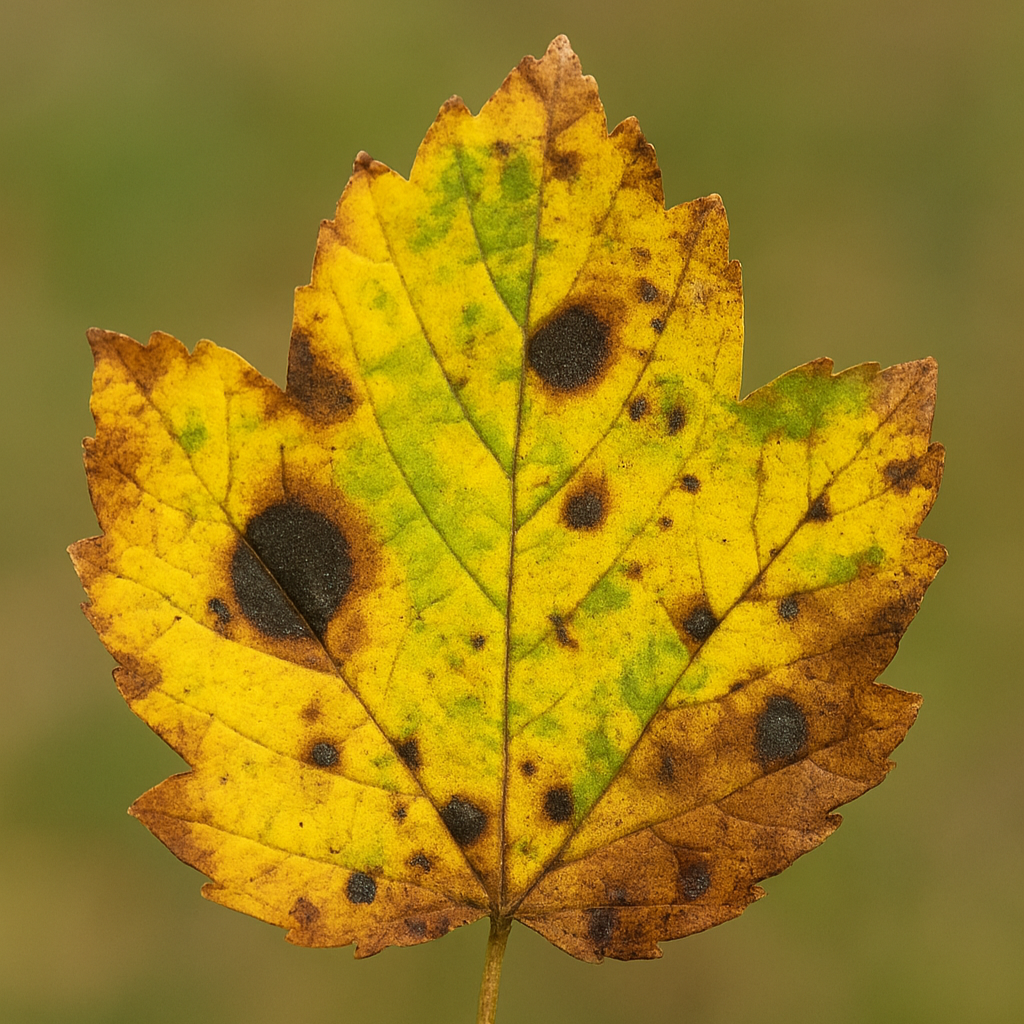
Spots and blotches on leaves are now everywhere this month. The most noticeable are the large black spots on sycamore leaves due to the tar spot fungus. Tiny spots can be due to flea beetles and brown spots could be due to capsid bugs. Capsid bugs look like aphids but are often larger, a brighter green and move faster. Like all bugs they have a beak with which they pierce the leaf causing the initial spot and often introducing a virus as they do so. A variety of fungi, as well as the larvae of some flies, also cause spots. If the spots later develop into holes, this could be a case of shot-hole in which a bacterial canker is involved. If the leaves become mottled rather than spotted, leaf hoppers, thrips or viruses could be the culprits.

27-Sept September’s Hidden Invaders Section Image

27-Sept September’s Hidden Invaders Section Image

Many other leaves have holes in them at this time of year and to some extent the shape of the hole can give us a clue as to what caused it. The irregular-shaped edges of holes where butterfly and moth larvae have been feeding are familiar to most of us. Rather more tattered holes are more typical of capsid bugs and V-shaped holes are generally the work of weevils. Long holes are often seen on lily pads and these are made by lily beetles.

27-Sept September’s Hidden Invaders Section Image

27-Sept September’s Hidden Invaders Section Image

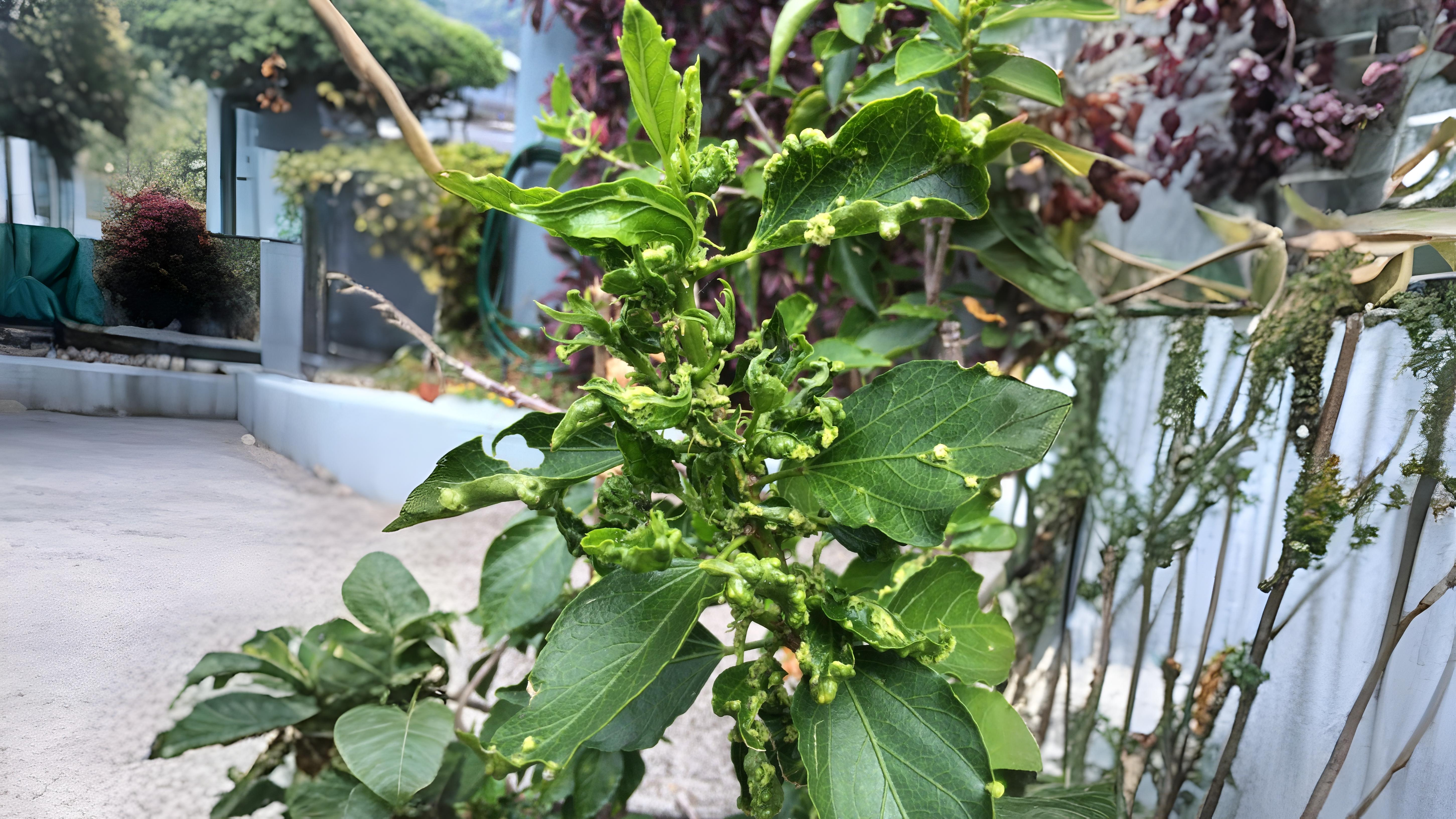
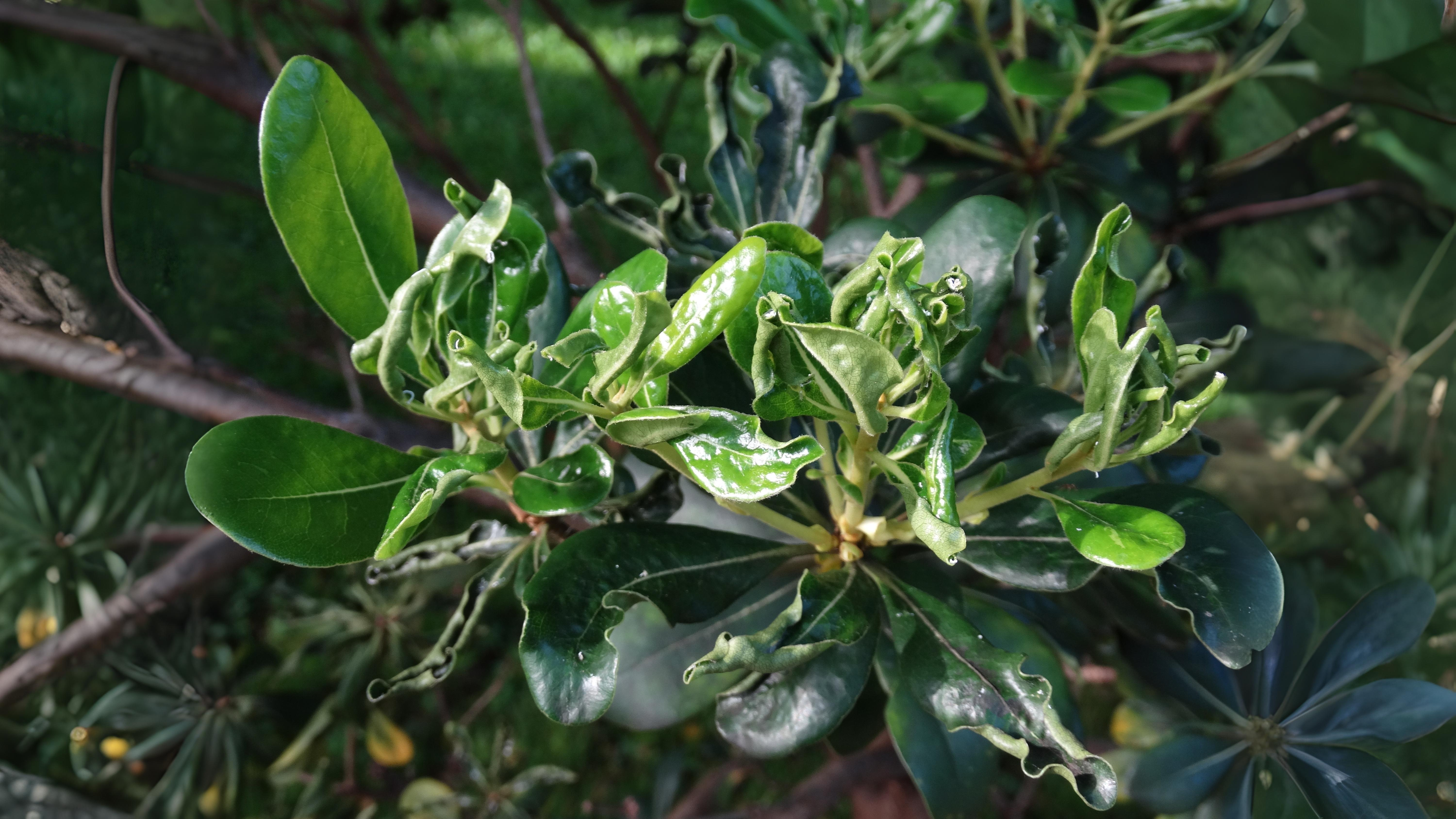
As autumn progresses we will see many more twisted, distorted and shrivelled leaves not all of which will be due to changing weather conditions. Aphids, especially earlier in the year, are often responsible for twisted leaves.

27-Sept September’s Hidden Invaders Section Image

27-Sept September’s Hidden Invaders Section Image

Any rolled rose leaves will have been created by sawflies and any circular discs cut out of them will be the work of leaf-cutter bees. If a leaf is seen with its margins drawn together by silk threads this may well be due to tortrix month larvae. Any twisted leaves on willows or plane trees could be due to something more serious e.g. anthracnose, a fungal disease. Any blisters seen on leaves can be caused by a variety of creatures e.g. aphids, mites, rust fungi and in some cases just because the plant happened to absorb water too quickly.

27-Sept September’s Hidden Invaders Section Image

27-Sept September’s Hidden Invaders Section Image

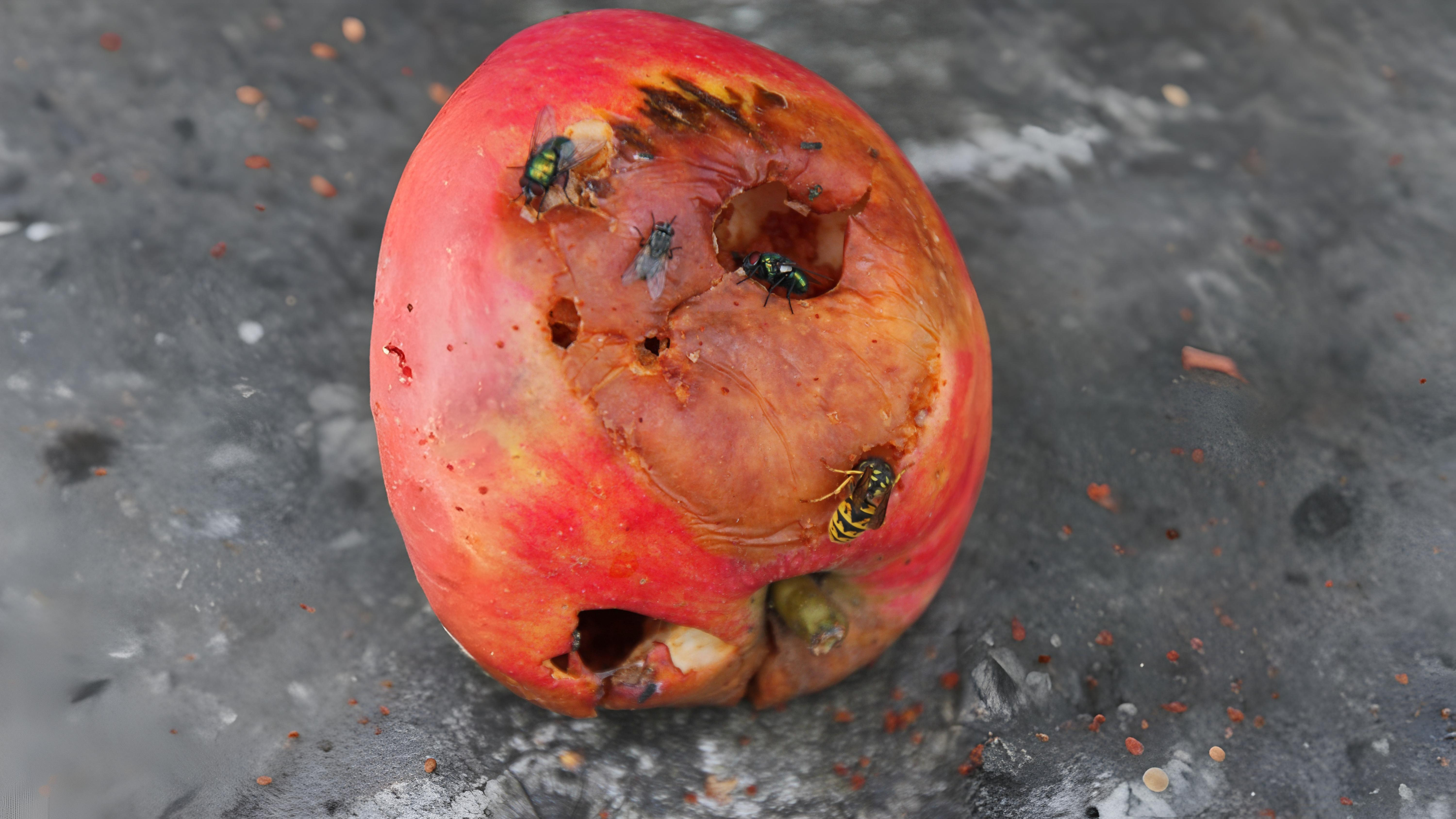
Windfall fruits are also a magnet for attack and not just be birds or wasps. Any larvae discovered in apples could be those of the codling moth and any surface ribbon tunnelling on the outside is typically the work of sawfly larvae.

27-Sept September’s Hidden Invaders Section Image

27-Sept September’s Hidden Invaders Section Image

A host of different fungi quickly colonise fallen fruit especially moulds and scabs. It is not just fruit which fall prey to pests and diseases but also the stems. Any streaking seen on stems could have been caused by eelworms which are nematodes which just happen to move like eels. Fantastic deformed stems are often due to a genetic disorder called fasciation. On sycamore branches you can often see small unsightly slightly woolly growths. These will be scale insects which have a protective shell-like covering or scale. Underneath they have strong beaks with which they pierce the tree and suck its sap.

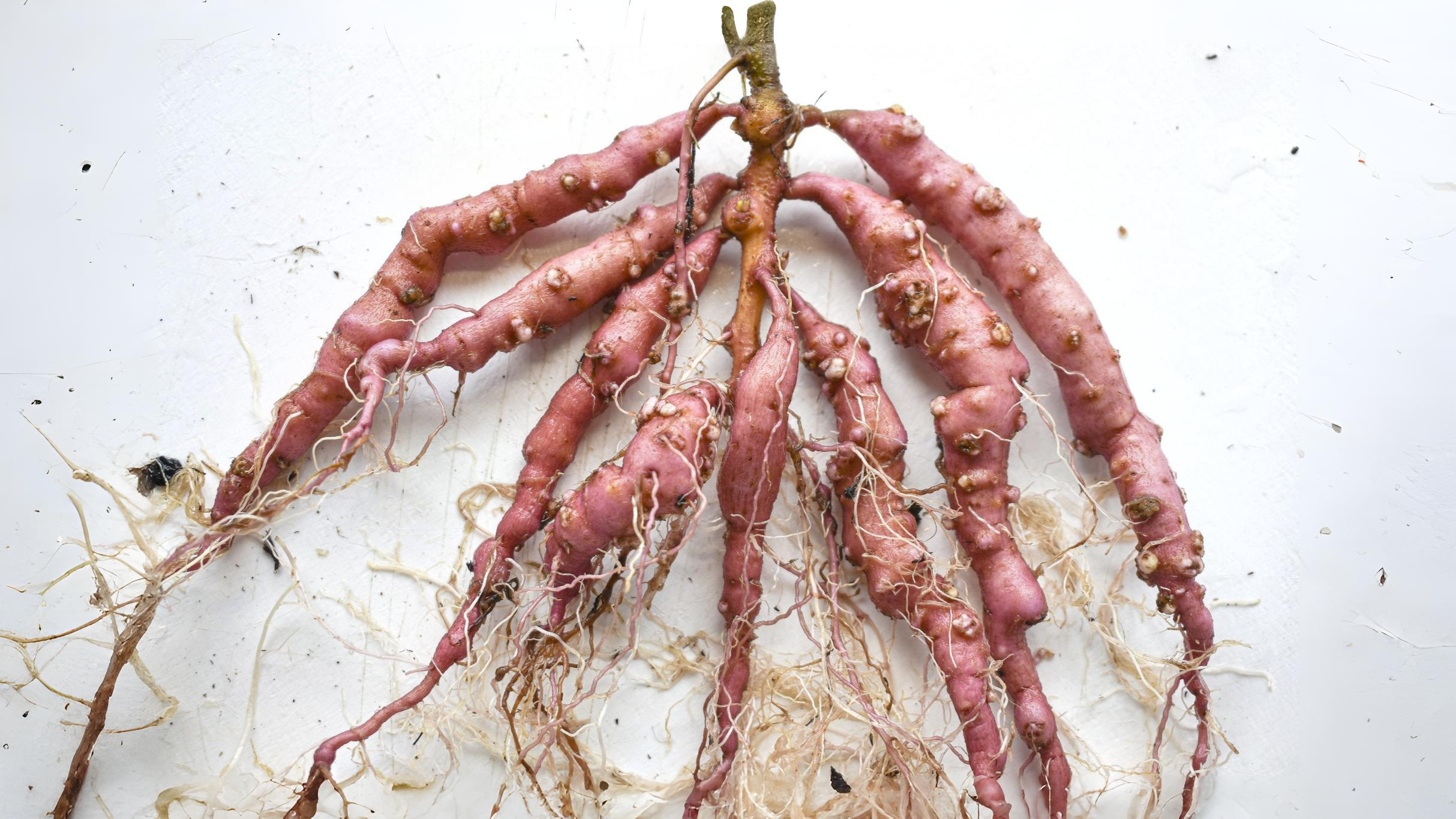
Other than eelworms, cutworms and wireworms also attack plants. Cutworms are often quite large surface caterpillars that feed on the base of plants at ground level during the night, often causing the plant to wilt. Wirewoms are the shiny brown larvae of click beetles which feed on roots and underground stems which is why we see so little of them.
27-Sept September’s Hidden Invaders Section Image

27-Sept September’s Hidden Invaders Section Image

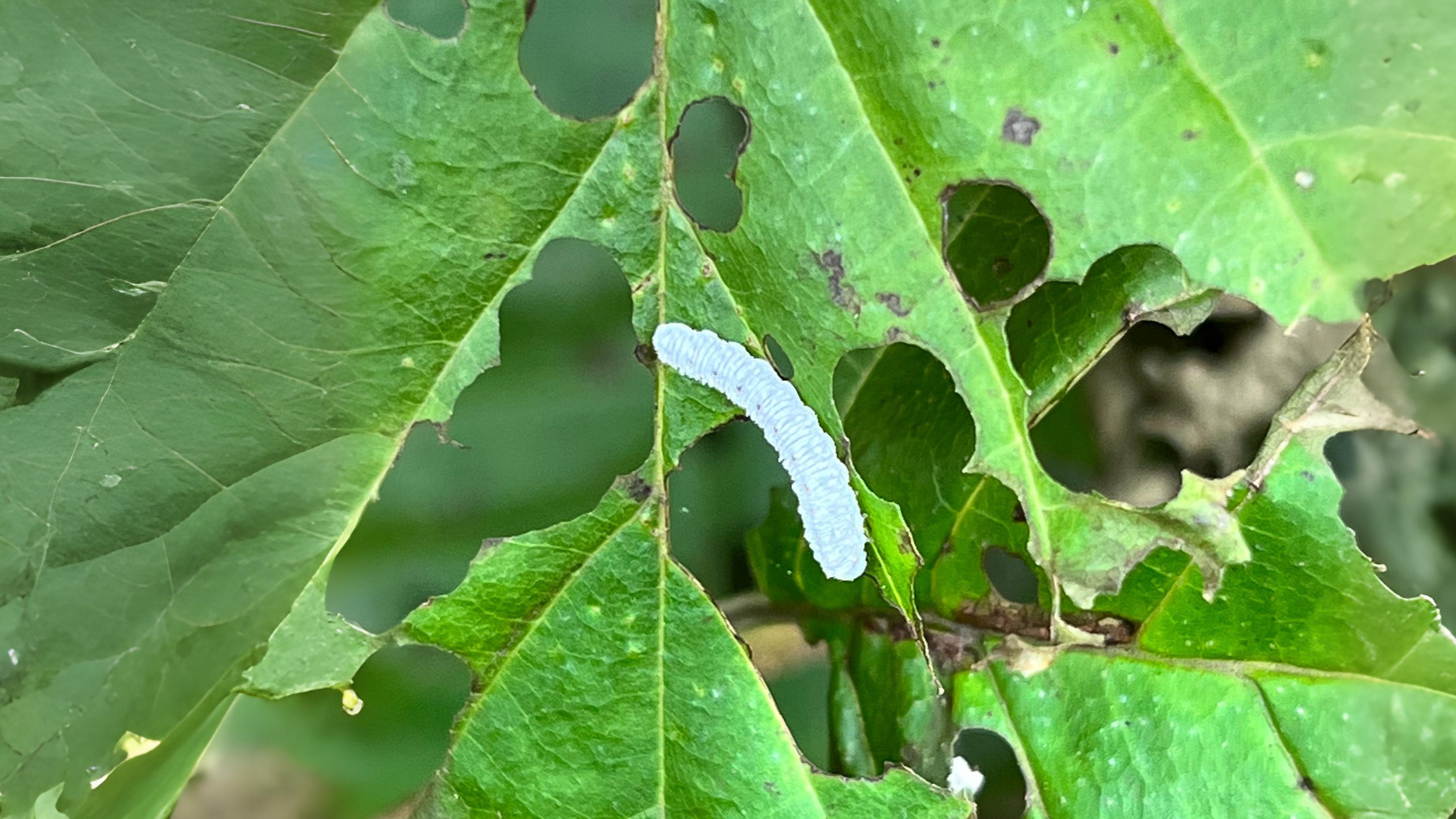
Slugworms are quite different. They are the larvae of sawflies which incidentally are more closely related to a wasp then a fly. They are often responsible for the attractive skeletonisation of leaves where the veins are midribs of a leaf are all that is left intact when the rest has been eaten away.

Many unseen fungi, as you might expect, attack plants at this time of year, most notably downy and powdery mildews as well as grey and sooty moulds. Sclerotinia is one such mould which lives in the soil, rots the bottom of stems and is also responsible for unsightly fluffy growths elsewhere.
27-Sept September’s Hidden Invaders Section Image

27-Sept September’s Hidden Invaders Section Image

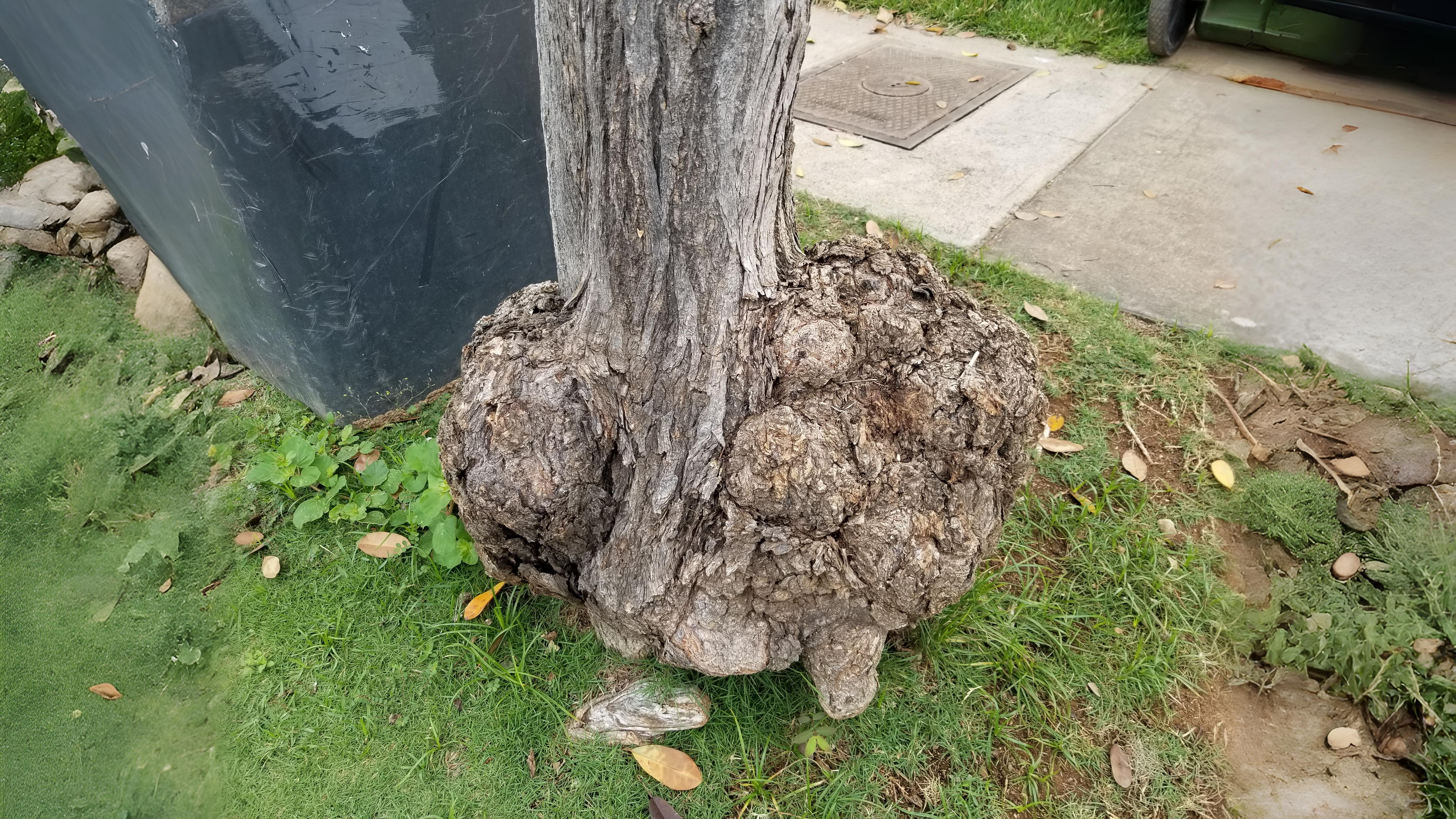
Other severe infestations that can cause death include die back which is recognised by the tip of a stem dying first and then the infection gradually progressing backwards down the stem. Ash die back is now quite common in the London area. If a dead branch is seen with its dead leaves remaining attached to the stem it is likely to be fireblight which is a bacterial disease. Cankers are among the most unsightly of all infections with their associated lesions, abnormal growths and exuding gums. They are caused by both fungi and bacteria.

27-Sept September’s Hidden Invaders Section Image

27-Sept September’s Hidden Invaders Section Image

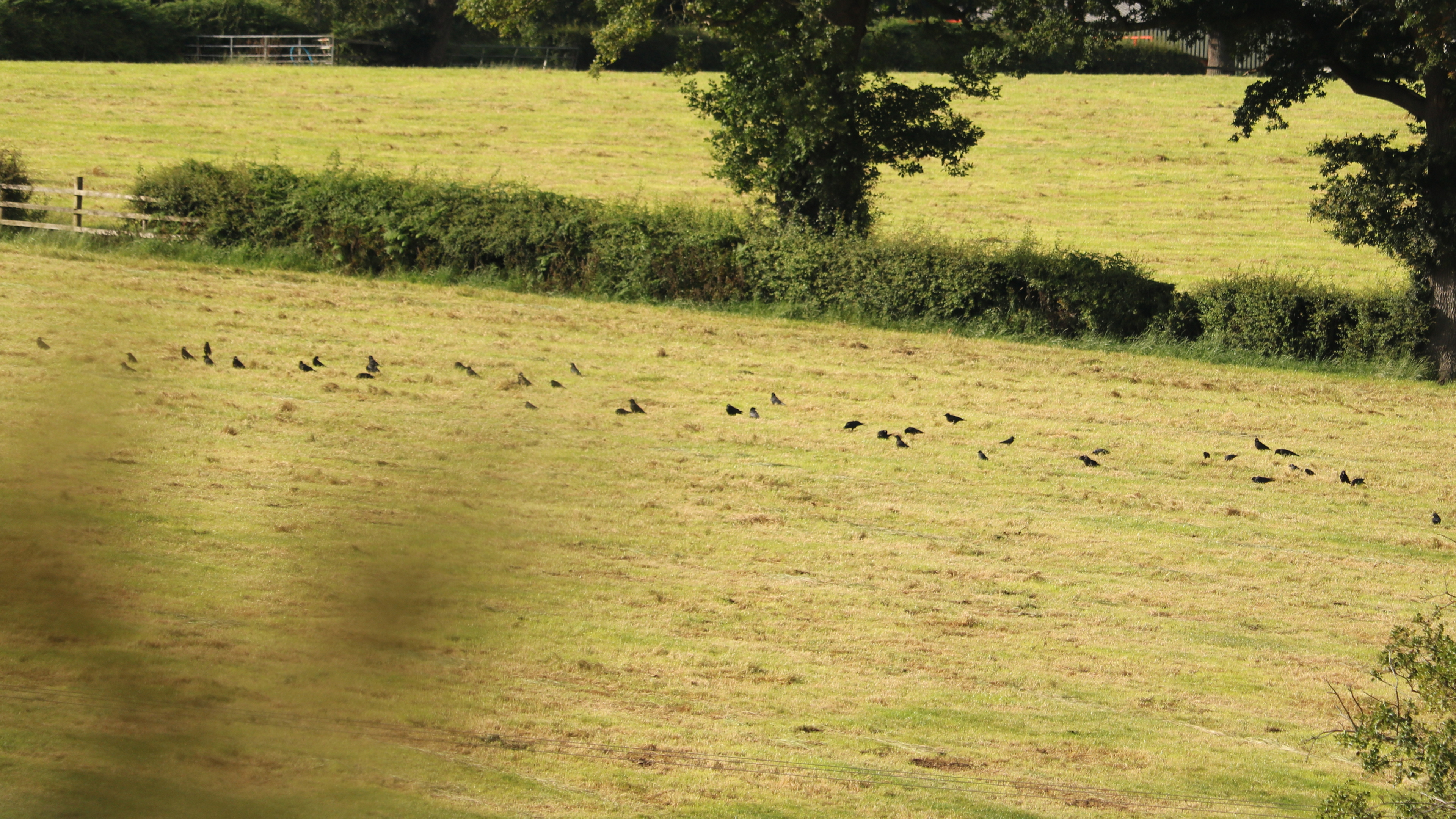
Some of the largest can be seen on the London plane trees around Clapham common. Farmers are now ploughing their fields and the large flocks of gulls and crows we see following tractors are there to feed upon the vast number of invertebrates which are being exposed, many of which are undeservedly called pests.

27-Sept September’s Hidden Invaders Section Image

27-Sept September’s Hidden Invaders Section Image