26-Sept September’s Stinging Shadows Tile Image

26-Sept September’s Stinging Shadows

Summary

September is the month when wasps make their presence impossible to ignore. Once busy feeding their young with insects and rewarded with sweet secretions, common wasps now find themselves hungry and restless as their colonies collapse. Deprived of their usual diet, they turn to gardens, lawns, and ivy flowers in search of sugar, often causing alarm with their persistent buzzing. Yet not all wasps are as they seem—London is home to German, Tree, Red, and Norwegian wasps, each with their own distinct markings and nesting habits, as well as the intimidating but surprisingly docile hornet. Add in the harmless wood wasps and sinister parasitic ichneumons, and the world of wasps proves stranger than fiction.

Be sure to return on September 26th for the full story!
Article

Wasps

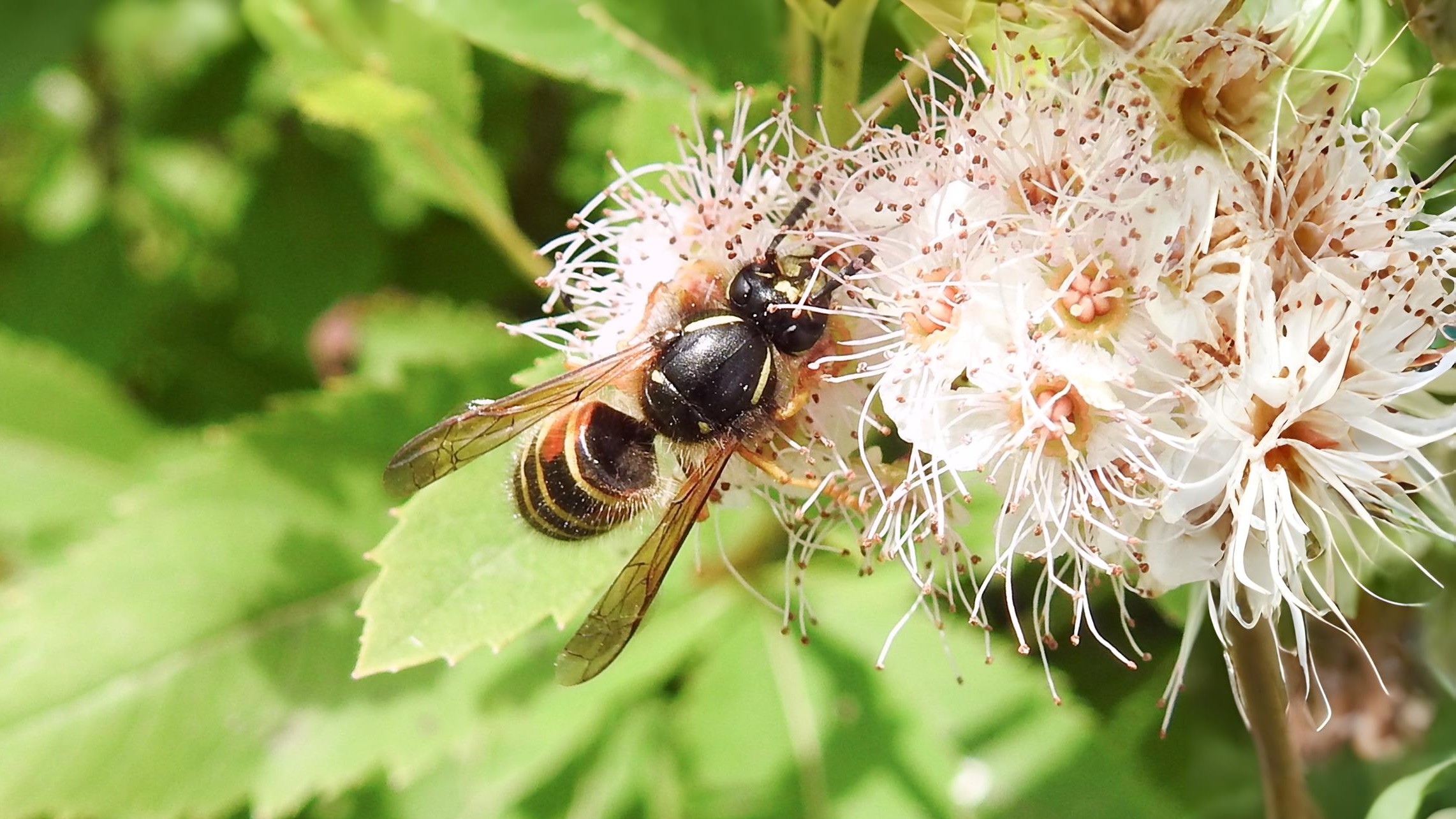
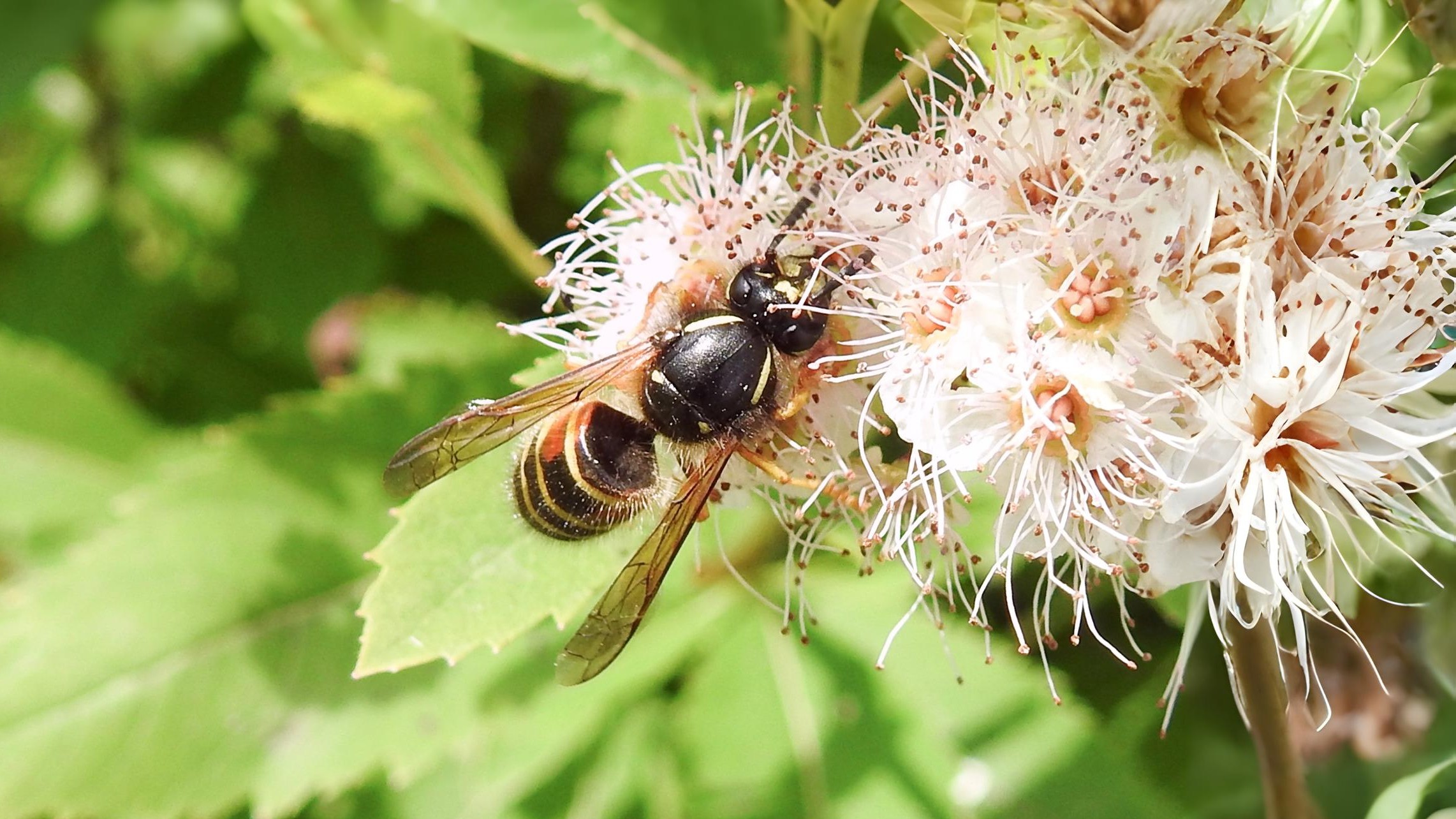
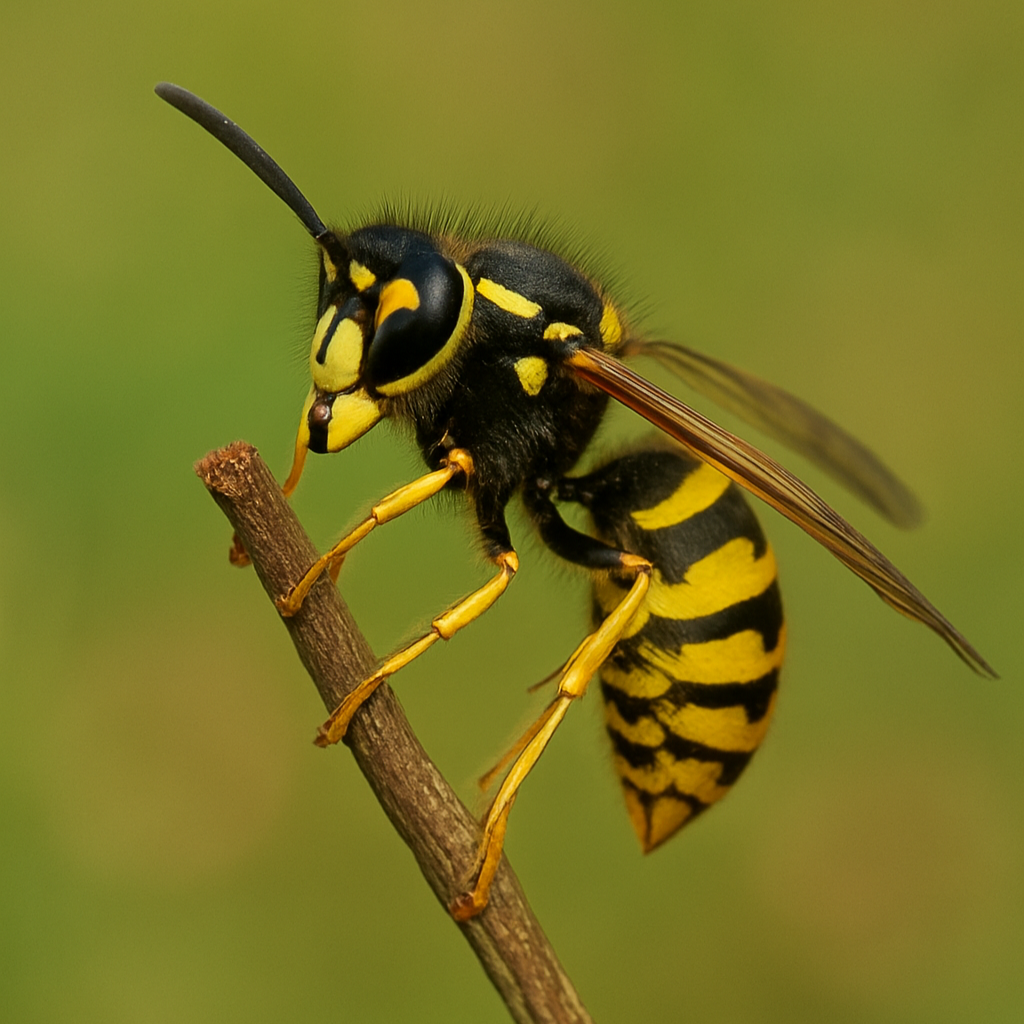
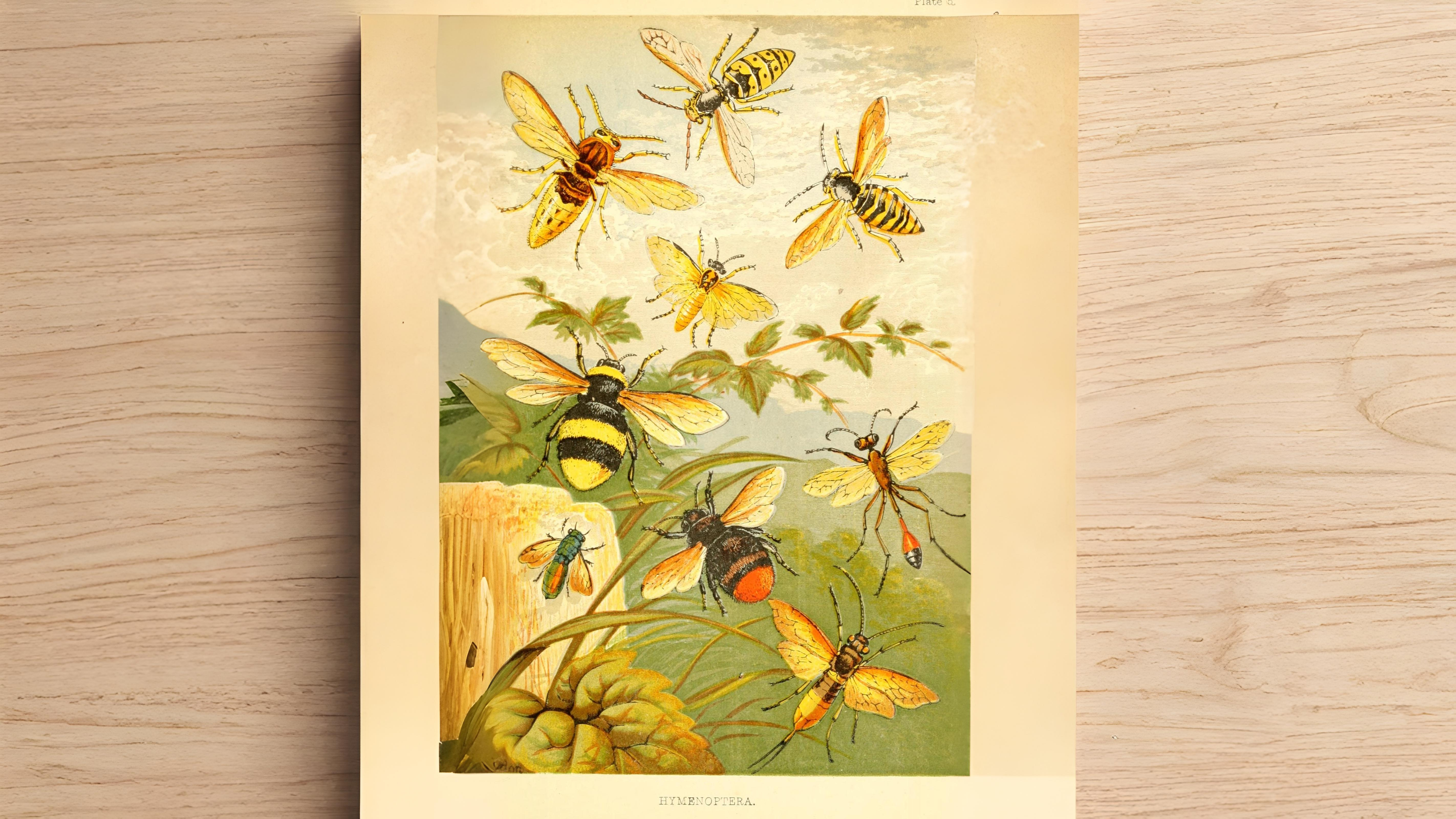
The wasps most familiar to Londoners are the ones that seem quite oblivious to man yet quite capable of inflicting a painful sting. These are the true or social wasps that create the large nests that people fear so much. Wasps are easy to tell apart from bees due to their bright yellow and black warning colours which are all the more pronounced due to their lack of body hair. They usually have four narrow, lightly veined membranous wings that appear as two as they are joined together by a row of minute hooks. Wasps tend to be aggressive carnivores with strong mandibles with which they can dispatch their prey and then dismember it. Generally they prey upon either caterpillars, flies, spiders, aphids or even weevils to feed their young. Their ‘wasp waist’ can give their abdomen an Indian club shape, usually with a pointed end which holds their sting.

26-Sept September’s Stinging Shadows Section Image

26-Sept September’s Stinging Shadows Section Image

Although solitary wasps caught our attention on hot days in August it is common wasps Vespula vulgaris that tend to get noticed more this month as they look for sweet foods. The reason for this is that they have recently changed their diet. Up until now they have been feeding their larvae with insects and been rewarded by them with a sweet secretion. However, the queen may now have stopped laying eggs and so her colony is starting to collapse. Idle males and hungry workers deprived of their usual diet have had to start looking elsewhere. For just a few weeks they will be seen wandering aimlessly perhaps over the surface of lawns or sleeping in ivy flowers before they succumb to the cold. The queen will abandon them all and be looking for a place to hibernate.

26-Sept September’s Stinging Shadows Section Image

26-Sept September’s Stinging Shadows Section Image

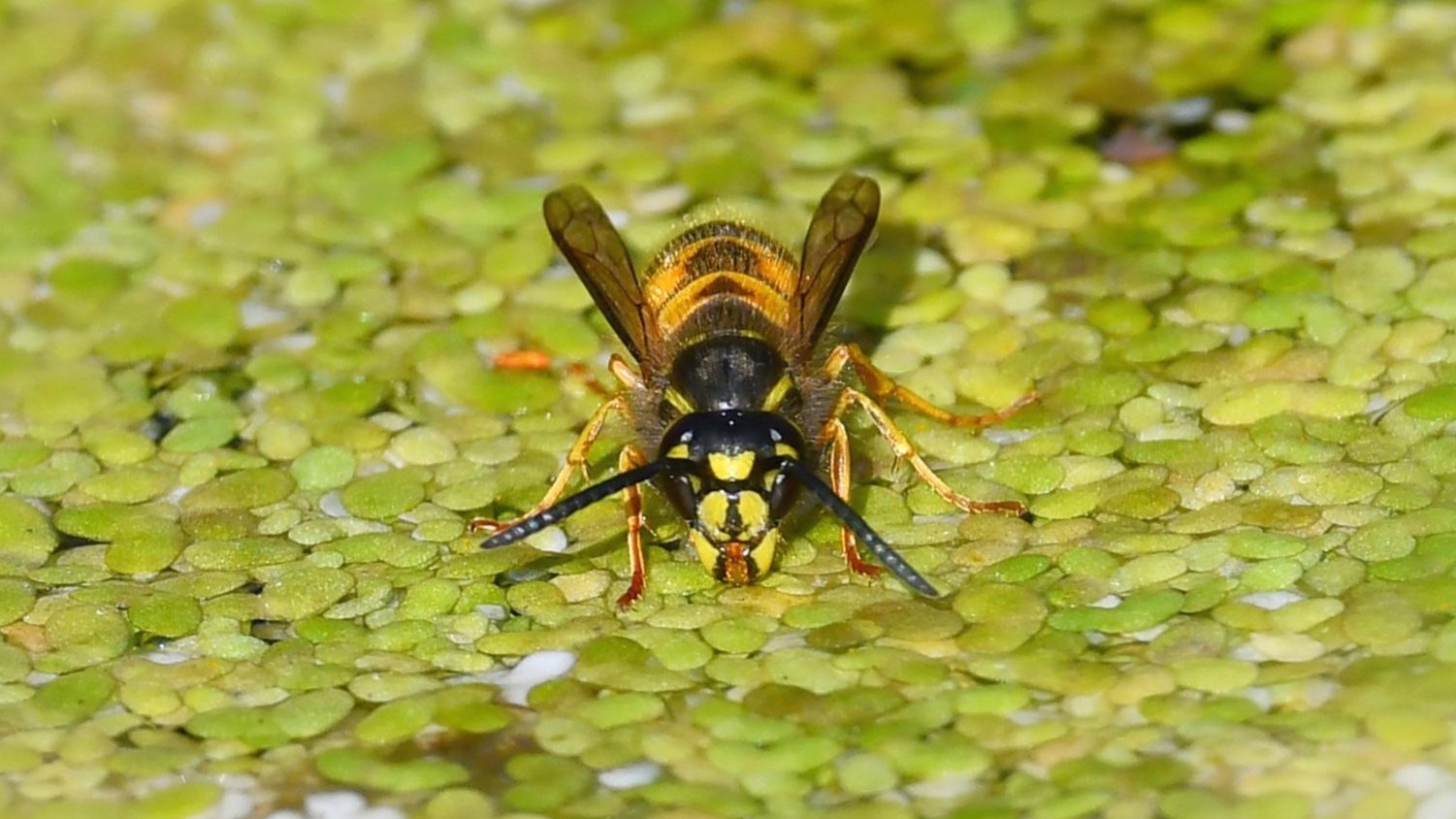
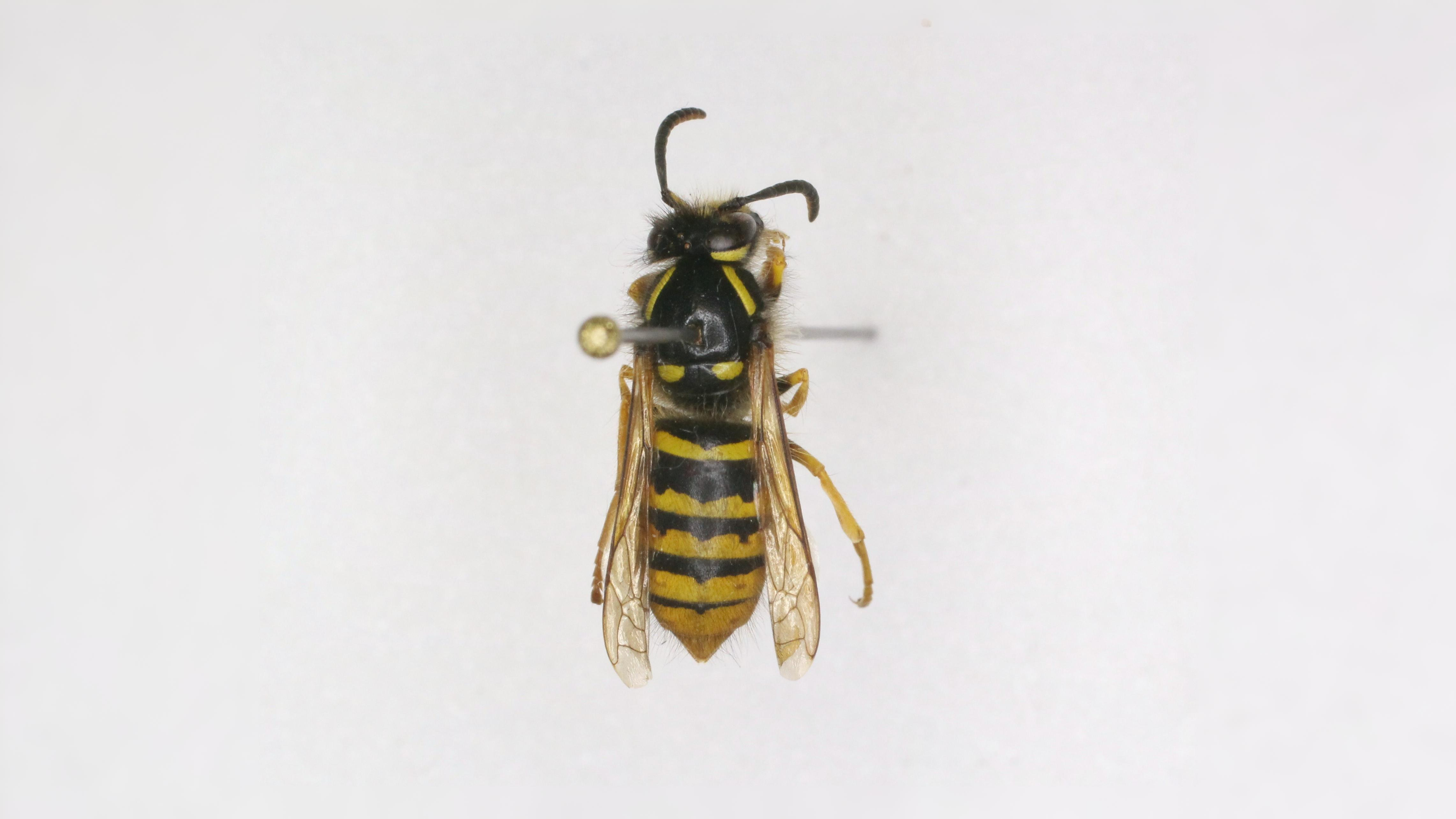
Other than the common wasp there are a small number of similar looking social wasps in the London area i.e. the German, Tree, Red and Norwegian wasps as well as the noticeably larger hornet. The only way to tell these apart is to try and see any markings on their faces, especially any bars or dots. The Common wasp is famous for the anchor mark on its face. The red wasp V. rufa has a similar marking but is easily separated by its reddish upper abdomen. The German wasp V. germanica has no anchor but three dots on its face instead whereas the Tree wasp Dolichovespula sylvestris has just one dot.

26-Sept September’s Stinging Shadows Section Image

26-Sept September’s Stinging Shadows Section Image

The Norwegian wasp has a face split into two by a vertical black bar. All these wasps are common enough but Bushy park, Mitcham common and Hampstead heath are all good places to look for them. If you are not able to see their faces, the nest they return to can be another helpful guide to their identity. Norwegian wasps build small nests, sometimes hanging from a branch in a hawthorn or gooseberry bush.

26-Sept September’s Stinging Shadows Section Image

26-Sept September’s Stinging Shadows Section Image

Tree wasps often prefer to nest in hollow trees and Red wasps tend to nest underground. The nests of both Common and German wasps are often found in our homes, especially in lofts.

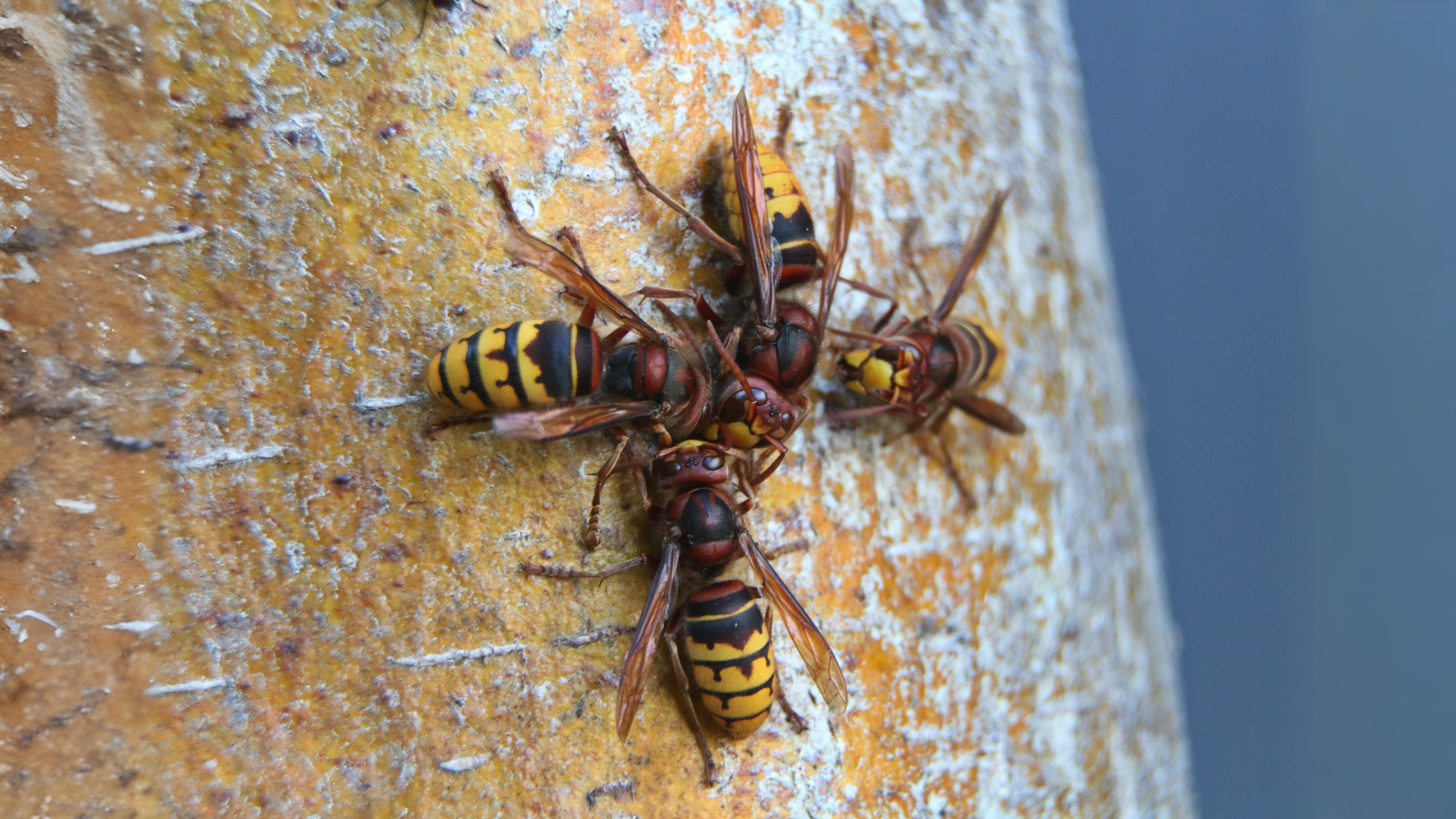
The only other social wasp regularly seen is the one feared the most, the hornet Vespa crabro. This is because it is so large and dangerous looking.
26-Sept September’s Stinging Shadows Section Image

26-Sept September’s Stinging Shadows Section Image

In actual fact it is docile by nature and rarely stings. Compared with the bright yellow and black of the other wasps it is more of a dull orange brown. Whilst gnawing wood to mix with its saliva to create its nest it has been known to completely ring bark small ash trees in Windsor Great park. The reason why some people say they are rare and others say they are common is their habit of returning to favourite nest sites year after year. This may well be a wall cavity or chimney in the same house.

26-Sept September’s Stinging Shadows Section Image

26-Sept September’s Stinging Shadows Section Image

Wood Wasps

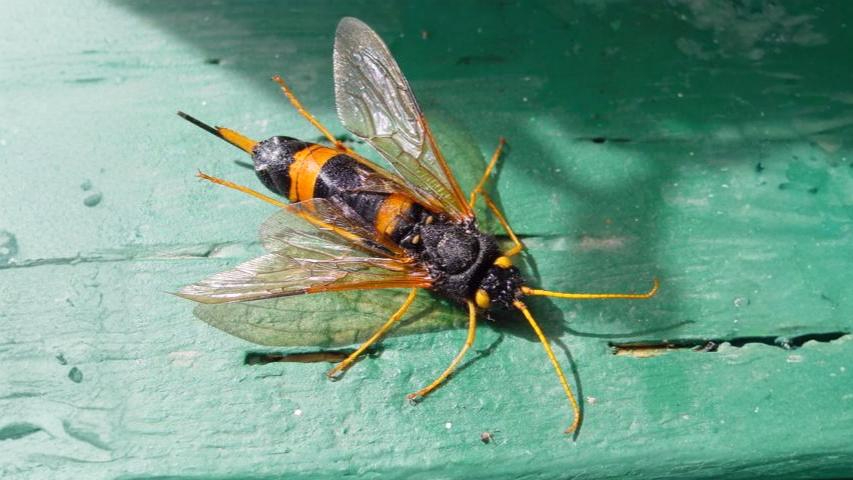
We usually first encounter a wood wasp e.g. the horntail Urocerus gigas when it has recently emerged from a pile of cut wood. Wherever the cut timber originally grew this fearsome looking, yet harmless, insect would have used its needle like ovipositor to lay one hundred or more eggs in various pieces of timber. Once hatched their larvae would have created tunnels and then fed off the fungi that lined these tunnels for perhaps as long as three years. All we tend to see this month is the unforgettably dangerous-looking adult newly emerged from its hidden home.

26-Sept September’s Stinging Shadows Section Image

26-Sept September’s Stinging Shadows Section Image

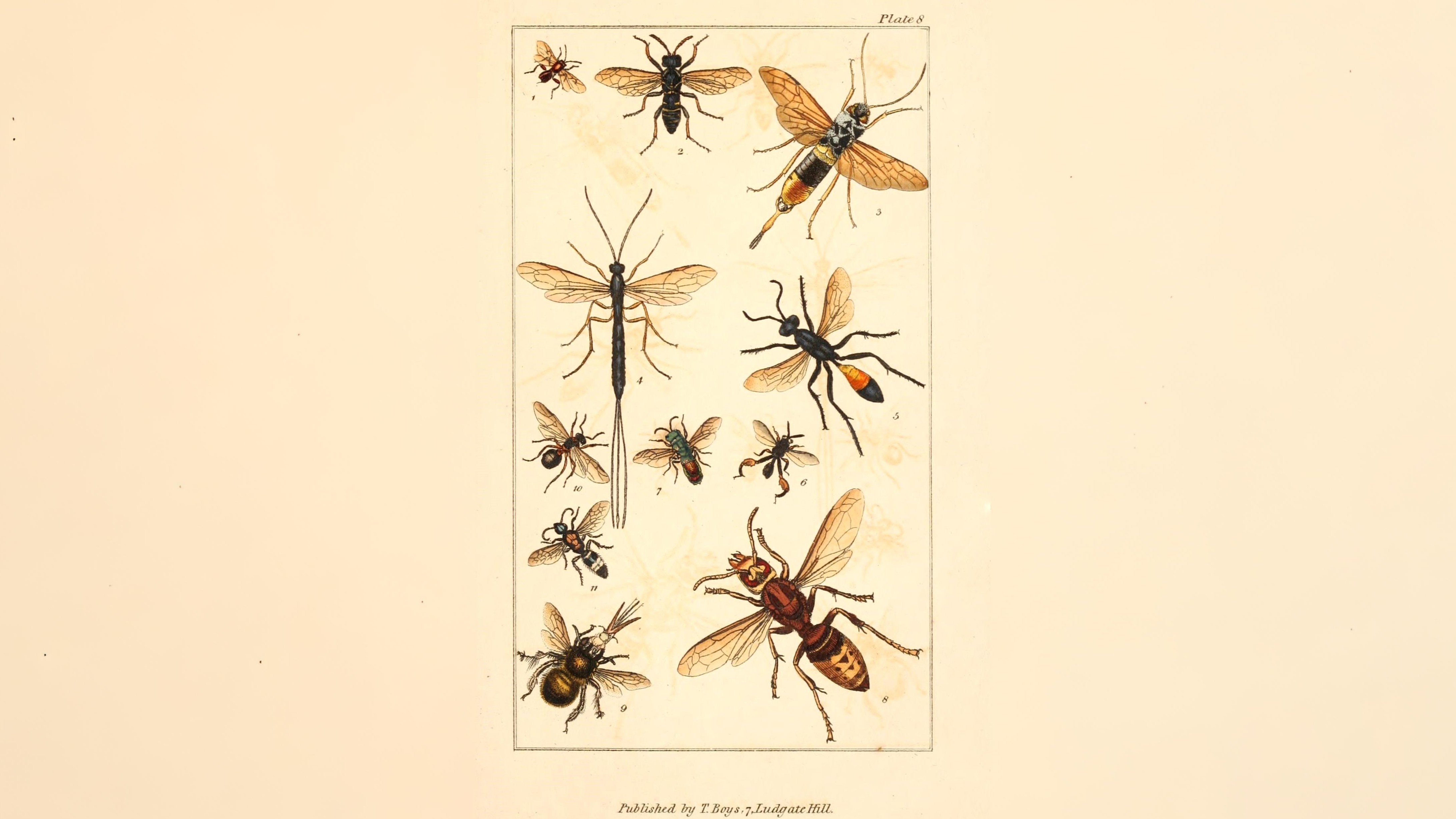
As ever with wasps and their close relations there are many which are parasites which in turn have parasites of their own. Parasitic wasps lay their eggs in a variety of other creatures e.g. butterflies, moths or spiders but some even choose to parasitise their own kind. This group mostly have ‘tails’ or ovipositors with which they can inject their eggs directly into the larvae of other wasps. The life cycle is not an attractive one. Some called ichneumon flies, although they are actually wasps, have ovipositors longer than their own body. These they use to bore into wood looking for the larvae of other wasps. Once the host species is found they inject their egg, which then hatches and proceeds to slowly devour the entrapped larvae from within, often leaving just its empty skin before emerging as a new adult.

26-Sept September’s Stinging Shadows Section Image

26-Sept September’s Stinging Shadows Section Image