25-Sept Dragonfly Days Dwindle Tile Image

25-Sept Dragonfly Days Dwindle

Summary

As summer fades, so too does the vibrant aerial ballet of London’s dragonflies. By late September, the skies grow quieter—charming chasers, dainty damselflies, and shimmering skimmers have all but vanished. Only a few hardy hawkers, darting darters, and elusive emeralds remain, offering a rare chance to hone your identification skills. From the dazzling blues of the migrant hawker to the metallic greens of the last emerald damselflies, this is a fleeting window to experience the season’s final flights. Whether you're scanning ponds at Richmond Park or tracing loops at Wimbledon Common, nature’s miniature marvels still have stories to tell—if you know where to look.

Return on September 25th to uncover the last dance of London’s dragonflies!
Article

Dragonflies

This month sees a dramatic reduction in the number of dragonflies that we see flying around London. The chasers, skimmers and demoiselles have all ceased flying completely as well as nearly all the damselflies and darters. Of the twenty different dragonflies and damselflies that inhabit the city it is only really four hawkers, three darters, the common blue damselfly and the emerald that are still likely to be seen flying. There are one or two small benefits to this in that it makes it much easier to make a field identification. It also allows you to get to know the ‘jiz’ of the dragonflies concerned as well as the different colours of the females and immature tendrils.

25-Sept Dragonfly Days Dwindle Section Image

25-Sept Dragonfly Days Dwindle Section Image

Hawkers all tend to be large, accomplished, strong fliers which spend a lot of their time in the air. Damselflies are usually easily recognised by their delicate build, large eyes and weak, fluttering flight. Darters are also small but much more robust and always darting here and there before returning to the same resting spot. The sheer beauty of their metallic green colours instantly give away emeralds.

25-Sept Dragonfly Days Dwindle Section Image

25-Sept Dragonfly Days Dwindle Section Image

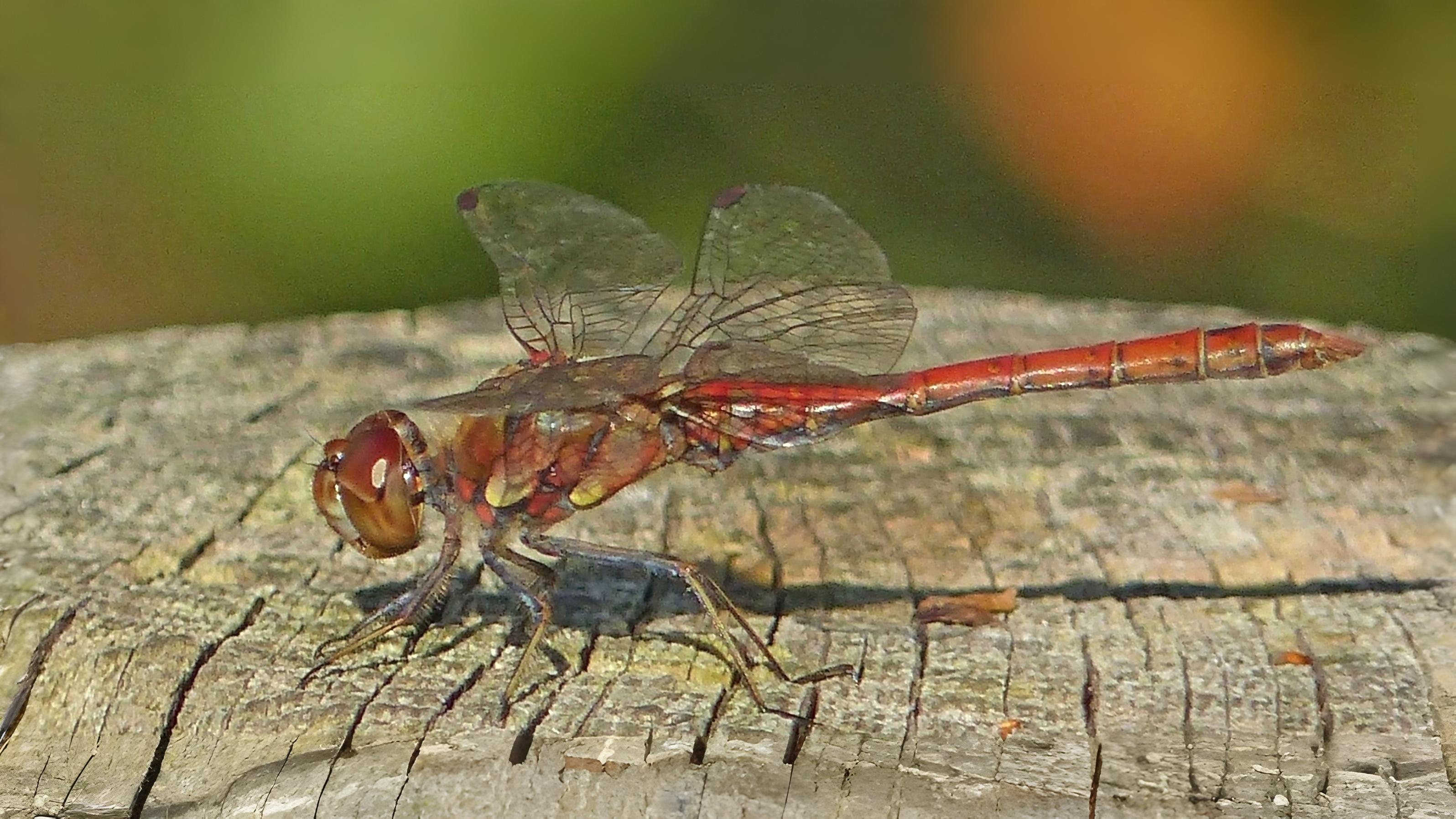
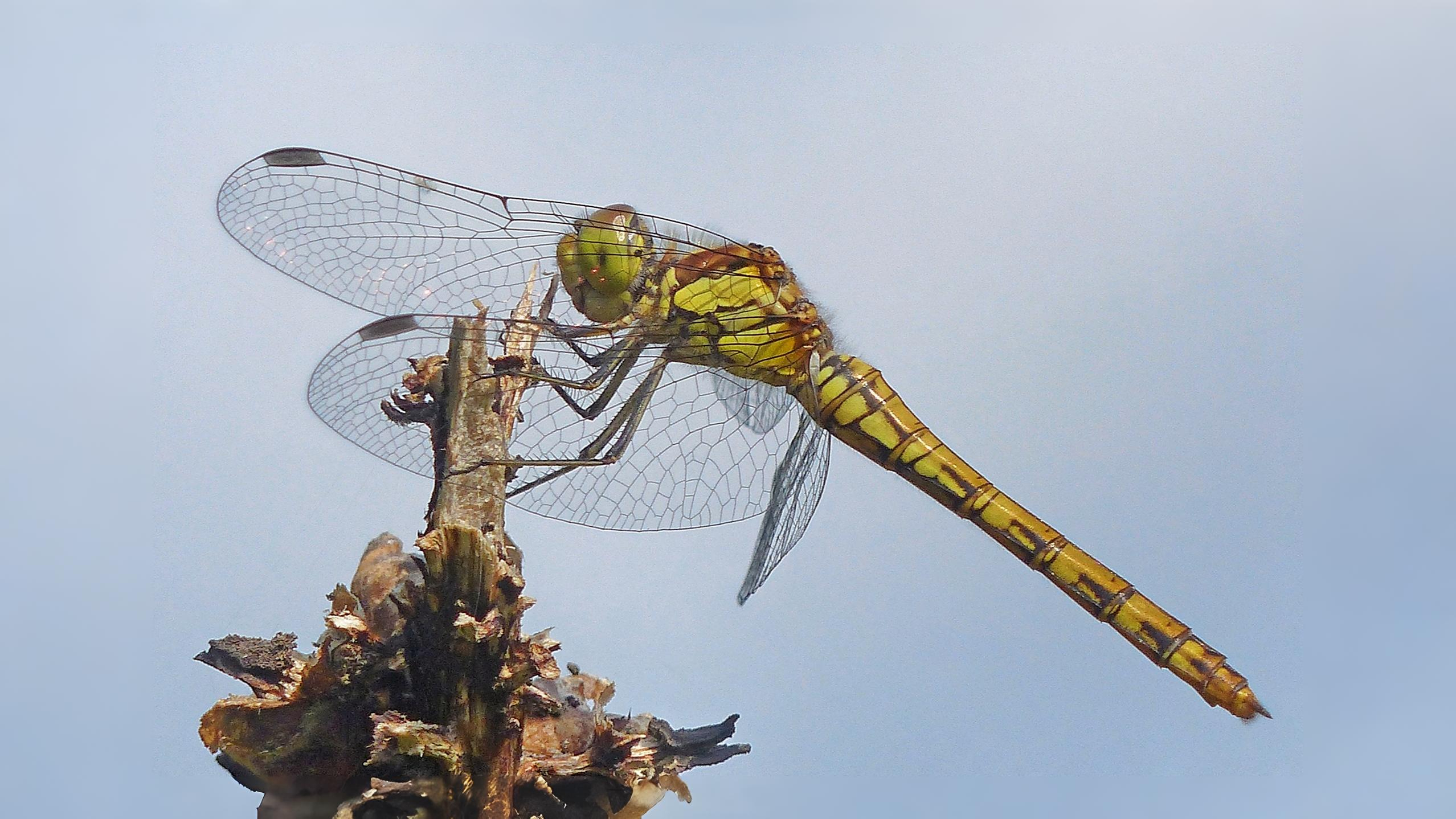
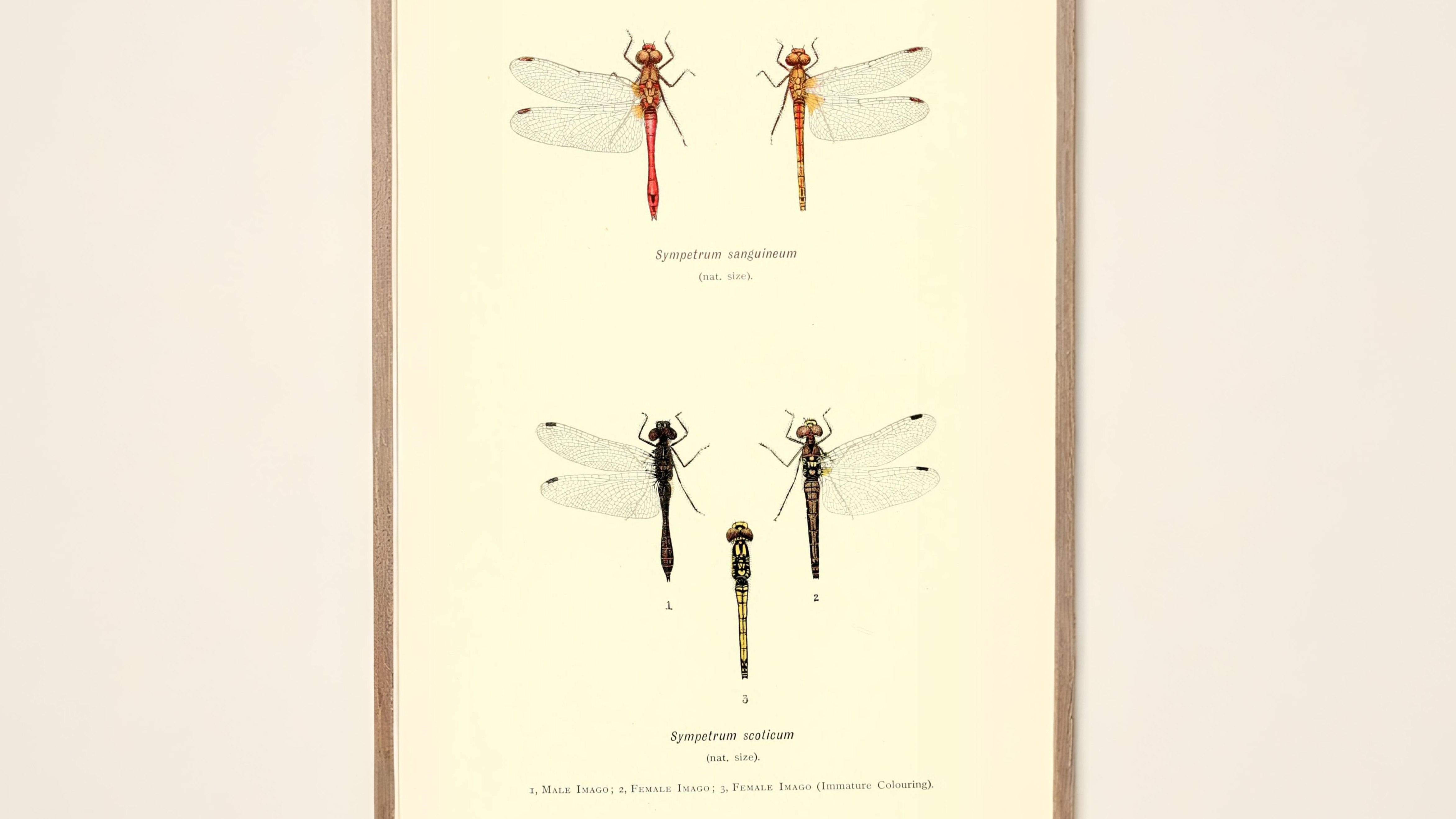
There are only three possible darters likely to be encountered this month i.e. common darter Sympetrum striolatum, ruddy darter S. sanguineum and black darter S. danae. The males are easily separated, the first having an orange-red abdomen, the second having a blood-red waisted one and the third being almost totally black. Black darters are the least likely to be seen and are best looked for on Wimbledon or Bookham common. Common and ruddy darters can still both be seen at Cornmill meadows. The female darters are more troublesome to separate. Colour helps a little as female black darters tend to be yellow and black whereas female common and ruddy darters are more ochre in colour.

25-Sept Dragonfly Days Dwindle Section Image

25-Sept Dragonfly Days Dwindle Section Image

As they get older, female common darters get redder and female ruddy darters become more of an olive colour. If you can get close, only ruddy darter females have saffron-coloured wing bases and only black darter females have completely black legs.

25-Sept Dragonfly Days Dwindle Section Image

25-Sept Dragonfly Days Dwindle Section Image

If none of this helps, black darters tend to have a short erratic flight whereas common darters are always darting out then returning to a perch and ruddy darters tend to bounce a bit more as they fly and hover more.

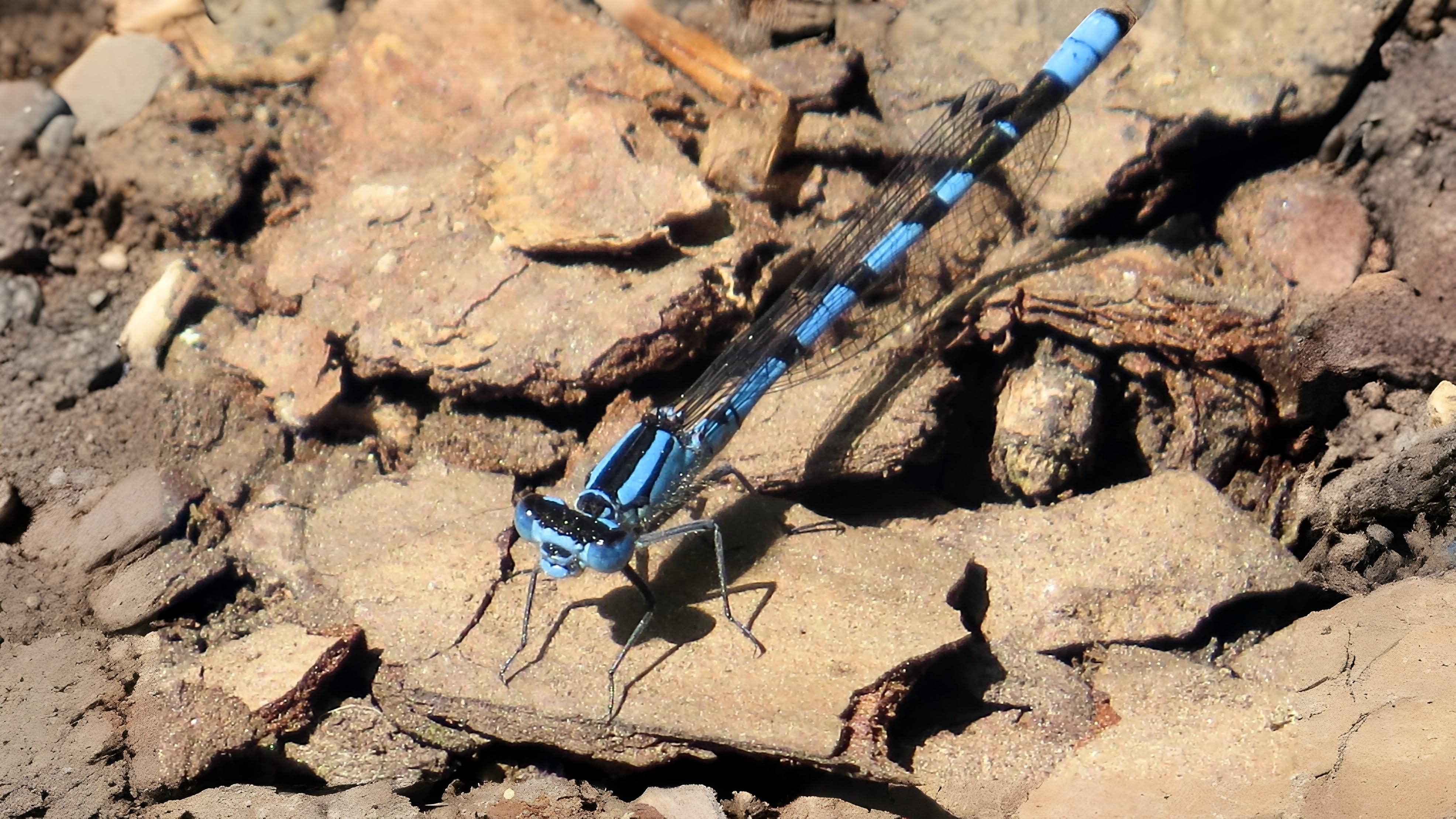
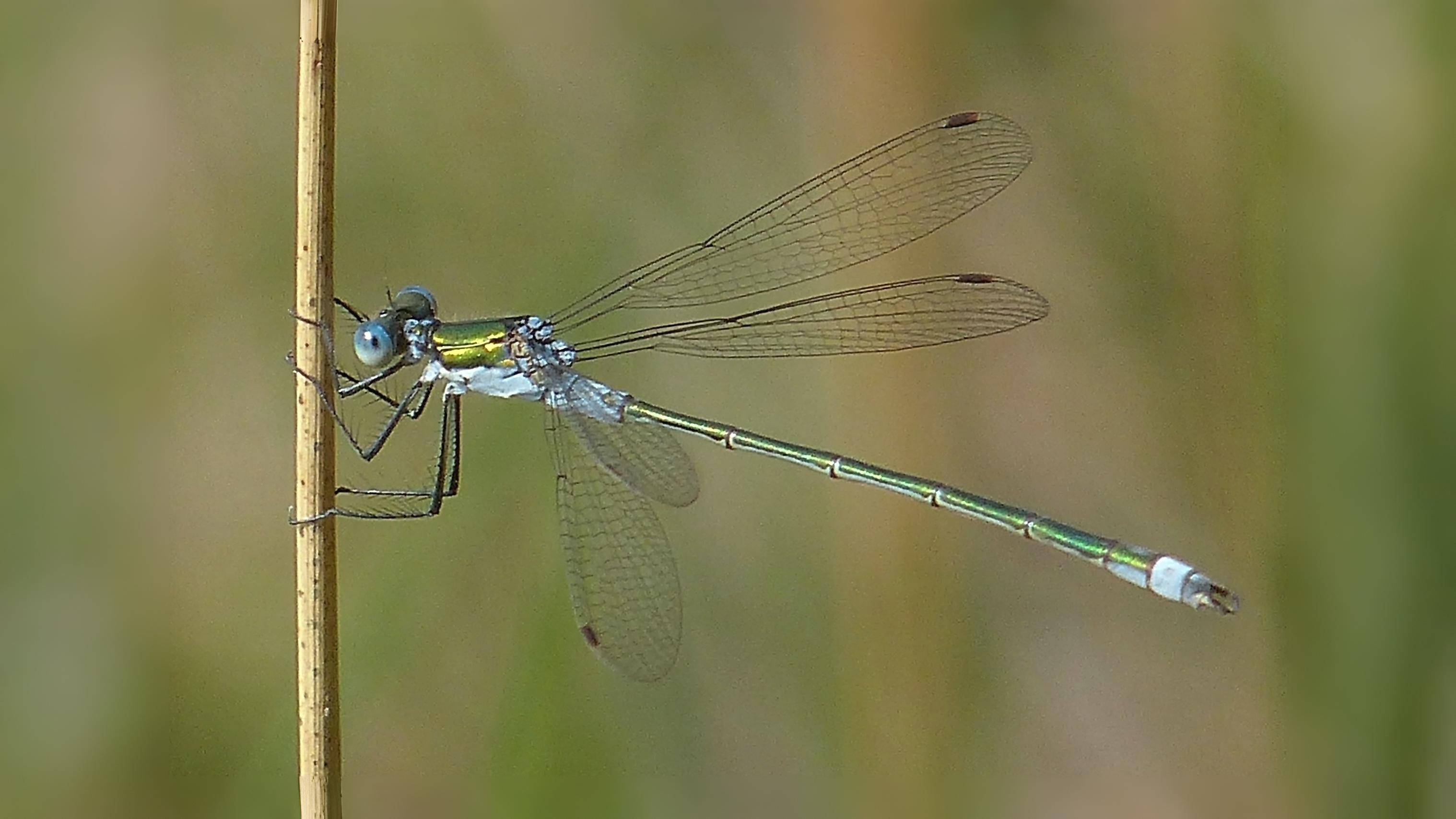
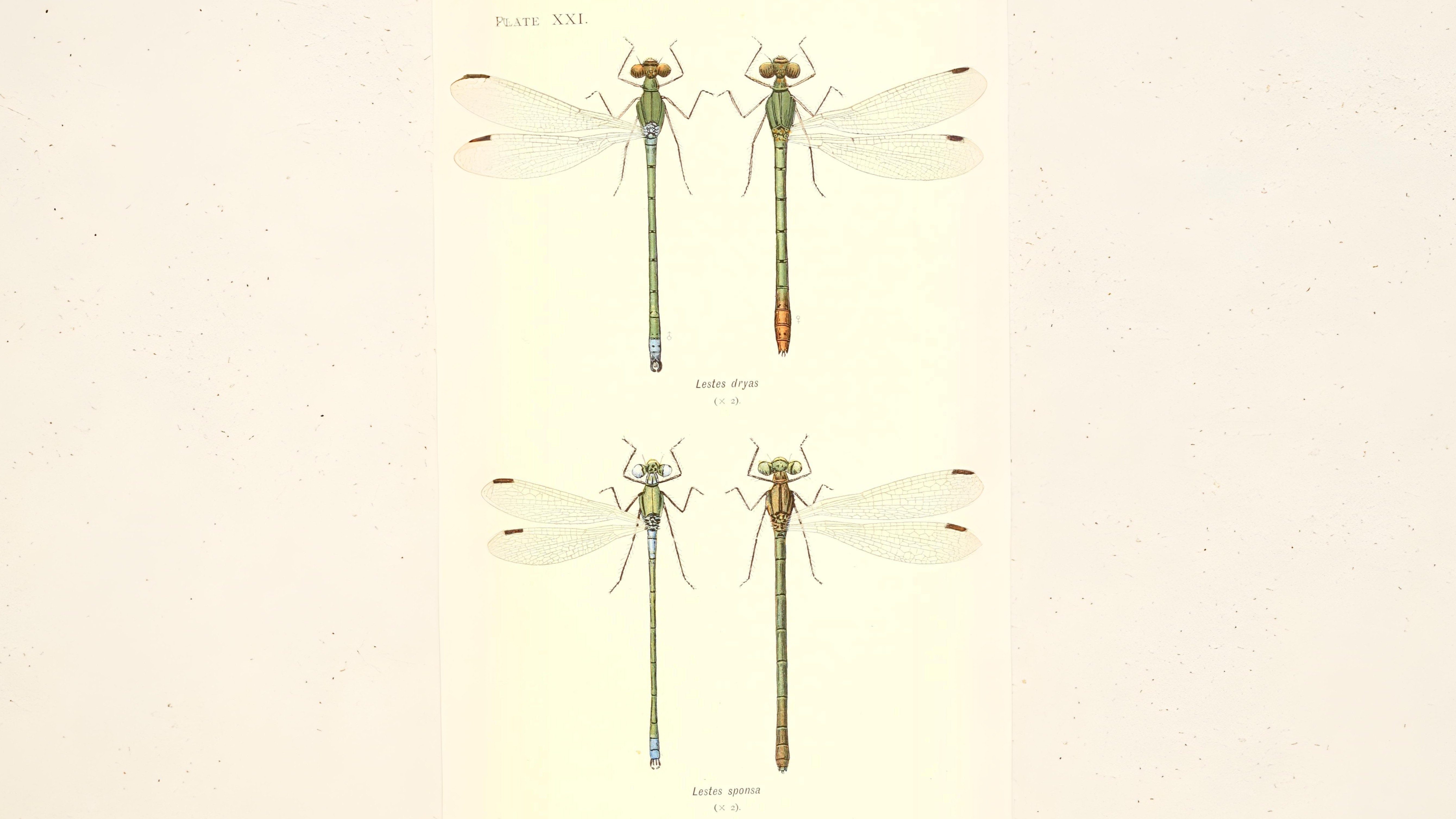
The only emerald still flying is the emerald damselfly Lestes sponsa and then usually only at the beginning of the month. If seen, it is worth looking for the blue eyes of the male and the blue tip to his tail.
25-Sept Dragonfly Days Dwindle Section Image

25-Sept Dragonfly Days Dwindle Section Image

The females have neither and are a duller green. Esher common and the area around White Lodge in Richmond park are places where they may be seen. The familiar common blue damselfies, where both sexes are blue, will still be seen along the edges of the larger ponds in Richmond park e.g. leg of mutton pond.

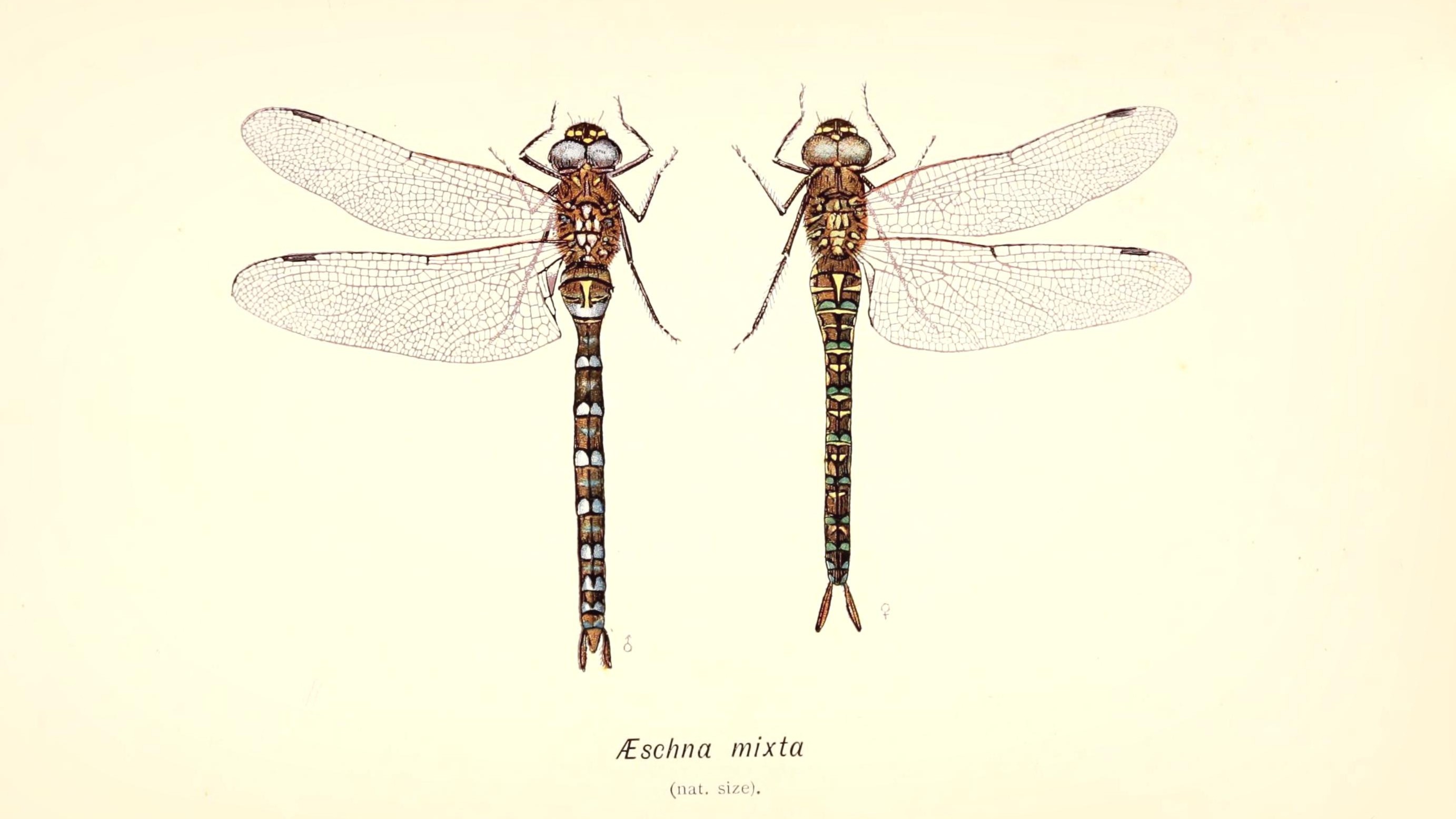
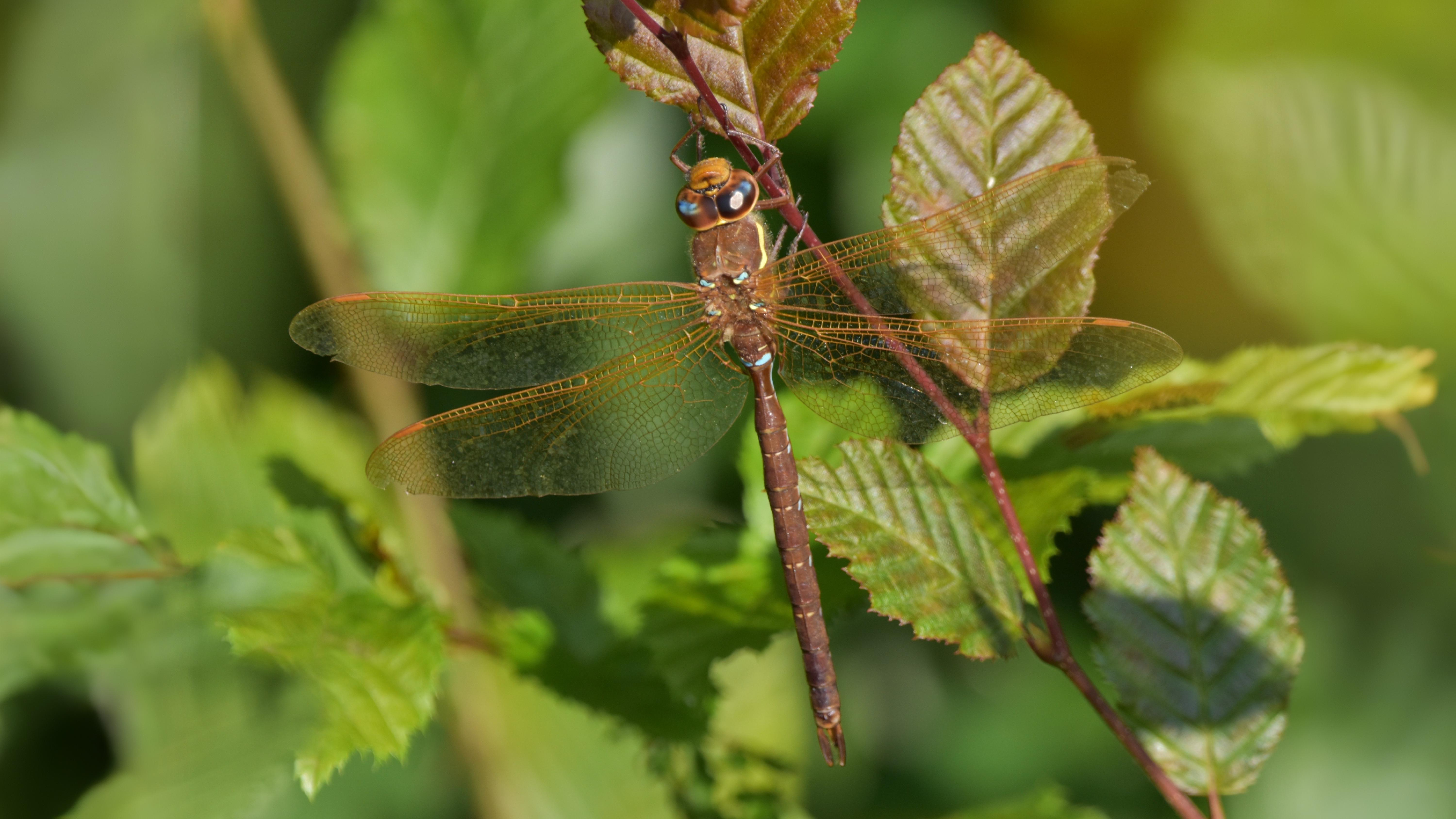
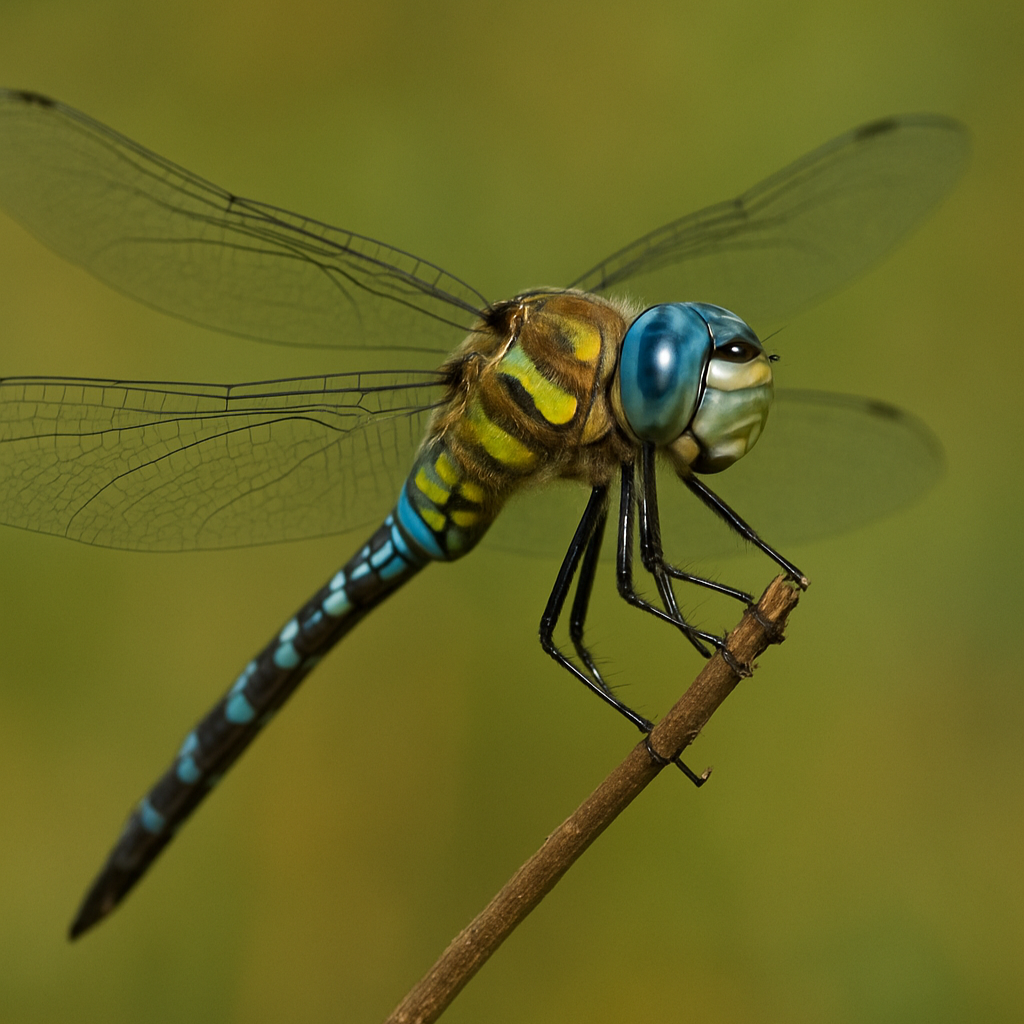
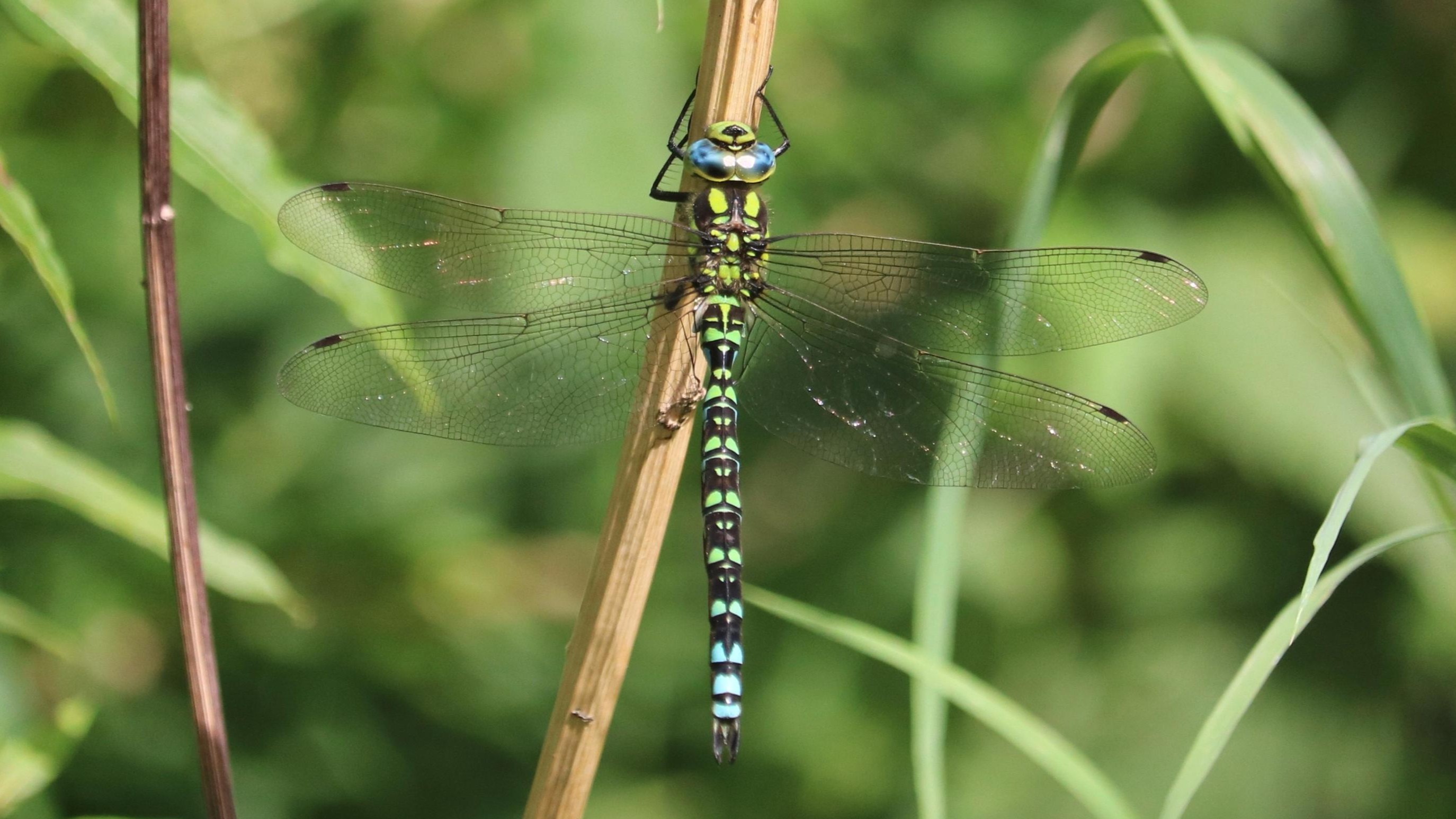
This just leaves us with the hawkers, four of which are likely to be still flying i.e. common hawker Aeshna juncea, southern hawker A. cyanea, migrant hawker A. mixta and the brown hawker A. grandis.
25-Sept Dragonfly Days Dwindle Section Image

25-Sept Dragonfly Days Dwindle Section Image

Once again the males are much easier to distinguish by their colours i.e. common – turquoise, southern – apple green with a blue tip to the tail, migrant – bright blue and the brown hawker unsurprisingly is brown, but also has amber wings. The females can be more difficult. Southern hawker females have yellow and green markings whereas brown hawker females are totally brown with amber wings. The females of migrant and common hawkers are also brown but have clear wings. Migrant hawker females tend to be smaller and slightly greenish-yellow, whereas common hawker females are larger with more distinct yellow markings. To add even more confusion there are different coloured forms of the common hawker and many immature females are greyish lilac in colour.

25-Sept Dragonfly Days Dwindle Section Image

25-Sept Dragonfly Days Dwindle Section Image

Brown and southern hawkers are often seen in gardens, migrant hawkers in woodland and common hawkers hardly anywhere. The poorly named common hawker is now sufficiently rare it is probable it will only be seen at the dragonfly reserve at Waltham Abbey. Migrant hawkers can also be seen there but Richmond park is a better place to look for brown and southern hawkers, especially around Queen’s ride.

25-Sept Dragonfly Days Dwindle Section Image

25-Sept Dragonfly Days Dwindle Section Image

Their ‘jiz’ can also sometimes help to separate them. Common hawkers are tireless fliers rarely perching, whereas southern hawkers have a habit of flying right up to an observer, examining them for a few moments, then disappearing. Both brown and migrant hawkers are usually seen patrolling up and down the edges of lakes. Migrant hawkers tend to hover more and brown hawkers turn and loop more. To add to all this, these insects can happily fly forwards and backwards unlike most other insects.

25-Sept Dragonfly Days Dwindle Section Image

25-Sept Dragonfly Days Dwindle Section Image